While the coronavirus has impacted millions of Americans across the United States, it has hit the elderly population particularly hard. In fact, more than 40 percent of coronavirus deaths in the U.S. have been linked to long-term care facilities, according to a New York Times survey. In an effort to bring those numbers down, pharmaceutical company Eli Lilly, in partnership with the National Institutes of Health (NIH), has just launched a late-stage antibody treatment trial focusing on residents and staff at nursing homes.
"COVID-19 has had a devastating impact on nursing home residents," Lilly's chief scientific officer Daniel Skovronsky said in a statement. "We're working as fast as we can to create medicines that might stop the spread of the virus to these vulnerable individuals."
The trial is expected to enroll up to 2,400 participants who live or work at a facility and have recently been diagnosed with the disease. The trial will evaluate the safety and success of using LY-CoV555, a potent, neutralizing antibody that works against the spike protein of the novel coronavirus. The trial will look at whether a single dose of the antibody treatment reduces the rate of infection over four weeks as well as symptoms over eight weeks.
"The importance of these kinds of therapies for people like the elderly or immunocompromised is that they can provide the hope and the safety net that these people really need right now," said Andrew Adams, vice president of new therapeutic modalities & COVID-19 research at Eli Lilly, who is overseeing the trial. "I think people in those populations are really desperate and looking for something to help with the coronavirus."
Eli Lilly is taking its trial on the road with customized mobile research units that can travel directly to areas that are experiencing outbreaks.
"This is an interesting solution, to bring the medicine to these vulnerable patients," said Adams. "This lets us be flexible and move these trials around the country, tracking these trials as we come across them."
Adams said he is hoping Eli Lilly will have results on the efficacy of these antibodies in the fourth quarter of this year. Even if successful, though, he says research for a vaccine needs to continue.
"These have to be thought of as more of a bridge, where a vaccine provides long-term protection in terms of years of immunity, where we will provide hopefully in the range of months with these types of treatments. We hope this to be a short-term bridge to the long-term effective vaccination," he said.
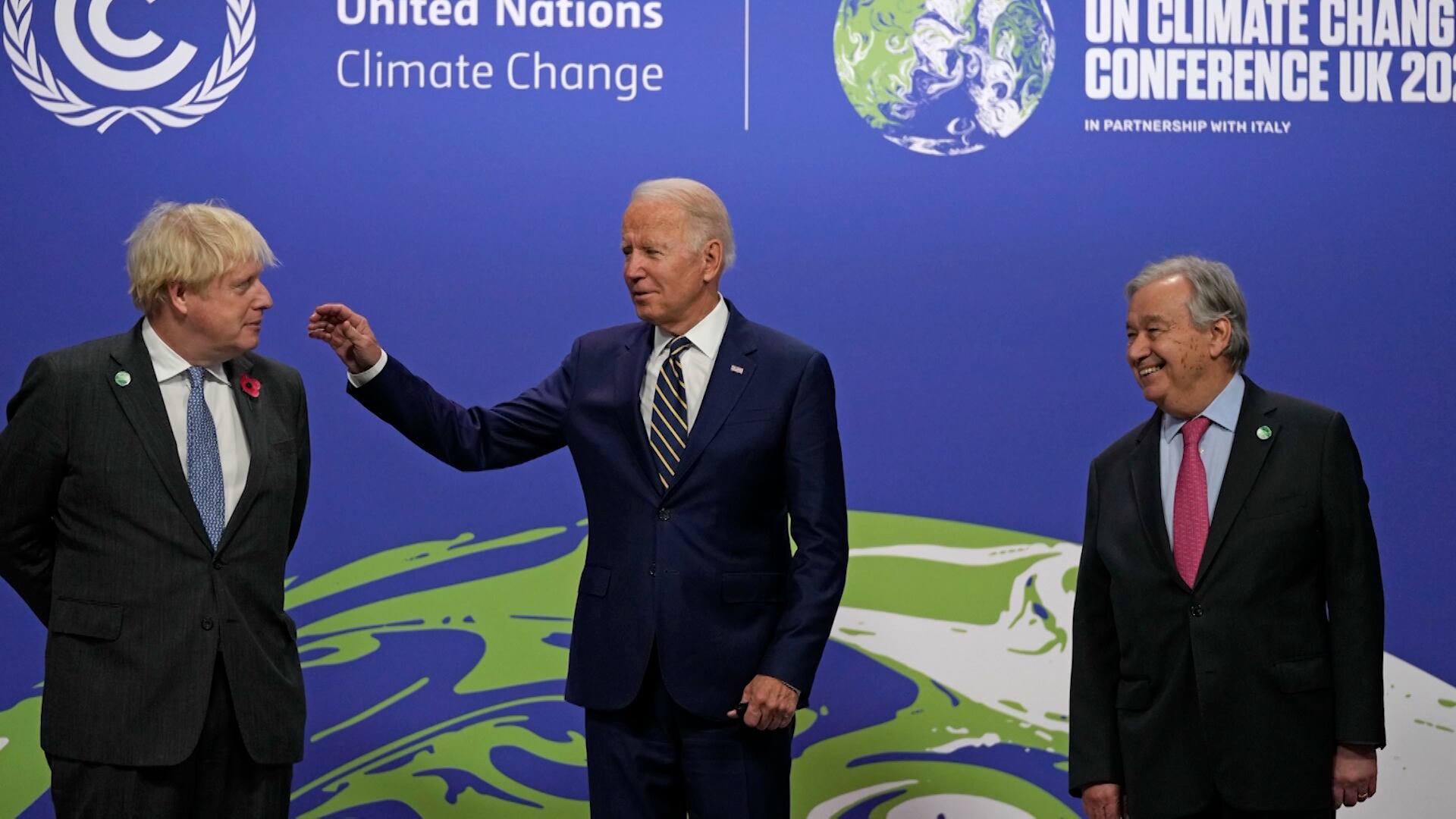
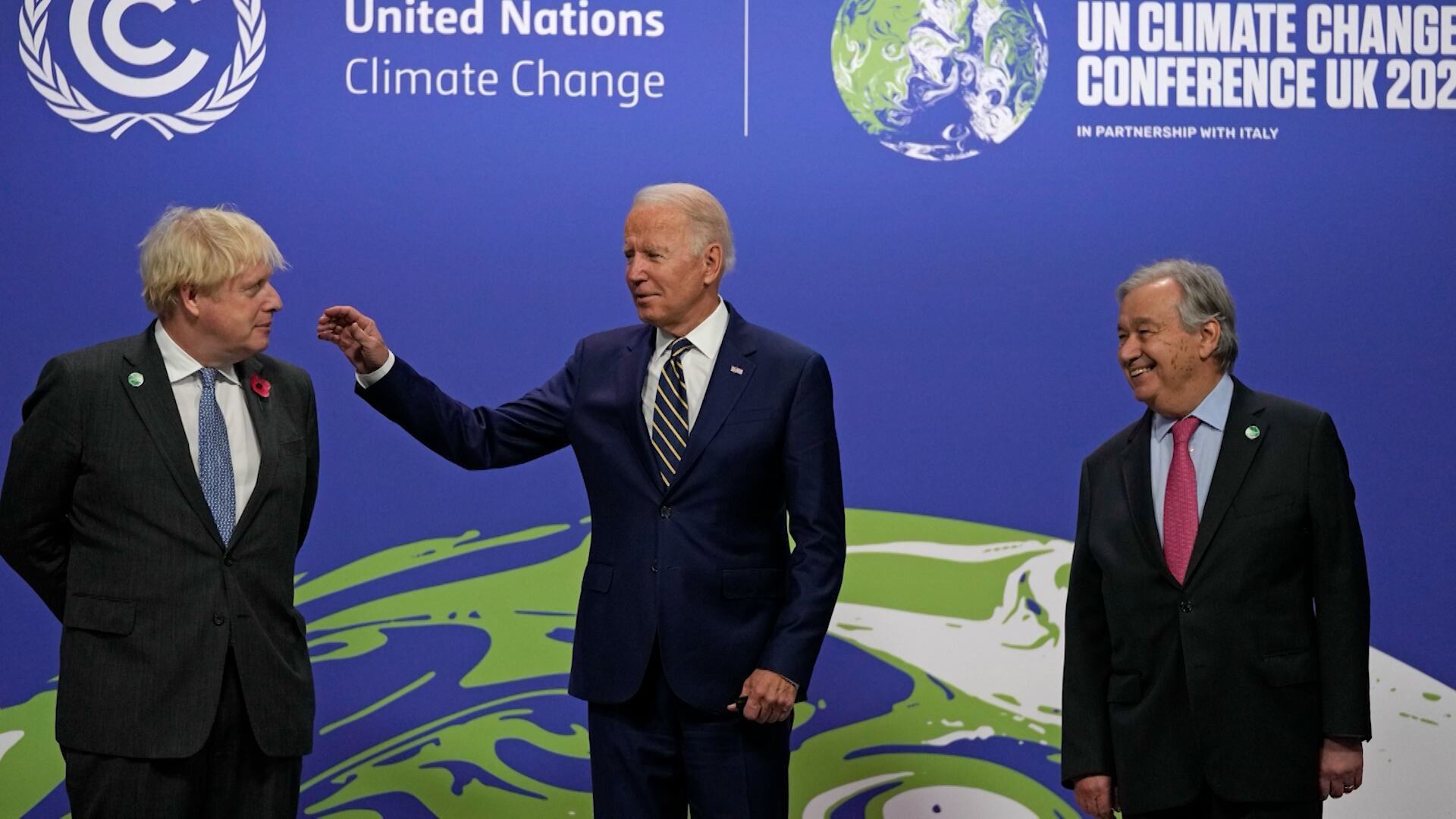
The two-week COP26 climate conference has now ended with leaders reaching a deal, but so far the deal is getting mixed reviews from climate experts across the globe. Chloe Demrovsky, president and CEO of Disaster Recovery Institute International, explains that while the agreement is a step forward in some ways, the world still has much more to work on in order to keep warming to below 2 degrees Celsius.
Jill and Carlo cover the latest with the infrastructure bill, the growing state rebellion over boosters, Trump's dereliction of duty on the pandemic, Taylor Swift's reign of cultural domination and more.
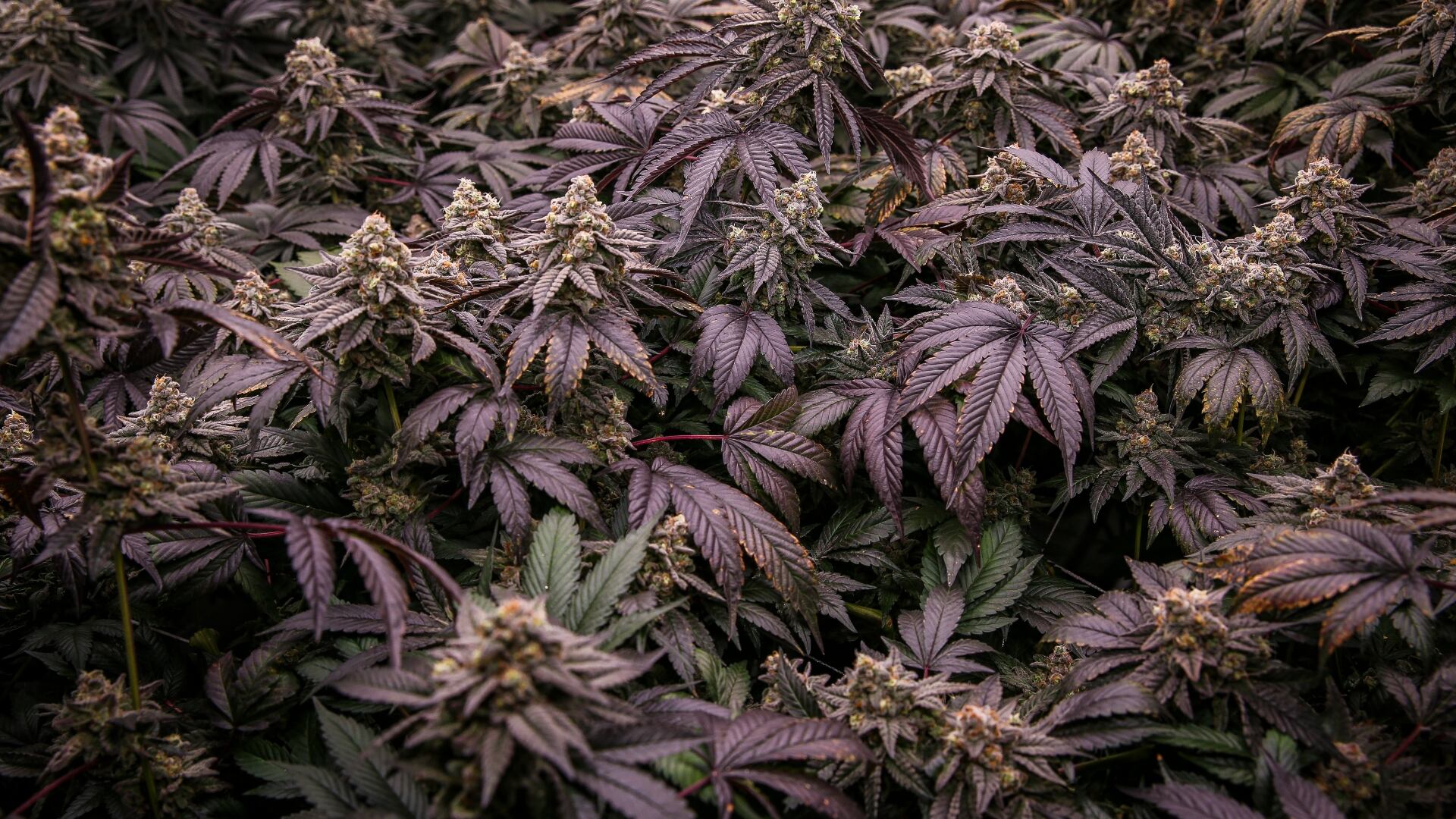
Aurora Cannabis CEO Miguel Martin joins Cheddar News' Closing Bell to discuss the company's latest earnings results, how it will achieve positive EBITDA by 2023, and the state of the cannabis industry amid potential U.S. federal legalization.
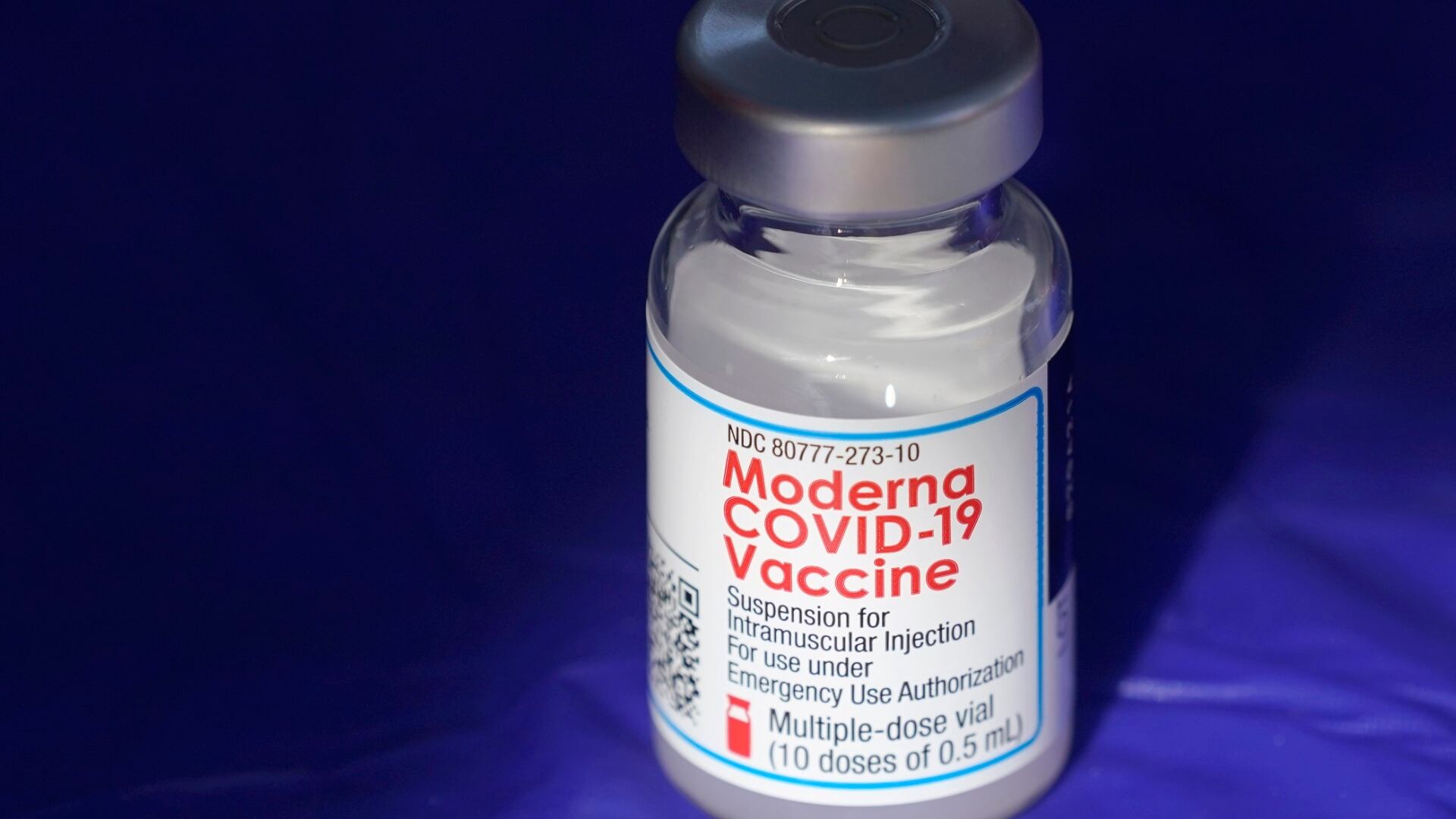
Moderna is defending its COVID-19 vaccine after a study found an increase in reports of myocarditis, which is an inflammation of the heart, in males ages 12 to 29 — about 13.3 cases in every 100,000 subjects. The pharmaceutical giant said the benefits of the vaccine outweigh the risk of the possible negative side effect.
The parent company of North Face, Vans and Supreme, VF Corp, released its fourth annual "Made for Change" sustainability and responsibility report. It details the company's ongoing efforts to tackle social and climate related issues. This comes as climate experts continue to warn about the dangers of fast fashion and its impact on global CO2 emissions. Sean Cady, Vice President of Global Sustainability, Responsibility and Trade at VF Corporation, joins Cheddar News to discuss.
A jam-packed Freitag pod with Carlo and Baker: new Covid hotspots, Kyle Rittenhouse trial, Belarus making trouble for Europe, red-hot housing market, and how to manage a PR crisis the right way.
As the UN climate conference is set to wrap this week, we take a look at pledges that world leaders have signed onto so far and the most important developments to come out of COP26. Sandeep Pai, Senior Research Lead at the Just Transition Initiative, joins Cheddar Climate to discuss the most important global initiatives and biggest pledges made by global leaders, and whether or not they can truly make an impact if two of the world's biggest economies, China and Russia, did not attend and are not fully committed to major climate initiatives.
A group of health experts from around the world is issuing a dire warning about the climate crisis, saying that climate change is the greatest global health threat facing the world this century and is set to become the 'defining narrative of human health.' The Lancet medical journal stated that warning in its annual report, along with a policy brief for the United States detailing actions the country can take to stop millions of unnecessary deaths. Director of Climate for Health at EcoAmerica Rebecca Rehr joined Cheddar Climate to discuss.
The COP26 summit in Scotland is in its final days, and the U.N. has just released a draft of an agreement for more than 200 world leaders to sign on Friday. The draft urges nations to set more aggressive goals in cutting emissions, while also calling for coal to be phased out. Chloe Demrovsky, President and CEO of Disaster Recovery Institute International, joins Cheddar News to discuss this agreement.
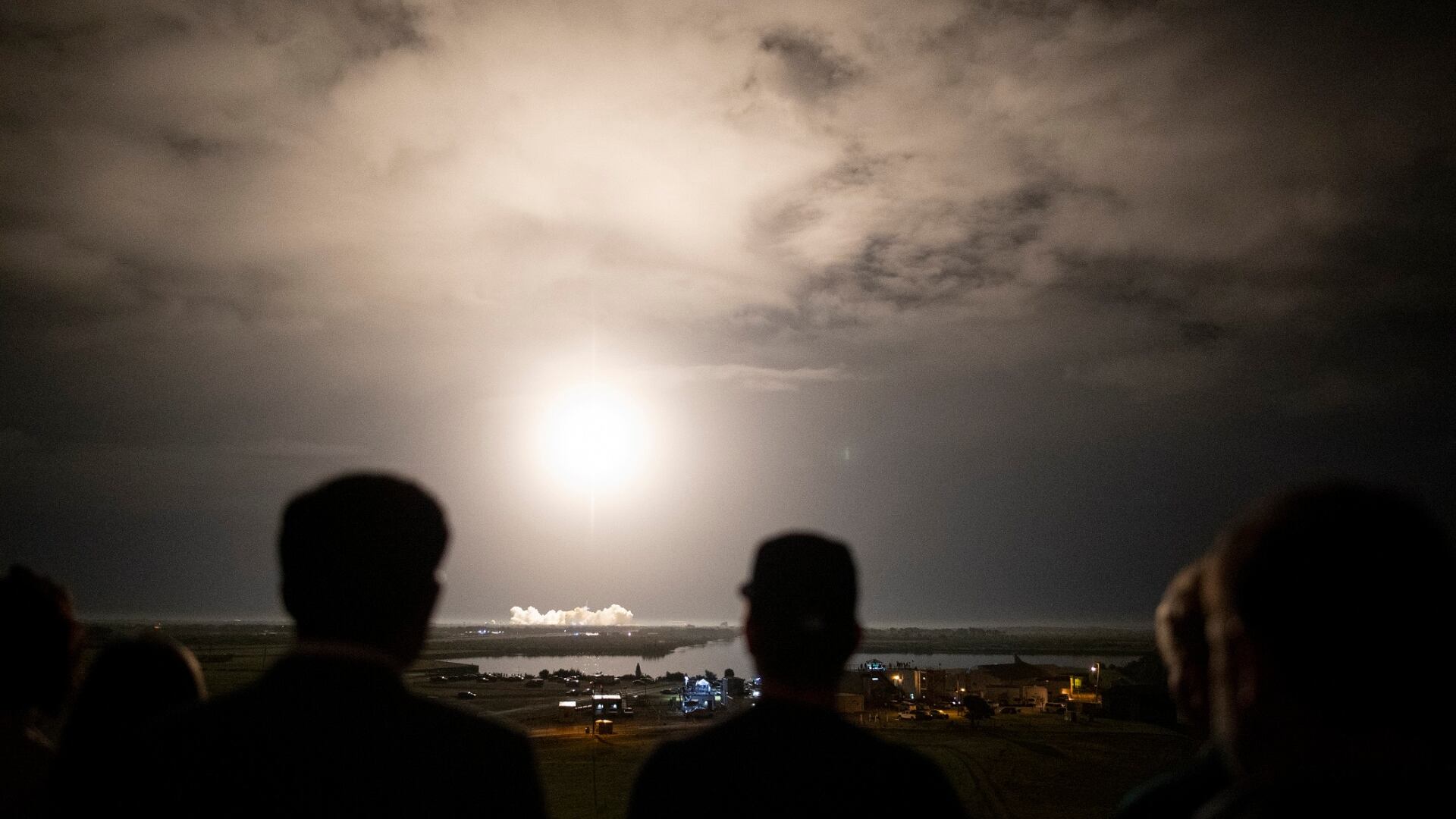
SpaceX and NASA have collaborated on another successful launch sending four astronauts to the international space station. The international crew will stay in orbit aboard the ISS for six months.