While the coronavirus has impacted millions of Americans across the United States, it has hit the elderly population particularly hard. In fact, more than 40 percent of coronavirus deaths in the U.S. have been linked to long-term care facilities, according to a New York Times survey. In an effort to bring those numbers down, pharmaceutical company Eli Lilly, in partnership with the National Institutes of Health (NIH), has just launched a late-stage antibody treatment trial focusing on residents and staff at nursing homes.
"COVID-19 has had a devastating impact on nursing home residents," Lilly's chief scientific officer Daniel Skovronsky said in a statement. "We're working as fast as we can to create medicines that might stop the spread of the virus to these vulnerable individuals."
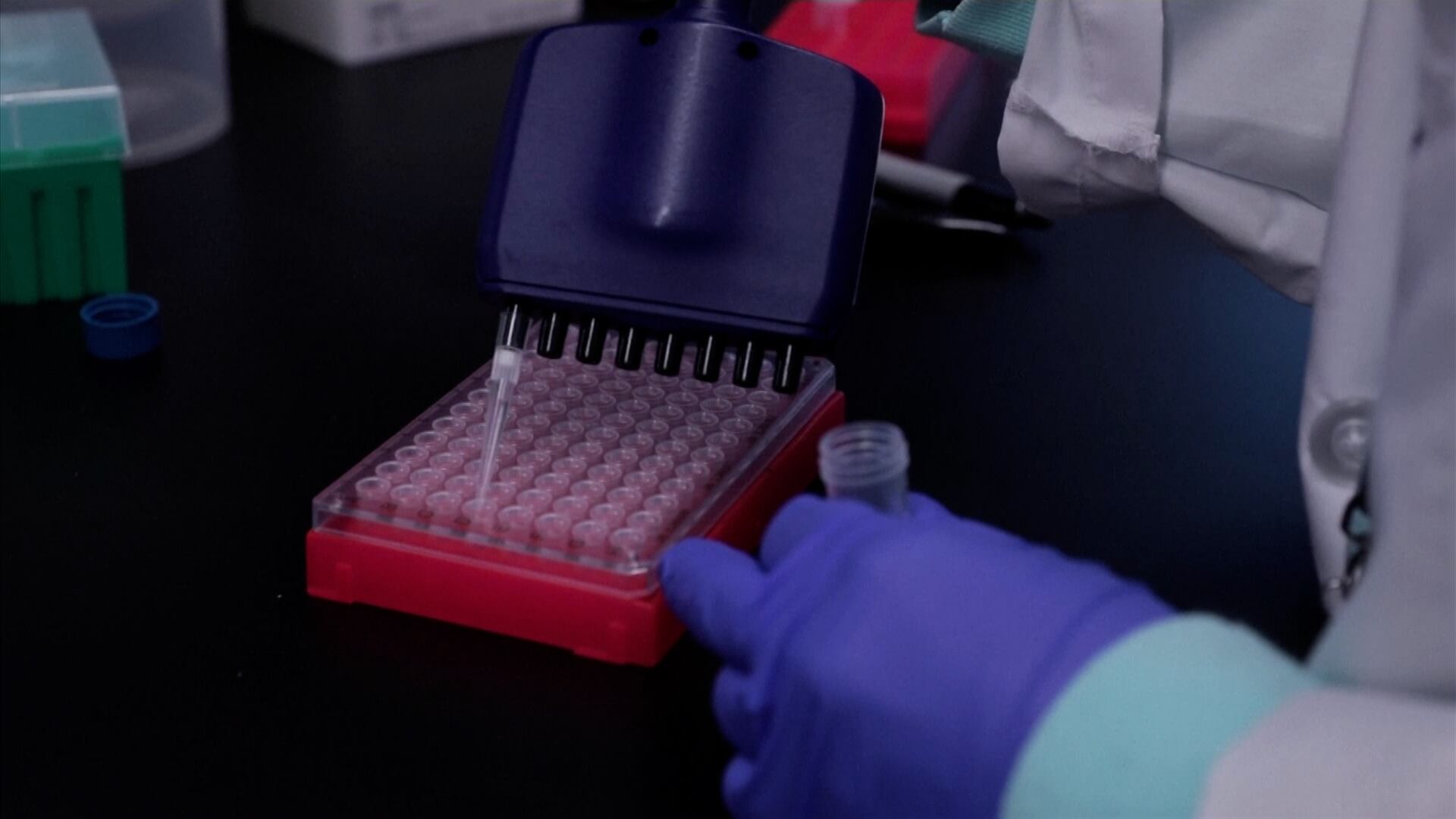
The trial is expected to enroll up to 2,400 participants who live or work at a facility and have recently been diagnosed with the disease. The trial will evaluate the safety and success of using LY-CoV555, a potent, neutralizing antibody that works against the spike protein of the novel coronavirus. The trial will look at whether a single dose of the antibody treatment reduces the rate of infection over four weeks as well as symptoms over eight weeks.
"The importance of these kinds of therapies for people like the elderly or immunocompromised is that they can provide the hope and the safety net that these people really need right now," said Andrew Adams, vice president of new therapeutic modalities & COVID-19 research at Eli Lilly, who is overseeing the trial. "I think people in those populations are really desperate and looking for something to help with the coronavirus."
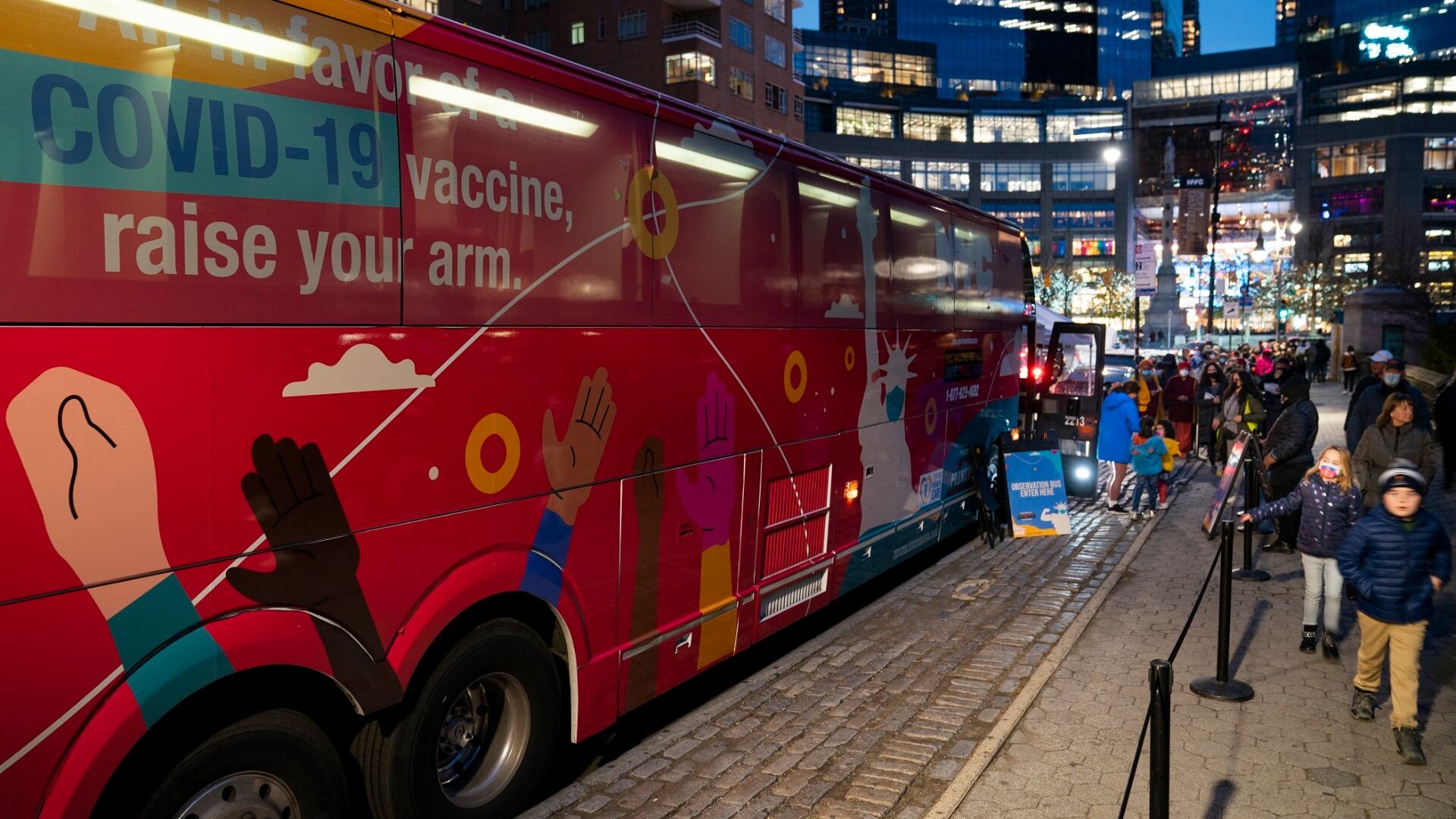
Eli Lilly is taking its trial on the road with customized mobile research units that can travel directly to areas that are experiencing outbreaks.
"This is an interesting solution, to bring the medicine to these vulnerable patients," said Adams. "This lets us be flexible and move these trials around the country, tracking these trials as we come across them."
Adams said he is hoping Eli Lilly will have results on the efficacy of these antibodies in the fourth quarter of this year. Even if successful, though, he says research for a vaccine needs to continue.
"These have to be thought of as more of a bridge, where a vaccine provides long-term protection in terms of years of immunity, where we will provide hopefully in the range of months with these types of treatments. We hope this to be a short-term bridge to the long-term effective vaccination," he said.
It’s no secret that the world is amidst a climate crisis never before seen in our time. And our excessive resource consumption is to blame. But just exactly what resources are to blame might surprise you. Hint: fossil fuels are only one part of the problem.
Dr. Robert Lahita, the director of Saint Joseph's Institute for Autoimmune and Rheumatic Diseases, joined Cheddar to discuss the latest on omicron as the new variant has popped up in more than a dozen states so far. He emphasized that vaccinations should remain the priority despite efficacy against the new variant being unknown at this point.
Six states have confirmed cases of the new Omicron coronavirus variant, and this number is expected to grow. Cheddar's Hena Doba speaks with Dr. William Schaffner,
Professor of Preventive Medicine at Vanderbilt University Medical Center, on the latest developments.
Just days after the detection of the Omicron variant, the World Health Organization has agreed to start the process of establishing a global pandemic treaty or accord. Amy Maxmen, senior reporter for Nature, and Dr. Samuel Scarpino, managing director for the Rockefeller Foundation's Pandemic Prevention Institute, joined Cheddar to discuss this effort and what lessons can be learned from the many COVID-19 failures as the world prepares for future pandemics.
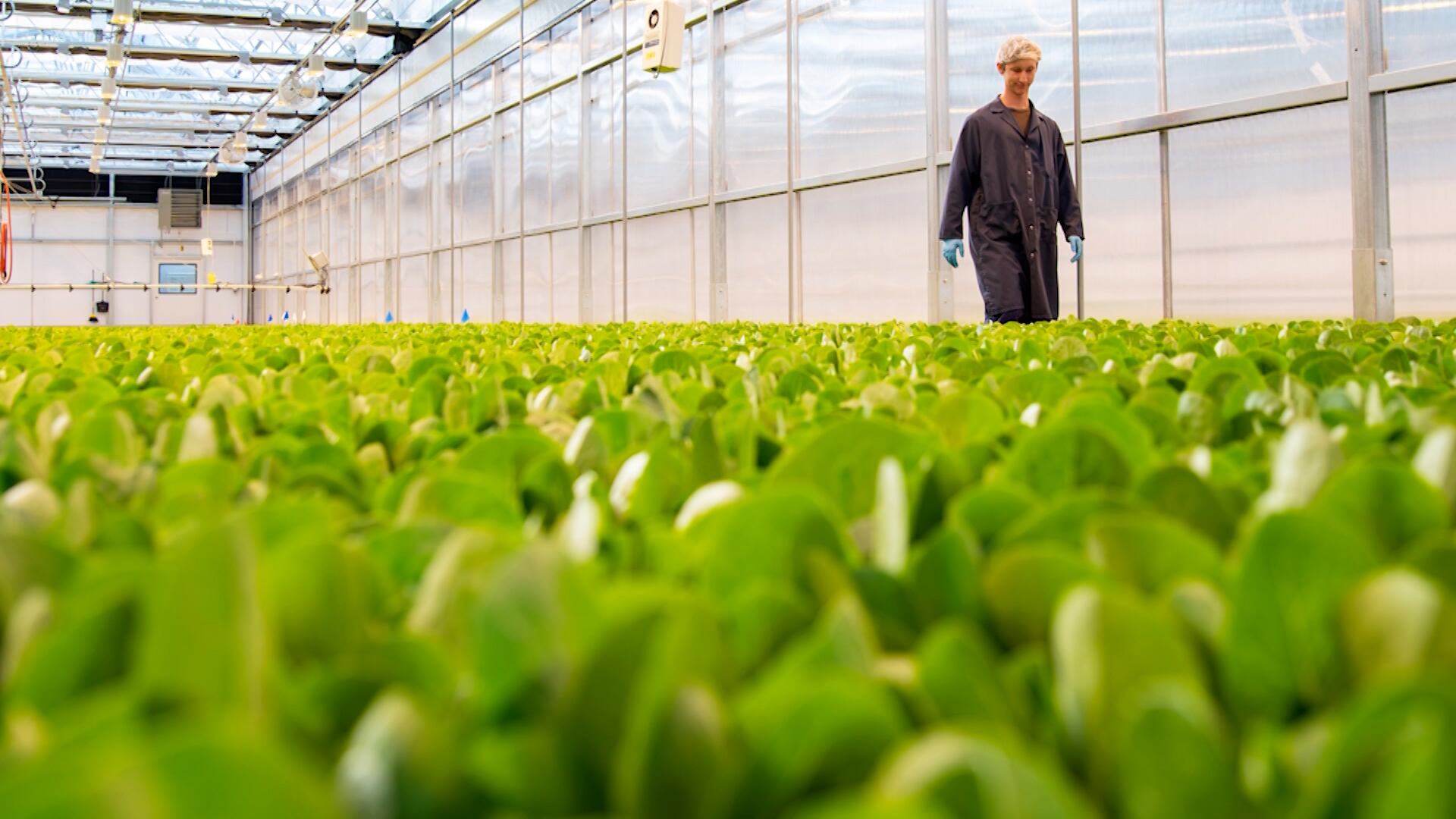
Local Bounti rang the opening bell December 3 in honor of its recent trading debut on the NYSE after closing a $1.1 billion SPAC deal. The company operates an indoor growing facility in Montana and aims to transform the production and delivery of local, fresh and sustainably-grown leafy greens. Craig Hurlbert, co-founder and co-CEO of Local Bounti, joined Cheddar to discuss the company's goals as a newly publicly-traded company.
Stephan Winkelmann, president of Bugatti Automobiles and CEO of Lamborghini, stopped by Cheddar to talk about Lamborghini's 2021 success after the luxury automaker set a company sales record on more than 6,9000 vehicles delivered. With climate change top of mind for the auto industry, Winkelmann also talked about Lamborghini's commitment to hybridizing its entire fleet. Still, when it comes to supercars, the legacy brand isn't quite ready to give up gasoline power, and according to the CEO, three new combustion engine vehicles will be available in 2022.
New York officials have confirmed five omicron COVID-19 cases in New York City and on Long Island after a Minnesota man who tested positive for the same variant said he attended a convention in November at the Jacob Javits Center in Manhattan.
It's Friday at long last. Jill and Carlo cover the latest on Omicron, including a possible superspreader event in NYC. Plus, previewing the November jobs report, a new Zoom feature no one asked for, and when it's no longer a good idea to eat Thanksgiving leftovers.
Three cases of the new omicron COVID-19 variant have been confirmed in the U.S. Cheddar speaks with global infection disease specialist Dr. Rajeev Fernando on how to prepare for a possible new coronavirus wave.