By Matt O'Brien
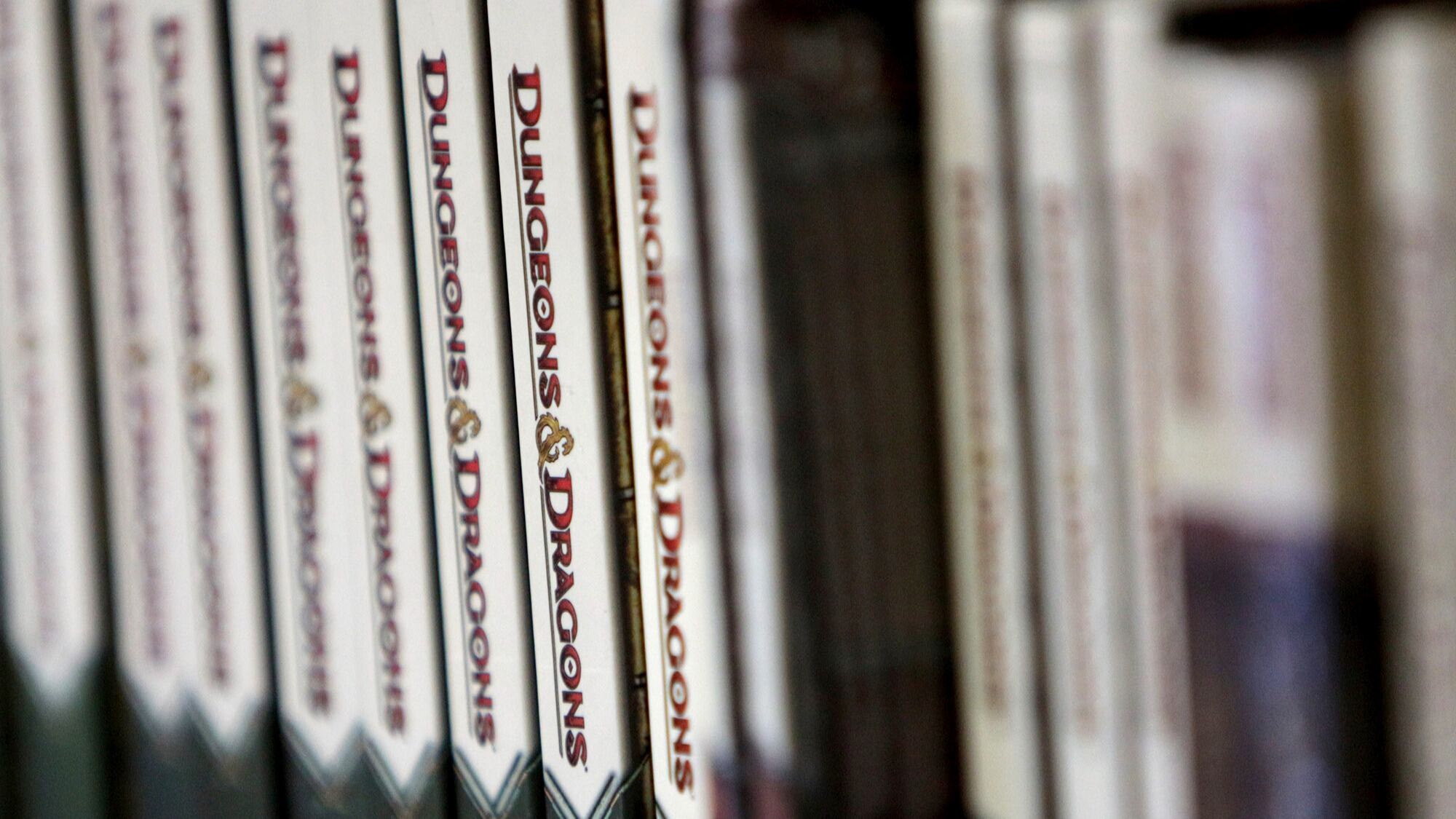
The Dungeons & Dragons role-playing game franchise says it won't allow artists to use artificial intelligence technology to draw its cast of sorcerers, druids and other characters and scenery.
D&D art is supposed to be fanciful. But at least one ax-wielding giant seemed too weird for some fans, leading them to take to social media to question if it was human-made.
Hasbro-owned D&D Beyond, which makes online tools and other companion content for the franchise, said it didn't know until Saturday that an illustrator it has worked with for nearly a decade used AI to create commissioned artwork for an upcoming book. The franchise, run by the Hasbro subsidiary Wizards of the Coast, said in a statement that it has talked to that artist and is clarifying its rules.
“He will not use AI for Wizards' work moving forward,” said a post from D&D Beyond’s account on X, formerly Twitter. “We are revising our process and updating our artist guidelines to make clear that artists must refrain from using AI art generation as part of their art creation process for developing D&D."
Today's AI-generated art often shows telltale glitches, such as distorted limbs, which is what caught the eye of skeptical D&D fans.
Hasbro and Wizards of the Coast didn’t respond to requests for further comment Sunday. Hasbro bought D&D Beyond for $146.3 million last year. The Rhode Island-based toy giant has owned Wizards of the Coast for more than two decades.
The art in question is in a soon-to-be-released hardcover book of monster descriptions and lore called “Bigby Presents: Glory of the Giants.” The digital and physical version of the package is selling for $59.95 on the D&D website and due for an Aug. 15 release.
The use of AI tools to assist in creative work has raised copyright and labor concerns in a number of industries, helping to fuel the Hollywood strike, causing the music industry's Recording Academy to revise its Grammy Awards protocols and leading some visual artists to sue AI companies for ingesting their work without their consent to build image-generators that anyone can use.
Hasbro rival Mattel used AI-generated images to help come up with ideas for new Hot Wheels toy cars, though it hasn't said if that was more than an experiment.