Credit card debt in America has reached $905 billion dollars, according to a recent NerdWallet survey. Kimberly Palmer, Personal Finance Expert at the company, joins Cheddar to explore some of the reasons behind the increase.
Two categories have outpaced income growth over the past decade: medical expenses and food. Healthcare costs, in fact, have increased by 34% while income has only grown by 20%. She gives some alternatives for how to pay off those expenses without whipping out the credit card.
Plus, people always say you're throwing out money when you rent a home, but how much money are homeowners throwing away in credit card interest? Palmer says that a house may be a great asset, but owners tend to ring up double the amount of credit card interest versus renters when spending on things like upkeep.
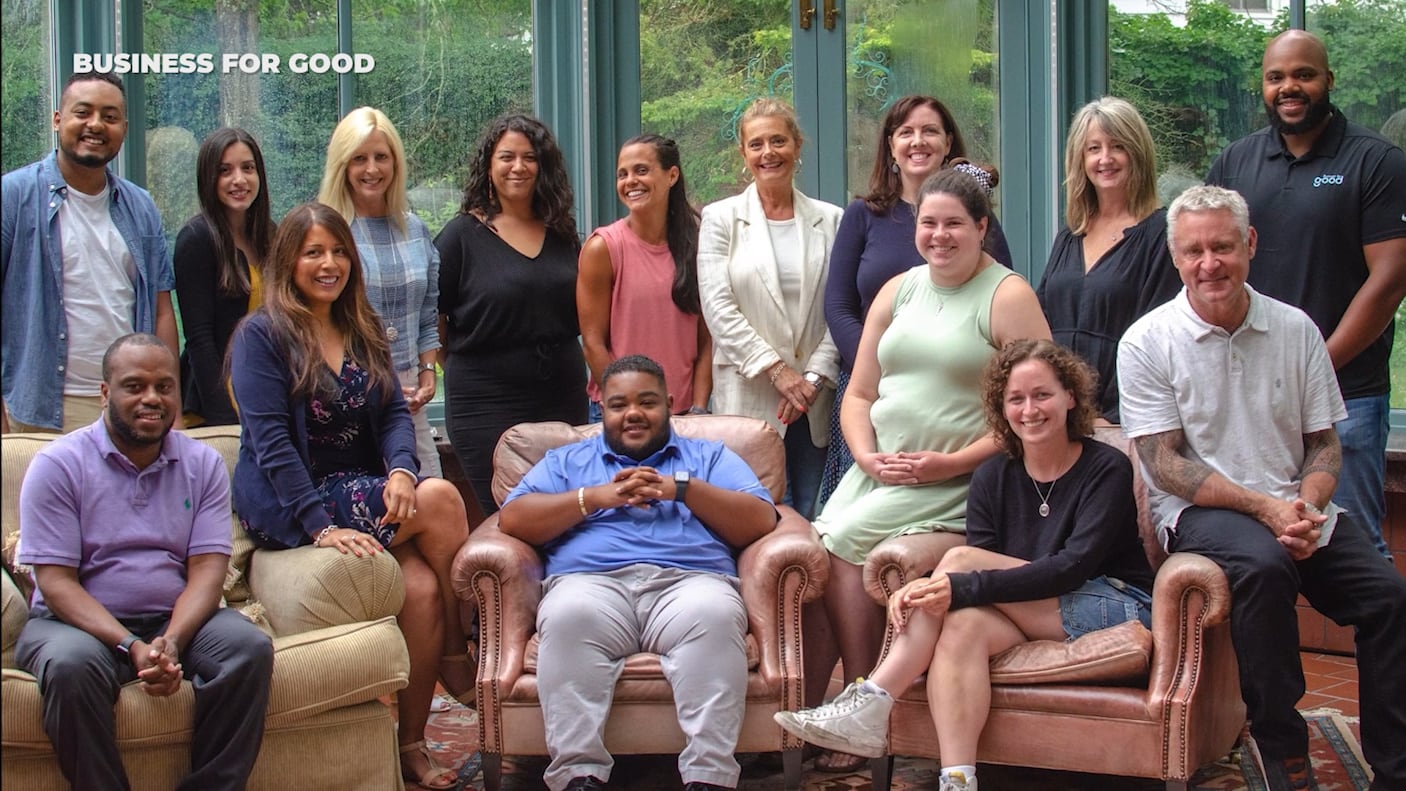
Ed Mitzen, the CEO of Business for Good, explains how and why he’s giving back by funding businesses from marginalized entrepreneurs to push social change.
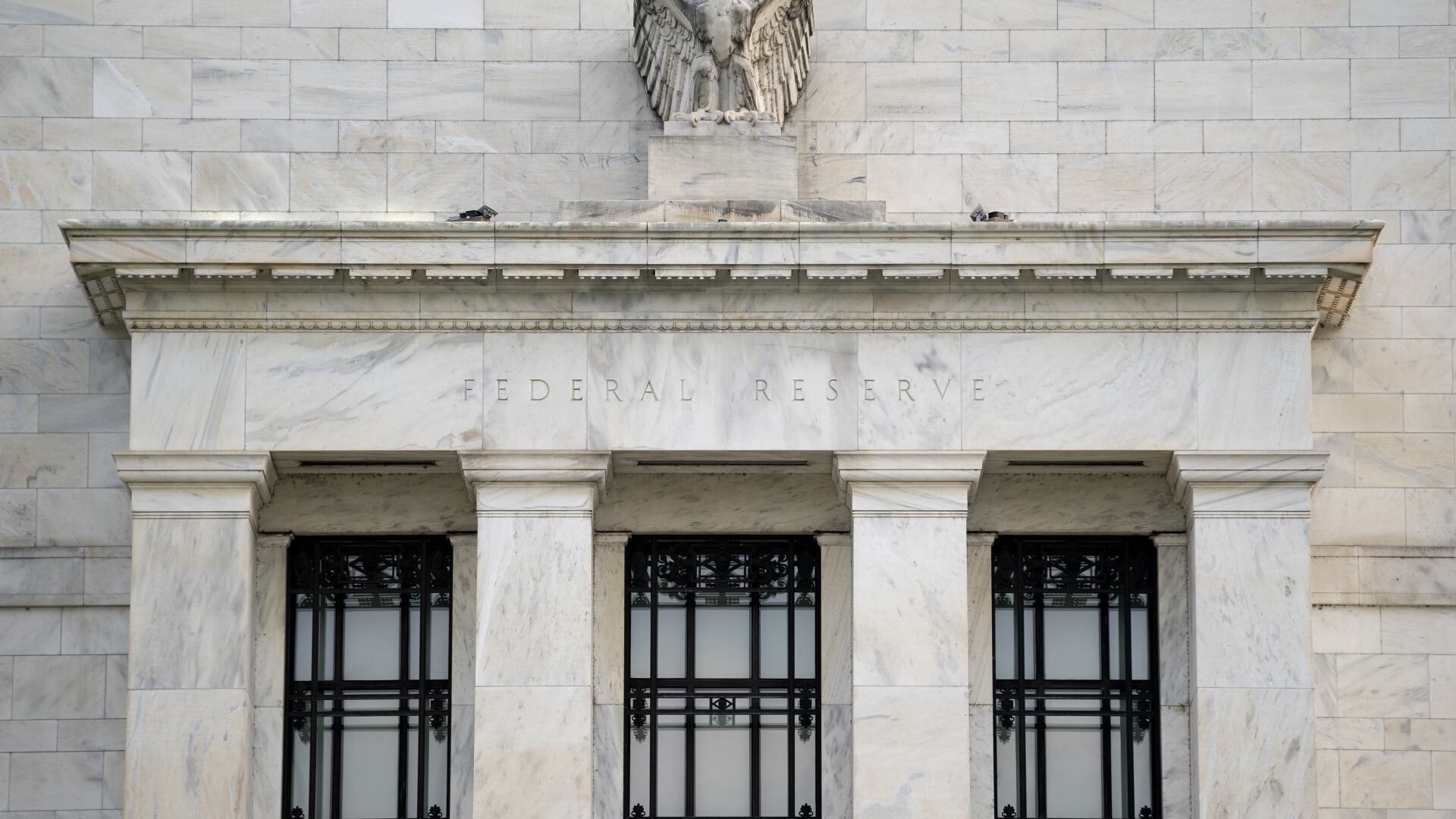
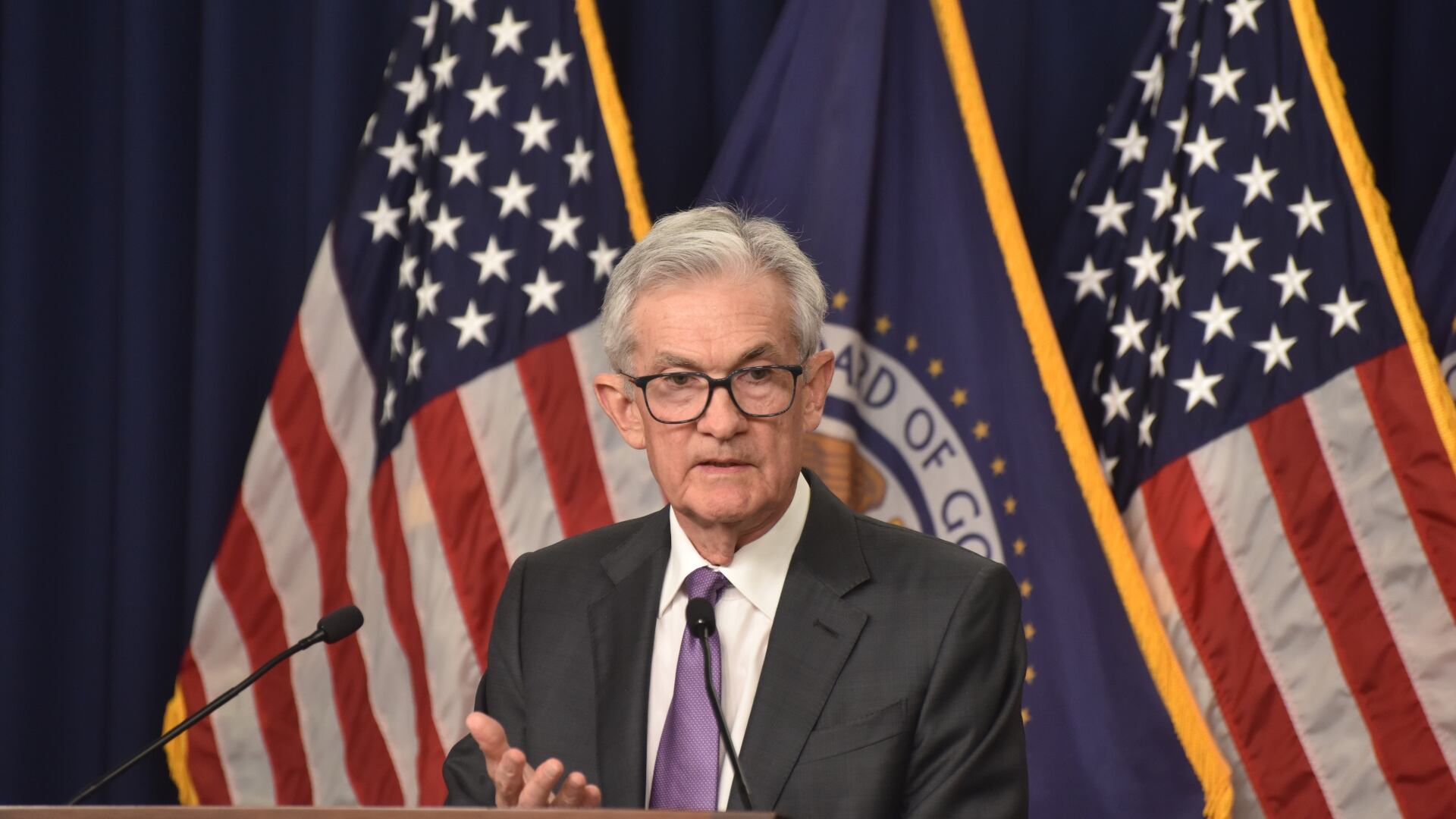
Dana D’Auria, co-CIO at Envestnet, breaks down how she’s expecting markets to perform as ‘cracks’ from the rate hike cycle slowly filter into the economy.
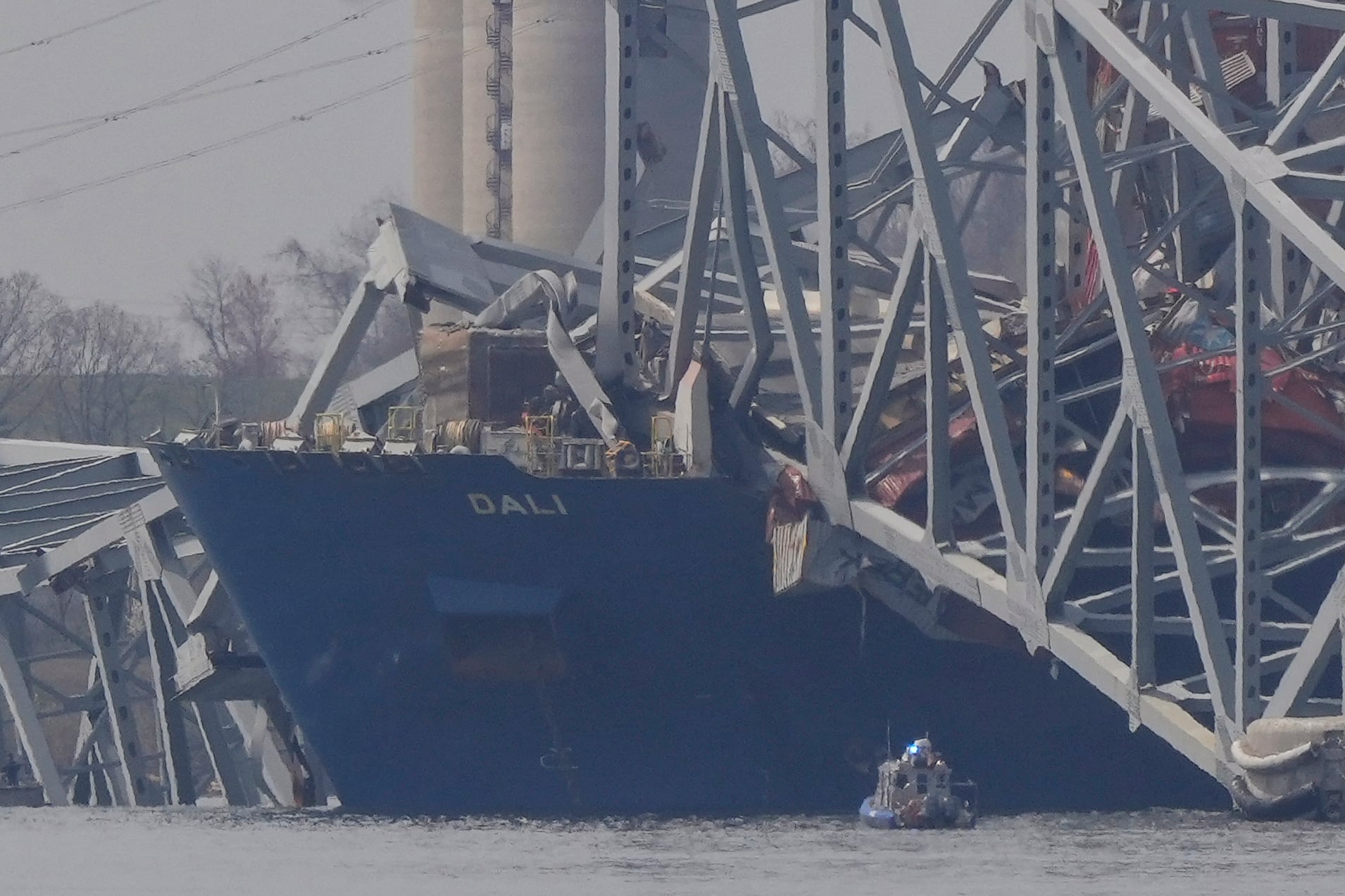
A large cargo ship lost power and issued a mayday call moments before it struck the Francis Scott Key Bridge early Tuesday, though it was still moving toward the span at a rapid speed.
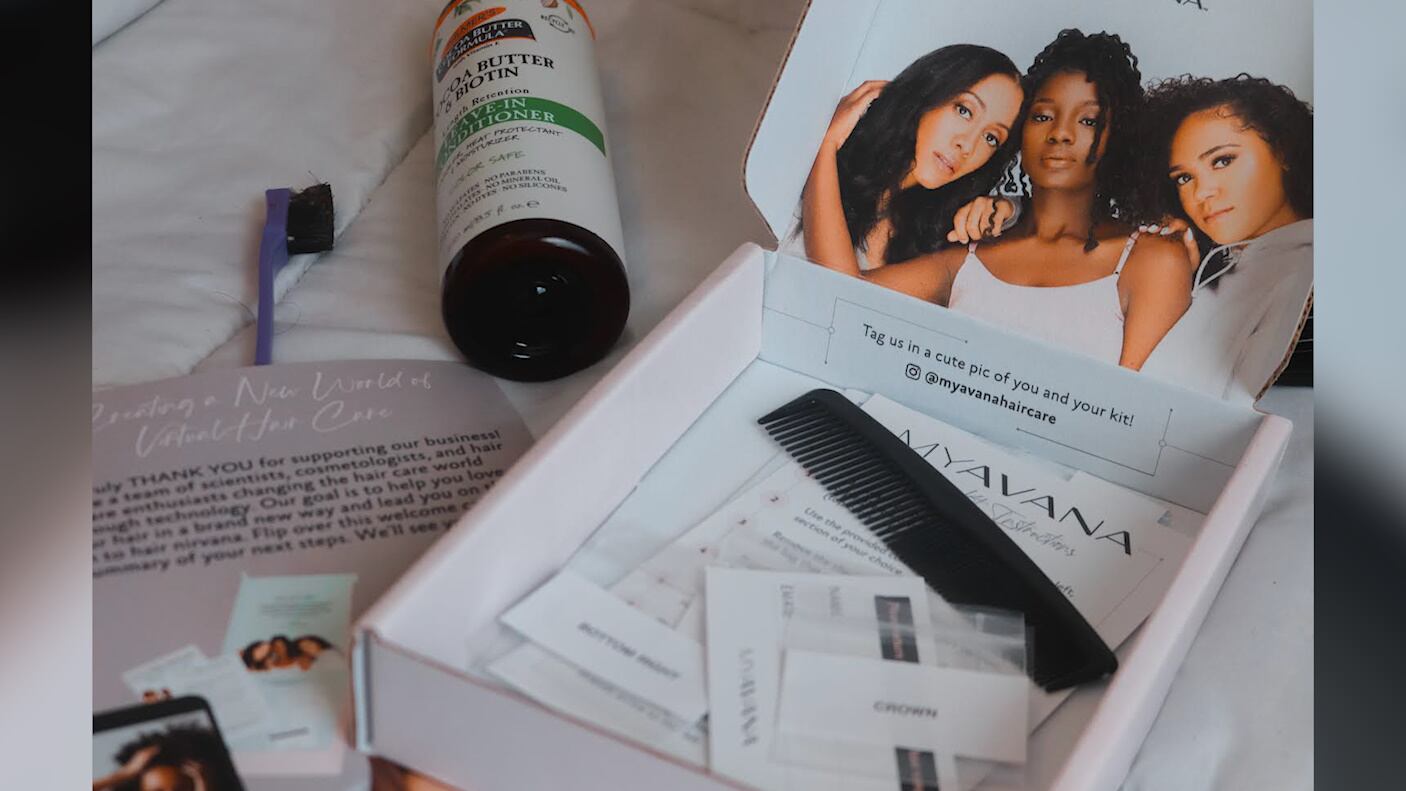
Candace Mitchell Harris discusses her path from computer scientist to founder of beauty tech tool MYAVANA – and how it uses A.I. to analyze each person’s unique haircare needs.
Michael Harris, NYSE global head of capital markets shares what to expect from IPOs in 2024, including A.I. excitement and why interest rate cuts are always helpful.
Lacy Garcia, Founder & CEO of Willow, shares why women, traditionally underserved by fintech, are looking for trust and a personal relationship from their financial advisor.
Alexander Reed, CFA and CIO for Envisage Wealth, breaks down why he thinks rates could stay higher for longer and why real estate, utilities, and regional banks are sectors to avoid.
Big brands that have relied on TikTok videos to reach younger consumers do not appear to be panicking as they wait to see what happens. But they have started planning.
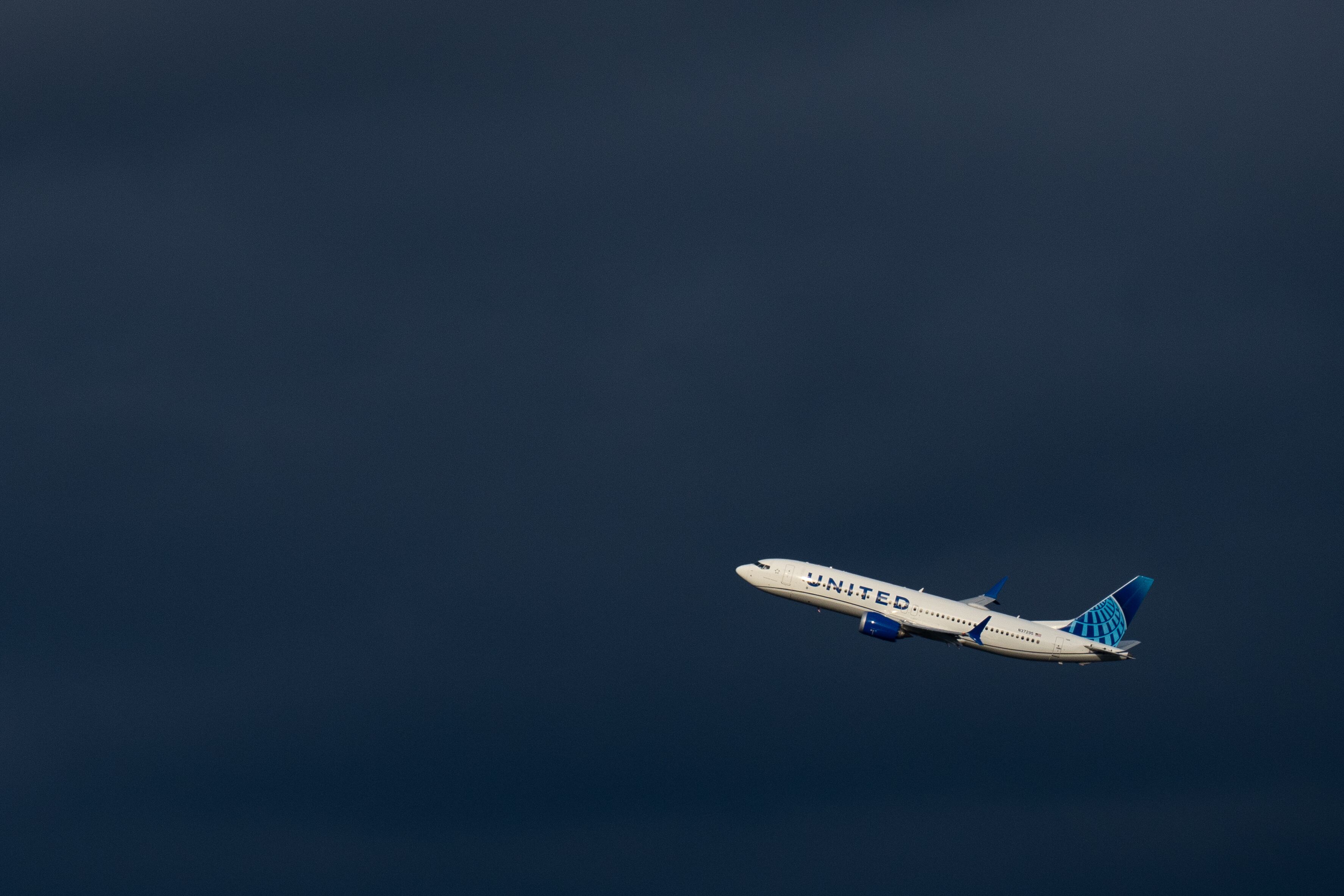
It's been 15 years since the last fatal crash of a U.S. airliner, but you wouldn't know that from a torrent of flight problems that made news in the last three months.