Here we go again: COVID-19 hospital admissions have inched upward in the United States since early July in a small-scale echo of the three previous summers.
With an updated vaccine still months away, this summer bump in new hospitalizations might be concerning, but the number of patients is far lower than before. A look at what we know:
HOW BAD IS THE SPIKE?
For the week ending July 29, COVID-19 hospital admissions were at 9,056. That's an increase of about 12% from the previous week.
But it's a far cry from past peaks, like the 44,000 weekly hospital admissions in early January, the nearly 45,000 in late July 2022, or the 150,000 admissions during the omicron surge of January 2022.
“It is ticking up a little bit, but it’s not something that we need to raise any alarm bells over,” said Dr. David Dowdy, an infectious disease epidemiologist at Johns Hopkins Bloomberg School of Public Health.
It’s likely that infections are rising too, but the data is scant. Federal authorities ended the public health emergency in May, so the Centers for Disease Control and Prevention and many states no longer track the number of positive test results.
WHAT ABOUT DEATHS?
Since early June, about 500 to 600 people have died each week. The number of deaths appears to be stable this summer, although past increases in deaths have lagged behind hospitalizations.
HOW ARE WE TRACKING THE VIRUS?
The amount of the COVID-19 virus in sewage water has been rising since late June across the nation. In the coming weeks, health officials say they'll keep a close eye on wastewater levels as people return from summer travel and students go back to school.
Higher levels of COVID-19 in wastewater concentrations are being found in the Northeast and South, said Cristin Young, an epidemiologist at Biobot Analytics, the CDC's wastewater surveillance contractor.
“It’s important to remember right now the concentrations are still fairly low,” Young said, adding it's about 2.5 times lower than last summer.
“There are a couple that we’re watching, but we’re not seeing anything like delta or omicron,” Young said, referencing variants that fueled previous surges.
And mutations in the virus don't necessarily make it more dangerous.
“Just because we have a new subvariant doesn’t mean that we are destined to have an increase in bad outcomes," Dowdy said.
WHEN IS THE NEW VACCINE COMING?
This fall, officials expect to see updated COVID-19 vaccines that contain one version of the omicron strain, called XBB.1.5. It’s an important change from today’s combination shots, which mix the original coronavirus strain with last year’s most common omicron variants.
It's not clear exactly when people can start rolling up their sleeves for what officials hope is an annual fall COVID-19 shot. Pfizer, Moderna and smaller manufacturer Novavax all are brewing doses of the XBB update but the Food and Drug Administration will have to sign off on each, and the CDC must then issue recommendations for their use.
Dr. Mandy Cohen, the new CDC director, said she expects people will get their COVID-19 shots where they get their flu shots — at pharmacies and at work — rather than at dedicated locations that were set up early in the pandemic as part of the emergency response.
“This is going to be our first fall and winter season coming out of the public health emergency, and I think we are all recognizing that we are living with COVID, flu, and RSV," Cohen told The Associated Press last week. “But the good news is we have more tools than ever before.”
AP Medical Writers Lauran Neergaard and Mike Stobbe contributed to this report.
The Associated Press Health and Science Department receives support from the Howard Hughes Medical Institute’s Science and Educational Media Group. The AP is solely responsible for all content.
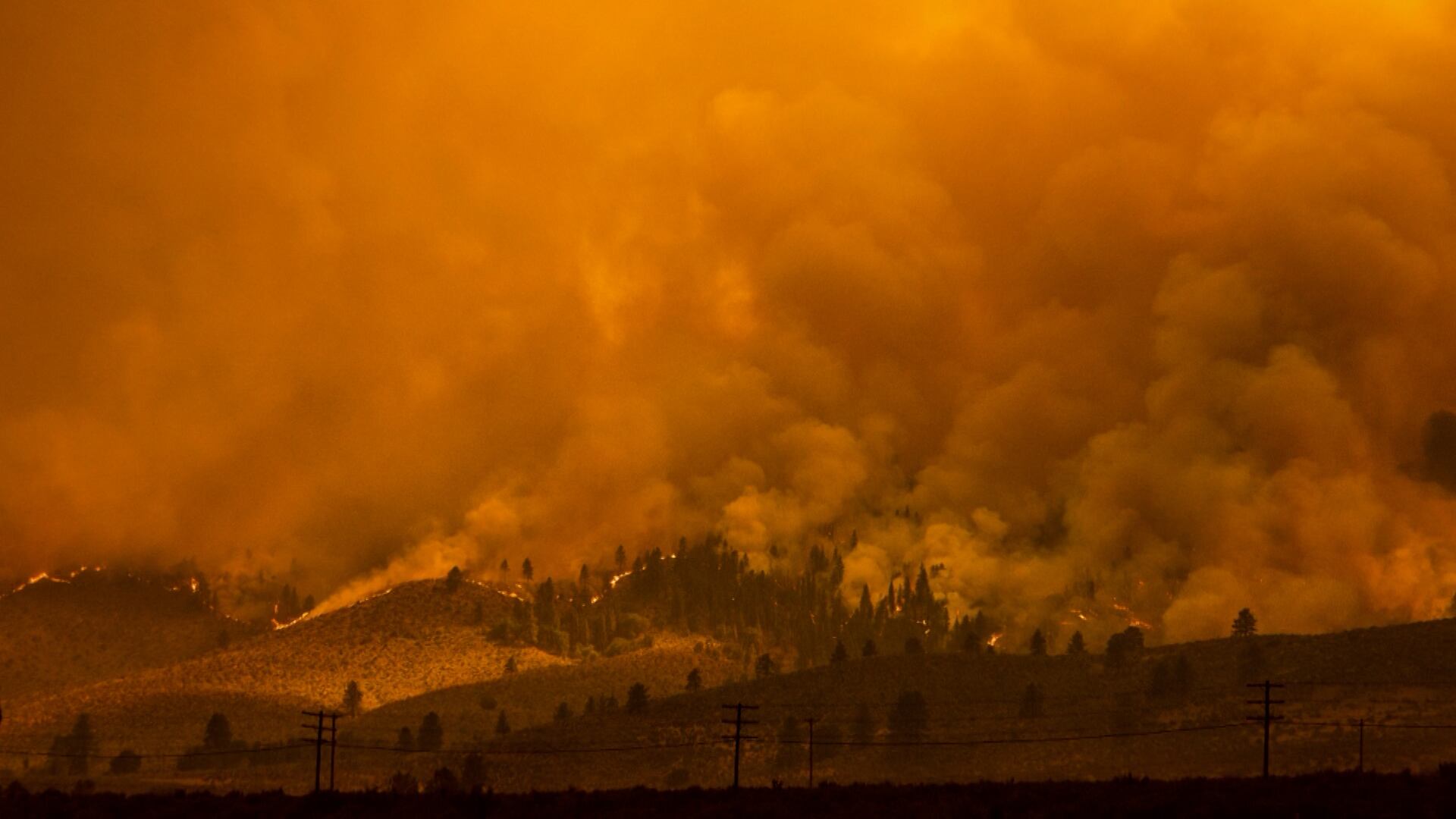
The Department of Agriculture has officially unveiled its plan to fight catastrophic wildfires that have devastated parts of the West in the last few years. The department, along with the Forest Service will work to significantly increase fuels and forest health treatments to address the escalating crisis of wildfire danger. Executive Editor of Cipher, a publication by Breakthrough Energy, Amy Harder, joined Cheddar to discuss more.
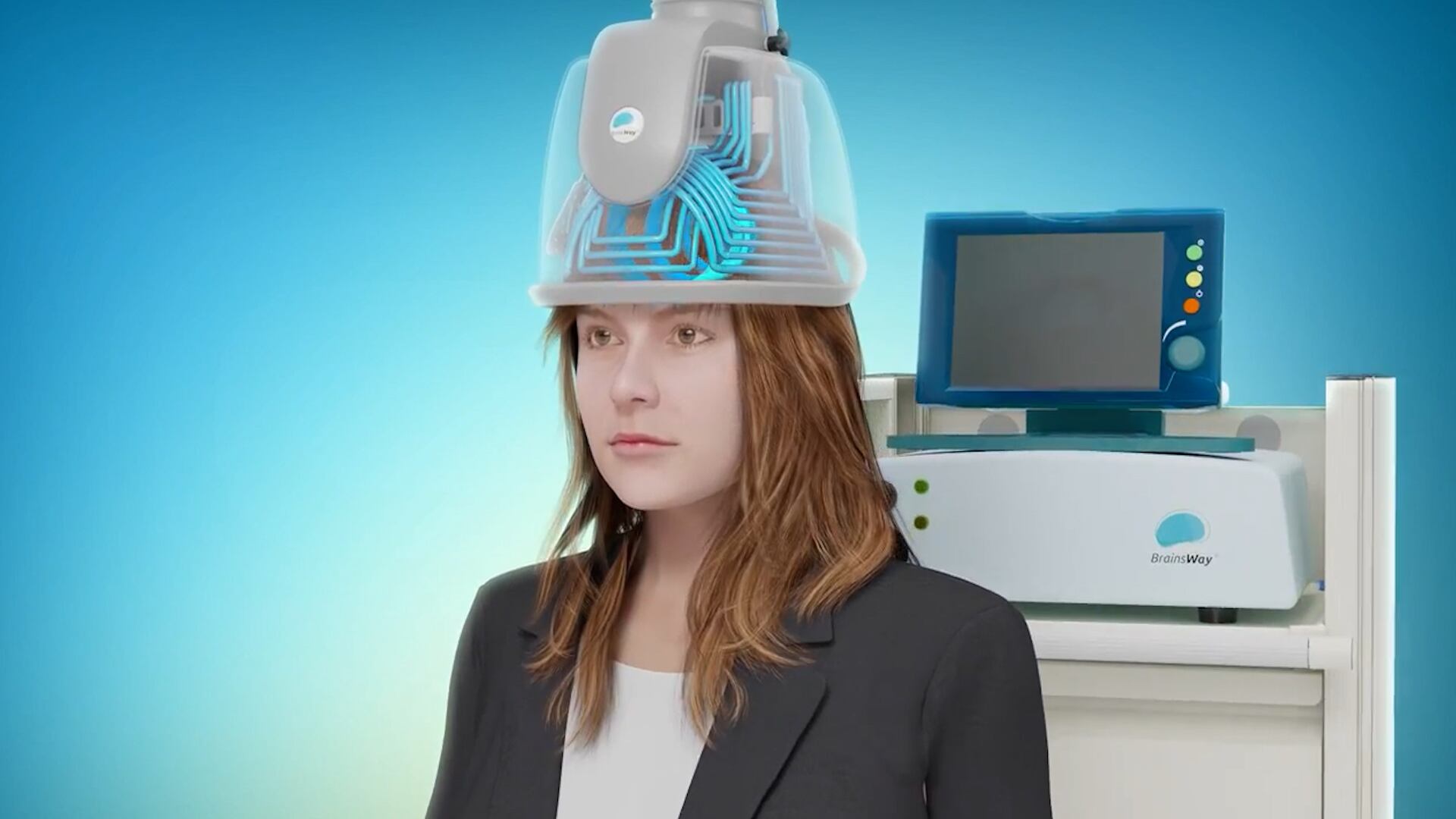
Brainsway, the medical device company that developed deep TMS, has been conducting clinical trials of the treatment in various psychiatric, neurological, and addiction disorders. Their most recent research suggests that deep TMS is an effective treatment for OCD. Christopher Von Jako, president and chief executive officer of Brainsway, joins Cheddar News to discuss.
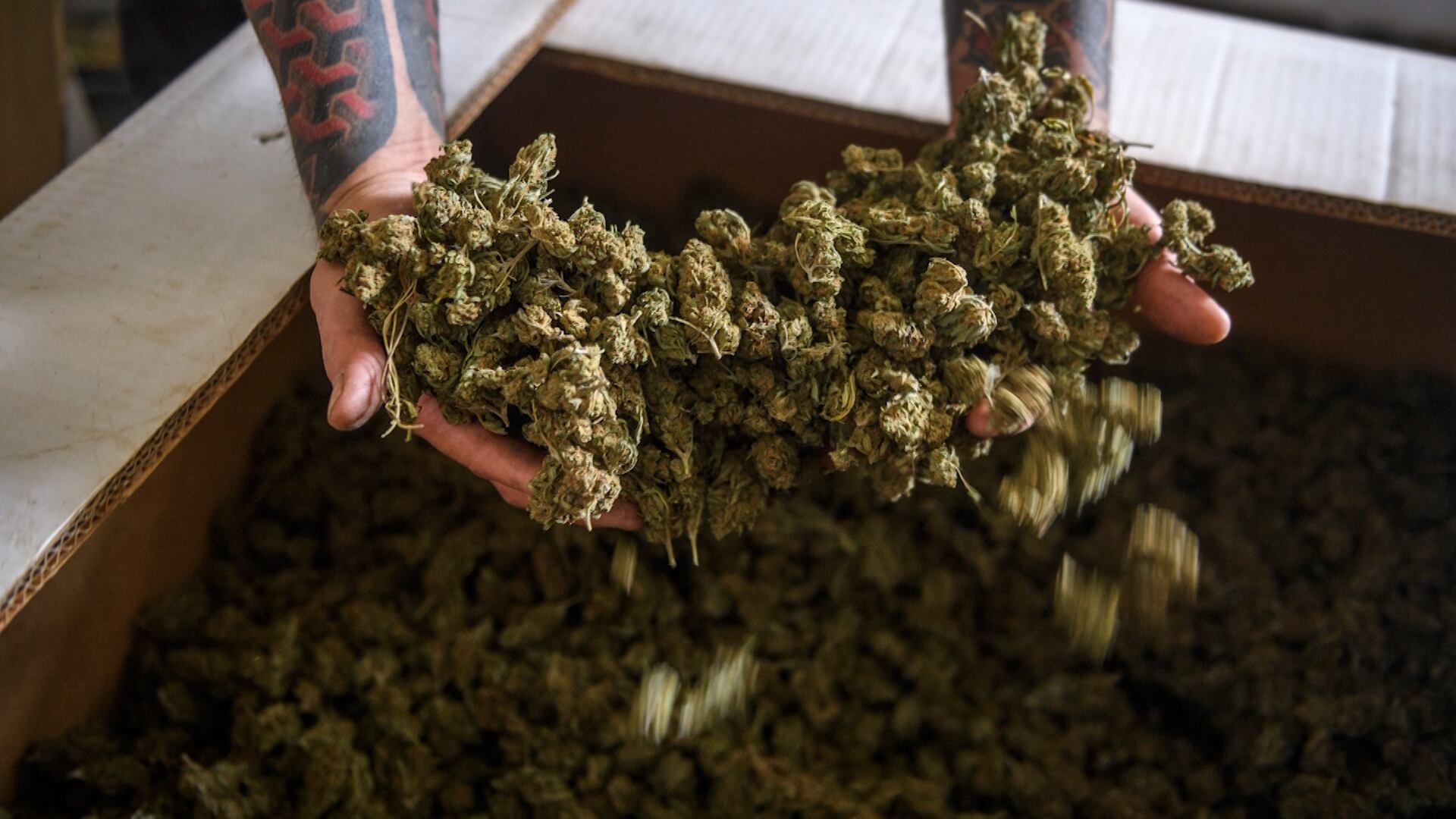
A new study has been causing a lot of buzz in the cannabis industry. Researchers from Oregon State University found that compounds in cannabis could prevent infection with COVID-19, but that doesn't mean smoking marijuana prevents people from getting infected. CV Sciences medical advisor Dr. Michael Lewis joined Cheddar News' Closing Bell to discuss.
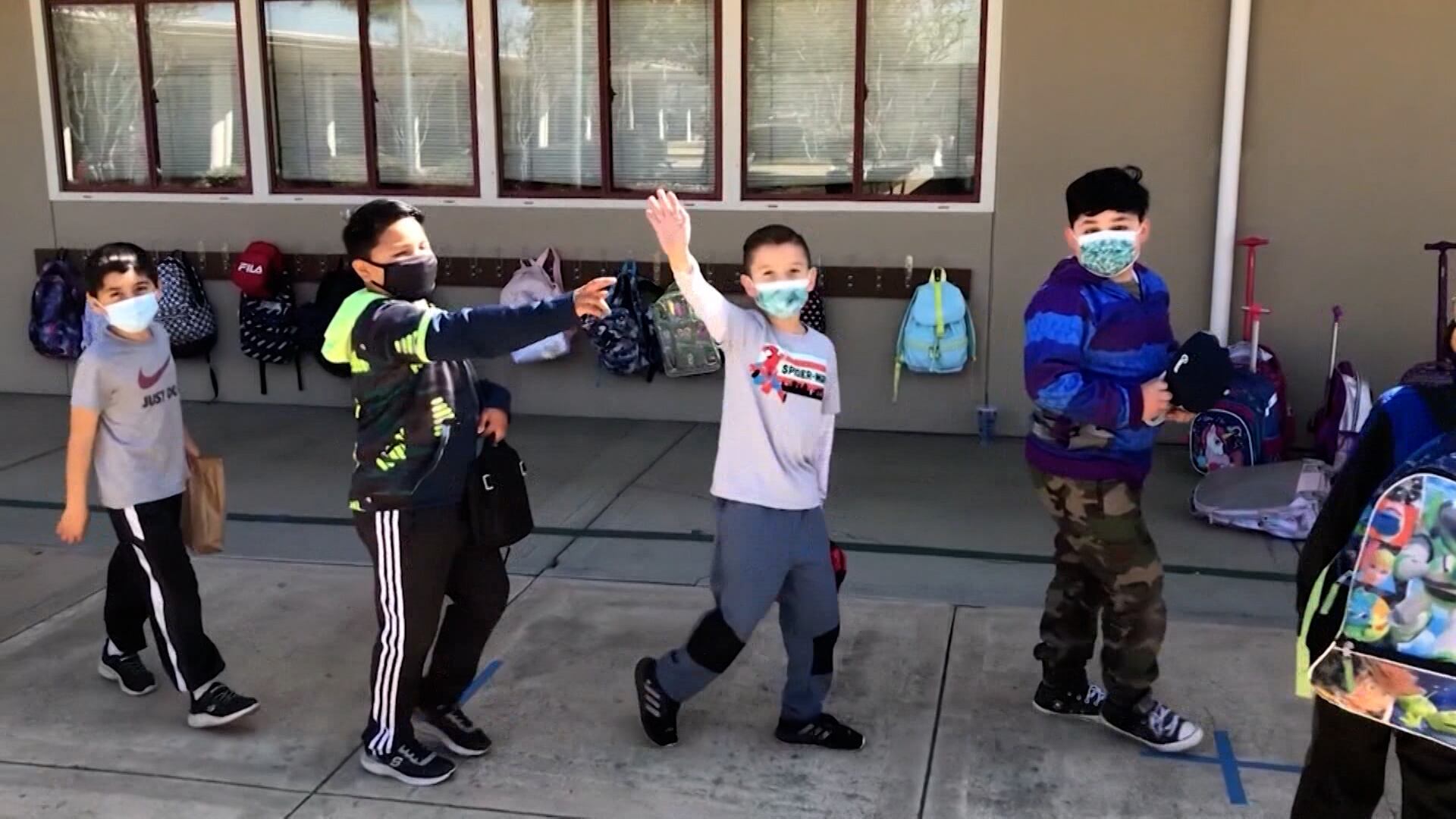
A new study published in "JAMA Pediatrics" looked at how staying home impacted the mental and physical health of students during the pandemic. The results from 11 different countries found across the board that children's mental health was affected, with increased depression and symptoms of anxiety. Cheddar News speaks with clinical psychologist Eileen Kennedy-Moore on how parents can best decide on whether to send their kids back to the classrooms during the surge of Covid-19 cases.
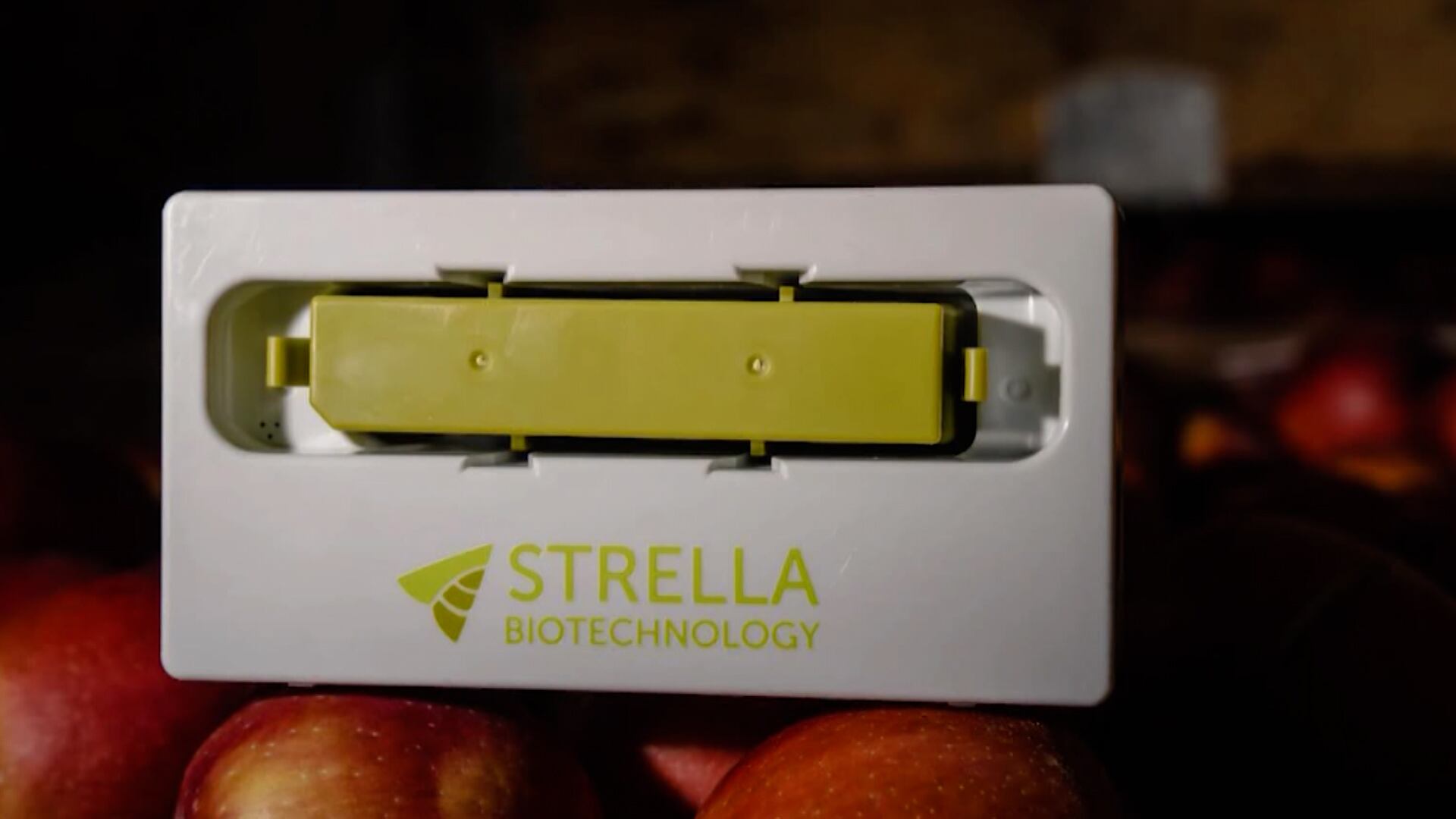
Food waste is a major contributor to greenhouse gas emissions in the United States. Strella Biotechnology is trying to solve the problem by introducing new technology to a business that's been around for generations -- farming. The 24-year-old CEO created hi-tech sensors that interpret the shelf life of produce and alert farmers when fruits and vegetables are ready to be sent to supermarkets. The company says the process can help farmers make money, reduce food waste and increase the quality of produce. Strella Biotechnology's co-founder and CEO Katherine Sizov and co-founder and COO Jay Jordan joined Cheddar Climate to discuss.
Adele Shraiman, Campaign Representative for the Sierra Club’s Fossil Free Finance Campaign, joins Cheddar Climate, where she explains how Wall Street and climate change are related. She also elaborates on how decisions made by financial institutions are actually hurting the ability to reduce carbon emissions.
Two reports from NASA and NOAA say that 2021 was the Earth's sixth-hottest year on record, part of a seven-year streak of the hottest years reported since the data has been recorded. Meanwhile, the U.S. experienced 20 separate billion-dollar climate-related disasters, including Hurricane Ida which cost $75 billion in its aftermath. These trends are moving upward at the same time. What could be in store for 2022? Chelsea Harvey, a reporter for E&E News, joins Cheddar Climate to discuss these federal reports, the monetary impact of climate disasters, and more.
Breakthrough Energy Catalyst, a private-public fund backed by Bill Gates, is planning to invest up to $15 billion in clean technology initiatives across the U.S., UK, and European Union. It will target four key areas and help fund large projects that otherwise would not be financially possible. Bobby Hollis, Director of Breakthrough Energy Catalyst, joins Cheddar News' Closing Bell to discuss.
Washington Post Climate Reporter Sarah Kaplan joined Wake Up With Cheddar to discuss a stark climate report that definitively shows the earth is getting warmer.
Chicago schools opened their doors again following a dispute between the teachers union and the city over as the omicron variant continues to surge, but the safety issues they fought over weren't just limited to the Windy City. Dr. Bayo Curry-Winchell, family medicine and urgent care doctor, joined Cheddar in discussing concerns of parents, teachers, and students as schools try to operate amid COVID and noted what she's been observing as the number of infections among children rises. "I am seeing them contract the illness from so many different aspects," she said. "It could be from a fellow classmate. It could be from a parent. All of those things really play in the effect of transmission as well as contracting the illness."