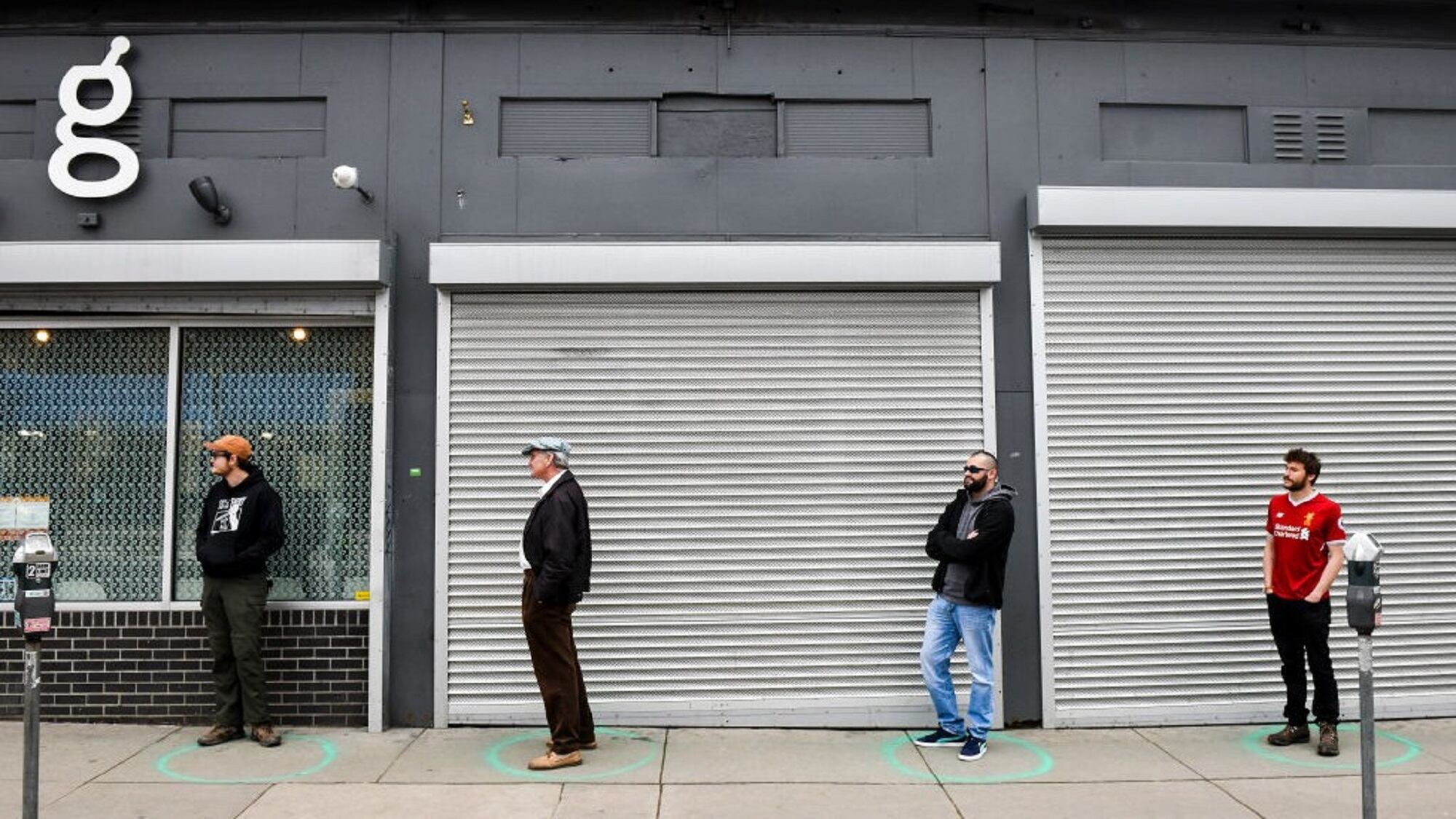
Panic-buying has reached the shelves of cannabis retail shops and dispensaries as authorities encourage — or require — consumers to stock up on essentials and limit their trips outside of the home.
“It appears that consumers didn't just stock up on toilet paper...they went and stocked up on adult-use cannabis, as well,” said Liz Connors, director of analytics for data and analytics company Headset. “We are seeing much bigger baskets, and I think that probably means people are stocking up. If people just consumed all that this weekend, it would be a really wild weekend.”
Consumption trends tracked by Headset show spikes in demand that coincide with the spread of coronavirus.
In Washington state, for example, one of the U.S. markets hit hard and early by the pandemic, cannabis sales surged between 14 percent and 33 percent on the weekend of March 13. The rush came shortly after Gov. Jay Inslee banned gatherings of more than 250 and just before he announced he would sign an emergency declaration shutting down restaurants and bars and capping groups at 50, The Seattle Times reported.
“We didn’t really have a lot of runs on our grocery stores until that weekend,” Connors said. “As more and more places get bans put on … [people were] going to stock up.”
The following Monday, March 16, in Oregon, sales surged 75 percent compared with previous Mondays. Meanwhile, the day before shelter-in-place orders hit seven Bay Area counties, California sales surged 56 percent as panicked shoppers rushed to dispensaries.
There’s evidence to support the idea that people are stocking but they’re buying different products than usual. In Washington, sales were driven less by the number of separate purchases, which only increased by about 6 percent, than by average ticket price, which was up about 22 percent. The percentage of big transactions -- those worth $150 or more -- jumped by about 60 percent last Friday, compared with the average Friday last month, Connors said.
“That’s a whole lot of weed,” she added.
In California, the types of products consumers are choosing has shifted quite a bit. The popularity of staple products like flower and pre-rolls — which are smoked and often shared —have slowed or even declined recently in favor of things like edibles, tinctures and beverages. Last Sunday, sales of edibles, tinctures and beverages shot up 44 percent, 20 percent, and 10 percent, respectively. Flower increased by only about 3 percent, whereas preroll sales declined 4 percent.
“Right now you don’t want to be sharing a joint with a bunch of people. Edibles are the easiest way to get high without touching your face a whole bunch,” Connors said. “Ingestibles for sure are doing better in this environment.”
The trend away from smoked products is good news for consumers. Early research on COVID-19 patients out of China, suggests a link between smoking and negative outcomes from coronavirus infection, like developing pneumonia and becoming seriously or fatally ill. Dr. Nora Volkow, Director of the National Institute on Drug Abuse, warned in a blog post that people who use tobacco or cannabis may be at increased risk from COVID-19, which attacks the lungs, since existing research suggests smoking and vaping aerosols inflames the lungs and reduces immune function.
As anxiety builds over the spread of coronavirus, cannabis delivery services have surged in popularity, too. BudCars, which services Northern California reported a 10 percent surge in business week-to-week in the two weeks leading up to March 12. Driven Deliveries, which serves about 92 percent of the state, according to the company, reported a 43 percent jump in sales week-over-week. The service said it is stocking up on inventory and adding delivery drivers to accommodate demand.
Eaze spokesperson Elizabeth Ashford confirmed the popular cannabis delivery service has also seen a spike in average ticket price.
As more state governments issue emergency stay-at-home orders, like “Safer at Home” in California and “New York on PAUSE” in the Empire State, local authorities have increasingly designated cannabis businesses as essential, grouping them in with health care facilities and other medical services.
There is evidence that suggests people have stopped stocking up in some markets. In California and Nevada where cannabis has been declared essential, sales have plunged in recent days. In California the drop began after Gov. Gavin Newsom issued a shelter-in-place order and in Nevada the drop is likely due to a rapid decline in tourism, Headset reported. But in other markets, like Colorado and Washington, sales are still surging.