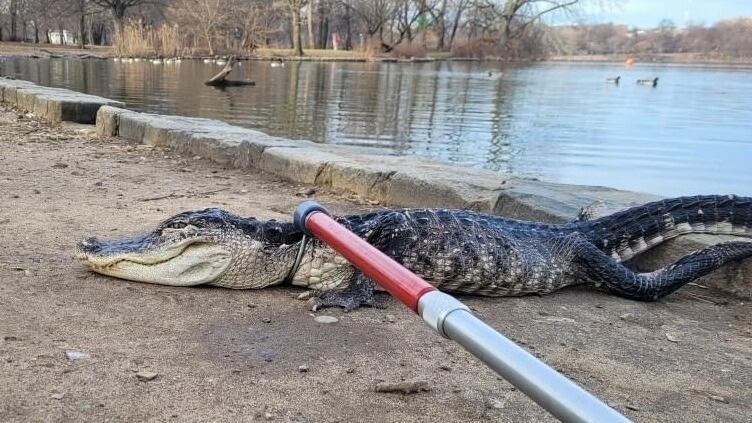
NYC Parks staff captured a roughly 4-foot alligator from Prospect Park Lake in Brooklyn on Sunday, Feb. 19, 2023. The alligator was eventually transported to the Bronx Zoo for rehabilitation. (NYC Parks)
It’s no urban legend: An alligator was found in a chilly New York City lake on Sunday, far from the subtropical and tropical climates where such creatures thrive.
The 4-foot (1.2-meter) reptile was pulled from Prospect Park Lake in Brooklyn around 8:30 a.m. and taken to an animal care center and then the Bronx Zoo for medical treatment and rehabilitation.
City officials said the gator appeared lethargic and possibly cold-shocked. It was likely dumped as an unwanted pet, they said. Releasing animals in city parks is illegal. Police are investigating.
For years, New Yorkers have pondered the myth that alligators roam the city’s sewer system, even celebrating Alligators in the Sewers Day as an unofficial February holiday.
Sightings like Sunday’s help keep the urban legend alive, but experts throw cold water on the sewer theory. Alligators aren’t suited to the sewer system's frigid, toxic environment, they say.
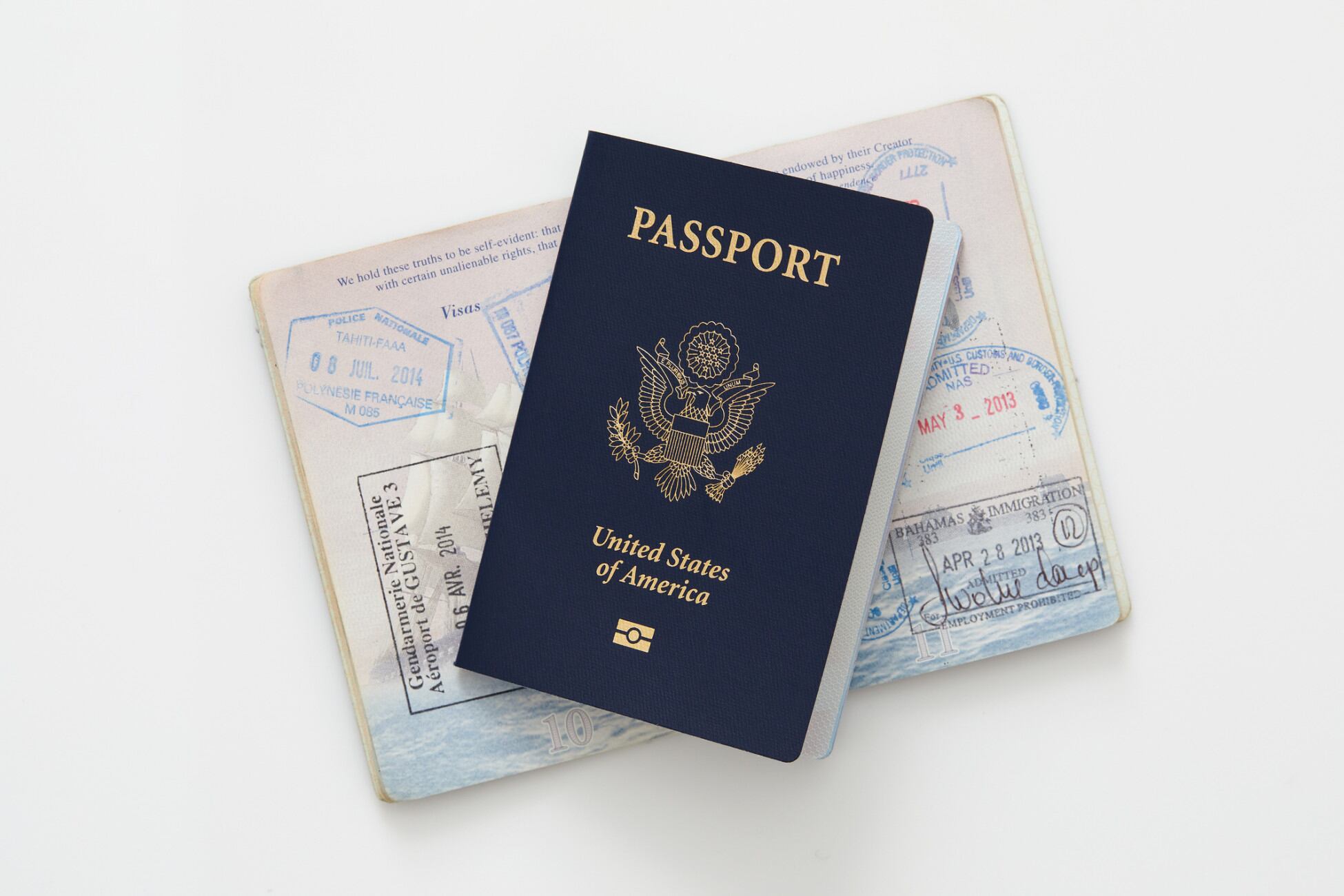
Have you been hearing about all the passport delays that are currently affecting travelers around the U.S? If you're in a rush to get your passport, it could cost you hundreds of dollars. So to protect your dollar, we brought in travel expert Francesca Page to give some tips on how to avoid extra fees for expedited passports down the line.
While it's already July, there's still time to plan those last minute summer vacations. and we've got expert tips that can help you save. Consumer Reporter Janice Lieberman has more.
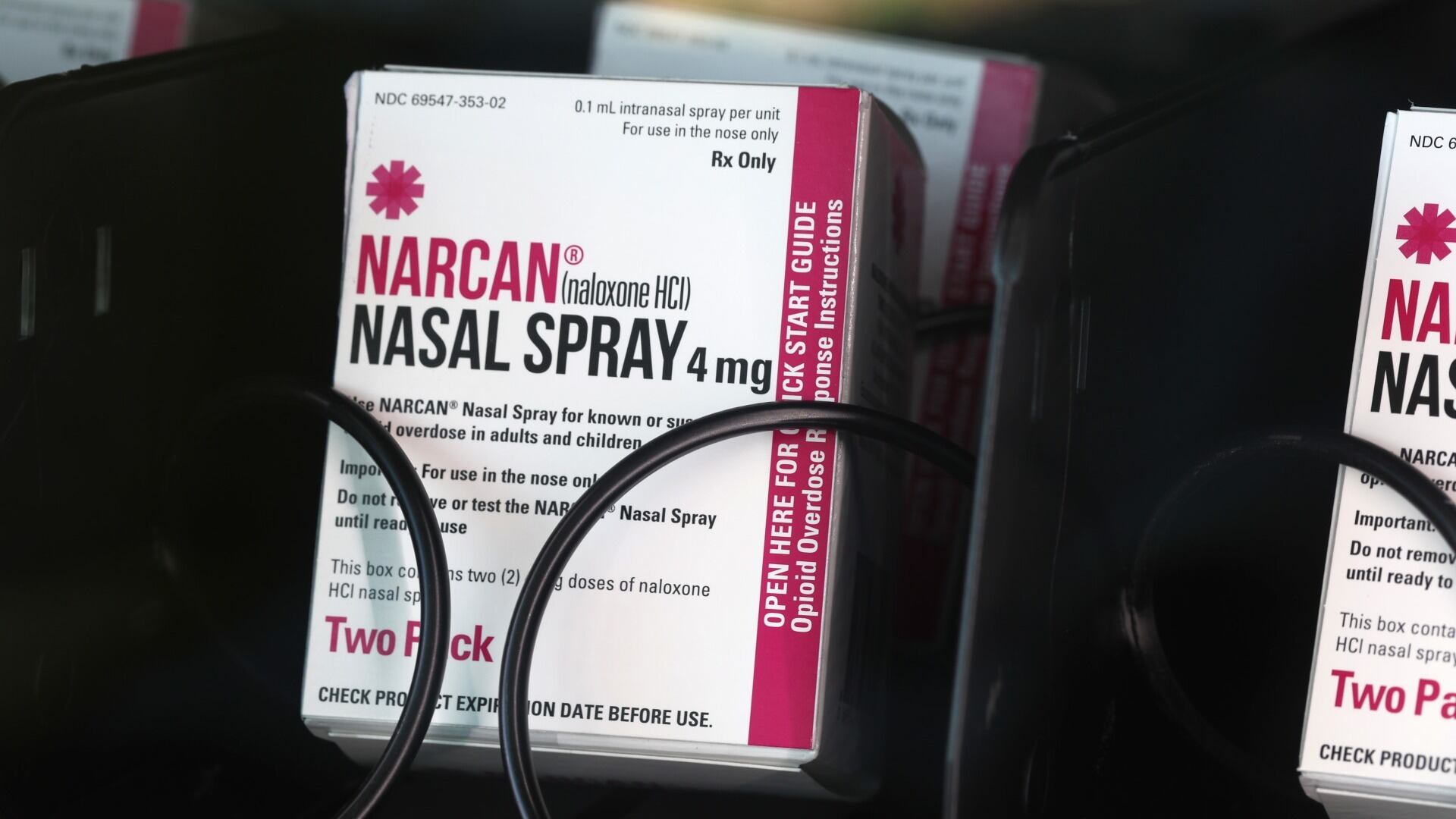
New York City has debuted its first vending machine for drug overdose treatment Narcan, but for some reason, not everyone is on board with this progressive community offering. Cheddar's own Ashley Mastronardi explored this complex issue.
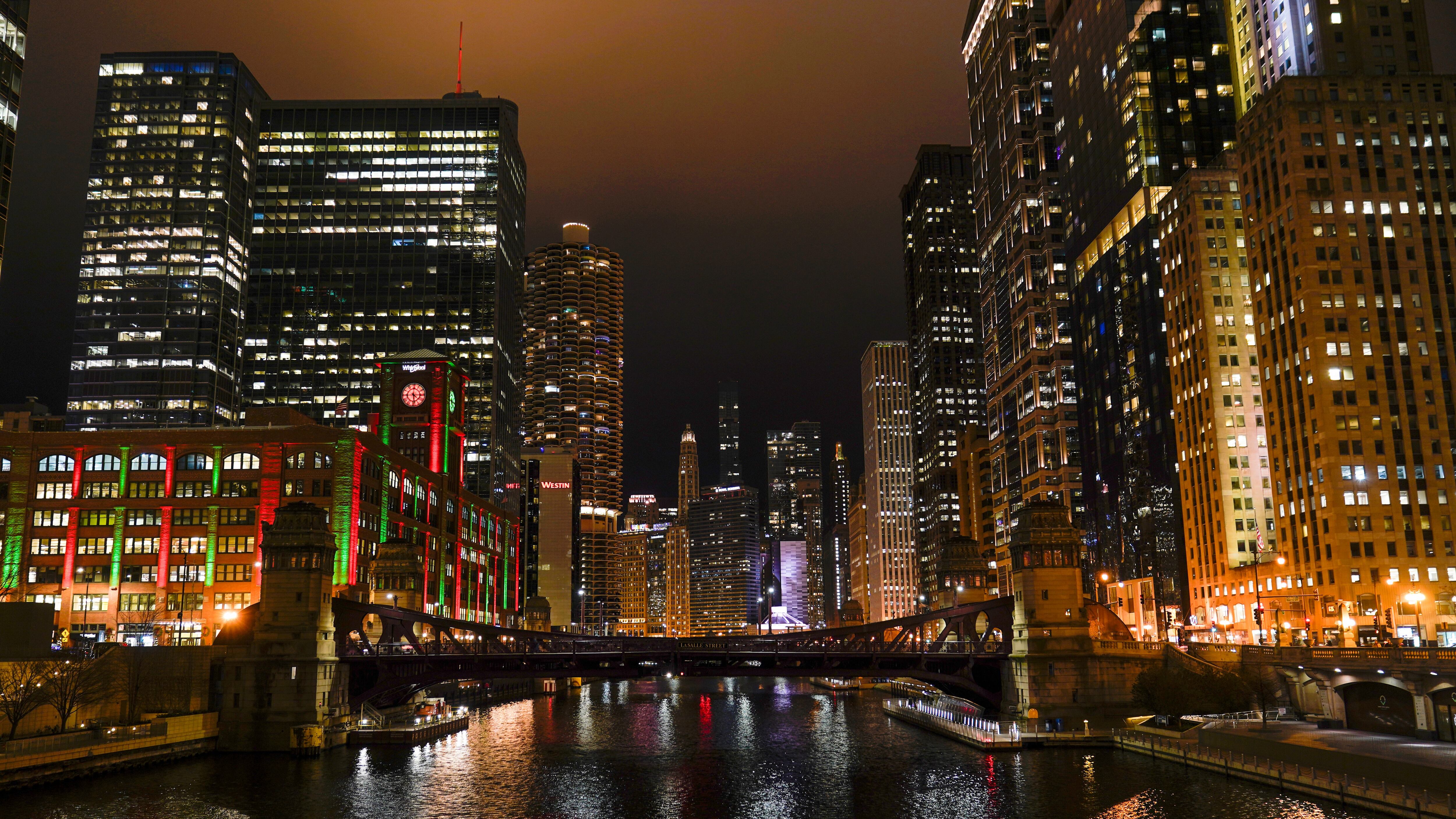
A new study shows that there could be an unexpected side effect of climate change happening right under your feet. Researchers at Northwestern University used temperature sensors underground across Chicago and found that the city's concrete structures (think parking garages, basements, or train tunnels) are absorbing heat from rising temperatures, and it's causing the city to slowly sink.