Before ClassPass settled on the business model it employs today, the service went through many different phases.
Founder Payal Kadakia revealed to Cheddar how she had to change up her strategy a handful of times before finally finding success.
“The third iteration was the subscription, and that’s really when it took off...and became ClassPass,” Kadakia told Cheddar.
The self-proclaimed “mission-obsessed” founder reflected on how the service started as a search engine for fitness classes, but one that didn’t offer a value proposition for users. From there, she tested out a discovery model where users could try different classes around New York City. But she says learned a lot from each of these versions.
“Always question what you’re doing and keep iterating and pivoting until you get to that North Star,” Kadakia said.
ClassPass launched in 2011. The service includes access to around 8,500 studios and is available to consumers in 49 cities.
For full interview, [click here](https://cheddar.com/videos/the-inspiration-behind-classpass).
Retailers face tariffs and cost challenges this holiday season. Wells Fargo's Lauren Murphy shares insights on pricing, promotions, and shopping trends.
Dateability, founded by sisters Jacqueline and Alexa Child, is the only dating app for disabled and chronically ill communities, fostering love without limits.
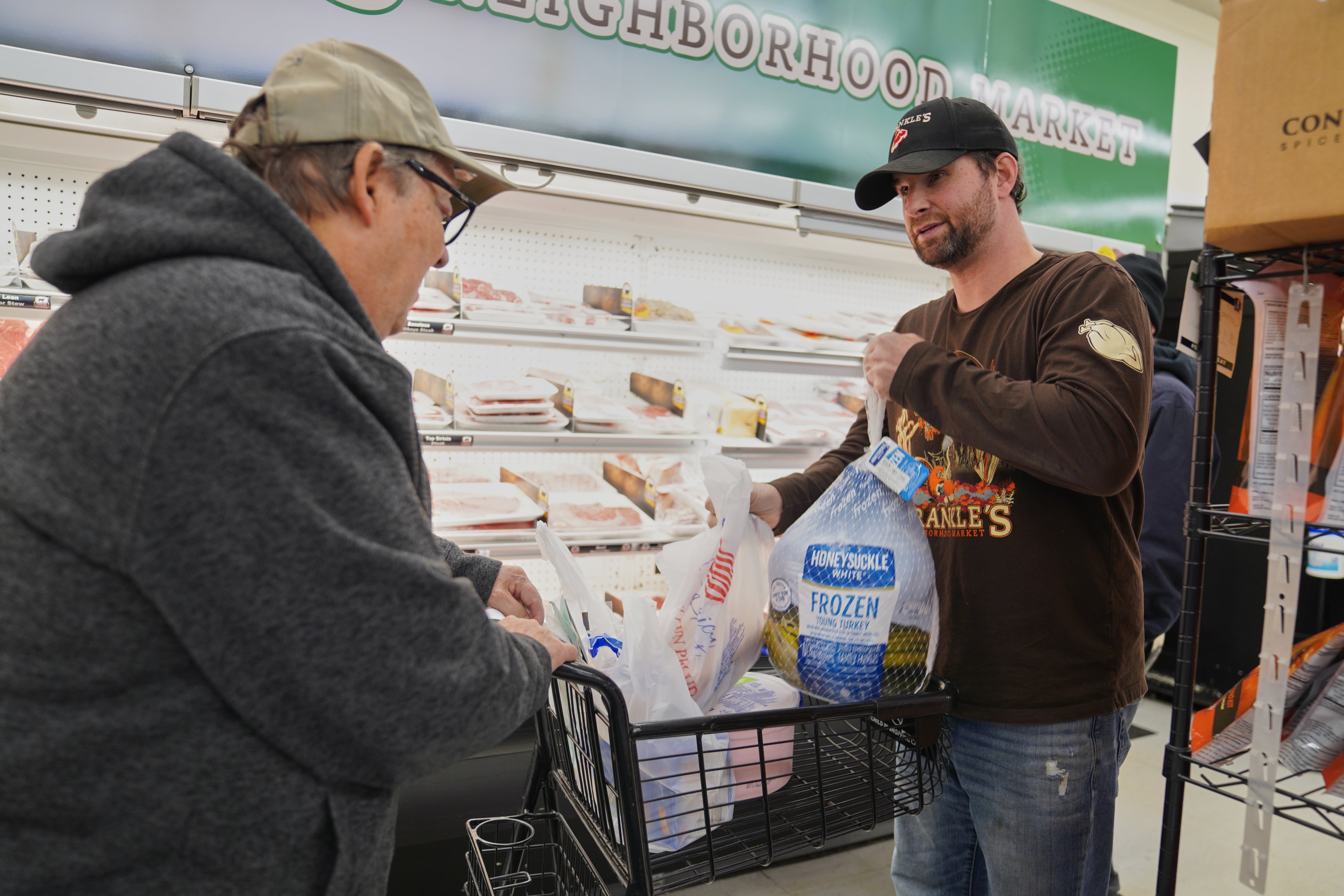
Some small grocery stores and neighborhood convenience stores are eager for the U.S. government shutdown to end and for their customers to start receiving federal food aid again. Late last month, the Trump administration froze funding for the SNAP benefits that about 42 million Americans use to buy groceries. The U.S. Department of Agriculture says about 74% of the assistance was spent last year at superstores like Walmart and supermarkets like Kroger. Around 14% went to smaller stores that are more accessible to SNAP beneficiaries. A former director of the United Nations World Food Program says SNAP is not only a social safety net for families but a local economic engine that supports neighborhood businesses.
Andy Baehr, Head of Product at CoinDesk Indices, breaks down crypto’s Black Friday crash, Bitcoin dipping under $100K, and what’s driving the market rout.
Billionaire Warren Buffett warned shareholders Monday that many companies will fare better than his Berkshire Hathaway in the decades ahead as Father Time catches up
Chris Marquette of POLITICO breaks down how the FAA is cutting flights and facing a critical shortage of air‑traffic controllers amid the government shutdown.