Before ClassPass settled on the business model it employs today, the service went through many different phases.
Founder Payal Kadakia revealed to Cheddar how she had to change up her strategy a handful of times before finally finding success.
“The third iteration was the subscription, and that’s really when it took off...and became ClassPass,” Kadakia told Cheddar.
The self-proclaimed “mission-obsessed” founder reflected on how the service started as a search engine for fitness classes, but one that didn’t offer a value proposition for users. From there, she tested out a discovery model where users could try different classes around New York City. But she says learned a lot from each of these versions.
“Always question what you’re doing and keep iterating and pivoting until you get to that North Star,” Kadakia said.
ClassPass launched in 2011. The service includes access to around 8,500 studios and is available to consumers in 49 cities.
For full interview, [click here](https://cheddar.com/videos/the-inspiration-behind-classpass).
YouTube will offer creators a way to rejoin the streaming platform if they were banned for violating COVID-19 and election misinformation policies that are no longer in effect.
Lukas Alpert of MarketWatch explores how networks, brands, and ad buyers absorb the shockwaves when late‑night show hosts are suddenly cut — and brought back.
A new poll finds U.S. adults are more likely than they were a year ago to think immigrants in the country legally benefit the economy. That comes as President Donald Trump's administration imposes new restrictions targeting legal pathways into the country. The Associated Press-NORC Center for Public Affairs Research survey finds Americans are more likely than they were in March 2024 to say it’s a “major benefit” that people who come to the U.S. legally contribute to the economy and help American companies get the expertise of skilled workers. At the same time, perceptions of illegal immigration haven’t shifted meaningfully. Americans still see fewer benefits from people who come to the U.S. illegally.
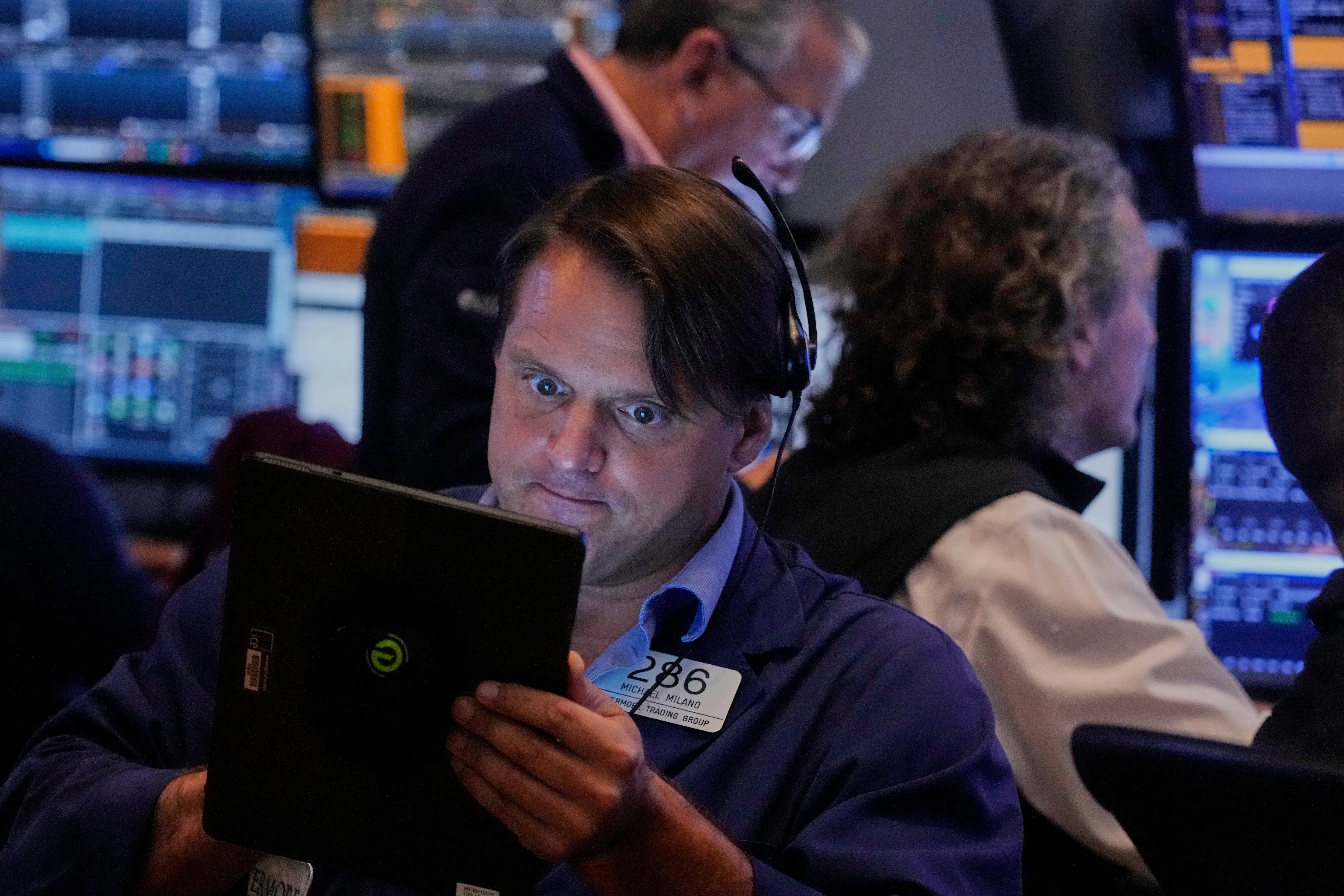
Shares of Tylenol maker Kenvue are bouncing back sharply before the opening bell a day after President Donald Trump promoted unproven and in some cases discredited ties between Tylenol, vaccines and autism. Trump told pregnant women not to use the painkiller around a dozen times during the White House news conference Monday. The drugmaker tumbled 7.5%. Shares have regained most of those losses early Tuesday in premarket trading.