LOS ANGELES (AP) — The State Bar of California has disclosed that some multiple-choice questions in a problem-plagued bar exam were developed with the aid of artificial intelligence.
The legal licensing body said in a news release Monday that it will ask the California Supreme Court to adjust test scores for those who took its February bar exam.
“The debacle that was the February 2025 bar exam is worse than we imagined,” Mary Basick, assistant dean of academic skills at the University of California, Irvine, Law School, told the Los Angeles Times. “I’m almost speechless. Having the questions drafted by non-lawyers using artificial intelligence is just unbelievable.”
In February, the new exam led to complaints after many test-takers were unable to complete their bar exams. The online testing platforms repeatedly crashed before some applicants even started. Others struggled to finish and save essays, experienced screen lags and error messages and could not copy and paste text, the Times reported earlier.
According to a recent presentation by the State Bar, 100 of the 171 scored multiple-choice questions were made by Kaplan and 48 were drawn from a first-year law students exam. A smaller subset of 23 scored questions were made by ACS Ventures, the State Bar’s psychometrician, and developed with artificial intelligence.
“We have confidence in the validity of the (multiple-choice questions) to accurately and fairly assess the legal competence of test-takers,” Leah Wilson, the State Bar’s executive director, told the newspaper in a statement.
Katie Moran, an associate professor at the University of San Francisco School of Law who specializes in bar exam preparation, told the newspaper, “It’s a staggering admission.”
“The State Bar has admitted they employed a company to have a non-lawyer use AI to draft questions that were given on the actual bar exam,” she said. “They then paid that same company to assess and ultimately approve of the questions on the exam, including the questions the company authored.”
Andrew Perlman, dean of Suffolk University Law School and an advisory council member of the American Bar Association Task Force on the Law and Artificial Intelligence, said he had not heard of AI being used to develop bar exam questions or standards being put in place governing such uses.
But he said he was not surprised, given the rapid growth of AI technology. Perlman said AI can be useful for developing questions for assessment, but a critical guard rail is making sure that everything that comes from an AI tool is vetted carefully by experts in the subject matter.
He expects its use to continue to grow.
Although there might be public skepticism of the emerging technology in the legal profession at this time, “we will be worried in the future about the competence of lawyers who don’t use these tools,” Perlman predicted.
Spain's government has fined Airbnb 64 million euros or $75 million for advertising unlicensed tourist rentals. The consumer rights ministry announced the fine on Monday. The ministry stated that many listings lacked proper license numbers or included incorrect information. The move is part of Spain's ongoing efforts to regulate short-term rental companies amid a housing affordability crisis especially in popular urban areas. The ministry ordered Airbnb in May to remove around 65,000 listings for similar violations. The government's consumer rights minister emphasized the impact on families struggling with housing. Airbnb said it plans to challenge the fine in court.
The Islamic State group and other militant organizations are experimenting with artificial intelligence as a tool to boost recruitment and refine their operations. National security experts say that just as businesses, governments and individuals have embraced AI, extremist groups also will look to harness the power of AI. That means aiming to improve their cyberattacks, breaking into sensitive networks and creating deepfakes that spread confusion and fear. Leaders in Washington have responded with calls to investigate how militant groups are using AI and seek ways to encourage tech companies to share more about how their products are being potentially misused.
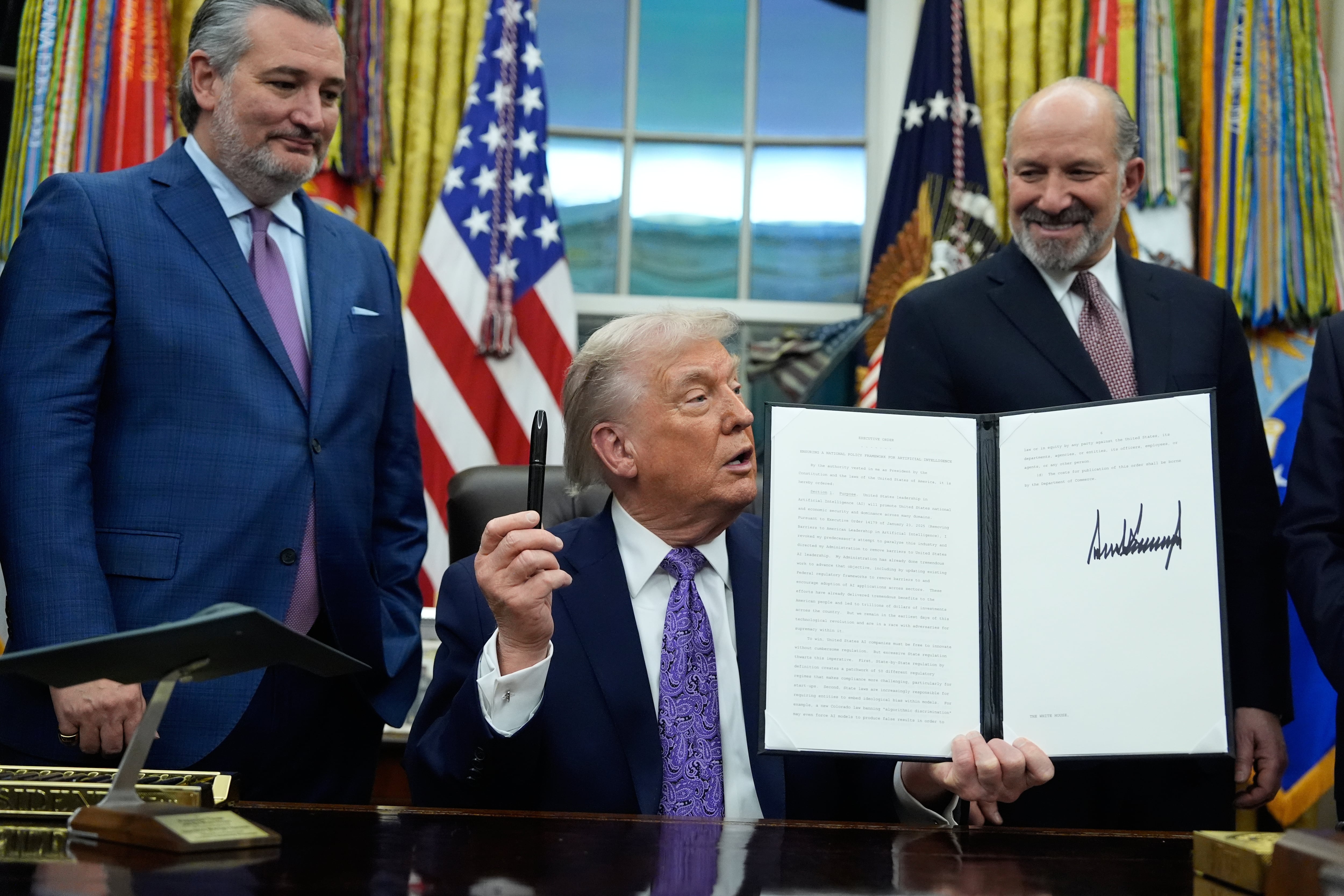
President Donald Trump has signed an executive order to block states from regulating artificial intelligence. He argues that heavy regulations could stifle the industry, especially given competition from China. Trump says the U.S. needs a unified approach to AI regulation to avoid complications from state-by-state rules. The order directs the administration to draw up a list of problematic regulations for the Attorney General to challenge. States with laws could lose access to broadband funding, according to the text of the order. Some states have already passed AI laws focusing on transparency and limiting data collection.
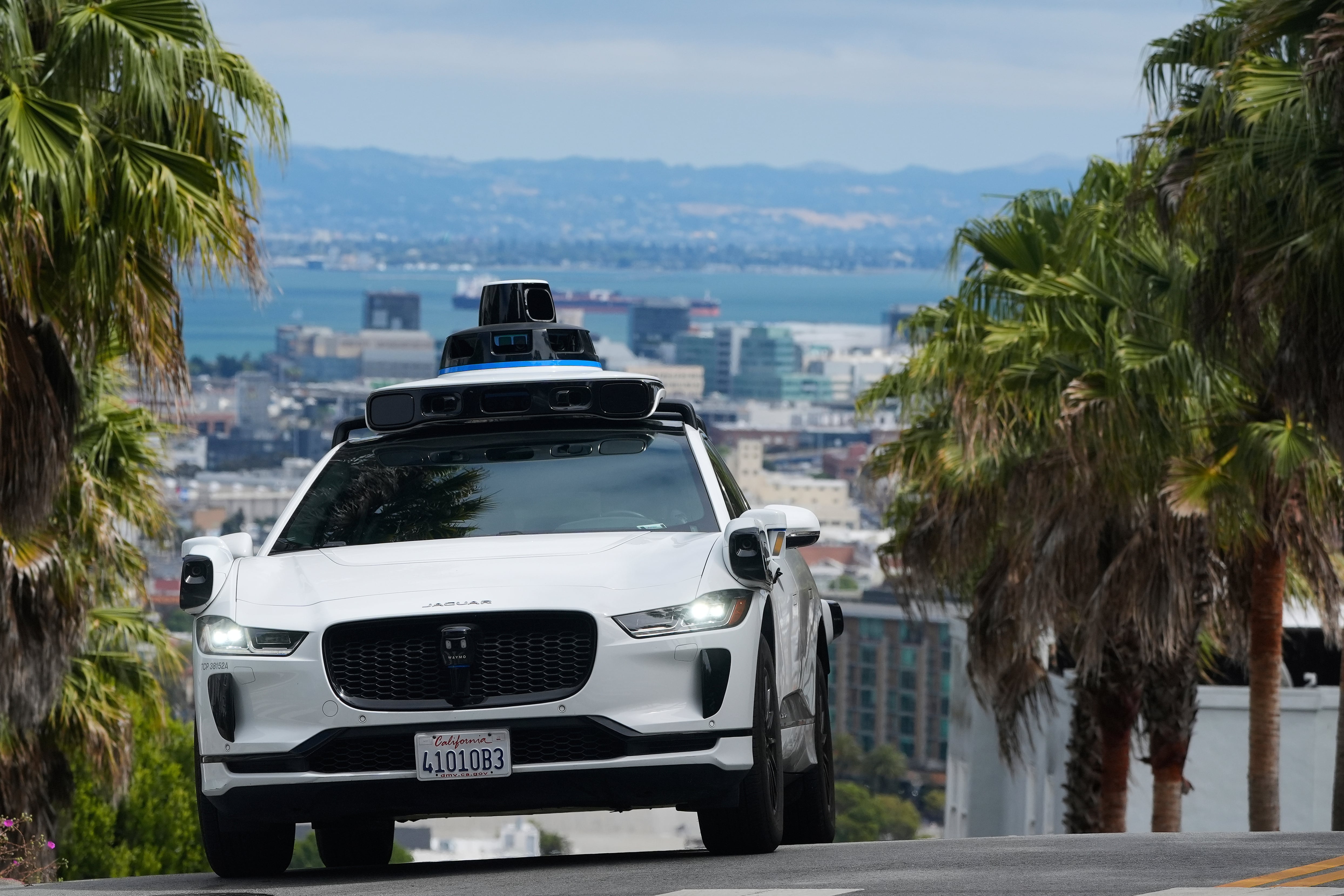
Waymo's self-driving taxis have been in the spotlight for both negative and positive reasons. This week, the automated ride-hailing taxis went viral after a San Francisco woman gave birth inside a Waymo taxi while on her way to the hospital. A Waymo spokesperson on Wednesday confirmed the unusual delivery. It said the company's rider support team detected unusual activity inside the vehicle and alerted 911. The taxi arrived safely at the hospital before emergency services. Waymo's popularity is growing despite heightened scrutiny following an illegal U-turn and the death of a San Francisco cat. The company, owned by Alphabet, says it is proud to serve riders of all ages.
OpenAI has appointed Slack CEO Denise Dresser as its first chief of revenue. Dresser will oversee global revenue strategy and help businesses integrate AI into daily operations. OpenAI CEO Sam Altman recently emphasized improving ChatGPT, which now has over 800 million weekly users. Despite its success, OpenAI faces competition from companies like Google and concerns about profitability. The company earns money from premium ChatGPT subscriptions but hasn't ventured into advertising. Altman had recently announced delays in developing new products like AI agents and a personal assistant.
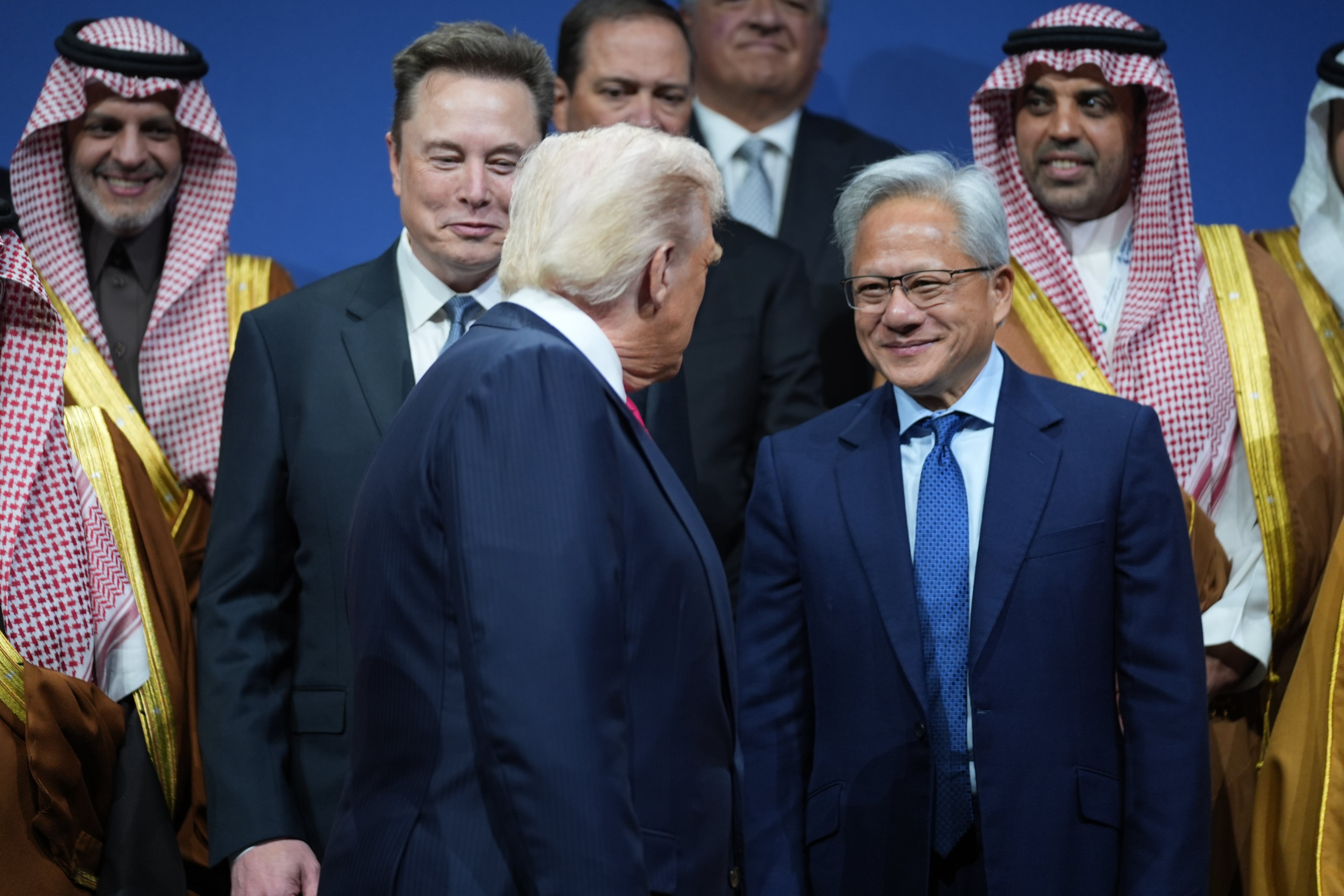
President Donald Trump says he will allow Nvidia to sell its H200 computer chip used in the development of artificial intelligence to “approved customers” in China. Trump said Monday on his social media site that he had informed China’s leader Xi Jinping and “President Xi responded positively!” There had been concerns about allowing advanced computer chips into China as it could help them to compete against the U.S. in building out AI capabilities. But there has also been a desire to develop the AI ecosystem with American companies such as chipmaker Nvidia.