Big pharma stocks rise as Street reacts to latest presidential tariff plan
By Tom Murphy
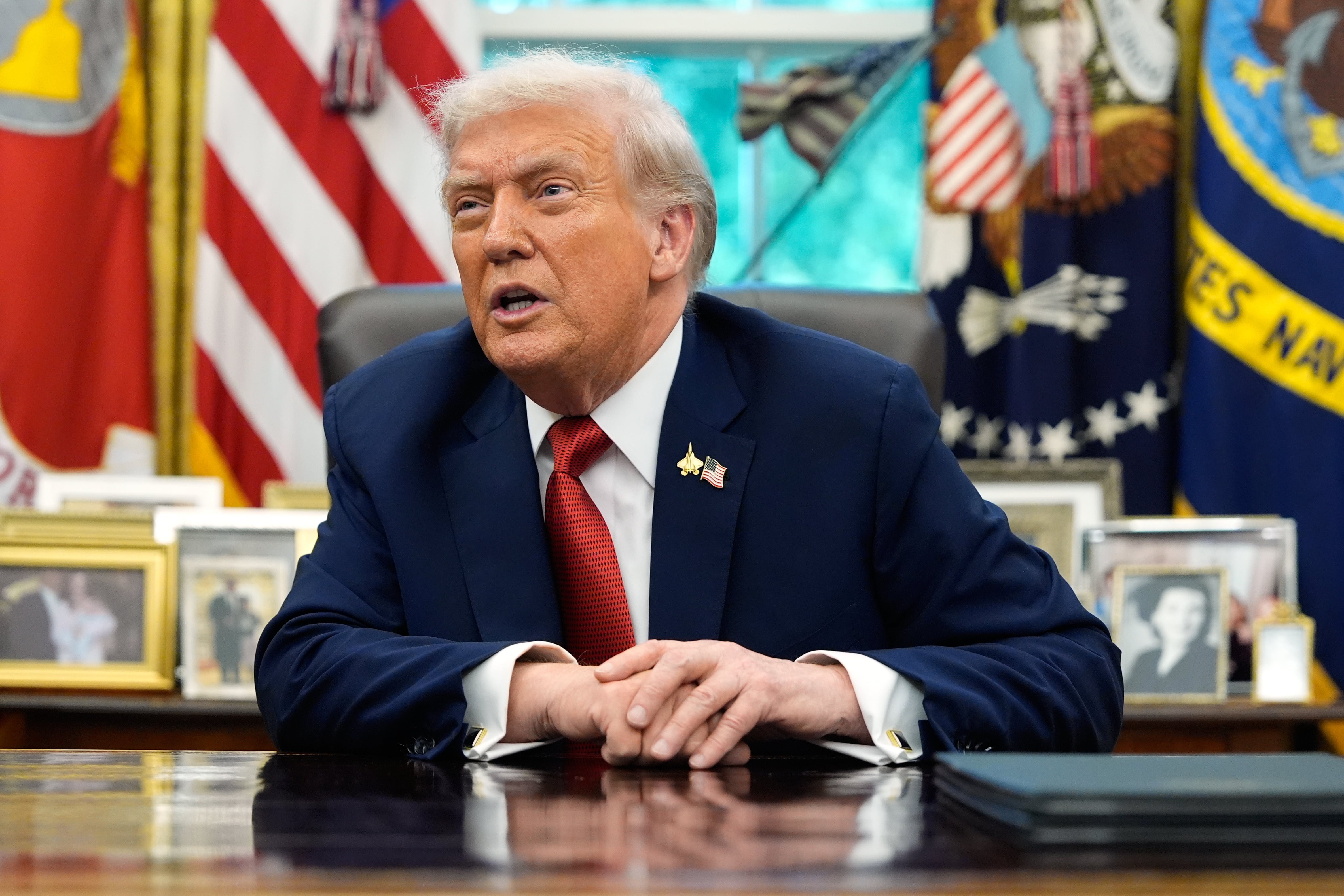
President Donald Trump speaks after signing an executive order regarding TikTok in the Oval Office at the White House, Thursday, Sept. 25, 2025, in Washington. (AP Photo/Alex Brandon)
Shares of some big drugmakers advanced above broader indexes Friday as Wall Street started sorting out President Donald Trump’s latest tariff announcement.
The president said late Thursday that he would place 100% import taxes on branded or patented pharmaceuticals starting Oct. 1, but those tariffs would not apply to companies building U.S. manufacturing plants. He defined that as either “breaking ground” or being “under construction.”
Several big drugmakers like Merck & Co. Inc., Eli Lilly and Co. and Johnson & Johnson have announced U.S. expansion plans.
Trump has talked about pharmaceutical tariffs for months, but he has said he would delay them for a year or a year and a half to give companies time to stockpile medicines here and shift manufacturing.
Analysts have said companies started stockpiling medicines in the U.S. earlier this year.
Jefferies analyst Akash Tewari said in a research note that Thursday’s announcement shouldn’t have a material impact on the big drugmakers, given their construction plans.
Brand-name drug companies also have fat profit margins that can provide some flexibility to make investments and absorb tariff costs. Manufacturers of cheaper generic drugs, which were not mentioned in Thursday’s announcement, do not. Generics account for most U.S. prescriptions.
David Risinger of Leerink Partners said smaller drugmakers may be vulnerable to the new taxes, although he noted that it was hard to predict which ones.
He said several questions remain unanswered after Thursday’s announcement. Those include whether the action will survive legal challenges and how the phrases “breaking ground” and “under construction” are defined for tariff enforcement.
Risinger also questioned whether the new taxes might be a negotiating tactic tied to an investigation the administration launched in the spring over how importing drugs and their ingredients affects national security.
Shares of Merck, Lilly and J&J all rose less than 1% in midday trading Friday, slightly higher than the S&P 500 index.
Retailers face tariffs and cost challenges this holiday season. Wells Fargo's Lauren Murphy shares insights on pricing, promotions, and shopping trends.
Dateability, founded by sisters Jacqueline and Alexa Child, is the only dating app for disabled and chronically ill communities, fostering love without limits.
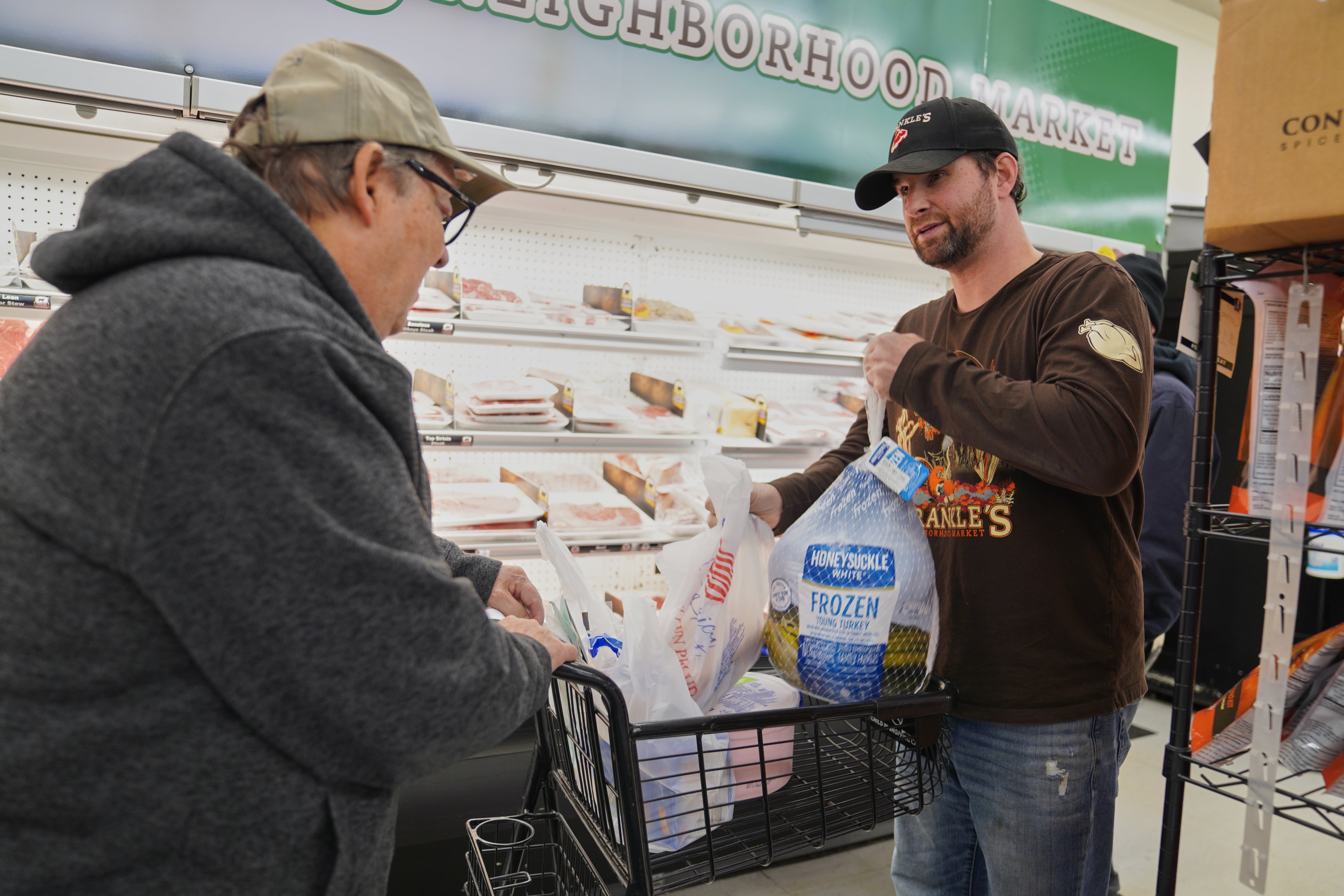
Some small grocery stores and neighborhood convenience stores are eager for the U.S. government shutdown to end and for their customers to start receiving federal food aid again. Late last month, the Trump administration froze funding for the SNAP benefits that about 42 million Americans use to buy groceries. The U.S. Department of Agriculture says about 74% of the assistance was spent last year at superstores like Walmart and supermarkets like Kroger. Around 14% went to smaller stores that are more accessible to SNAP beneficiaries. A former director of the United Nations World Food Program says SNAP is not only a social safety net for families but a local economic engine that supports neighborhood businesses.
Andy Baehr, Head of Product at CoinDesk Indices, breaks down crypto’s Black Friday crash, Bitcoin dipping under $100K, and what’s driving the market rout.
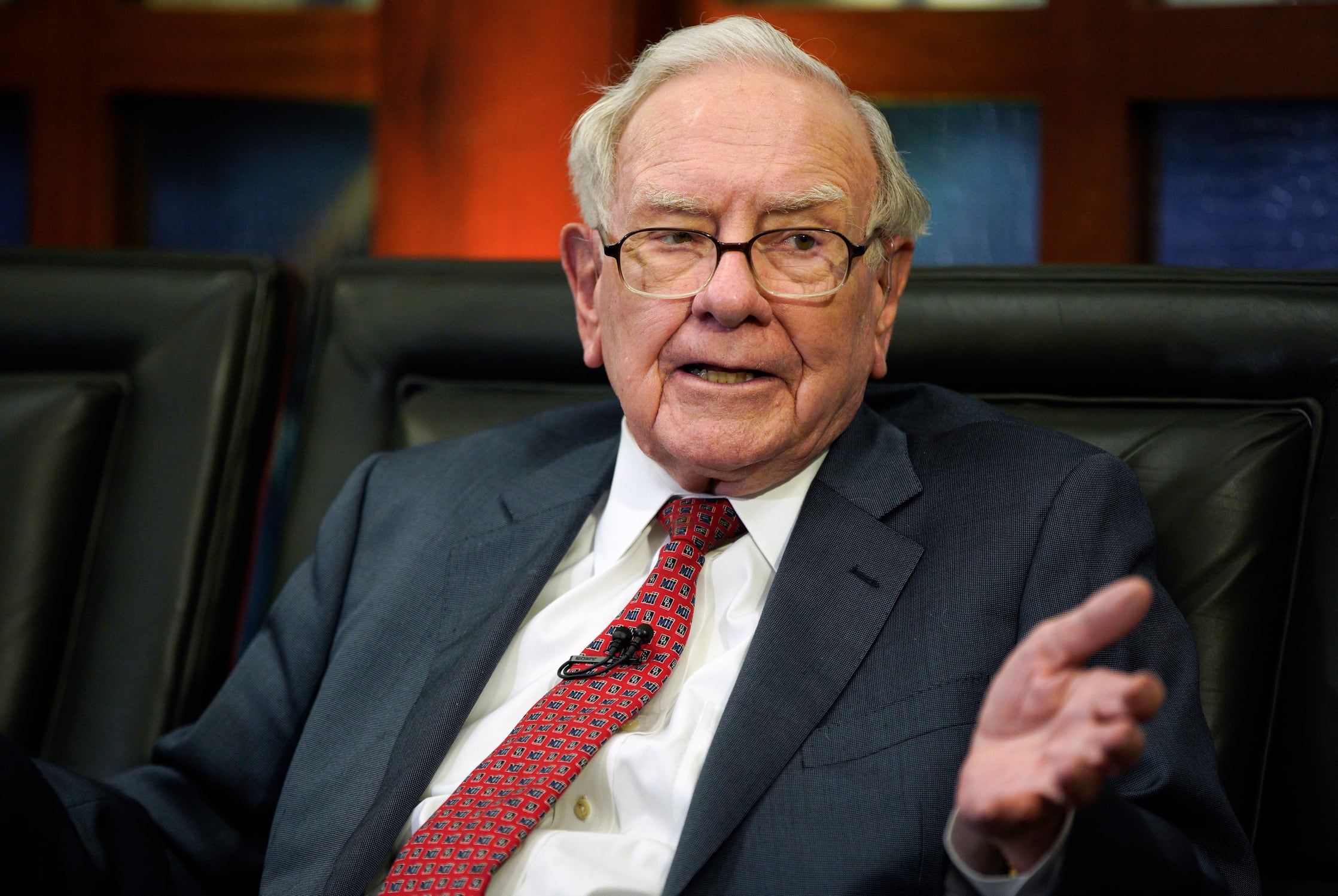
Billionaire Warren Buffett warned shareholders Monday that many companies will fare better than his Berkshire Hathaway in the decades ahead as Father Time catches up
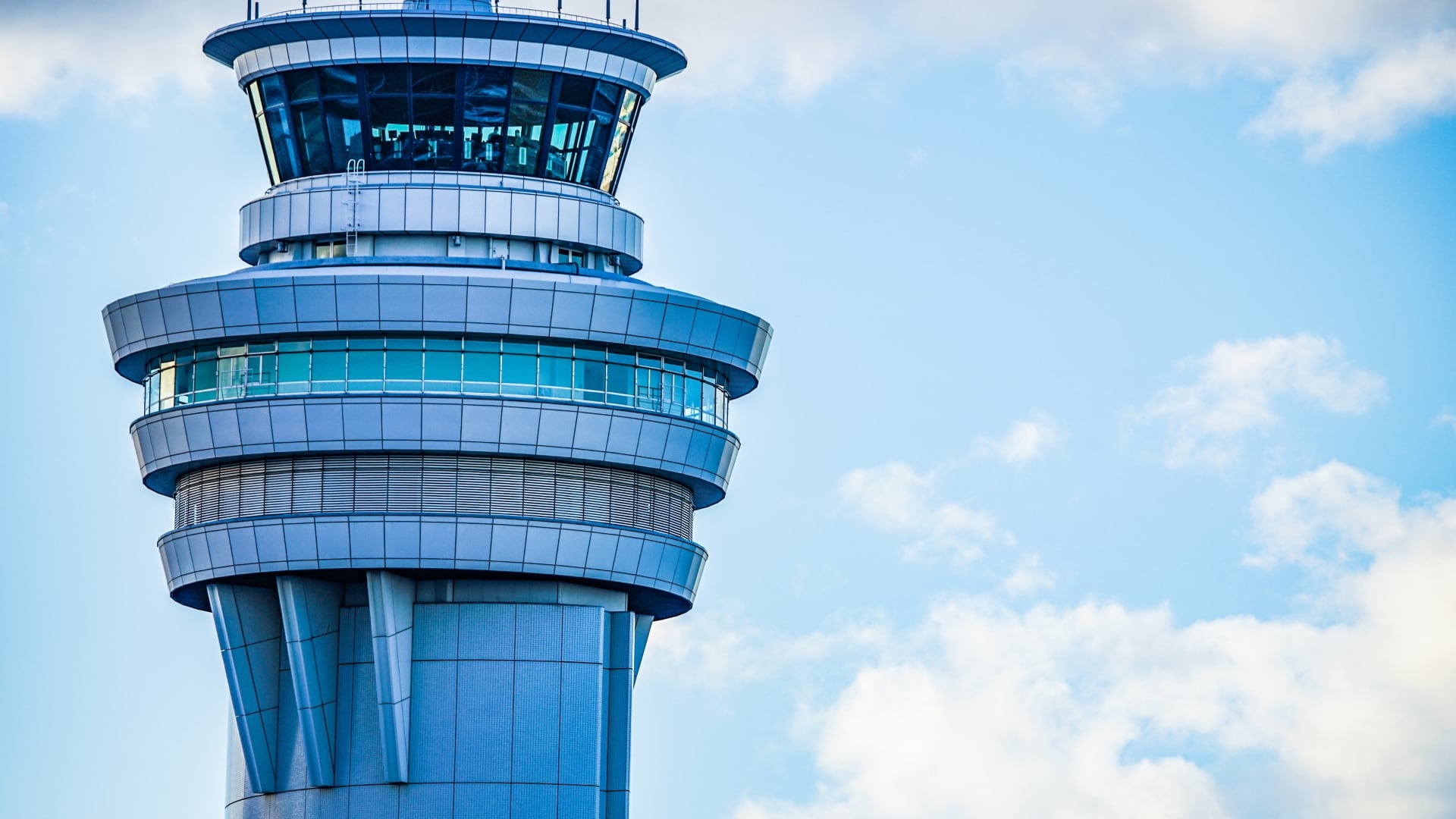
Chris Marquette of POLITICO breaks down how the FAA is cutting flights and facing a critical shortage of air‑traffic controllers amid the government shutdown.