Big pharma stocks rise as Street reacts to latest presidential tariff plan
By Tom Murphy
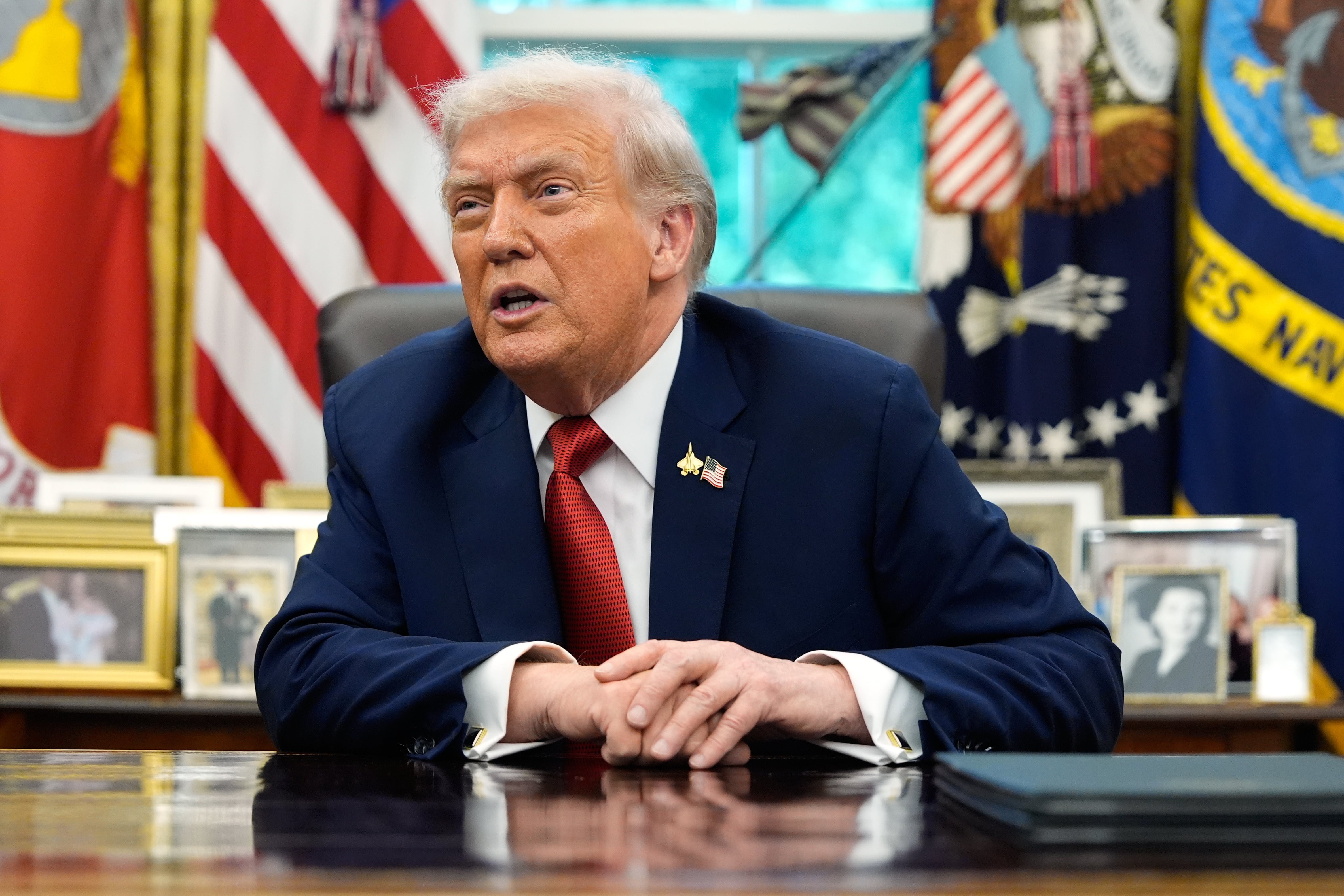
President Donald Trump speaks after signing an executive order regarding TikTok in the Oval Office at the White House, Thursday, Sept. 25, 2025, in Washington. (AP Photo/Alex Brandon)
Shares of some big drugmakers advanced above broader indexes Friday as Wall Street started sorting out President Donald Trump’s latest tariff announcement.
The president said late Thursday that he would place 100% import taxes on branded or patented pharmaceuticals starting Oct. 1, but those tariffs would not apply to companies building U.S. manufacturing plants. He defined that as either “breaking ground” or being “under construction.”
Several big drugmakers like Merck & Co. Inc., Eli Lilly and Co. and Johnson & Johnson have announced U.S. expansion plans.
Trump has talked about pharmaceutical tariffs for months, but he has said he would delay them for a year or a year and a half to give companies time to stockpile medicines here and shift manufacturing.
Analysts have said companies started stockpiling medicines in the U.S. earlier this year.
Jefferies analyst Akash Tewari said in a research note that Thursday’s announcement shouldn’t have a material impact on the big drugmakers, given their construction plans.
Brand-name drug companies also have fat profit margins that can provide some flexibility to make investments and absorb tariff costs. Manufacturers of cheaper generic drugs, which were not mentioned in Thursday’s announcement, do not. Generics account for most U.S. prescriptions.
David Risinger of Leerink Partners said smaller drugmakers may be vulnerable to the new taxes, although he noted that it was hard to predict which ones.
He said several questions remain unanswered after Thursday’s announcement. Those include whether the action will survive legal challenges and how the phrases “breaking ground” and “under construction” are defined for tariff enforcement.
Risinger also questioned whether the new taxes might be a negotiating tactic tied to an investigation the administration launched in the spring over how importing drugs and their ingredients affects national security.
Shares of Merck, Lilly and J&J all rose less than 1% in midday trading Friday, slightly higher than the S&P 500 index.
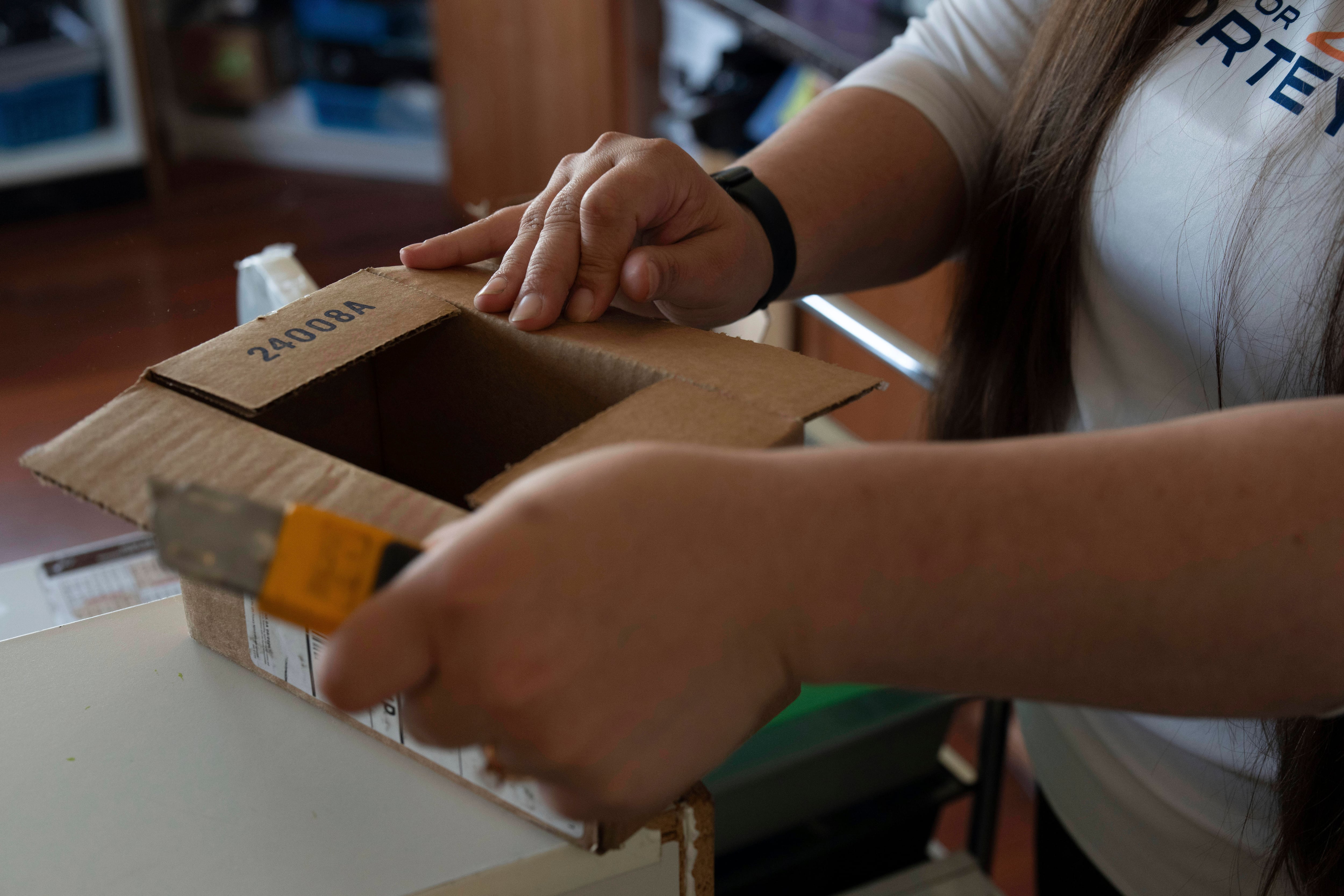
Low-value imports are losing their duty-free status in the U.S. this week as part of President Donald Trump's agenda for making the nation less dependent on foreign goods. A widely used customs exemption for international shipments worth $800 or less is set to end starting on Friday. Trump already ended the “de minimis” rule for inexpensive items sent from China and Hong Kong, but having to pay import taxes on small parcels from everywhere else likely will be a big change for some small businesses and online shoppers. Purchases that previously entered the U.S. without needing to clear customs will be subject to the origin country’s tariff rate, which can range from 10% to 50%.
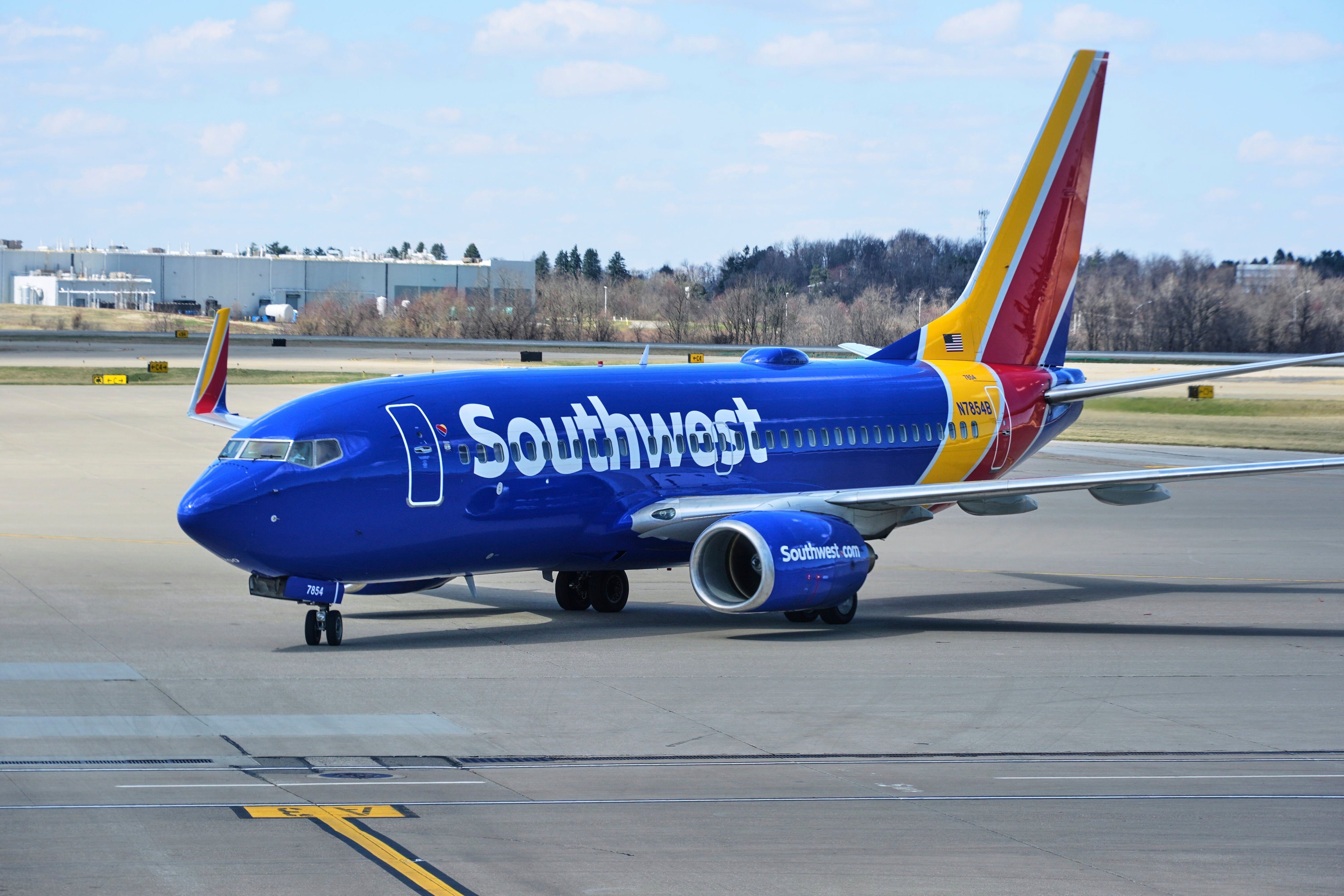
Southwest Airlines will soon require plus-size travelers to pay for an extra seat in advance if they can't fit within the armrests of one seat. This change is part of several updates the airline is making. The new rule starts on Jan. 27, the same day Southwest begins assigning seats. Currently, plus-size passengers can pay for an extra seat in advance and later get a refund, or request a free extra seat at the airport. Under the new policy, refunds are still possible but not guaranteed. Southwest said in a statement it is updating policies to prepare for assigned seating next year.
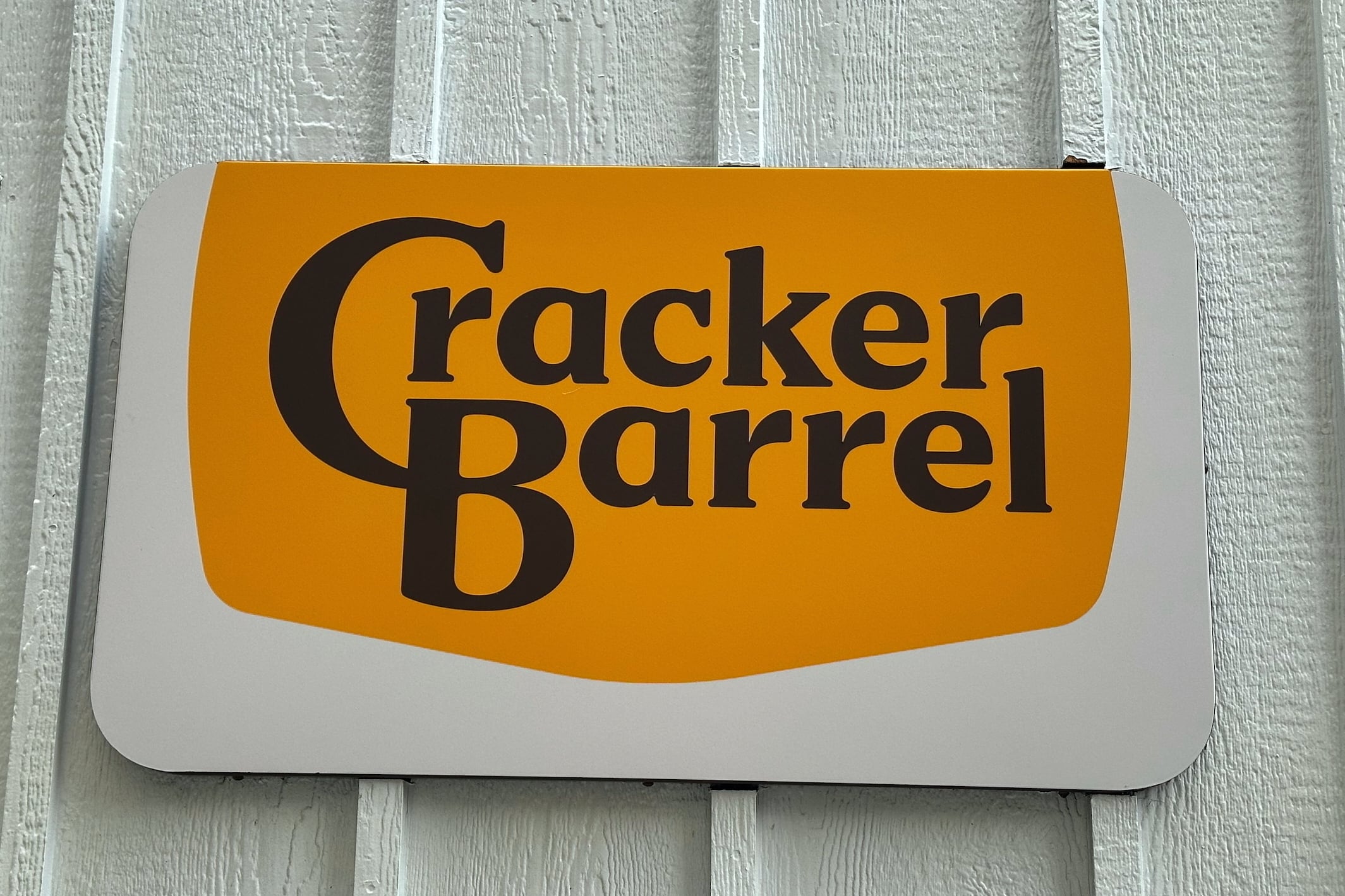
Cracker Barrel is sticking with its new logo. For now. But the chain is also apologizing to fans who were angered when the change was announced last week.
Elon Musk on Monday targeted Apple and OpenAI in an antitrust lawsuit alleging that the iPhone maker and the ChatGPT maker are teaming up to thwart competition in artificial intelligence.
Hear from Gabino & Stephen Roche on Saphyre’s institutional AI platform that centralizes pre‑ and post‑trade data, redefining settlement speed and accuracy.
Elon Musk’s X has reached a tentative settlement with former employees of the company then known as Twitter who’d sued for $500 million in severance pay.