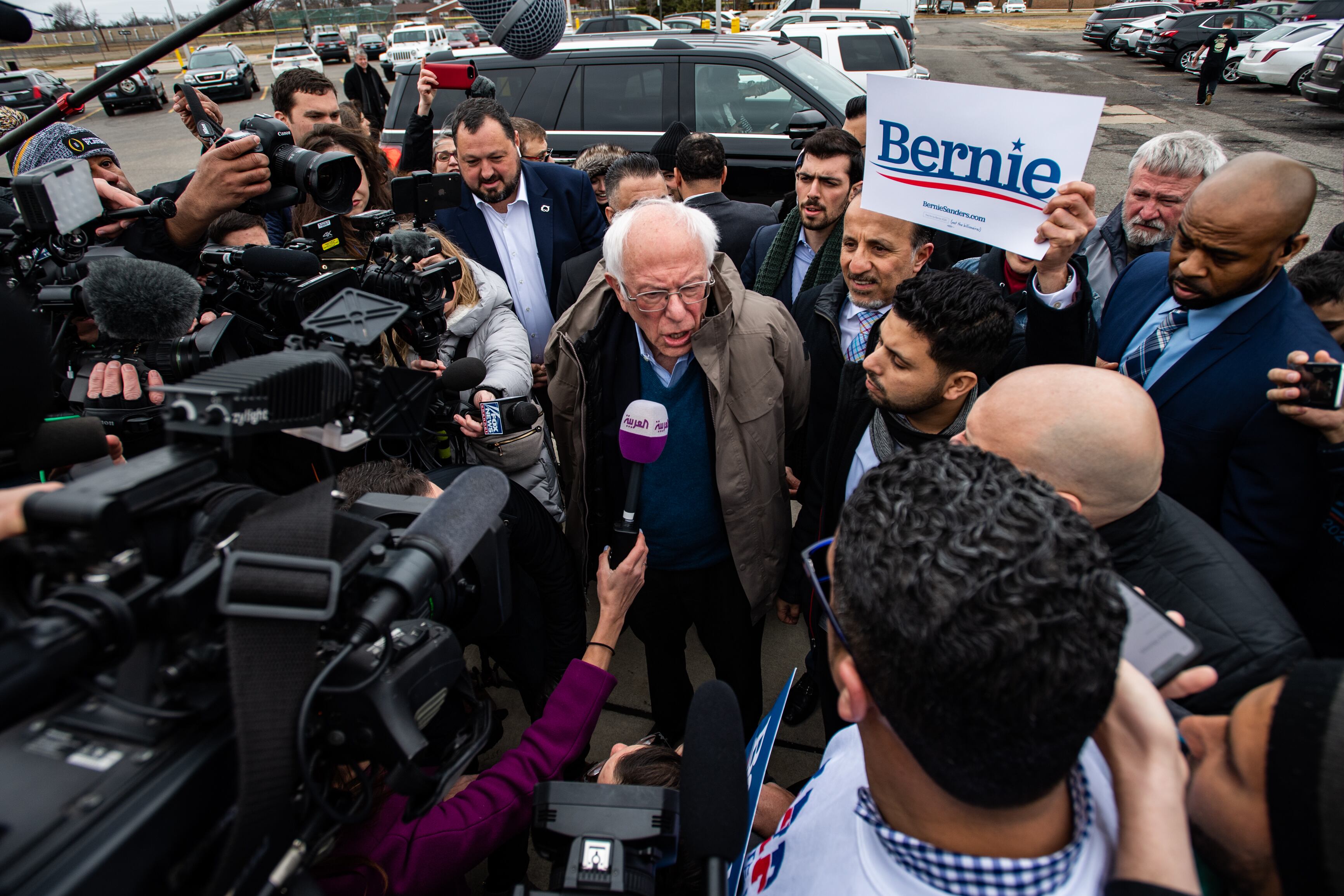
: Sen. Bernie Sanders, I-Vt., U.S. 2020 Democratic Presidential Candidate speaks to the media and supporters outside a polling location at Canfield Center on Tuesday, March 10, 2020 in Dearborn Heights, MI. (Photo by Salwan Georges/The Washington Post via Getty Images)
Senator Bernie Sanders of Vermont spoke at length about the need to defeat Donald Trump and discussed his campaign today after falling behind in another set of Democratic primaries on Tuesday but did not announce his intention to drop out of the contest.
While he cited that he appeared to be losing the race on the issue of electability, Sanders also stated that he felt his campaign was winning the ideological debate. He then directed several questions and challenges on healthcare, climate change, and mass incarceration to his rival former Vice President Joe Biden leading up to the Sunday debate in Arizona.
Biden, the only other remaining candidate aside from Rep. Tulsi Gabbard (far removed in the delegate count) took what looks to be a commanding lead in delegates following victories in Michigan, Missouri, Mississippi, and Idaho, while Sanders won the North Dakota caucus.
The results from the primary in Washington state still show Biden and Sanders nack-in-neck with 67 percent of precincts reporting as of this report.
Sanders, the social democrat who carried the banner, along with Senator Elizabeth Warren of Massachusetts, of what was considered the "progressive" side of the Democratic party, showed signs of leading the race early on among a still-large group of candidates. After a close race with former South Bend, Indiana Mayor Pete Buttigieg in Iowa for its caucus delegates, Sanders racked up wins in New Hampshire and Nevada.
But things would change after Biden garnered a dramatic and lopsided victory in South Carolina's primary. From there, other members of the "moderate" wing of the party, Pete Buttigieg and Senator Amy Klobuchar of Minnesota, dropped out, both endorsing Biden before Super Tuesday.
The Super Tuesday primary day featured the largest share of delegates to date, and while Sanders pulled off a victory in the largest prize of California, and wins in Colorado, Utah, and his own Vermont, Biden's momentum grabbed the lion's share of delegates throughout the Southeast, Minnesota, and Oklahoma.
The primary will conclude with the nomination at the Democratic National Convention in Milwaukee, Wisconsin, from July 13 to 16.
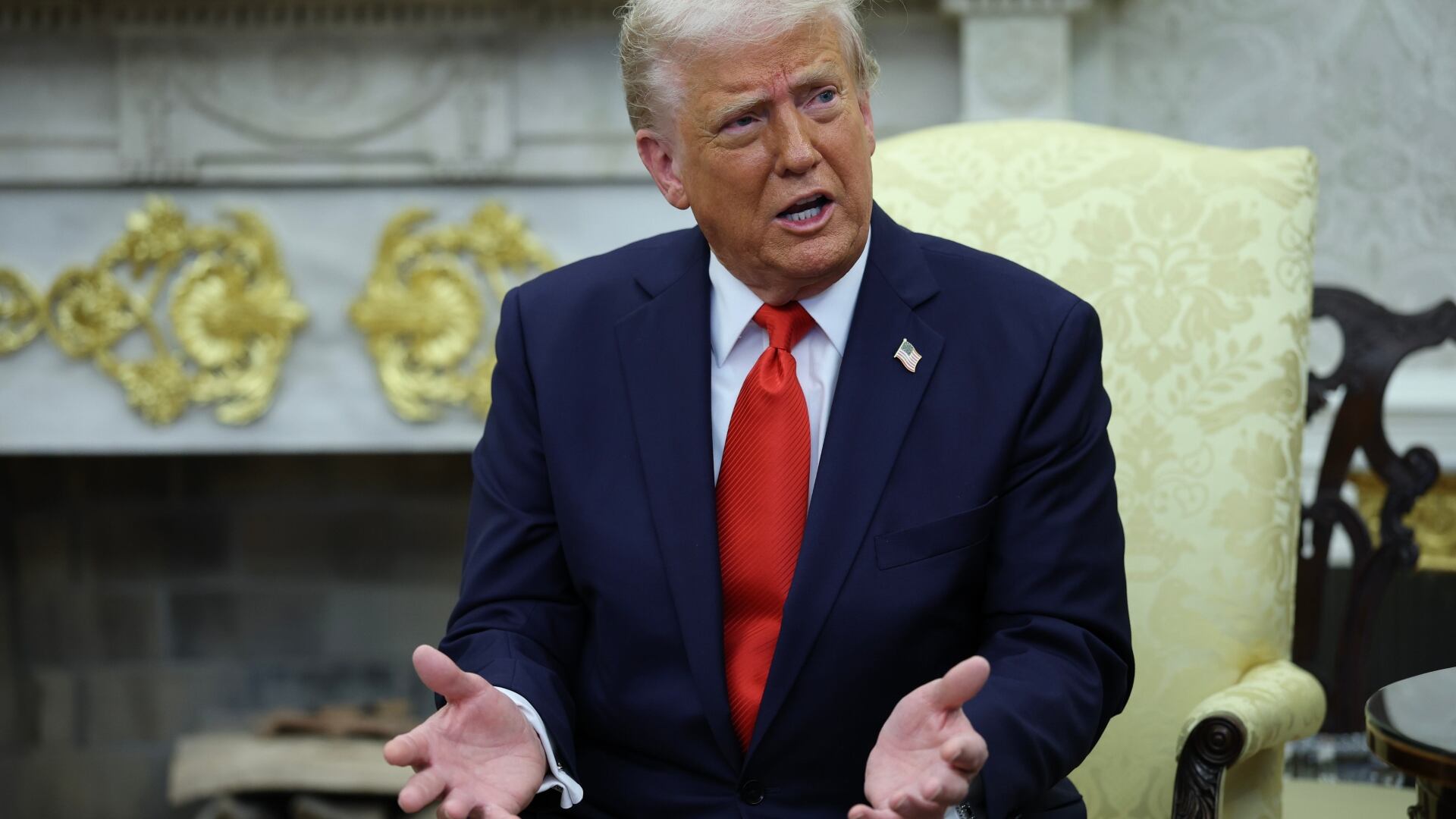
President Donald Trump says a deal struck by Netflix last week to buy Warner Bros. Discovery “could be a problem” because of the size of the combined market share. The Republican president says he will be involved in the decision about whether federal regulators should approve the deal. Trump commented Sunday when he was asked about the deal as he walked the red carpet at the Kennedy Center Honors. The $72 billion deal would bring together two of the biggest players in television and film and potentially reshape the entertainment industry.
Real estate software company RealPage has agreed to stop sharing nonpublic information between landlords as part of a settlement with the Department of Justice.
A legislative package to end the government shutdown appears on track. A handful of Senate Democrats joined with Republicans to advance the bill after what's become a deepening disruption of federal programs and services. But hurdles remain. Senators are hopeful they can pass the package as soon as Monday and send it to the House. What’s in and out of the bipartisan deal has drawn criticism and leaves few senators fully satisfied. The legislation includes funding for SNAP food aid and other programs while ensuring backpay for furloughed federal workers. But it fails to fund expiring health care subsidies Democrats have been fighting for, pushing that debate off for a vote next month.
Sabrina Siddiqui, National Politics Reporter at The Wall Street Journal, joins to break down the SNAP funding delays and the human cost of the ongoing shutdown.
Arguments at the Supreme Court have concluded for the day as the justices consider President Donald Trump's sweeping unilateral tariffs in a trillion-dollar test of executive power.
President Donald Trump said he has decided to lower his combined tariff rates on imports of Chinese goods to 47% after talks with Chinese leader Xi Jinping on curbing fentanyl trafficking.
The Federal Reserve cut its key interest rate Wednesday for a second time this year as it seeks to shore up economic growth and hiring even as inflation stays elevated. The move comes amid a fraught time for the central bank, with hiring sluggish and yet inflation stuck above the Fed’s 2% target. Compounding its challenges, the central bank is navigating without much of the economic data it typically relies on from the government. The Fed has signaled it may reduce its key rate again in December but the data drought raises the uncertainty around its next moves. Fed Chair Jerome Powell told reporters that there were “strongly differing views” at the central bank's policy meeting about to proceed going forward.
U.S. and Chinese officials say a trade deal between the world’s two largest economies is drawing closer. The sides have reached an initial consensus for President Donald Trump and Chinese leader Xi Jinping to aim to finalize during their high-stakes meeting Thursday in South Korea. Any agreement would be a relief to international markets. Trump's treasury secretary says discussions with China yielded preliminary agreements to stop the precursor chemicals for fentanyl from coming into the United States. Scott Bessent also says Beijing would make “substantial” purchases of soybean and other agricultural products while putting off export controls on rare earth elements needed for advanced technologies.