Astronaut Scott Kelly, who spent 340 days in space, has some advice for those who are experiencing loneliness during the coronavirus pandemic.
"I think the biggest lesson I learned is that even though you're isolated, you don't have to be alone," Kelly told Cheddar. "There are things that you can do, actions you can take to connect with people, because social isolation, especially for older adults, can lead to loneliness and depression, which is a public health threat."
Kelly is partnering with the AARP Foundation to promote this message in the coming month. The interest group dedicated to helping Americans over 50 is compiling resources on connect2affect.org, including articles, surveys, and a search function for local services, that aim to help older adults combat social isolation.
Behind this effort is a new study from the foundation showing that two-thirds of adults reported experiencing social isolation and high levels of anxiety during the pandemic, which is now well-understood to potentially cause harm to physical and mental health.
"One thing that NASA has learned by having people in space for a long time for many, many years is that being isolated can not only affect your mental health but also your physical health," he said. "Particularly your immune system can be affected by being isolated, by not getting outside, not getting enough sunlight, not getting out in nature, being disconnected from your friends and family."
Helping people overcome the stigma of seeking treatment for mental health issues is another aspect of the partnership. Kelly explained that he was required to speak with a psychologist every two weeks while living in space, whether he felt he needed it at the time or not.
Kelly also commented on another earthbound matter. His brother, fellow astronaut Mark Kelly, is currently running for Senate in Arizona on the Democratic ticket. If he wins, it could have significant consequences regarding, for instance, the confirmation of a Supreme Court nominee like Amy Coney Barrett.
"Well I'm his brother, so of course I'm a big supporter of his," he said. "I think people mostly need to understand that even though it's not a requirement in our country to vote, that I think it's a civic responsibility, and as we get closer to the election, everyone should have a plan to vote."
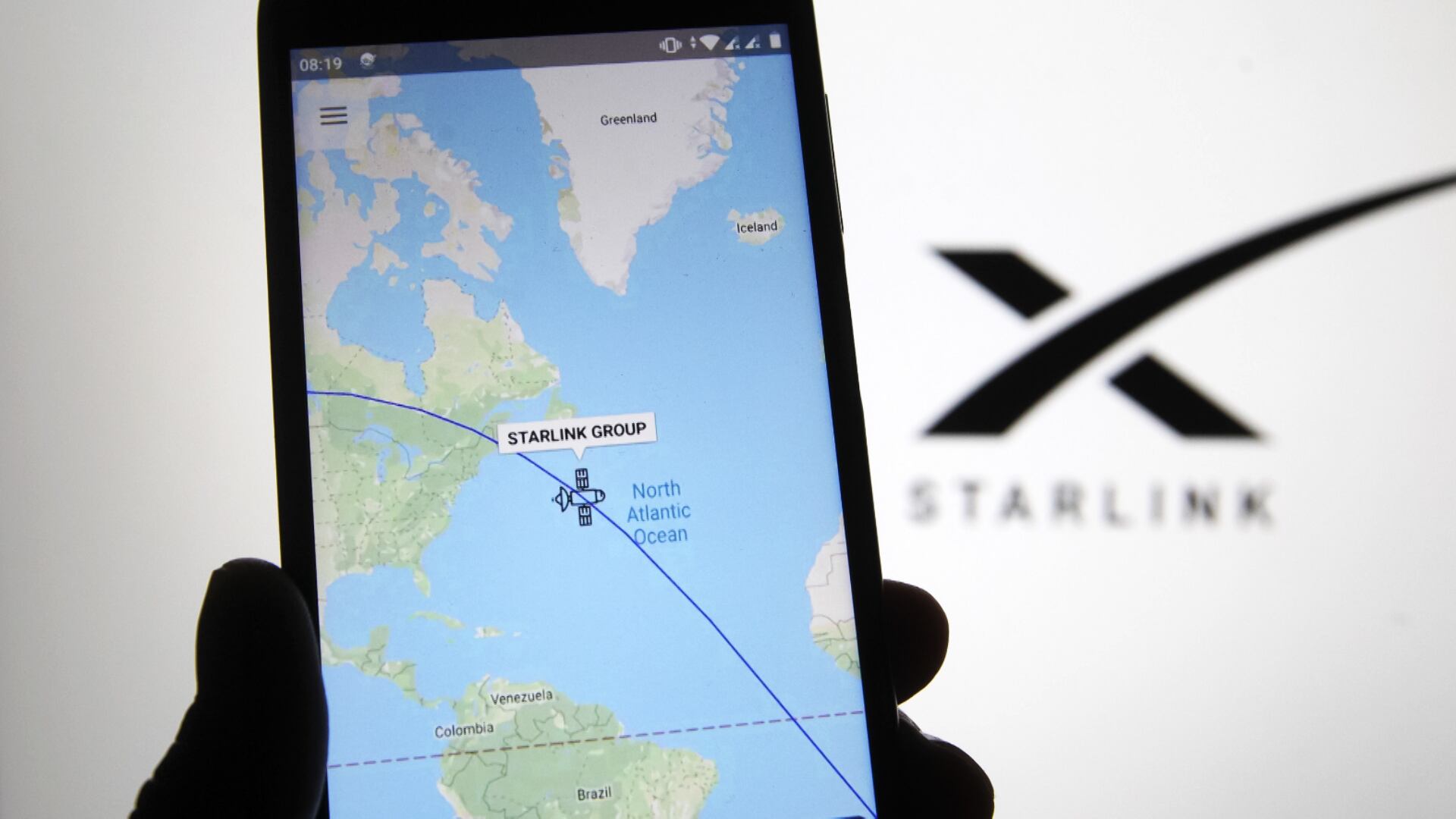
Amazon plans to launch its first prototype satellites for Project Kuiper, an internet-from-space venture, in 2022. It's the first major step in the e-commerce giant's plan to rival SpaceX by building a network of satellites in space, providing internet to rural, underserved communities around the world. Loren Grush, senior science reporter for the Verge, discusses the project and how it could transform internet access moving forward.
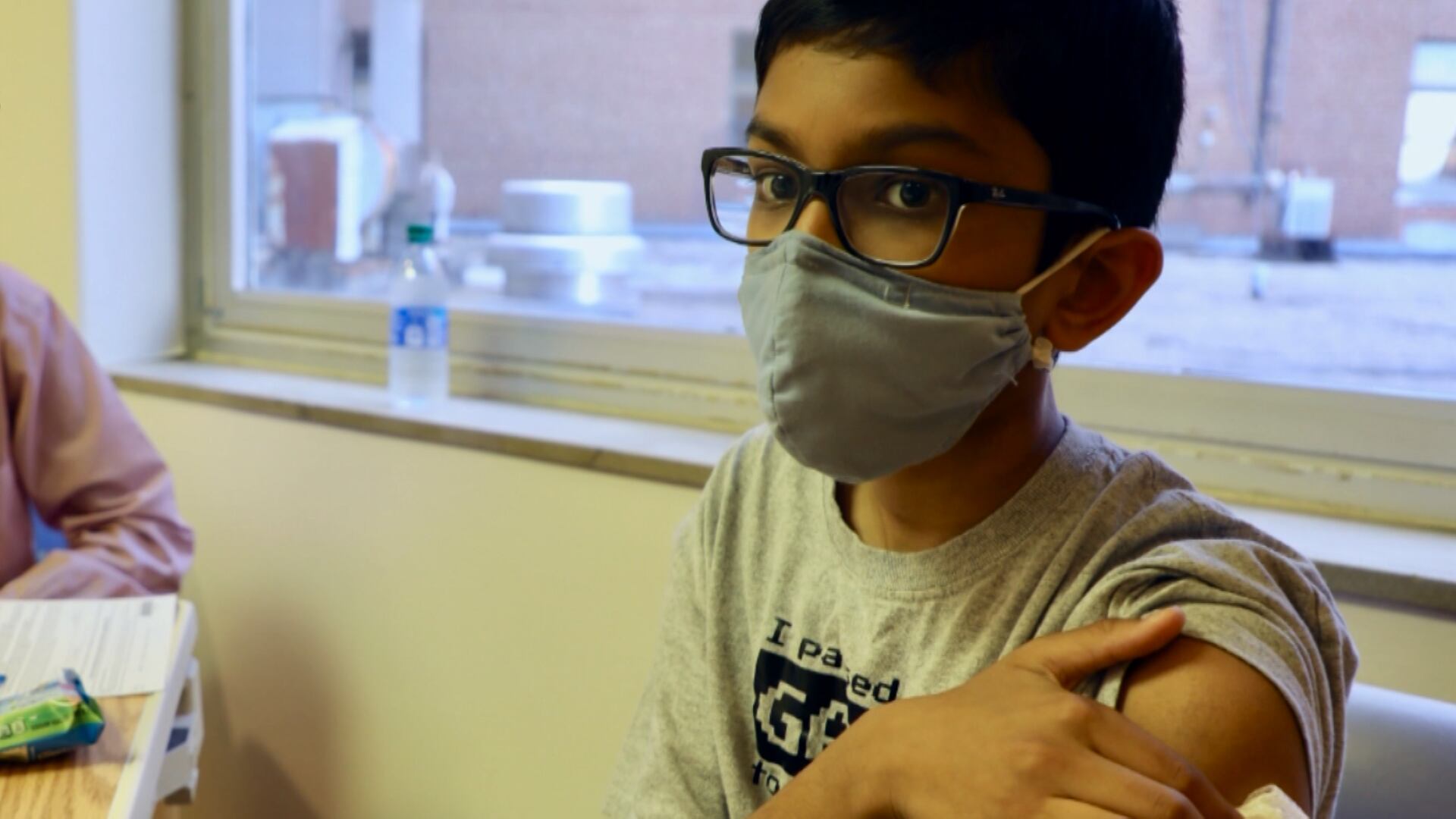
The FDA is assessing whether the Moderna vaccine can cause heart problems in adolescents. Professor Peter Pitts, founder of the Center for Medicine in the Public Interest and former FDA Associate Commissioner, discusses what the FDA is looking into and what it means for the millions of kids yet to be vaccinated.
Pfizer posted an earnings beat in its third quarter, with revenue soaring over 134% thanks to solid Covid-19 vaccine sales. Pfizer also raised its outlook for the full-year, expecting revenue to surpass $80 billion. Peter Andersen, CEO & founder of Andersen Capital Management, joined Cheddar Movers to discuss.
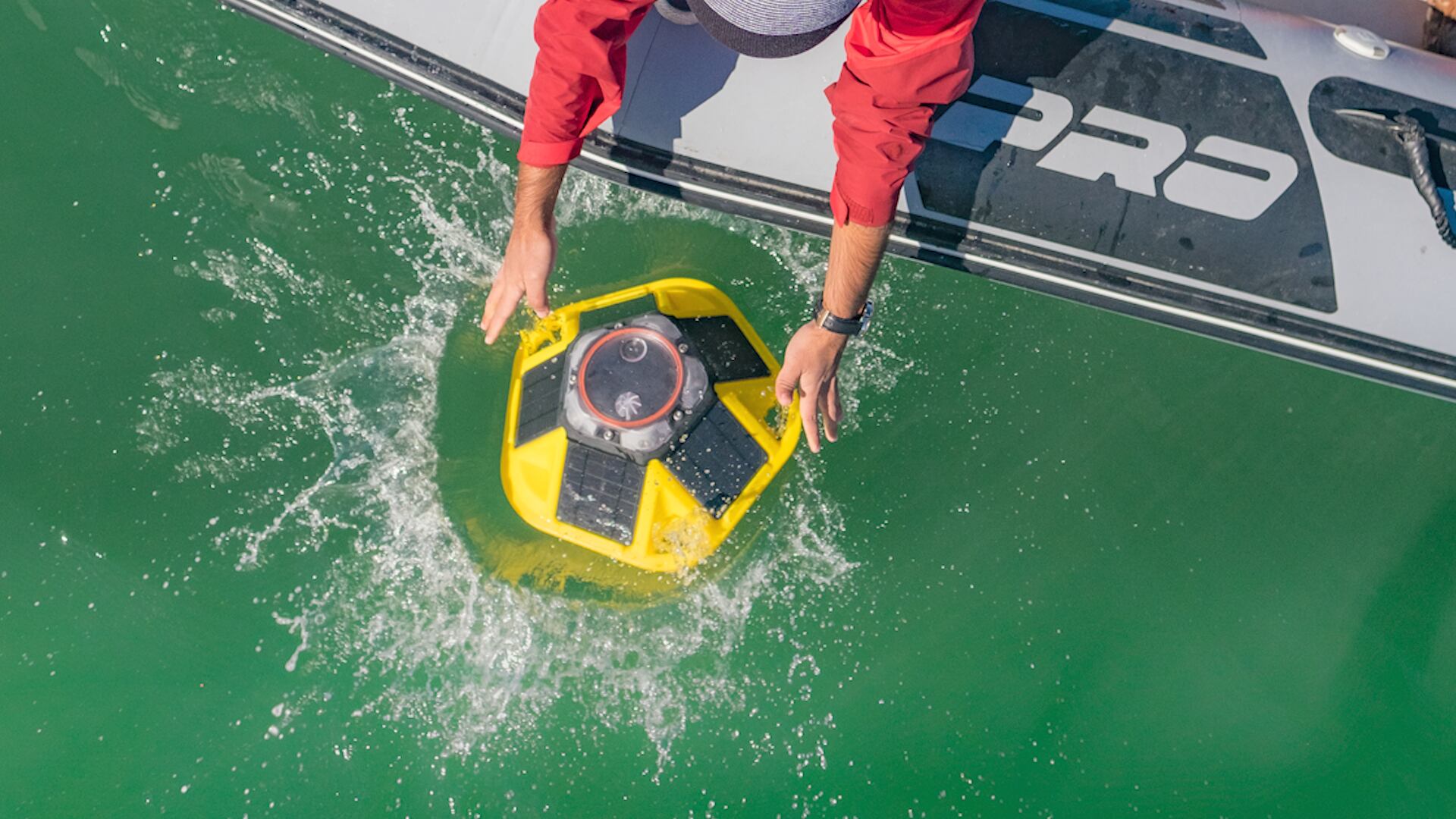
Cheddar gets a look at Curiosity Stream's 'Ancient Oceans'; Deep-sea biologist Heather Bracken-Grissom sheds light on some of the monsters that we can and cannot explain lurking in the darkness of the ocean's depths; Tim Janssen, CEO of Sofar Ocean, discusses Sofar Ocean's latest round of Series B funding, and how Sofar Ocean is helping connect all five oceans to help everything from climate change to the global shipping industry.
Tim Janssen, CEO of Sofar Ocean, joins 'Cheddar Reveals' to discuss Sofar Ocean's latest round of Series B funding, and how Sofar Ocean is helping connect all five oceans to help everything from climate change to the global shipping industry.
Deep-sea biologist Heather Bracken-Grissom joins 'Cheddar Reveals' to shed light on some of the monsters that we can and cannot explain lurking in the darkness of the ocean's depths.
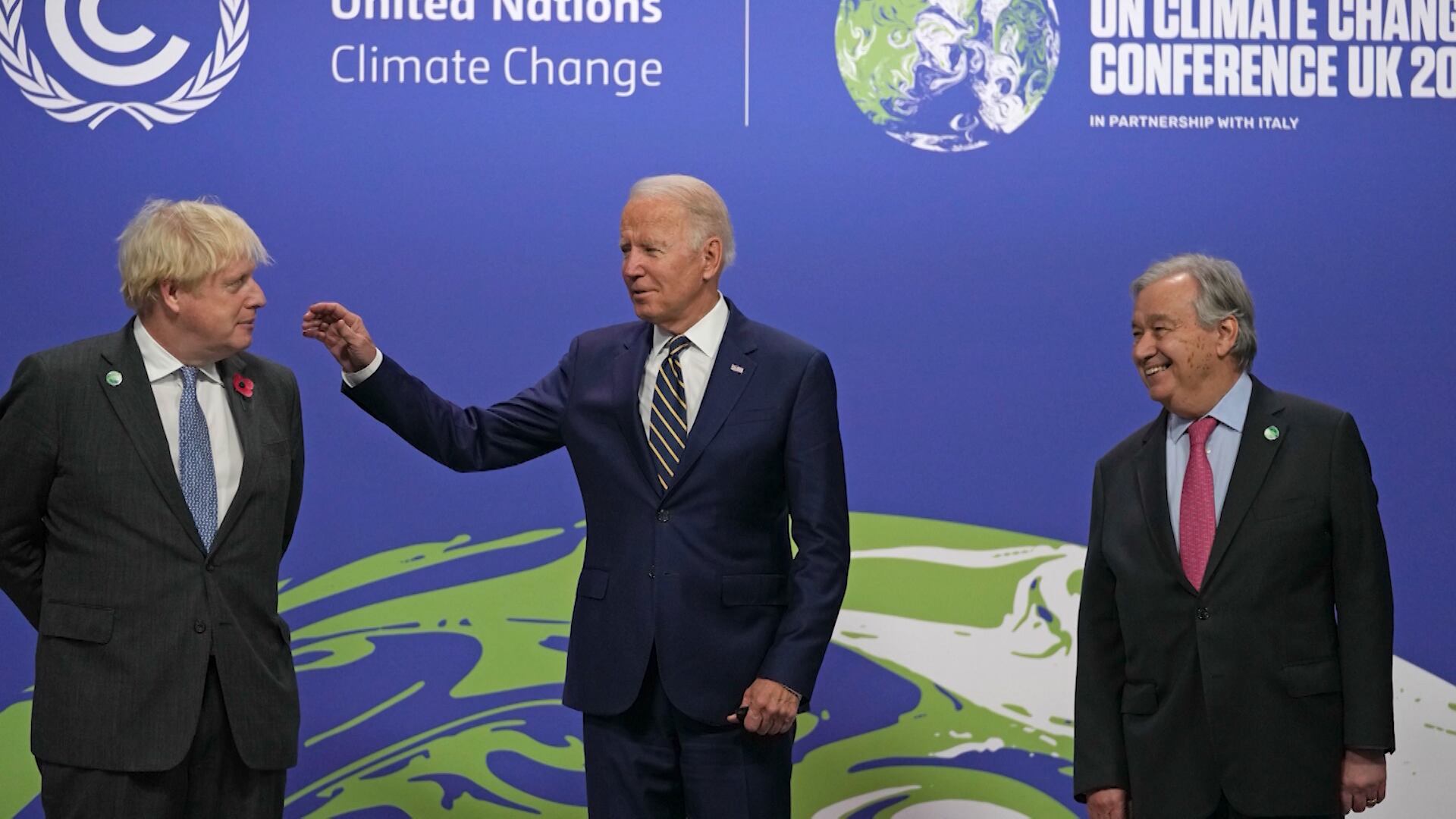
Leaders around the world have come together to discuss plans to bring action towards the Paris Agreement along with solutions on how to solve the evolving climate change crisis at the COP26 Summit. President and CEO of Center for International Environmental Law Carroll Muffett, joined Cheddar to discuss more.
Rachel Cleetus, the policy director and lead economist of the climate and energy program for the Union of Concerned Scientists, joined Cheddar to break down some of the key goals from the COP26 summit and why leaders must focus on the science of climate change instead of getting bogged down by petty politics and the fossil fuel industry. "The main thing they have to do, make sure we're cutting our emissions sharply within this decade because the science shows that we have to cut global emissions in half by 2030 if we're going to meet our goals of averting some of the most catastrophic impacts of climate change," she said.
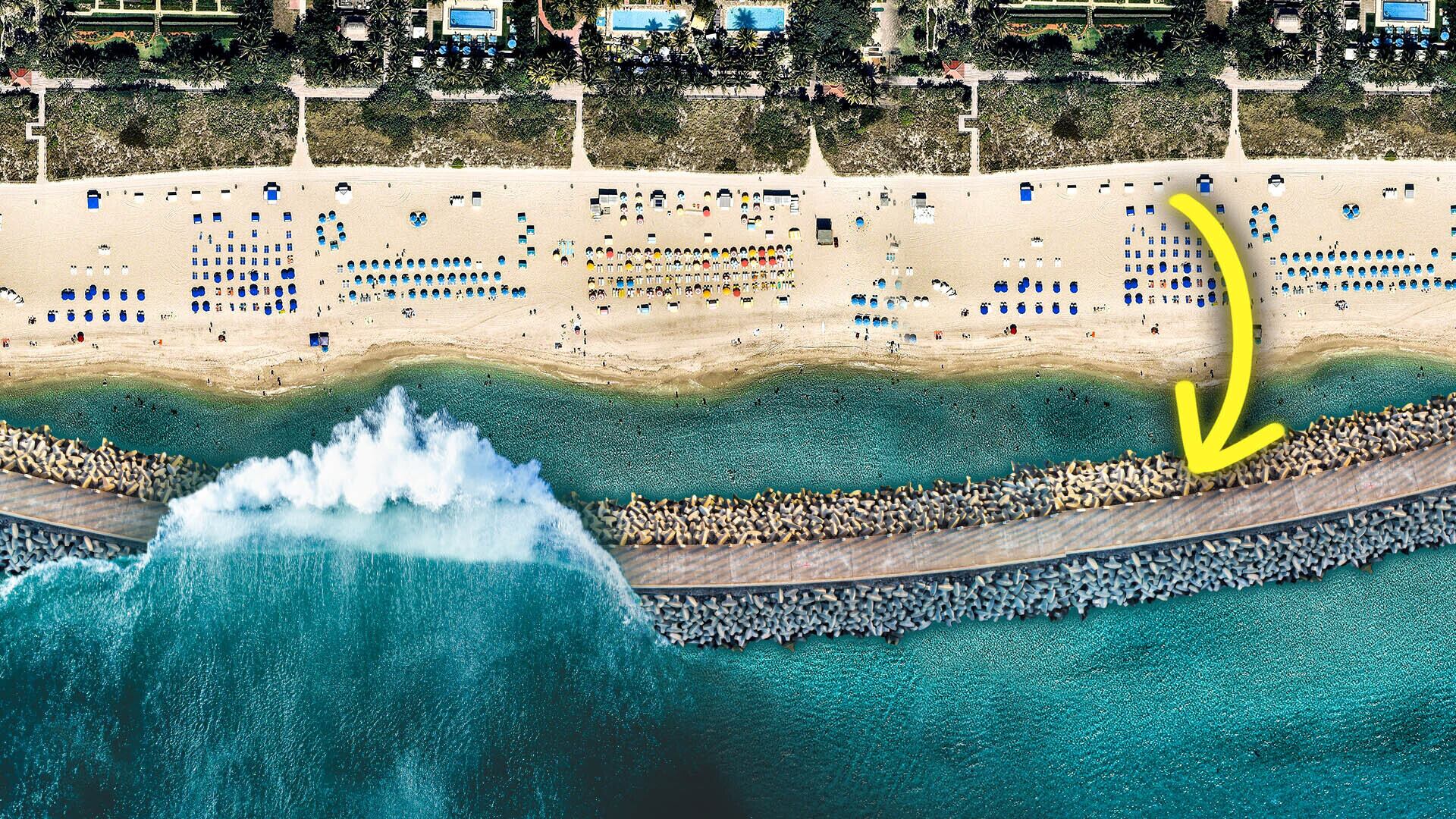
Coastal cities around the world are grappling with sea level rise. And building a seawall? Not so fast. While a sea wall can be effective in certain scenarios, it can make the effects of sea level rise worse. That’s why municipalities are looking into creative alternatives.