Astronaut Scott Kelly, who spent 340 days in space, has some advice for those who are experiencing loneliness during the coronavirus pandemic.
"I think the biggest lesson I learned is that even though you're isolated, you don't have to be alone," Kelly told Cheddar. "There are things that you can do, actions you can take to connect with people, because social isolation, especially for older adults, can lead to loneliness and depression, which is a public health threat."
Kelly is partnering with the AARP Foundation to promote this message in the coming month. The interest group dedicated to helping Americans over 50 is compiling resources on connect2affect.org, including articles, surveys, and a search function for local services, that aim to help older adults combat social isolation.
Behind this effort is a new study from the foundation showing that two-thirds of adults reported experiencing social isolation and high levels of anxiety during the pandemic, which is now well-understood to potentially cause harm to physical and mental health.
"One thing that NASA has learned by having people in space for a long time for many, many years is that being isolated can not only affect your mental health but also your physical health," he said. "Particularly your immune system can be affected by being isolated, by not getting outside, not getting enough sunlight, not getting out in nature, being disconnected from your friends and family."
Helping people overcome the stigma of seeking treatment for mental health issues is another aspect of the partnership. Kelly explained that he was required to speak with a psychologist every two weeks while living in space, whether he felt he needed it at the time or not.
Kelly also commented on another earthbound matter. His brother, fellow astronaut Mark Kelly, is currently running for Senate in Arizona on the Democratic ticket. If he wins, it could have significant consequences regarding, for instance, the confirmation of a Supreme Court nominee like Amy Coney Barrett.
"Well I'm his brother, so of course I'm a big supporter of his," he said. "I think people mostly need to understand that even though it's not a requirement in our country to vote, that I think it's a civic responsibility, and as we get closer to the election, everyone should have a plan to vote."
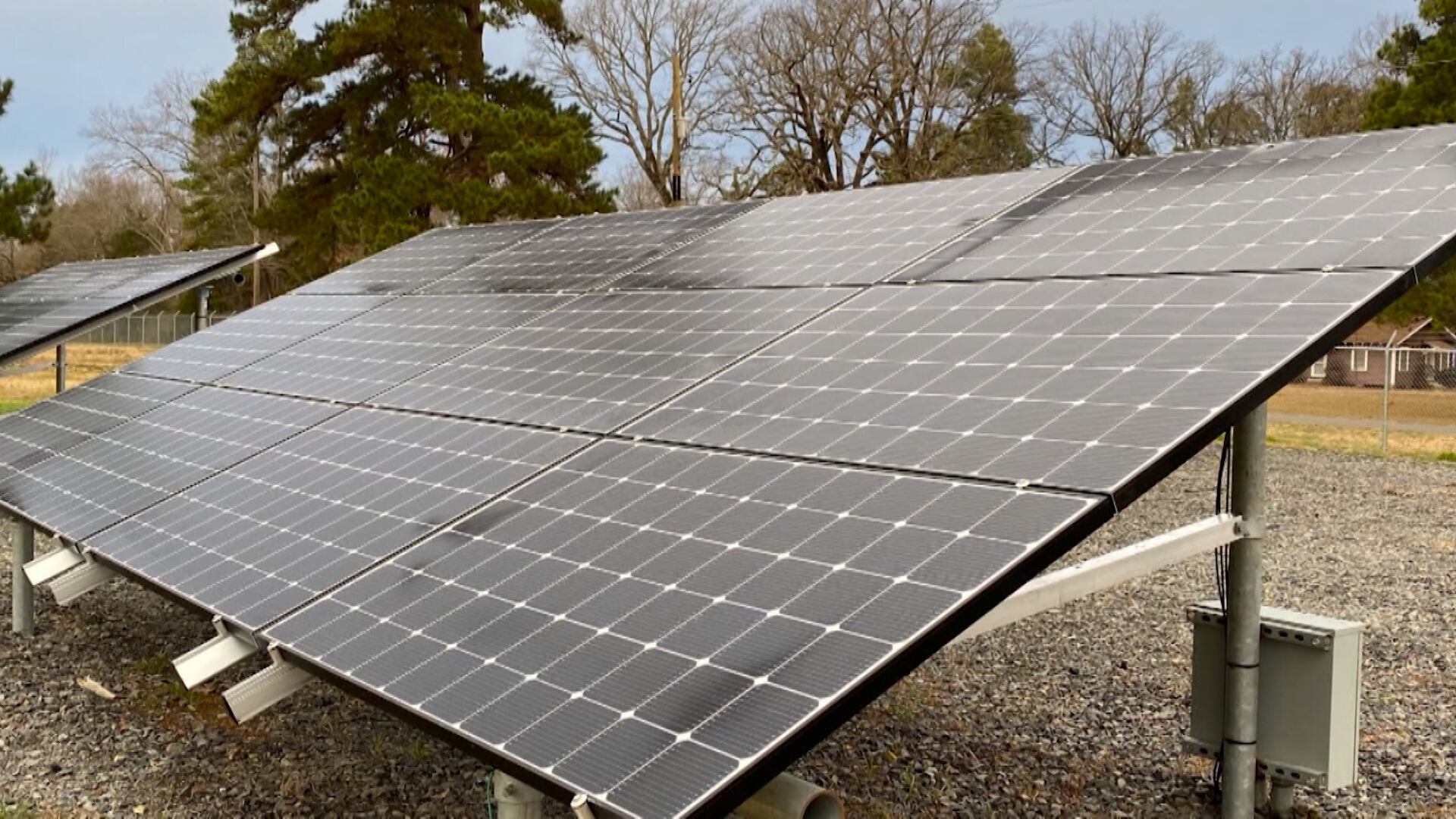
Heila Technologies, a startup that develops hardware and software to integrate renewables and batteries on a microgrid, is helping to power the first clean energy microgrid for Auto Mercado, a top supermarket chain in Costa Rica. The plant will reduce 20 tons of CO2 emissions per year. Heila Technologies CEO Francisco Morocz joins Cheddar Climate to discuss.
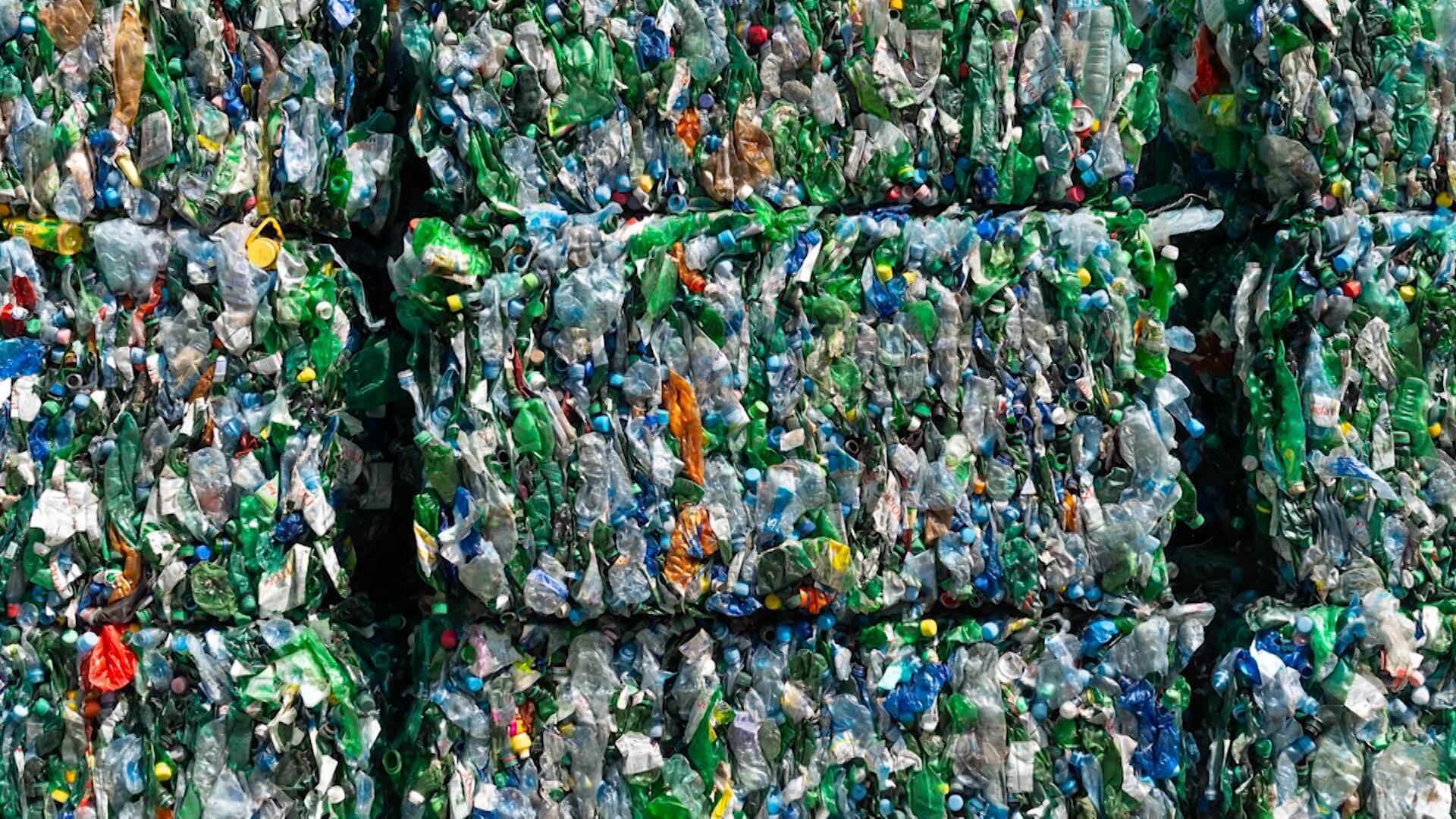
The U.S. has a million-ton problem: each year, hundreds of pounds of plastic waste are produced per person, and that leads to close to 2 million tons of that waste leaking into the environment. Eight million tons end up in the ocean, where it hinders marine life, damages ecosystems, and impacts industry. But in recent years, Congress has introduced measures including the Save our Seas act to try to mitigate the issue and turn our plastic problem around. Sen. Chris Murphy (D-CT) joins Cheddar Climate to discuss why the U.S. is the top global polluter of plastic, what Congress is doing to try to fix the issue, and more.
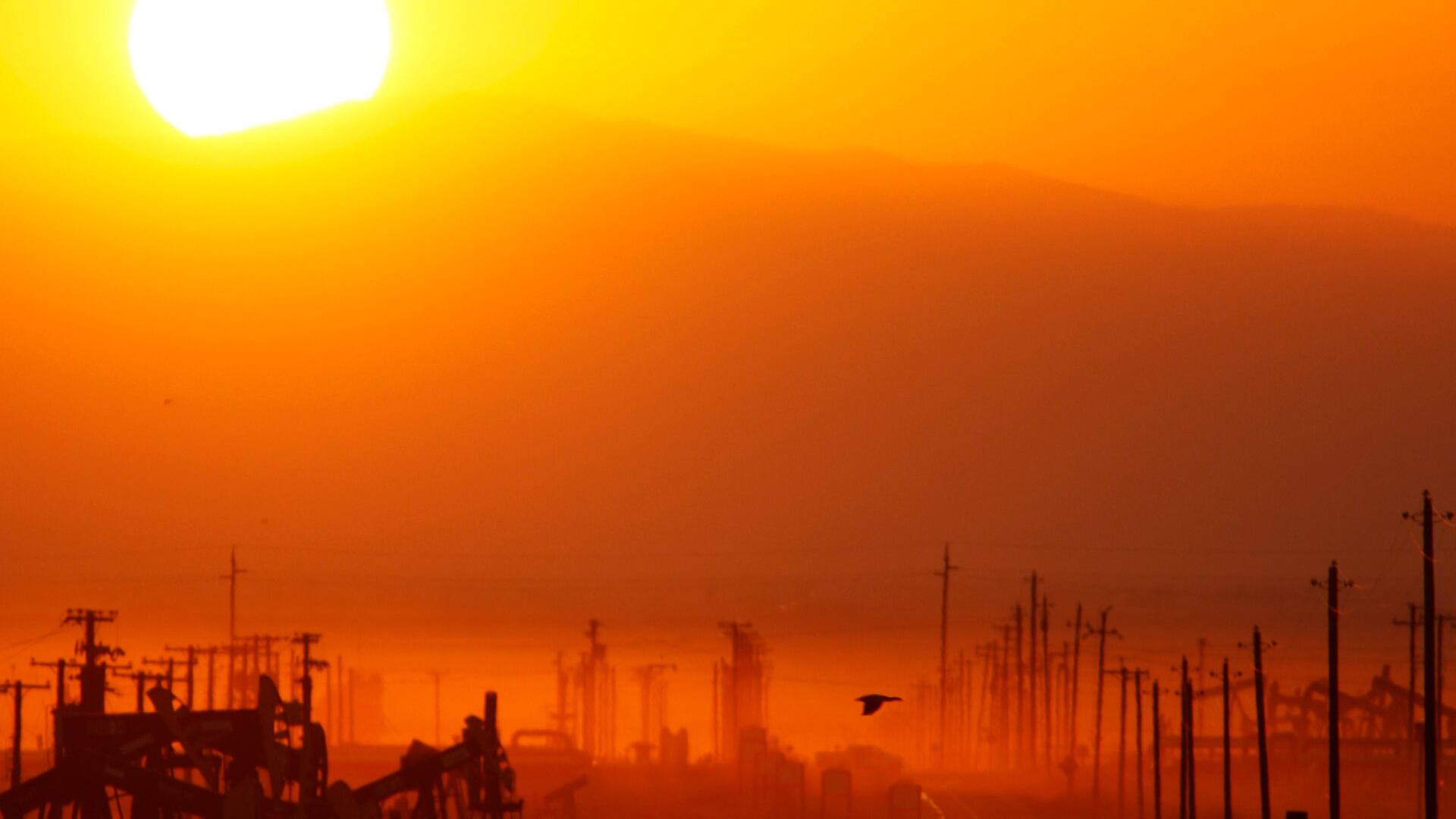
Daniel Huppmann, researcher at International Institute for Applied Systems Analysis, joins Cheddar Climate, where he explains how the global economy could be 2% bigger by 2100 if the world can hold global warming below 1.5°C.
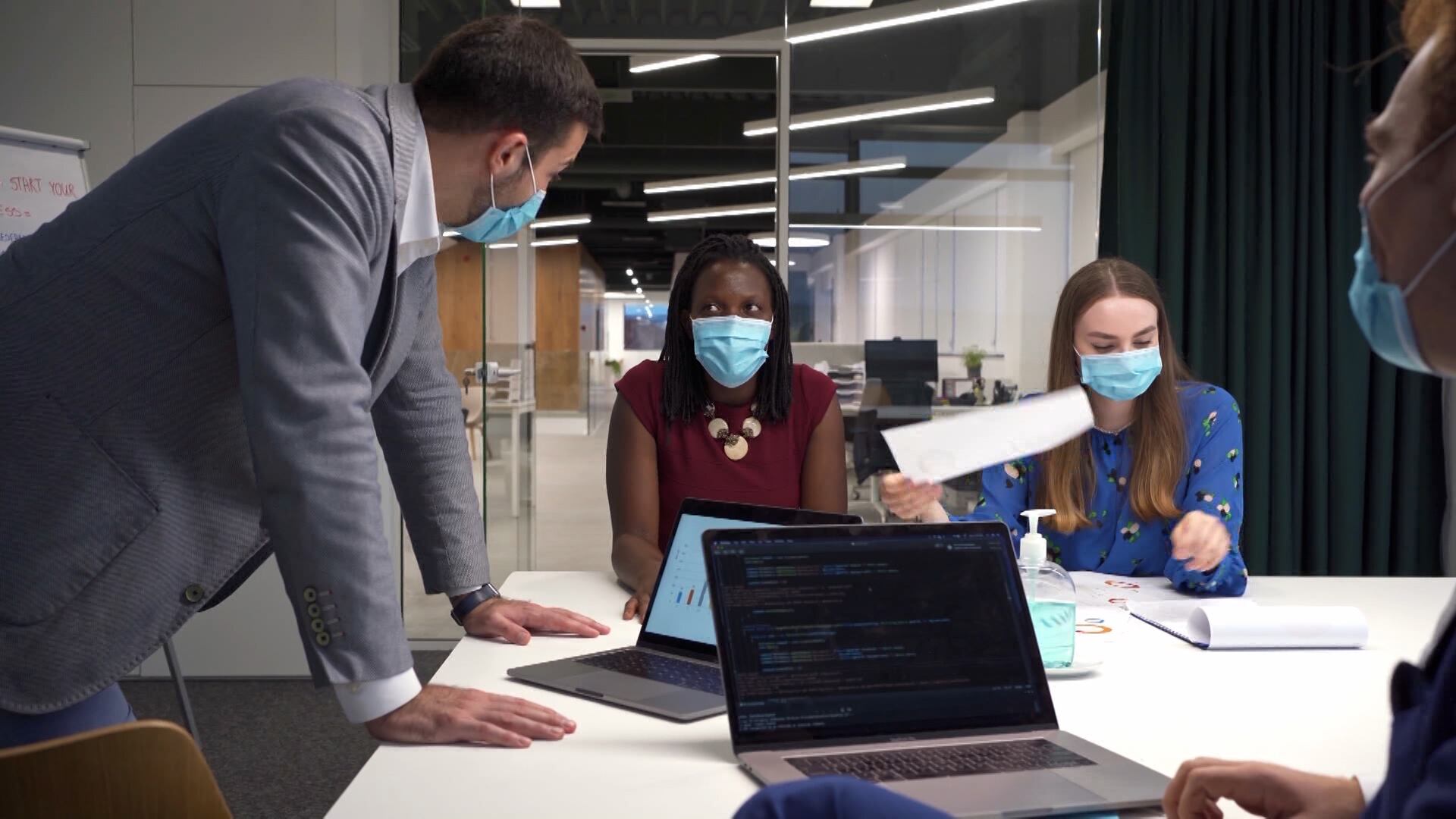
While the World Health Organization strongly advises against a COVID-19 vaccine mandate, national and local governments are moving to make inoculations compulsory. Cheddar News speaks with Dr. Joel Zinberg of the Competitive Enterprise Institute on the issue.
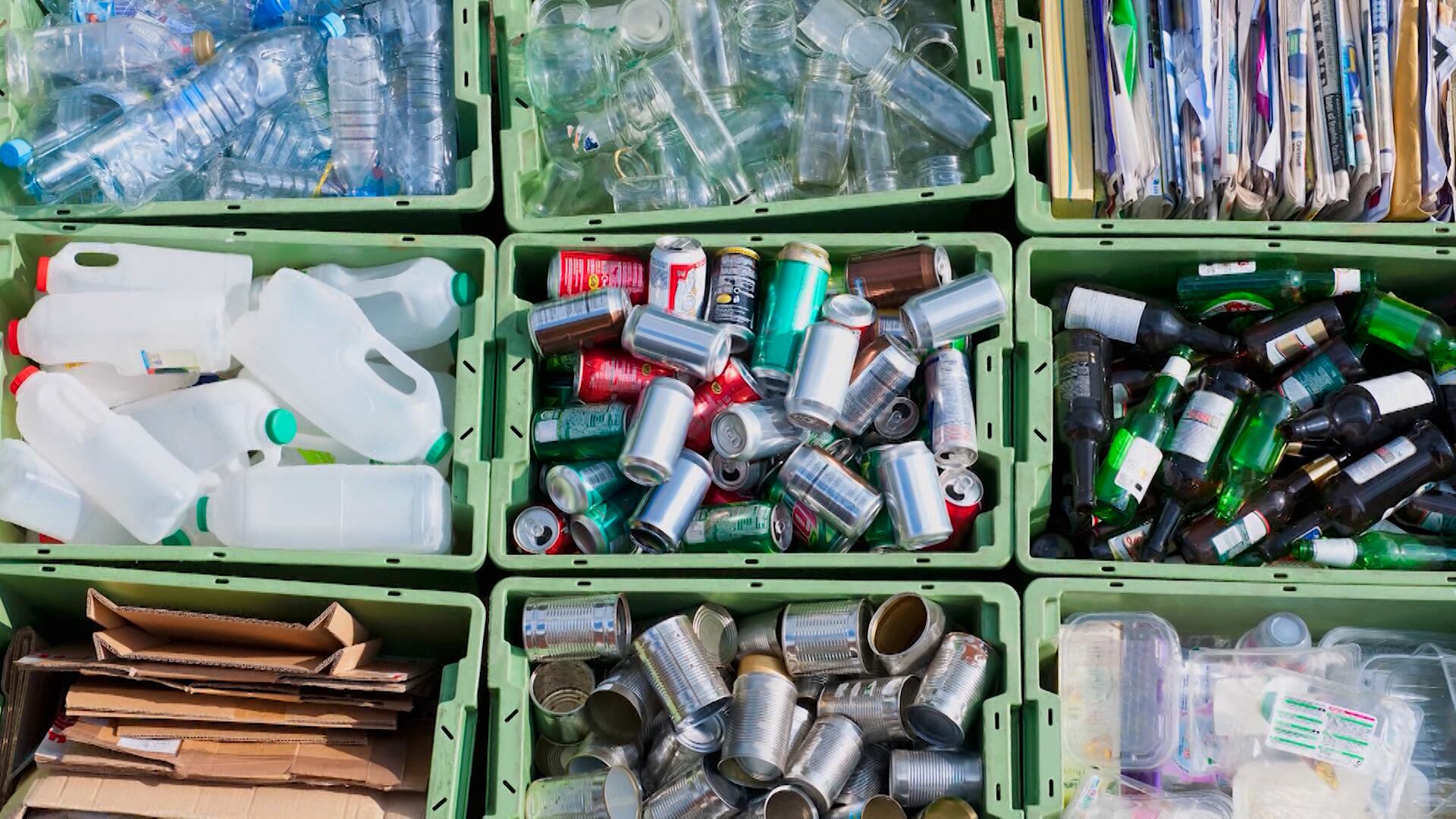
Cheddar breaks down the challenges of plastic recycling and what one company is doing to help offset the negative environmental impact of single-use plastics.
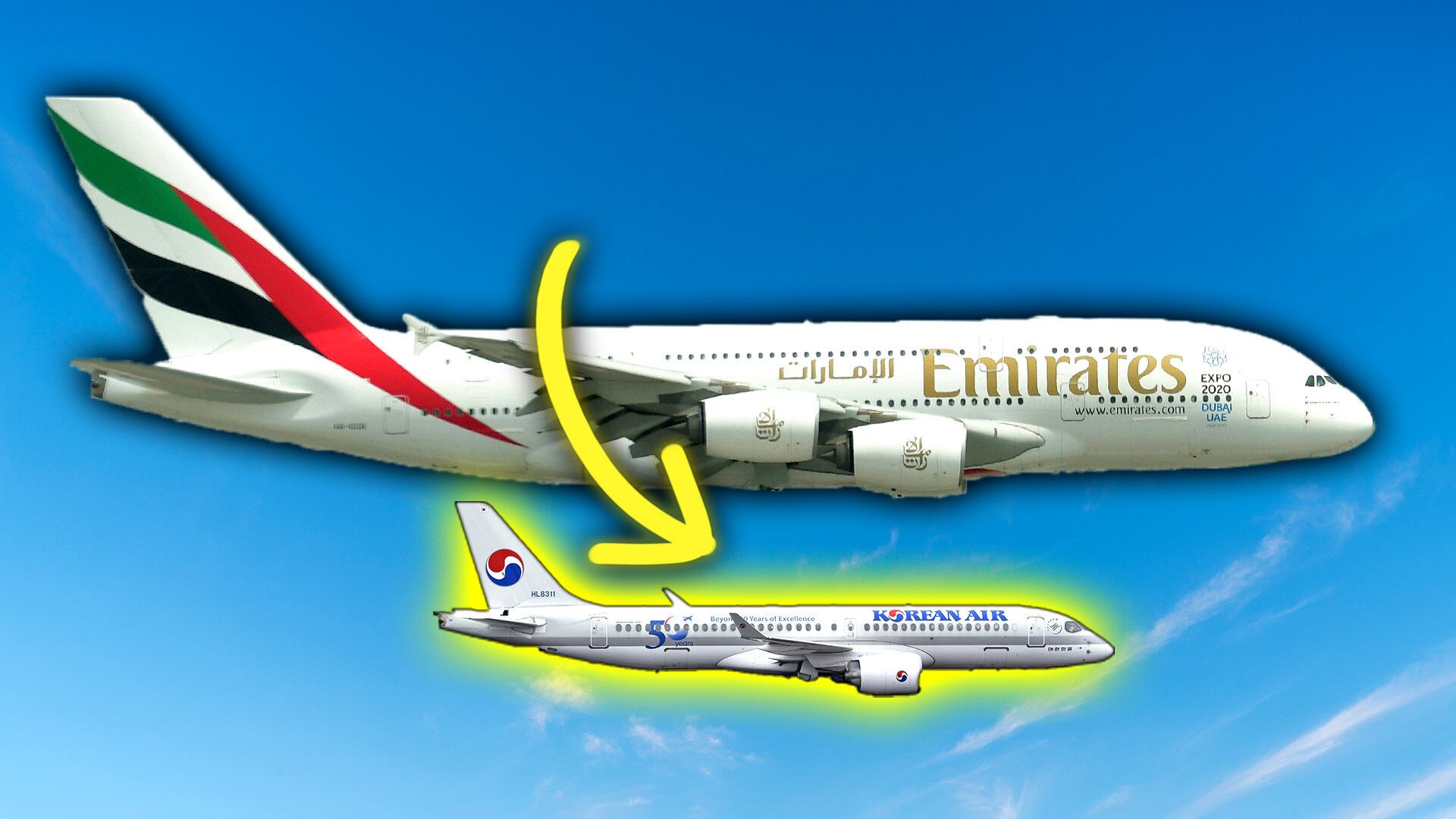
Earlier this year, JetBlue flew its inaugural flight into the United Kingdom. It was a game changer — not only did the airline enter the transatlantic market, but the plane that completed the flight was a single-aisle jet. For decades, flying the distance was synonymous with jumbo jets, but today narrow-body aircraft are now proving they are up for the task — and maybe even the best option. In this episode, Cheddar examines why airlines are betting on narrow-body aircraft.
Carlo and Baker discuss the sweeping new vaccine mandate in NYC that will target all private businesses. Plus, Trump's media venture gets its CEO and more.
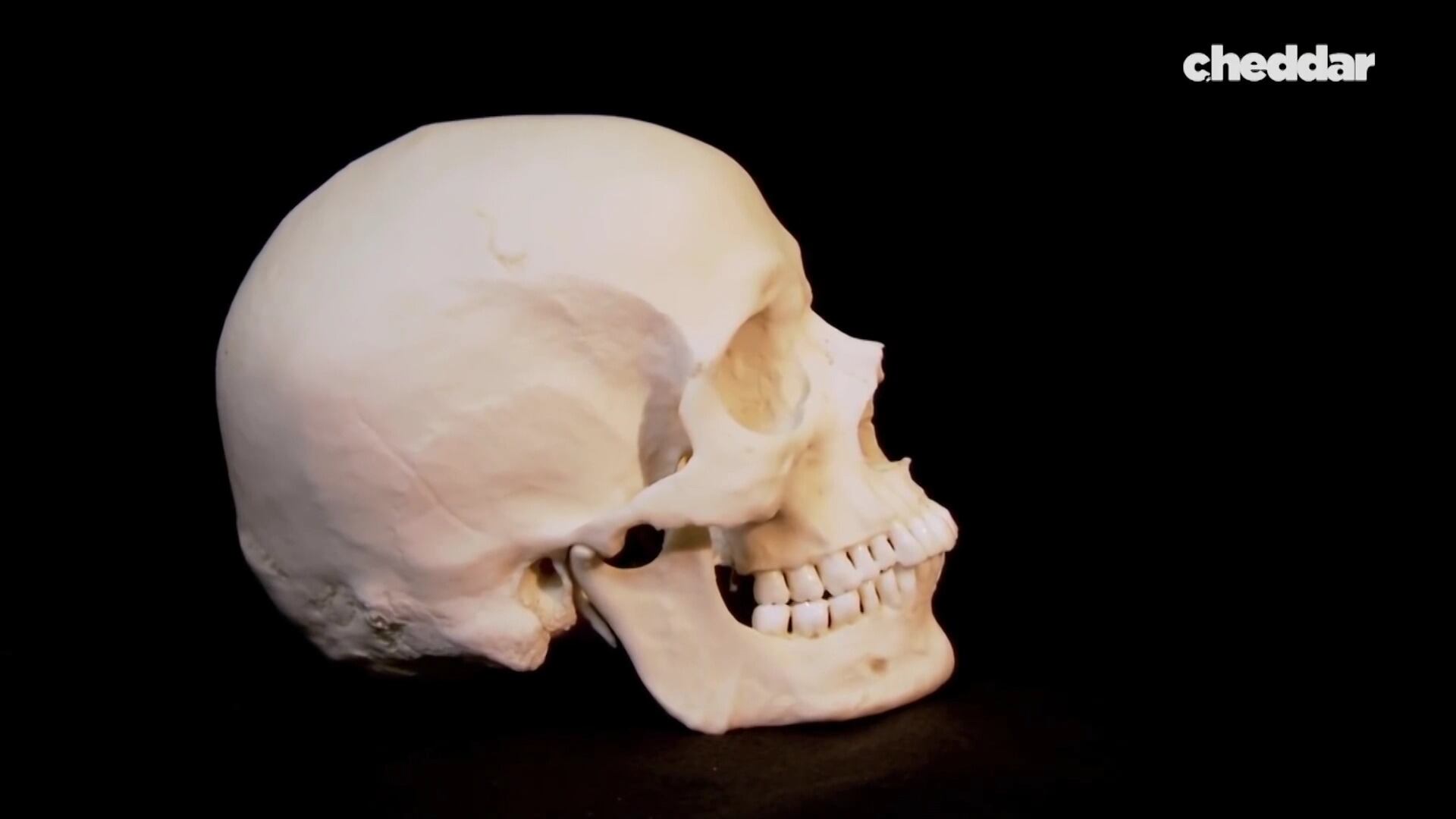
Humans are scientifically the most successful species in the history of planet earth. And for this we can thank our opposable thumbs, proportionally large brains, and our upright posture. But for all our anatomical wonders, we still have some pretty major flaws.