Nissin Foods is celebrating the 50th anniversary of its staple product, Top Ramen, and CEO Mike Price said the company's founding principles of bringing peace by combating hunger remain true after all those decades.
"I think we believe this today," Price told Cheddar. "If there was food readily available around the world, there would be no more wars."
Top Ramen first hit shelves in Japan following World War II as the destructive aftermath left a strain on the country's food supply. A parallel to today as food insecurity is on the rise globally, particularly amid the coronavirus pandemic. While other industries have been stifled by the pandemic, Nissin contends it has been at its most productive.
"We've had no disruptions on the manufacturing side at all, and the reality is demand is at the highest we've ever seen it here in the United States," Price said.
As more of its noodles make it home to the pantry, Nissin isn't compromising on the quality of Top Ramen, according to the CEO, and customers are still getting the same inexpensive staple they've been getting since the company's inception.
"A few years ago, in response to what consumers were telling us, we did reduce the amount of sodium in our products," Price added. "We also took out added MSG, but otherwise, it's been pretty consistent for the last 50 years."
To celebrate its golden anniversary, Nissin its #HowDoYouTopRamen contest that features prizes of $10,000, a 50-year supply of noodles, and the title 'Chief Noodle Officer' awarded to the most creative dish using Top Ramen judged by Top Chef: All-Stars L.A. winner Melissa King.
Atlanta Mayor Andre Dickens shares plans for affordable housing, community-led growth, and why private and public grocery stores could be key to food equity.
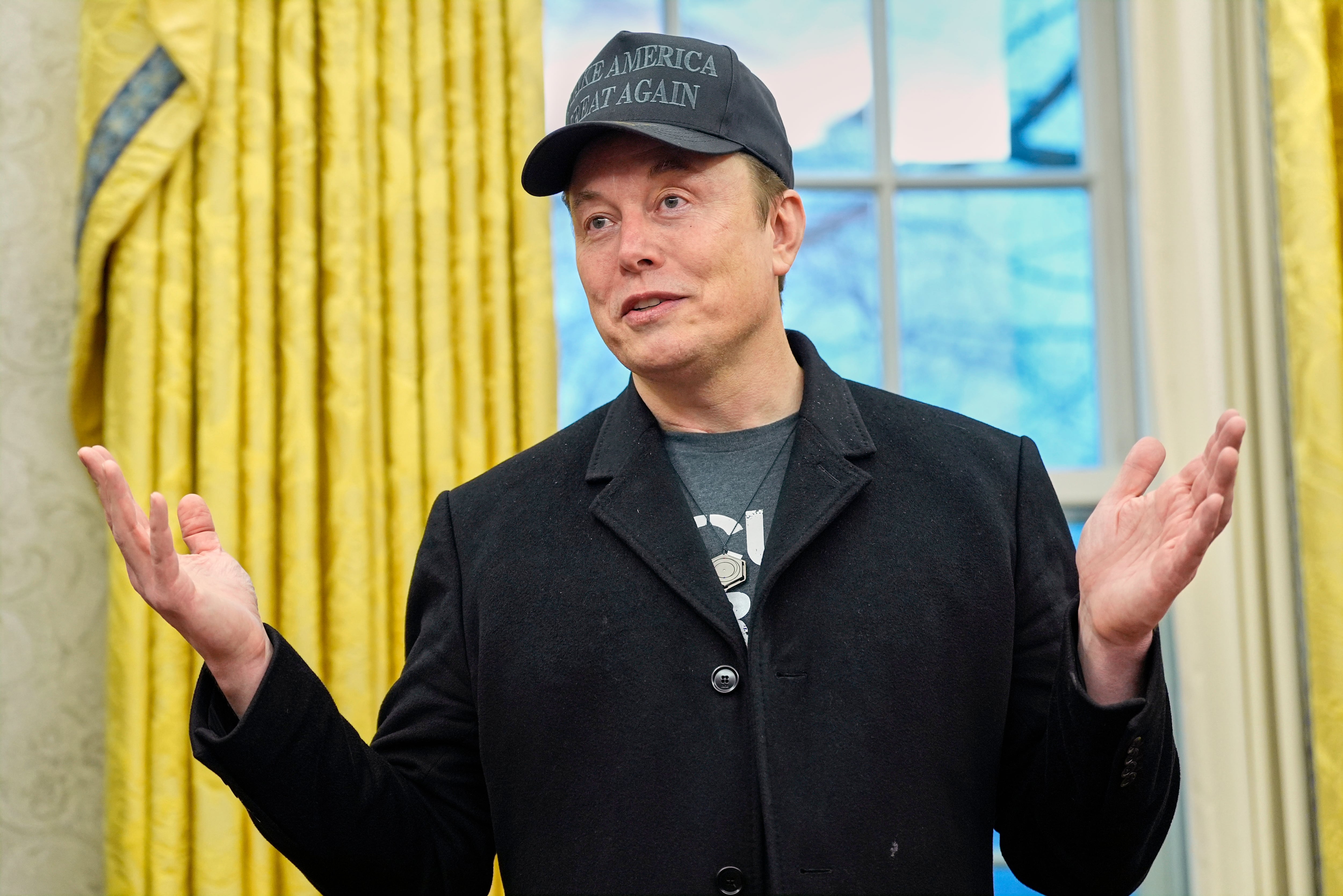
Tesla reported a surprise increase in sales in the third quarter as the electric car maker likely benefited from a rush by consumers to take advantage of a $7,500 credit before it expired on Sept. 30. The company reported Thursday that sales in the three months through September rose 7% compared to the same period a year ago. The gain follows two quarters of steep declines as people turned off by CEO Elon Musk’s foray into right-wing politics avoided buying his company’s cars and even protested at some dealerships. Sales rose to 497,099 vehicles, compared with 462,890 in the same period last year.
Tom’s Guide Editor-in-Chief Mark Spoonauer breaks down Apple & Amazon's latest product drops—what's hot, what's hype, and what really matters for users.
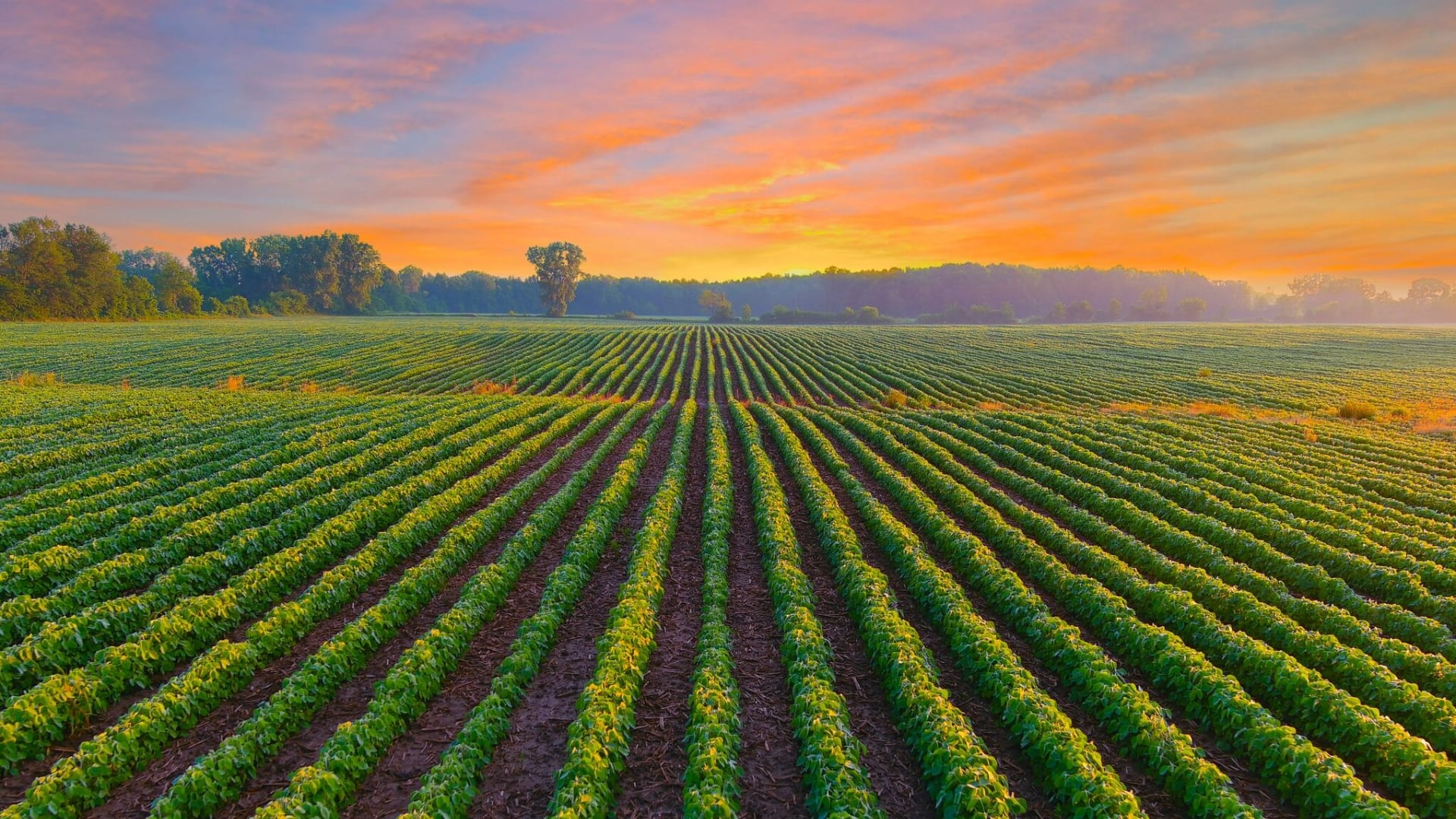
InnerPlant CEO Shely Aronov reveals how engineered crops like soybeans and corn emit signals when stressed—offering farmers early warnings to boost yields.
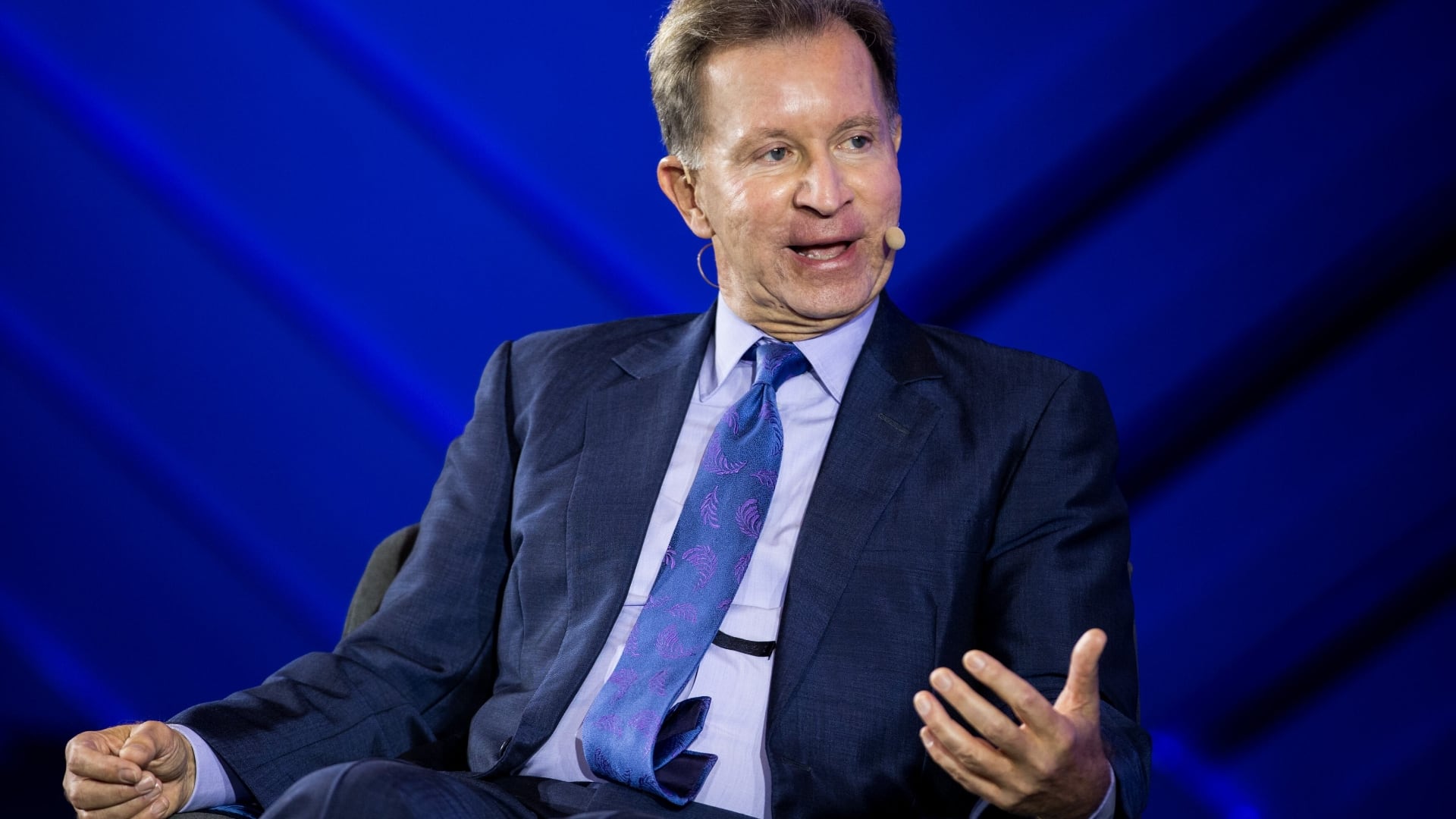
Payoneer CEO John Caplan discusses the implications of $100K H1B visa requirements—and how they could reshape tech talent, hiring, and U.S. competitiveness.