Spring may be nearly two weeks away, but winter seems to be making (at least!) one last stand.
“We think there’s going to be a storm developing across the South this weekend, bringing heavy rains and thunderstorms to portions of the southeastern U.S,” Jon Porter, VP and head of AccuWeather Enterprise Solutions, told Cheddar.
“It does look like that’s going to be a threat to the Middle Atlantic and Northeast as we head into Sunday and Monday.”
The East Coast is still recovering from the second nor'easter to hit the region in the past week.
Just Wednesday, a New Jersey school teacher was struck by lighting during the thundersnow, and some New Yorkers were barricaded by up to 26 inches of snow. The snow fell at a rate of two to three inches per hour.
By Thursday morning, Winter Storm Quinn had left more than 1 million people without power. Porter told Cheddar that it’s going to take some time before everything is restored.
While a storm this weekend is not a “sure bet,” Porter told Cheddar “it’s something to watch as we head into the next several days.”
For the full interview, [click here](https://cheddar.com/videos/recapping-the-damage-of-winter-storm-quinn).
Blame geography for the U.S. getting hit by stronger, costlier, more varied and frequent extreme weather than anywhere on the planet, several experts said. But that's only part of it.
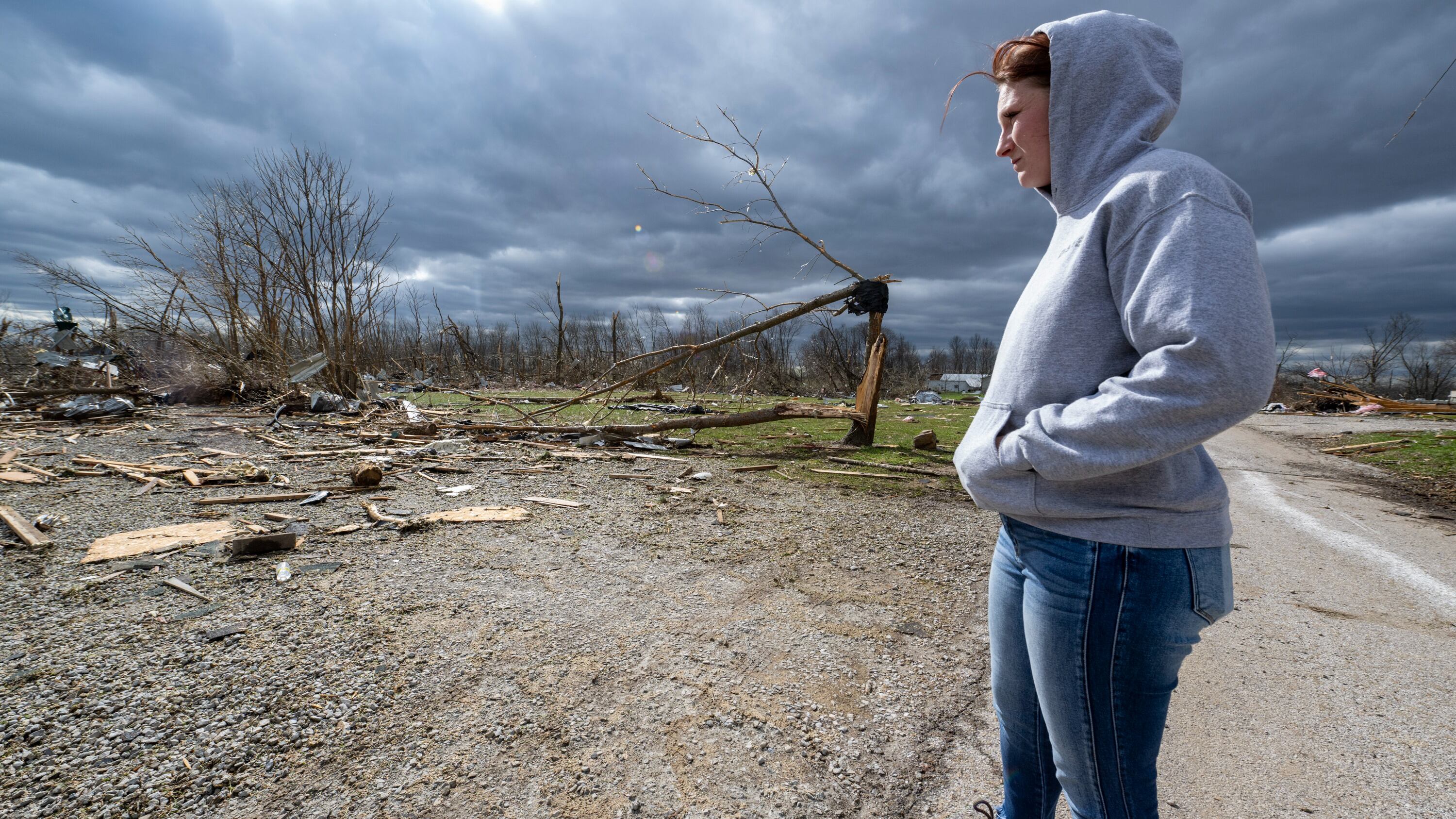
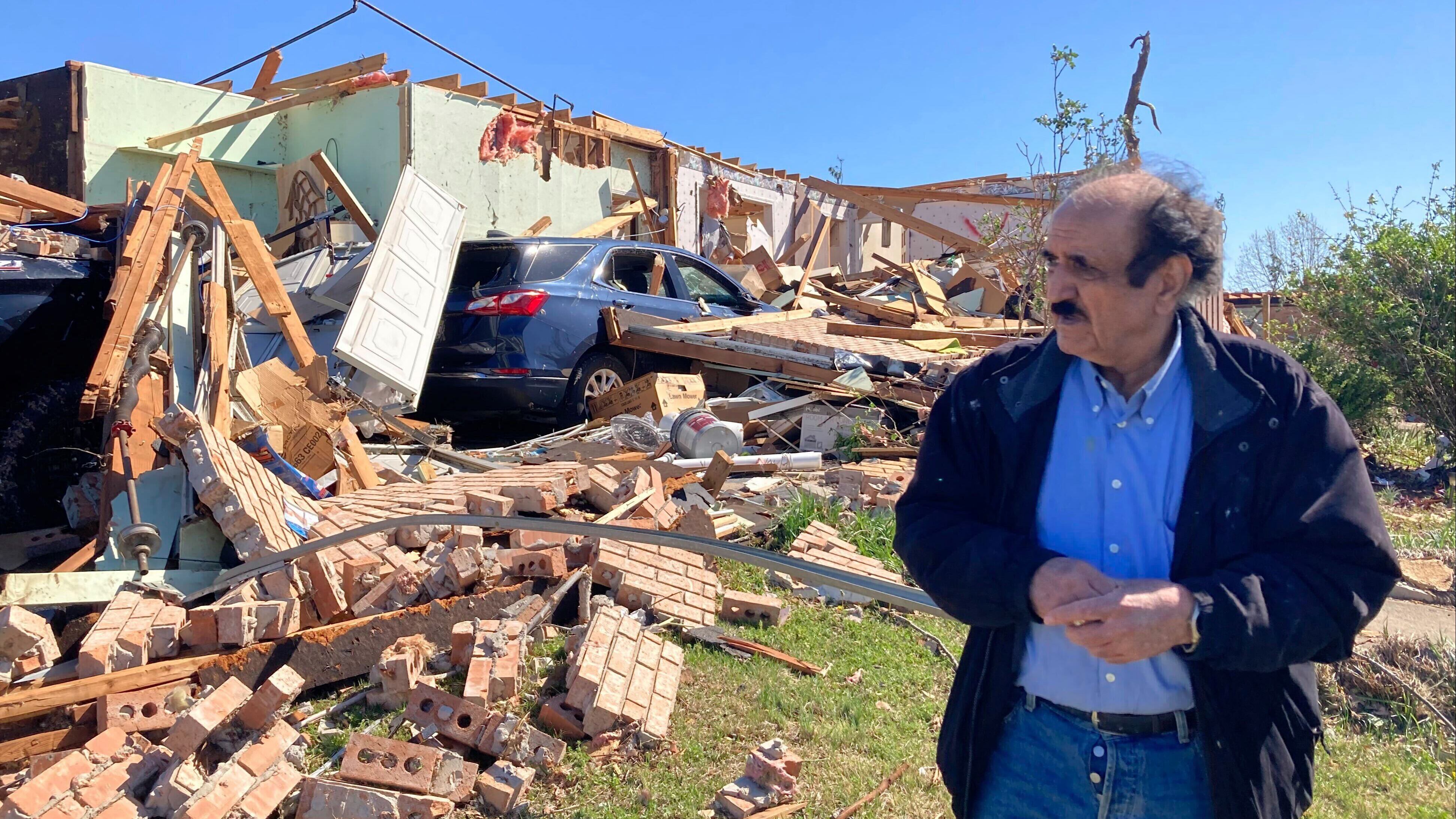
Residents across a wide swath of the U.S. raced Sunday to assess the destruction from fierce storms that spawned possibly dozens of tornadoes from the South and the Midwest into the Northeast.
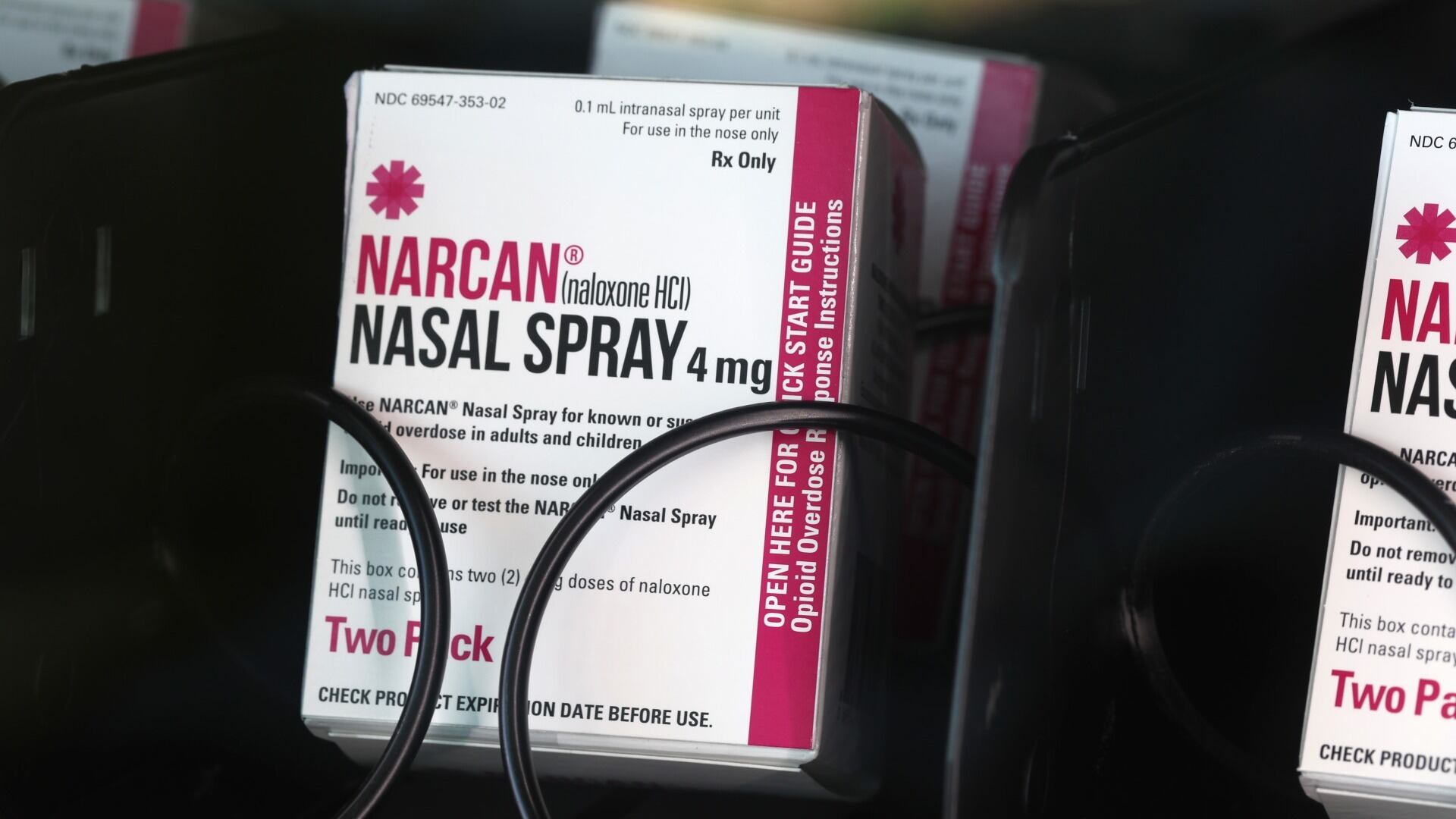
The U.S. Food and Drug Administration has approved selling overdose antidote naloxone over-the-counter, marking the first time a opioid treatment drug will be available without a prescription.
Millions of Americans could lose access to Medicaid on April 1, and Joe Dunn, senior vice president of public policy at the National Association of Community Health Centers, joined Cheddar News' anchor Shannon LaNier to discuss what this means for public health.