WASHINGTON (AP) — Americans’ view of the U.S. economy worsened in June, resuming a downward slide that had dragged consumer confidence to its lowest level since the COVID-19 pandemic five years ago.
The Conference Board said Tuesday that its consumer confidence index slid to 93 in June, down 5.4 points from 98.4 last month, which represented a brief uptick.
The regression surprised economists, who had expected a small uptick this month.
In April, American consumers’ confidence in the economy sank to its lowest reading since May 2020, largely due to anxiety over the impact of President Donald Trump’s tariffs.
A measure of Americans’ short-term expectations for their income, business conditions and the job market fell 4.6 points to 69. That’s well below 80, the marker that can signal a recession ahead.
Consumers’ assessments of the present economic situation declined by 6.4 points to 129.1.
Tariffs and the impact they could have on personal finances remained at the top of respondents’ minds, the Conference Board said.
Trump’s aggressive and unpredictable policies — including massive import taxes — have clouded the outlook for the economy and the job market, raising fears that the American economy is headed toward a recession.
Consumers’ fears of a recession during the next 12 months rose slightly in June and remain elevated, according to the survey results.
The Conference Board said that the three components of the expectations Index — business conditions, job prospects, and future income — all weakened.
It was the sixth straight month that respondents’ views of the job market deteriorated, though the reading remains in positive territory as the U.S. labor market continues to churn out jobs.
The Labor Department earlier this month reported that U.S. employers slowed hiring in May, but still added a solid 139,000 jobs amid uncertainty over Trump’s tariffs. Unemployment remains historically low at 4.2%.
Though concerns about inflation ticked down slightly in June, it remains a major concern among respondents, who frequently mentioned higher prices in tandem with tariffs.
A government report earlier this month showed that consumer prices ticked up in May to 2.4% from a 2.3% year-over-year increase in April. Core prices, which excludes the volatile food and energy categories, rose 2.8% for the third straight month. Economists pay close attention to core prices because they generally provide a better indication of where inflation is headed.
The Board said respondents’ references to geopolitics and social unrest increased slightly from previous months, but are still significantly lower on the list of consumers’ concerns.
The deadline for survey responses was June 18, before the U.S. targeted Iranian nuclear sites but after Israel’s bombing of Tehran.
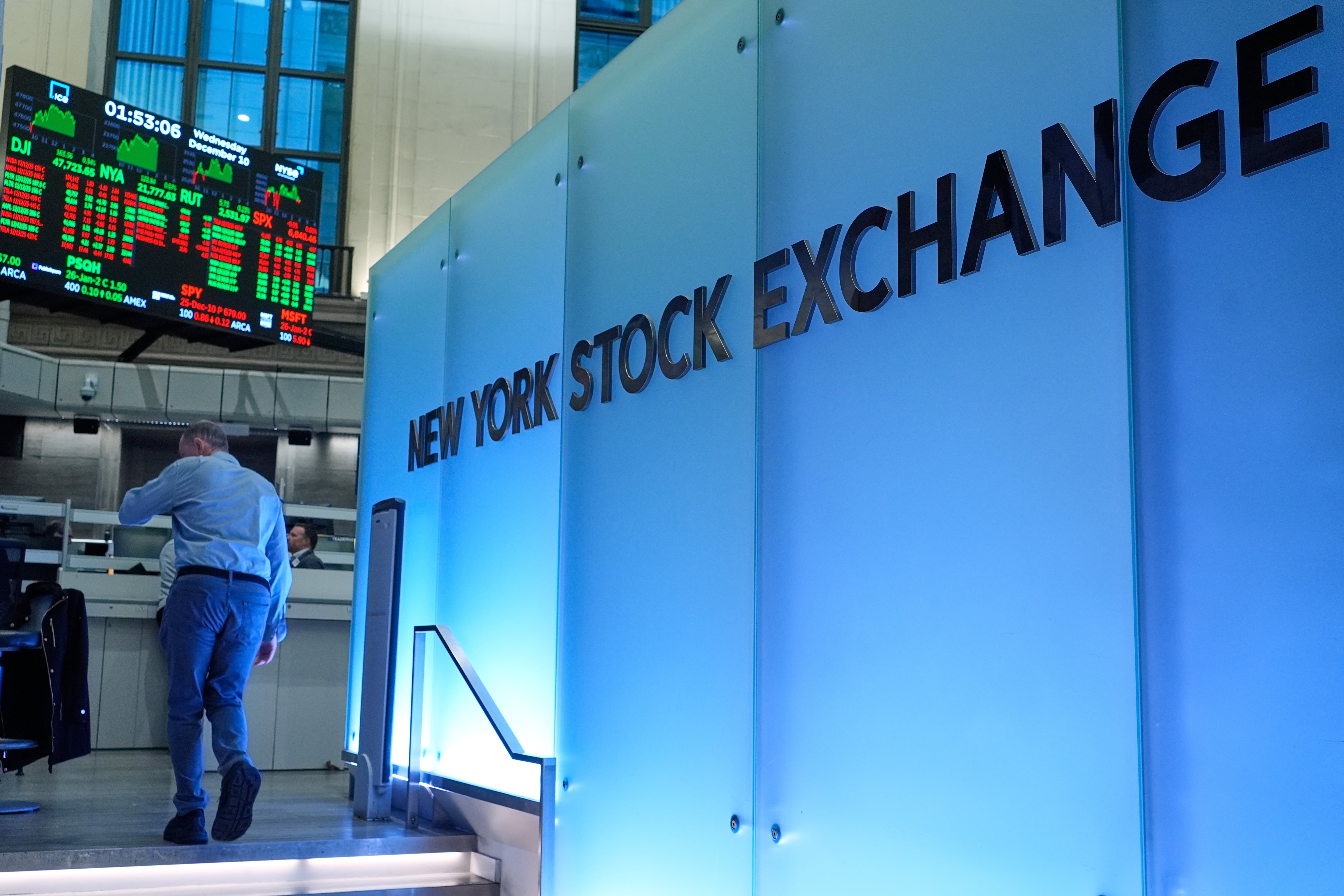
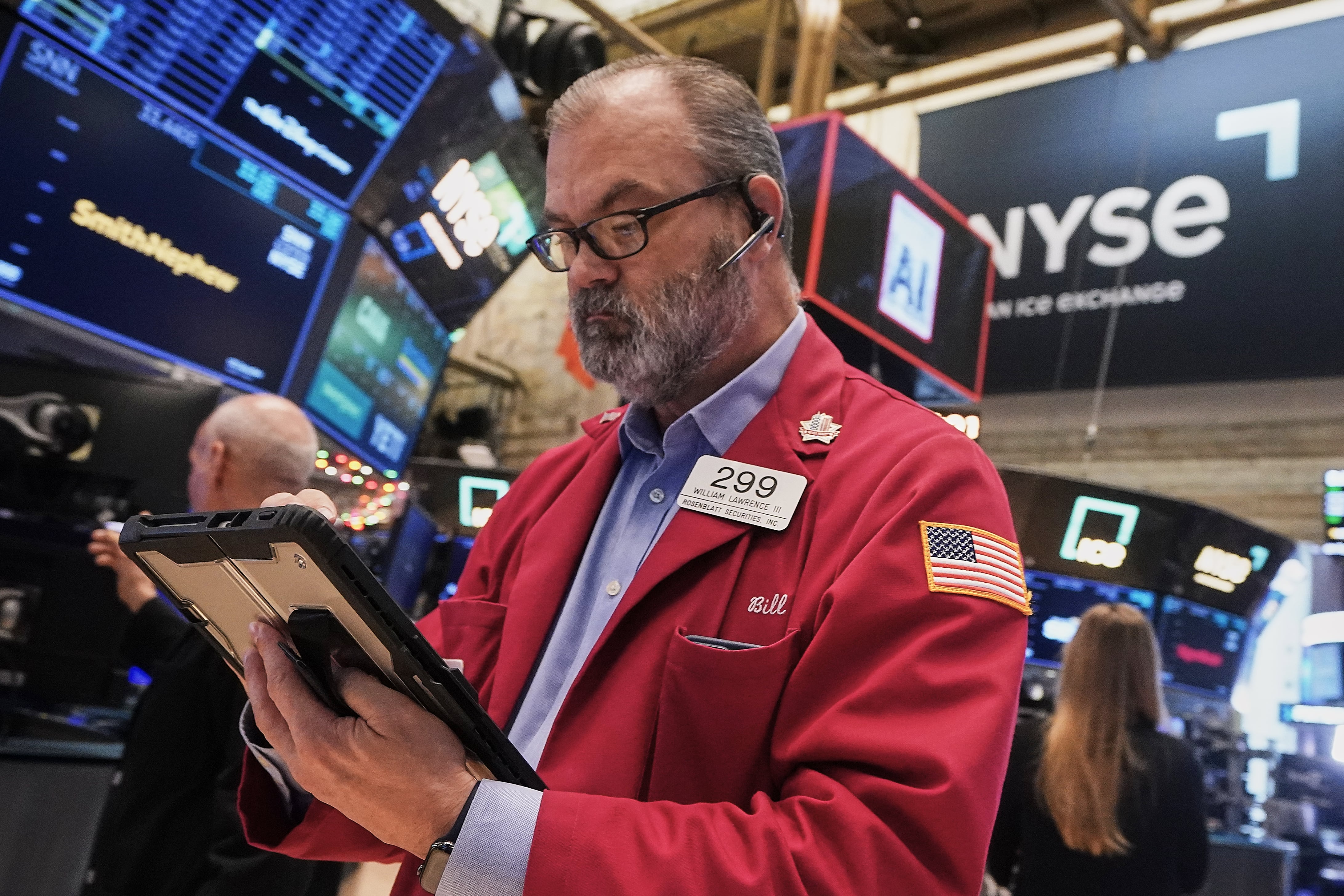
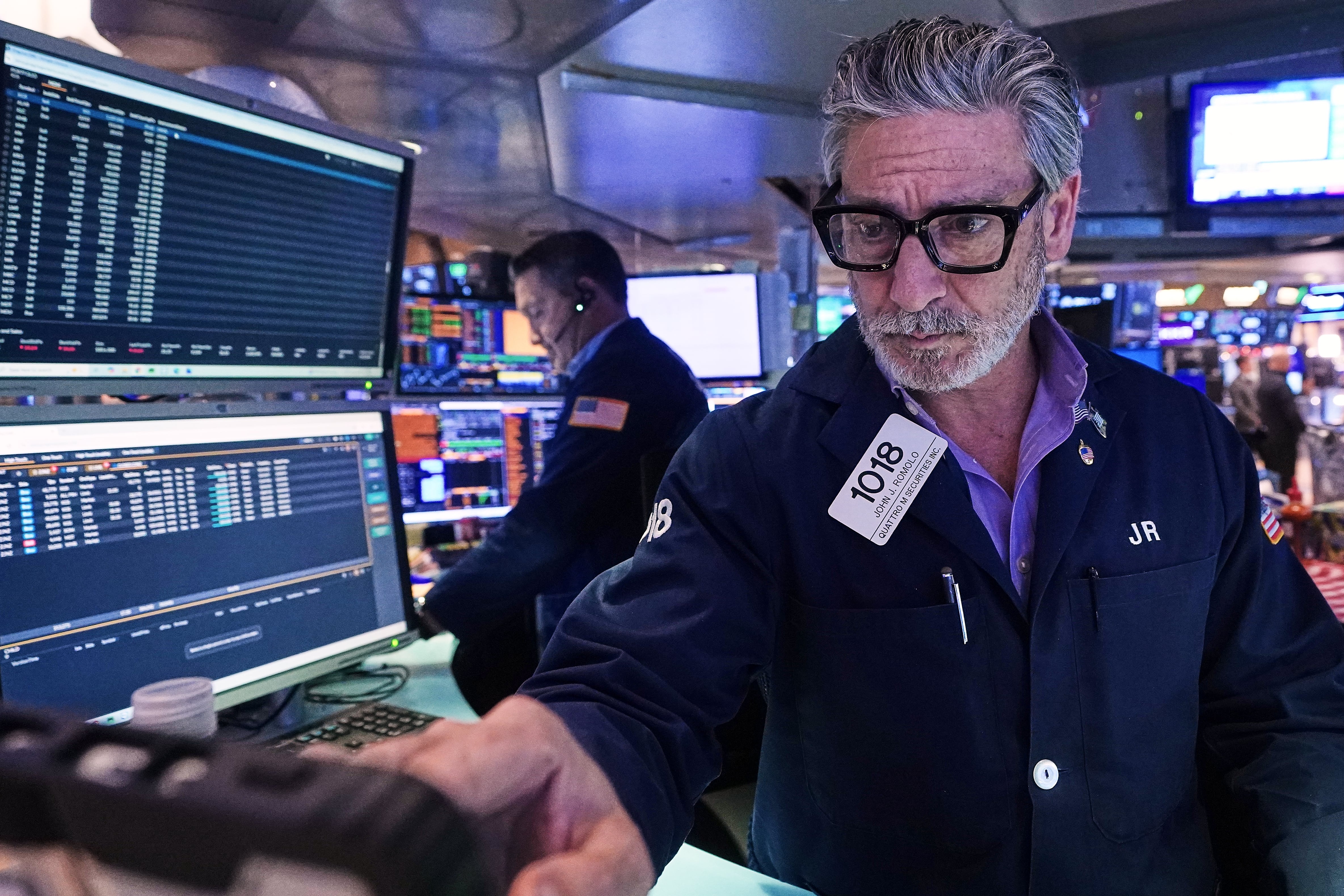
The U.S. stock market is drifting lower following mixed data on the economy’s strength. The S&P 500 fell 0.4% Tuesday and remains a bit below its all-time high set last week. The Dow Jones Industrial Average dropped 271 points, and the Nasdaq composite was mostly unchanged. Treasury yields eased a bit after the reports on the U.S. job market, retail sales and business activity did little to clear uncertainty about where the Federal Reserve may take interest rates next year. AI stocks, which have been under heavy pressure recently, were mixed. Stock indexes fell across much of Europe and Asia.
Many U.S. consumers say they’ve noticed higher than usual prices for holiday gifts in recent months, according to a a December poll from The Associated Press-NORC Center for Public Affairs Research. A contributing factor is the unusually high import taxes the Trump administration put on foreign goods. While the worst-case consumer impact that many economists foresaw from the administration’s trade policies hasn’t materialized, some popular gift items have been affected more than others. Most toys and electronics sold in the U.S. come from China. So do most holiday decorations. Jewelry prices have risen due to the cost of gold.
A sell-off for Oracle is weighing on Wall Street as investors question whether its big spending on artificial-intelligence technology will pay off. The S&P 500 was mostly unchanged Thursday and hovering around its all-time high set in October. Drops for AI-related stocks dragged the Nasdaq composite down 0.6%. Oracle at one point was heading toward its worst loss since 2001 on worries about how much it plans to spend on AI infrastructure. But most stocks on Wall Street rose, and the Dow Jones Industrial Average jumped 600 points. Treasury yields slipped after a report showed more U.S. workers applied for unemployment benefits.
The U.S. stock market is flirting with its all-time high after the Federal Reserve cut its main interest rate to bolster the job market. The S&P 500 rose 0.8% Wednesday and was on track to squeak past its all-time closing high, which was set in October. The Dow Jones Industrial Average climbed 559 points, and the Nasdaq composite rose 0.4%. Wall Street loves lower interest rates because they can boost the economy and goose prices for investments, even if they have the potential of making inflation worse. Treasury yields eased in the bond market.
The U.S. stock market is drifting near its record levels following reactions to profit reports from Macy’s, Marvell Technologies and other companies. The S&P 500 added 0.4% Wednesday and climbed within 0.5% of its all-time high set in late October. The Dow Jones Industrial Average added 428 points, and the Nasdaq composite rose 0.2%. Treasury yields eased in the bond market following some mixed reports on the U.S. economy. One suggested hiring was much weaker in November than economists expected, while a second said growth for U.S. services businesses was better than expected.
The Enhanced Games is going public in two ways — with a new listing on the Nadsaq stock exchange and also by offering a direct-to-consumer business focused on performance products.