Amazon expands its perishable delivery service, pressuring grocers
By Anne D'innocenzio
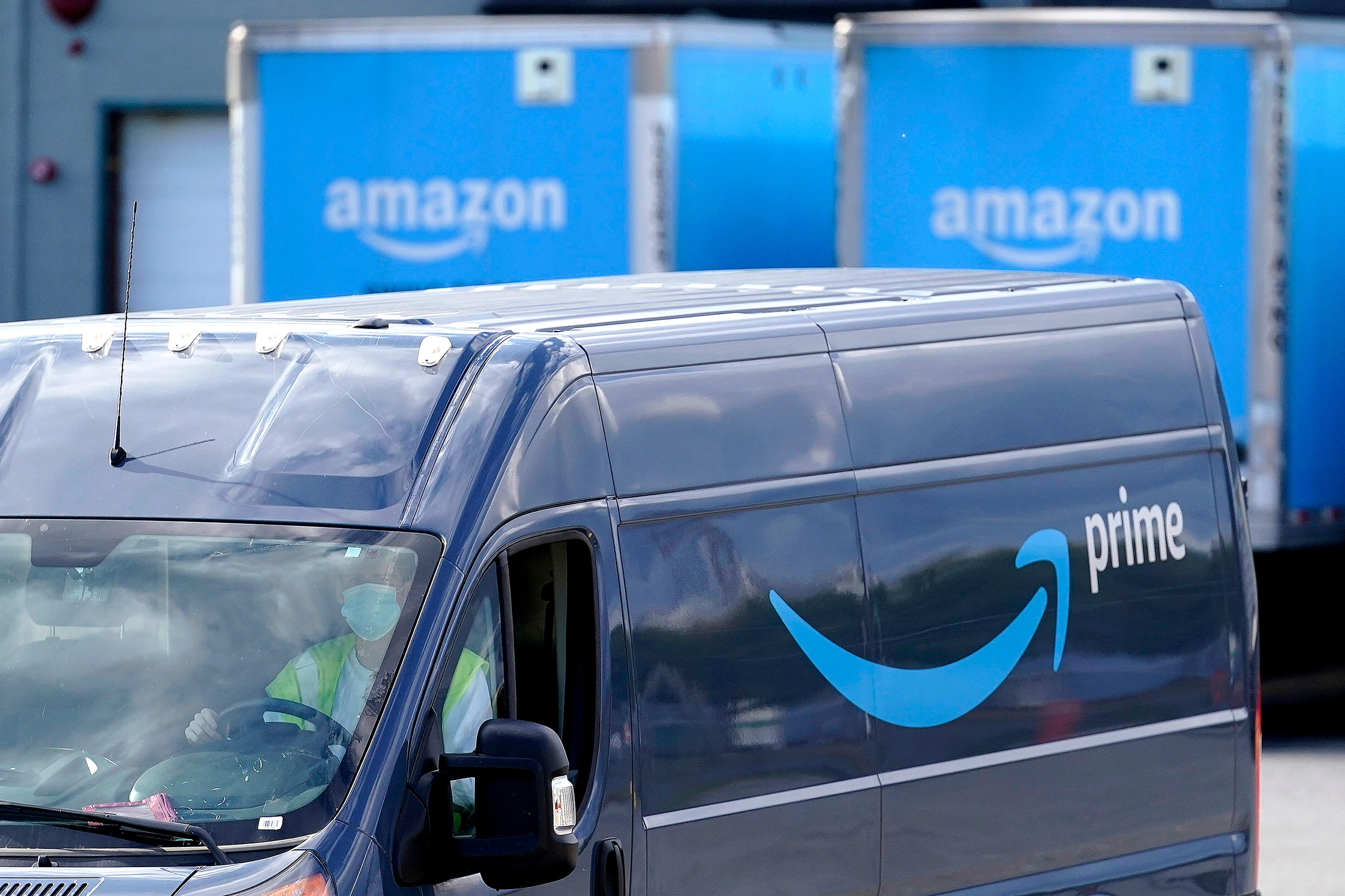
FILE - An Amazon Prime logo appears on the side of a delivery van as it departs an Amazon Warehouse location in Dedham, Mass., Oct. 1, 2020. (AP Photo/Steven Senne, File)
NEW YORK (AP) — Amazon is now rolling out a service where its Prime members can order their blueberries and milk at the same time as their batteries and other basic items.
The online juggernaut said Wednesday that customers in more than 1,000 cities and towns now have access to fresh groceries with its free Same-Day Delivery on orders over $25 for Prime members, with plans to reach over 2,300 by the end of the year.
The company said that if an order doesn’t meet the minimum, members can still choose same-day delivery for a $2.99 fee. For customers without a Prime membership, the service is available with a $12.99 fee, regardless of order size.
In the past, Prime subscribers’ grocery orders were fulfilled through Amazon Fresh or Whole Foods.
The expansion is expected to put more pressure on grocery delivery services offered by such rivals as Walmart, Instacart and Target.
Computer chipmaker Nvidia is poised to release a quarterly earnings report that is expected to either deepen a recent downturn in the stock market or prompt an ebullient sigh of relief among investors increasingly worried the world’s most valuable company is perched upon an artificial intelligence bubble about to burst.
Emera CEO Scott Balfour discusses soaring energy demand, AI-driven grid challenges, clean-power investments, and how the company is building a resilient future.
JB Mackenzie discusses Robinhood’s new entertainment prediction markets, letting users engage with pop culture, award shows, and more through low-stakes bets.
Rhett Power shares his startup journey, lessons from his early years and insights from his book on overcoming negative self-talk to lead with confidence.
Despite inflation, Americans aren’t giving up the gym. Crunch Fitness CEO Jim Rowley discusses strong growth, value-driven expansion and what the future holds.
Home prices far outpacing incomes, low inventory, and higher living costs are reshaping the market. WSJ’s Veronica Dagher breaks down the challenges ahead.
As commercial options tighten, more travelers are turning to private aviation. Wheels Up CEO George Mattson breaks down capacity and demand challenges.
Layoffs, hiring slowdowns, and shifting skill demands dominate this year’s job talk. LinkedIn’s Kory Kantenga explains what workers should watch for next.