Alibaba Made $1 Billion in Two Minutes on "Singles Day"
Alibaba raked in $1 billion in product sales in just the first two minutes of its annual "Singles Day." In the first hour that number was upwards of $10 billion!
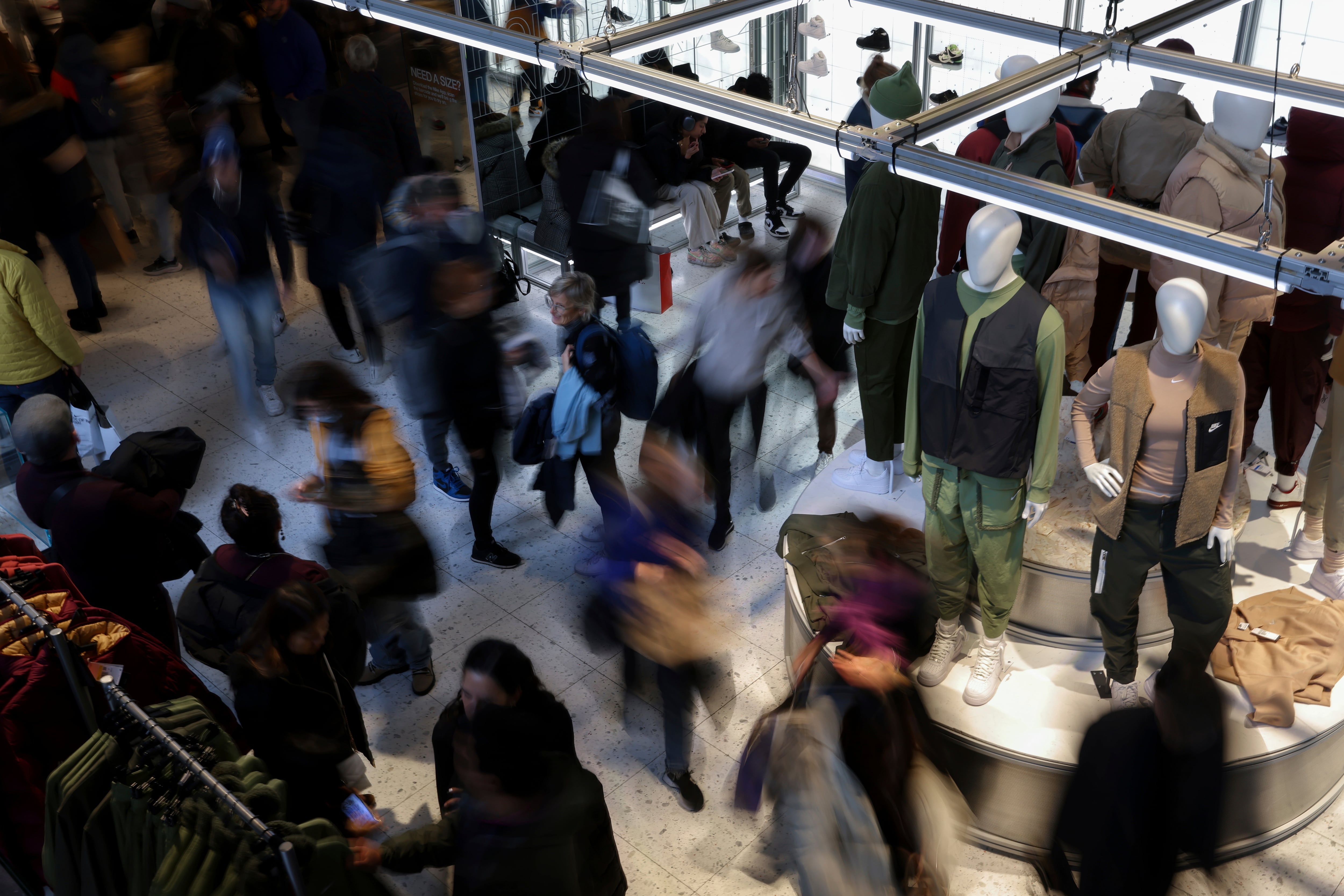
The company's president Michael Evans says these figures aren't a surprise. The day-long e-commerce event put on by the Chinese tech giant has become bigger than Black Friday and Cyber Monday...combined!
“There’s been a great deal of interest in this year’s Singles Day because we’ve changed many features of it,” Evans said. “This is not just about buying and selling products, this is about having fun. It’s a very social experience.”
The festival held on November 11th, or 11/11, was first conceived in the 1990s as a sort-of holiday for uncoupled people, where they would celebrate their relationship status by buying themselves a few gifts. But the day was taken over by Alibaba in 2009 and has grown in popularity since. Last year the company brought in $17.8 billion, and early indications were that this year would surpass that.
As many as 600 million consumers are expected to partake in the shopping festival, with over 140,000 brands participating and more than 15 million products up for sale. This year Alibaba has expanded its efforts to make the event a fun affair. The company integrated an interactive component for shoppers by introducing a “Pokemon Go”-type augmented reality game.
“The consumer on the mobile phone will track a cat and try to find it. We’ll lead them to an offline store, and there they’ll either get a promotion or be able to get a discount on a product,” Evans said. “It’s really gamification and making it fun.”
U.S. sports betting is booming as NFL and college football fuel massive activity. BetMGM CEO Adam Greenblatt breaks down trends, growth, and what’s next.
President Donald Trump says a deal struck by Netflix last week to buy Warner Bros. Discovery “could be a problem” because of the size of the combined market share. The Republican president says he will be involved in the decision about whether federal regulators should approve the deal. Trump commented Sunday when he was asked about the deal as he walked the red carpet at the Kennedy Center Honors. The $72 billion deal would bring together two of the biggest players in television and film and potentially reshape the entertainment industry.
Disney's changes to a program for disabled visitors are facing challenges in federal court and through a shareholder proposal. The Disability Access Service program, which allows disabled visitors to skip long lines, was overhauled last year. Disney now mostly limits the program to those with developmental disabilities like autism who have difficulty waiting in lines. The changes have sparked criticism from some disability advocates. A shareholder proposal submitted by disability advocates calls for an independent review of Disney's disability policies. Disney plans to block this proposal, claiming it's misleading. It's the latest struggle by Disney to accommodate disabled visitors while stopping past abuses by some theme park guests.
With a merger this big, creators, studios, and theaters all face uncertain futures. Here’s what experts are worried about and what good could come from it.
With disengagement rising and hybrid work shifting, 'Everybody Matters' author Bob Chapman explains why treating people well could define the future of work.
We sat down with Ali Furman, U.S. Consumer Markets Industry Leader at consulting firm PwC to ask what trends she garnered from the initial data this year.
Seth Schachner breaks down Zootopia 2’s record-smashing debut, holiday box office trends, early 2026 Oscar contenders, and what’s next for Netflix and WBD.