By Anchorage Daily News
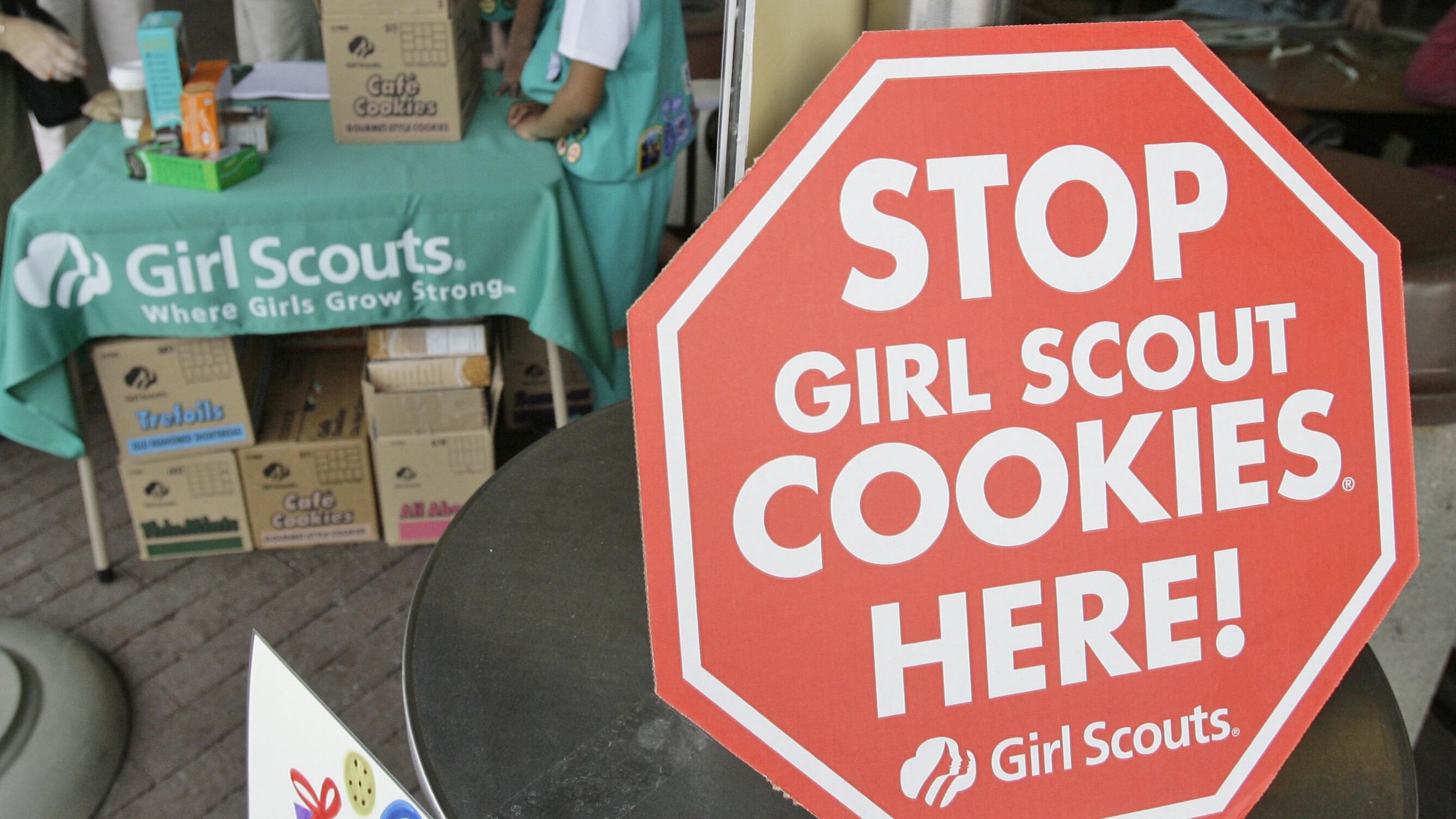
Selling Girl Scout cookies is normally a foolproof business model, but the coronavirus outbreak cooled sales of the treats in Alaska.
The Girl Scouts of Alaska sought assistance, and the organization is expected to receive a federal recovery loan to help compensate for lost cookie sales.
First National Bank Alaska facilitated the federal Paycheck Protection Program loan, The Anchorage Daily News reported Sunday.
Leslie Ridle, head of one of two Girl Scouts councils in Alaska, said fears of girls becoming infected with COVID-19 forced the organization to cut its six-week sales season in half.
Sales of the famed cookies fund nearly everything the council does, including camps and scholarships for 3,500 girls and wages for 20 full-time employees.
“It was frenzied shopping, and people were hoarding cookies like they were toilet paper,” Ridle said of sales before the state ordered business closures last month.
Now her Anchorage-based council is sitting on about 144,000 unsold boxes filling the homes of scouting families in southern Alaska, Ridle said.
“I’m hearing from lots of families: ‘When am I getting these out of my living rooms?’ ” Ridle said.
The First National Bank Alaska loan officer called at night and on weekends, including Easter Sunday, to gather information to obtain the loan, which arrived in the council’s bank account last week, Ridle said.
The funding allowed employees to continue working and provide online programs for Girl Scouts stuck at home, like magic trick lessons and flamenco dancing. A new COVID-19 badge emphasizes good hygiene.
"It’s our bridge to keep things going,” Ridle said.
Companies including ConocoPhillips Co., GCI LLC and First National Bank Alaska have also made big cookie purchases to help the Girl Scouts.
People whose lives have been altered by the pandemic still want the cookies, the “ultimate comfort food," Ridle said.
For most people, the new coronavirus causes mild or moderate symptoms, such as fever and cough that clear up in two to three weeks. For some, especially older adults and people with existing health problems, it can cause more severe illness, including pneumonia, and death. The vast majority of people recover.




