Air Travel is Getting Worse, Passenger Surveys tell U.S. Government
By AP Writers
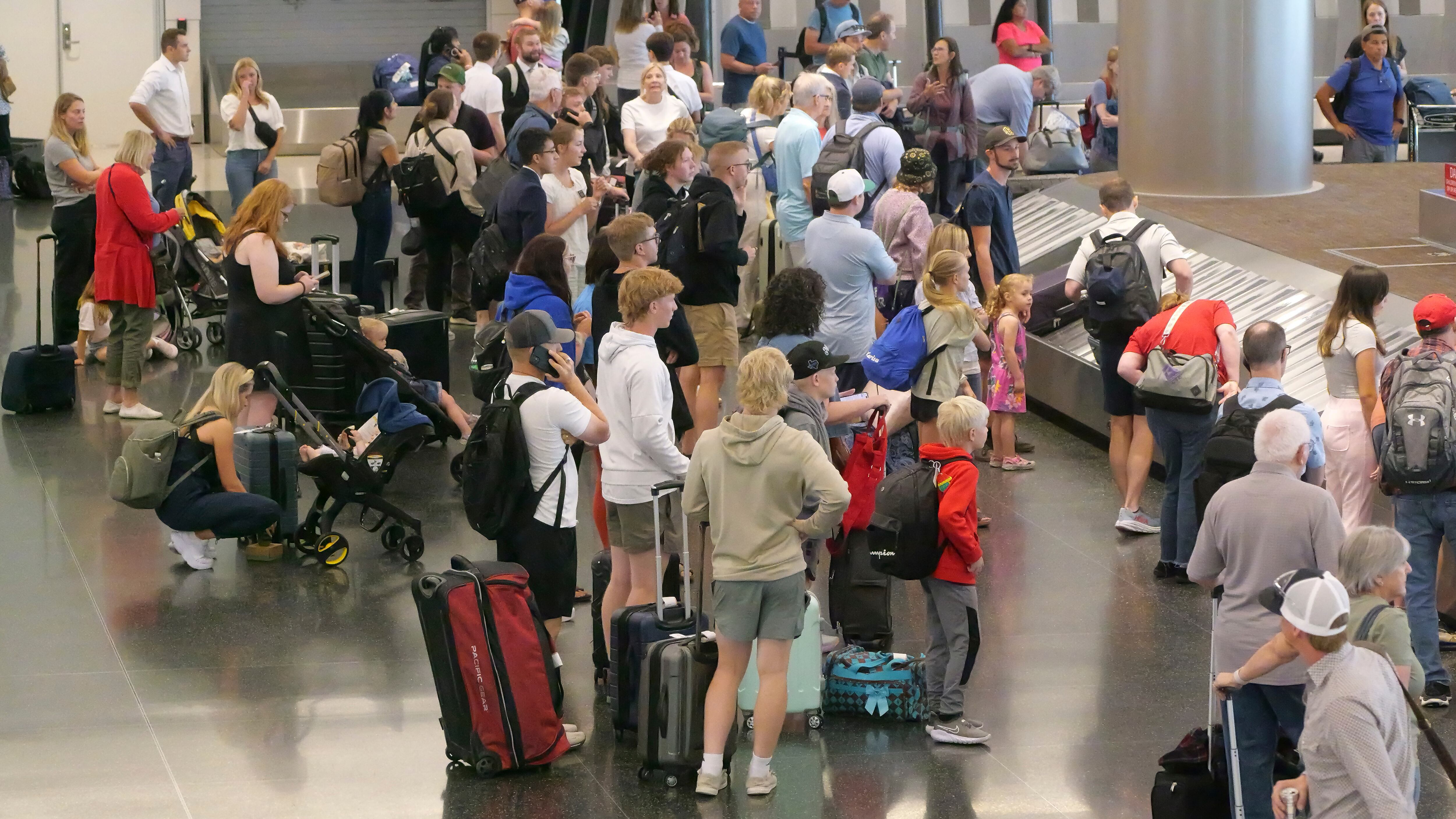
Holiday travelers wait for their luggage after arriving at Salt Lake City International Airport Wednesday, July 3, 2024, in Salt Lake City. (AP Photo/Rick Bowmer)
WASHINGTON (AP) — Air travel got more miserable last year, if the number of consumer complaints filed with the U.S. government is any measure.
The Transportation Department said Friday that it received nearly 97,000 complaints in 2023, up from about 86,000 the year before. The department said there were so many complaints that it took until July to sort through the filings and compile the figures.
That's the highest number of consumer complaints about airlines since 2020, when airlines were slow to give customers refunds after the coronavirus pandemic shut down air travel.
The increase in complaints came even as airlines canceled far fewer U.S. flights — 116,700, or 1.2% of the total, last year, compared with about 210,500, or 2.3%, in 2022, according to FlightAware data. However, delays remained stubbornly high last year, at around 21% of all flights.
So far this year, cancellations remain relatively low — about 1.3% of all flights — but delays are still running around 21%.
More than two-thirds of all complaints last year dealt with U.S. airlines, but a quarter covered foreign airlines. Most of the rest were about travel agents and tour operators.
Complaints about treating passengers with disabilities rose by more than one-fourth compared with 2022. Complaints of discrimination, while small in number, also rose sharply. Most were about race or national origin.
Airlines receive many more complaints from travelers who don't know how or don't bother to complain to the government, but the carriers don't release those numbers.
The Transportation Department is modernizing its complaint-taking system, which the agency says will help it do a better job overseeing the airline industry. However, the department now releases complaint numbers many months late. It did not issue figures for the second half of 2023 until Friday.
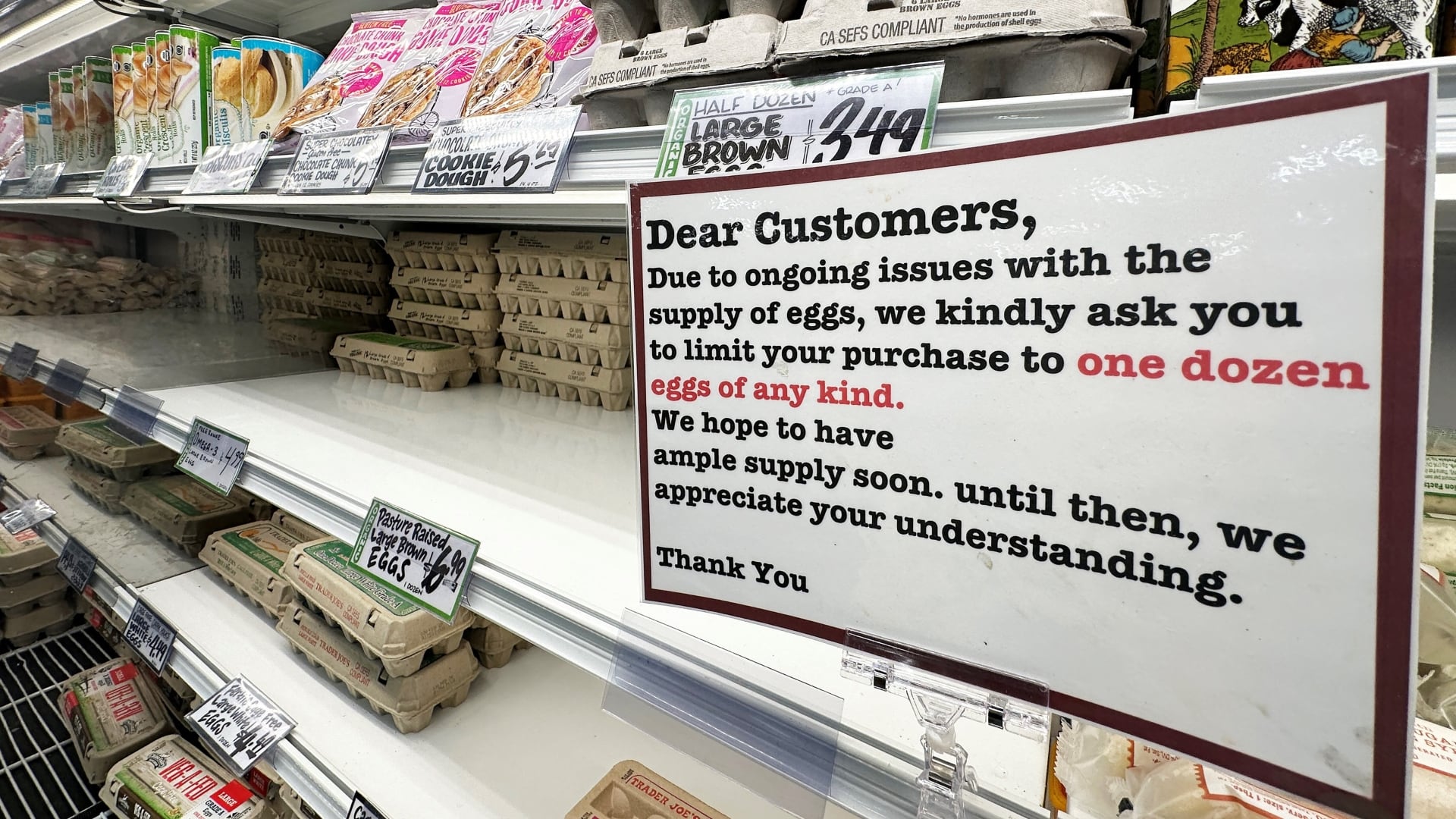
Walmart, which became the nation’s largest retailer by making low prices a priority, has found itself in a place it’s rarely been: Warning customers that prices will rise for goods ranging from bananas to car seats.
Chris Beauchamp, Chief Market Analyst at IG International, joins J.D. Durkin to give analysis on the recent trade truce between the U.S. and China. Watch!
Shan Aggarwal, VP of Corporate and Business Development at Coinbase, discusses the company's acquisitio of Deribit as it heads into the S&P 500. Watch!
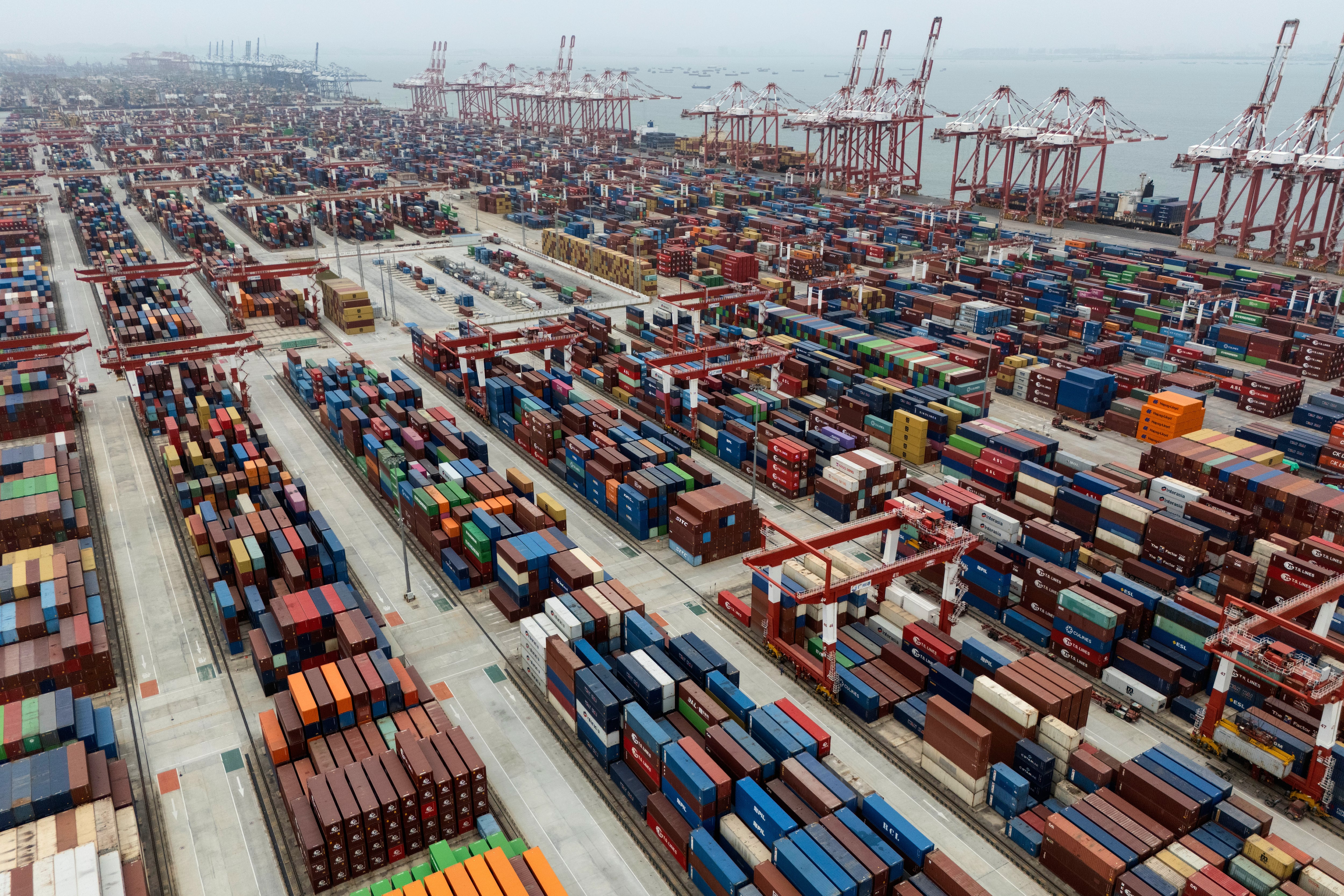
American businesses that rely on Chinese goods are reacting with muted relief after the U.S. and China agreed to pause their exorbitant tariffs on each other’s products for 90 days. Many companies delayed or canceled orders after President Donald Trump last month put a 145% tariff on items made in China. Importers still face relatively high tariffs, however, as well as uncertainty over what will happen in the coming weeks and months. The temporary truce was announced as retailers and their suppliers are looking to finalize their plans and orders for the holiday shopping season. They’re concerned a mad scramble to get goods onto ships will lead to bottlenecks and increased shipping costs.
Shopping expert Trae Bodge discusses how talks between the U.S. and China is good news for now, but uncertainty remains for back-to-school and the holidays.
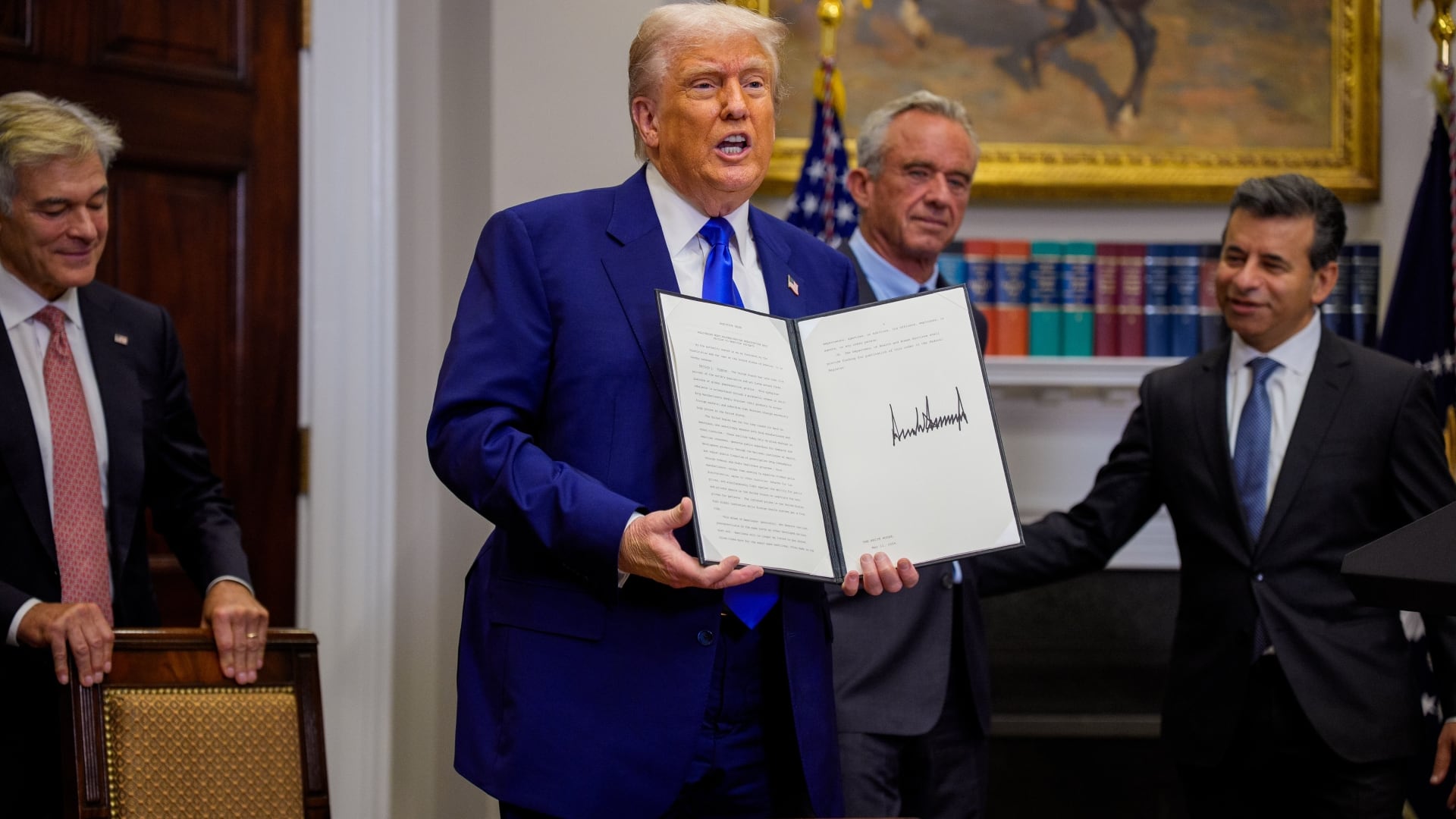
Jake Traylor, White House reporter at Politico, joins Cheddar to discuss how Trump is aiming to lower drug prices and how it differs from Biden's approach.