Adidas is withdrawing its challenge to a Black Lives Matter trademark application featuring three parallel stripes, two days after it contested the image with the U.S. Trademark Office.
Adidas submitted a notice of opposition with the office Monday, saying in the filing that it took issue with Black Lives Matter Global Network Foundation's application to trademark the use of three parallel yellow stripes on various items such as clothing and bags.
The company said that it felt that if Black Lives Matter was allowed to use the stripes, it would be “confusingly similar” to its usage of a three-stripe mark, something it had been using on its own merchandise since at least 1952.
By Wednesday, Adidas said it had changed its mind.
“Adidas will withdraw its opposition to the Black Lives Matter Global Network Foundation’s trademark application as soon as possible,” the German athletic gear company said in a prepared statement.
It did not provide any further details as to why it was withdrawing the application.
Adidas has vociferously protected its triple-stripe trademark for years. In January fashion designer Thom Browne emerged from a New York courthouse victorious over Adidas in a battle over signature stripes. In that case, Adidas had similarly argued that the striped designs used by Thom Browne Inc. were too similar to its own three stripes. The Manhattan federal court jury sided with Browne.
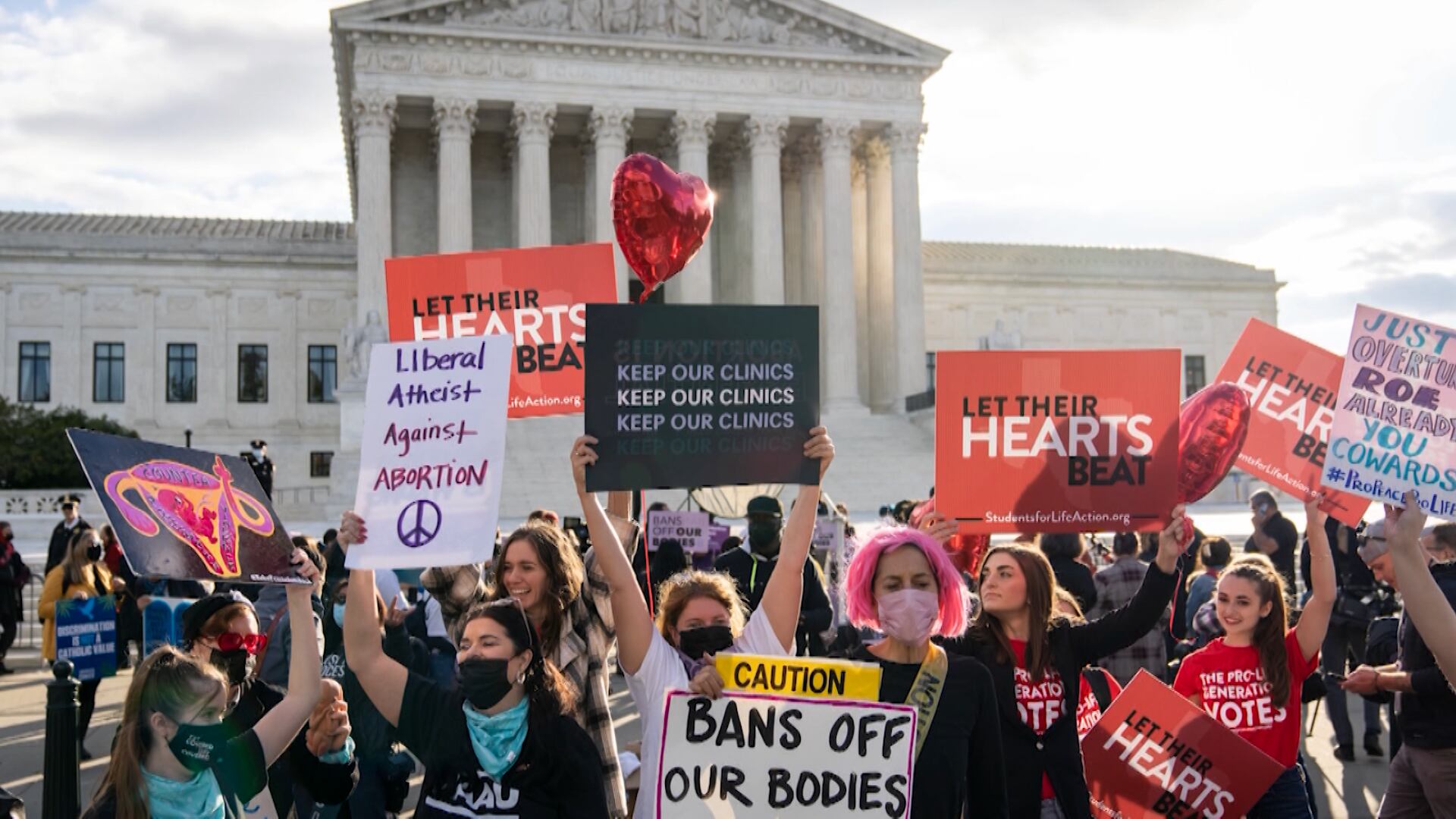
The Supreme Court rejected yet another bid by abortion providers to block Texas's law - which bans most abortions after six weeks of pregnancy. This is the fourth time that advocates have tried and failed to block the most restrictive abortion ban in the country. Leah Litman, assistant professor of law at The University of Michigan and co-host of the "Strict Scrutiny" podcast, joins Cheddar News to discuss.
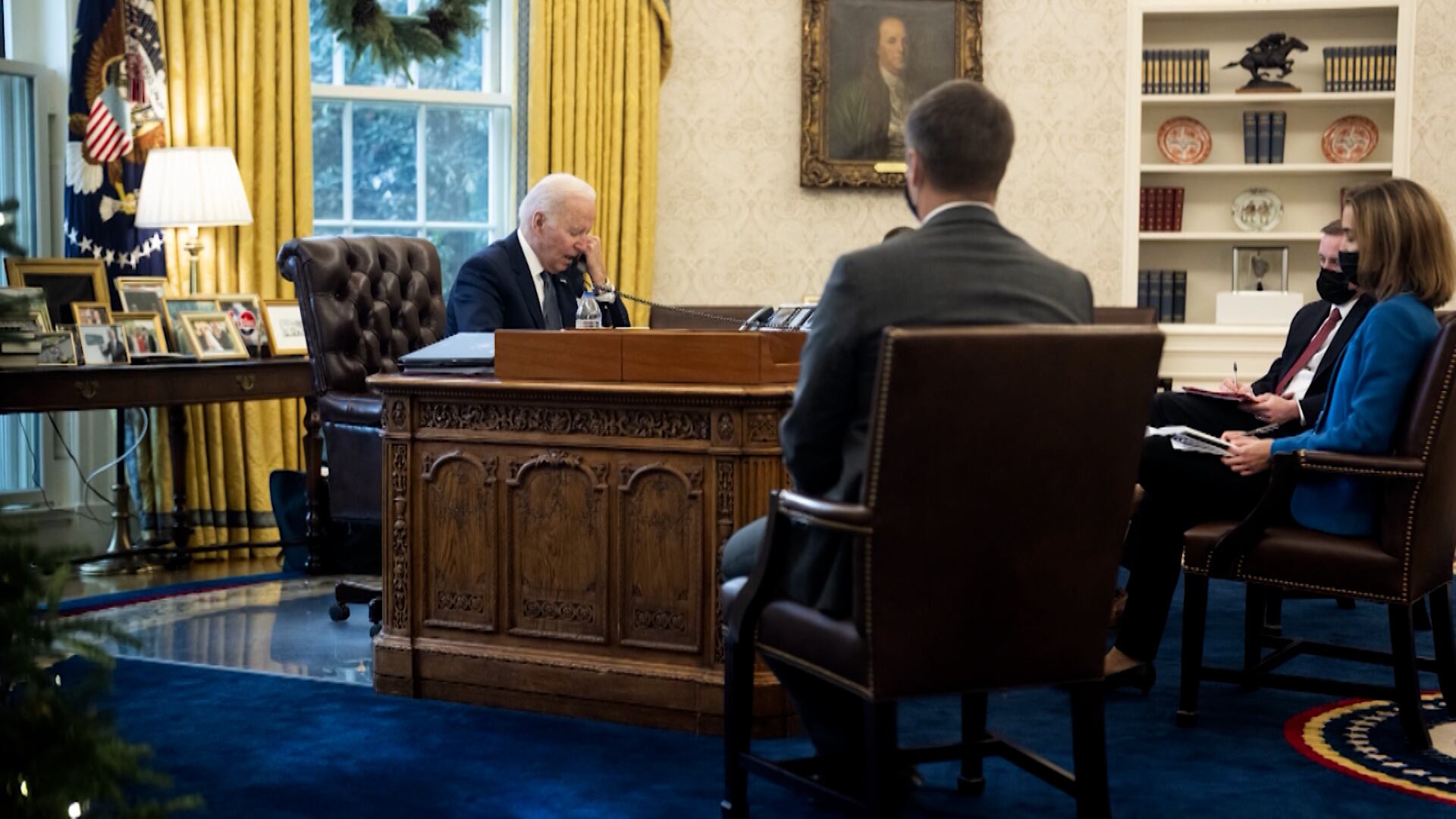
As the standoff between the U.S. and its allies continues with Russia over its possible designs to invade Ukraine, President Biden held a video conference call with European leadership and had 8,500 American troops put on high alert. Jamil Jaffer, a former associate White House counsel for the Bush Administration, joined Cheddar to discuss his views on the escalating crisis in Eastern Europe.
As controversy dogs the run-up to the 2022 Beijing Winter Olympics, China is hiring TikTokers and other social media influencers to promote the nation's history, culture, diplomatic efforts, and current trends.
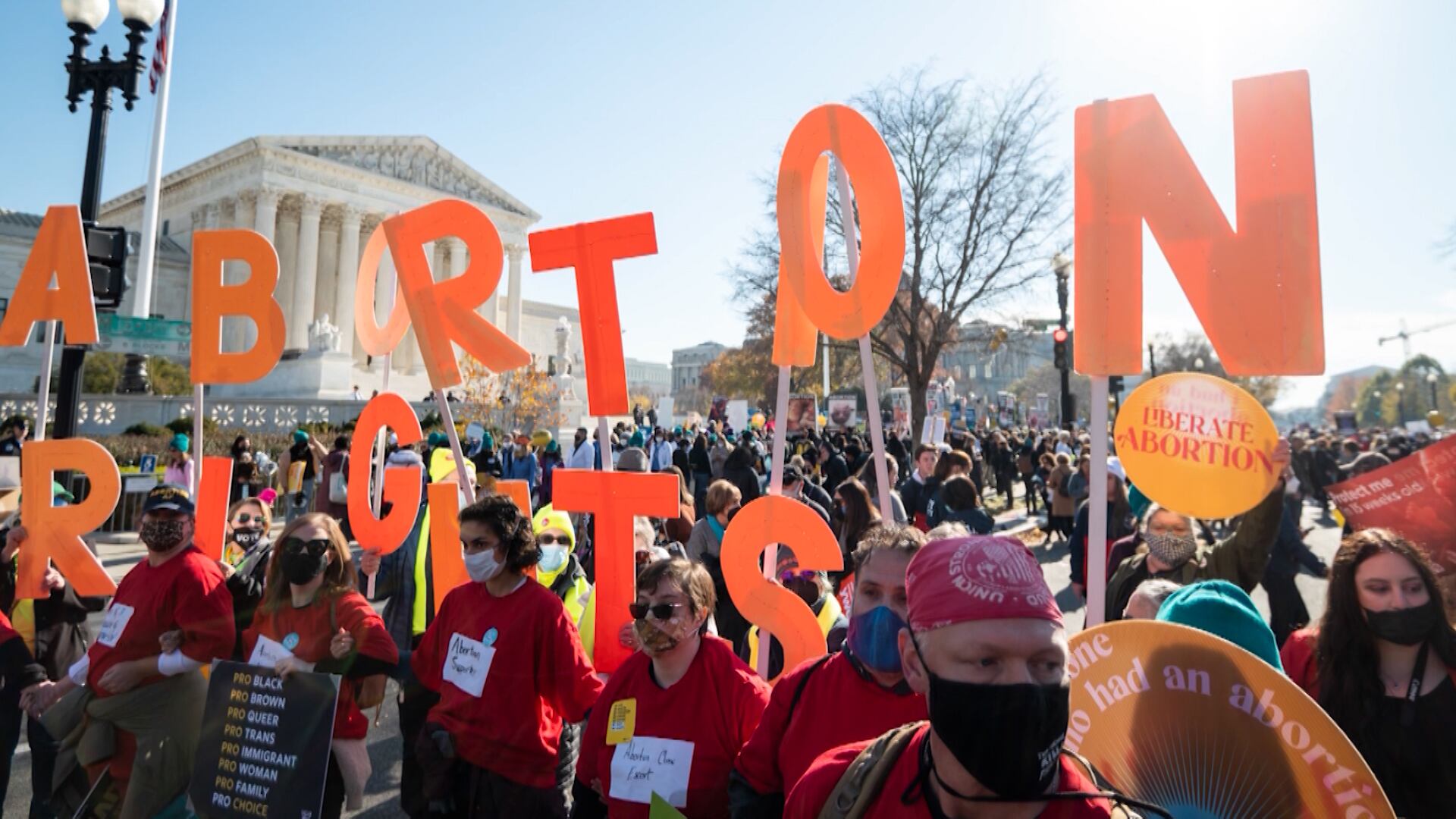
The Supreme Court has rejected another request to block Texas' strict abortion law. This marks the third time the high court has declined to intervene in challenges to the law that bans abortions after six weeks, well before many women even know they're pregnant. Aziza Ahmed, professor of law at the University of California, Irvine, joined Cheddar News to discuss the impact of the law so far on women seeking abortion services in Texas.
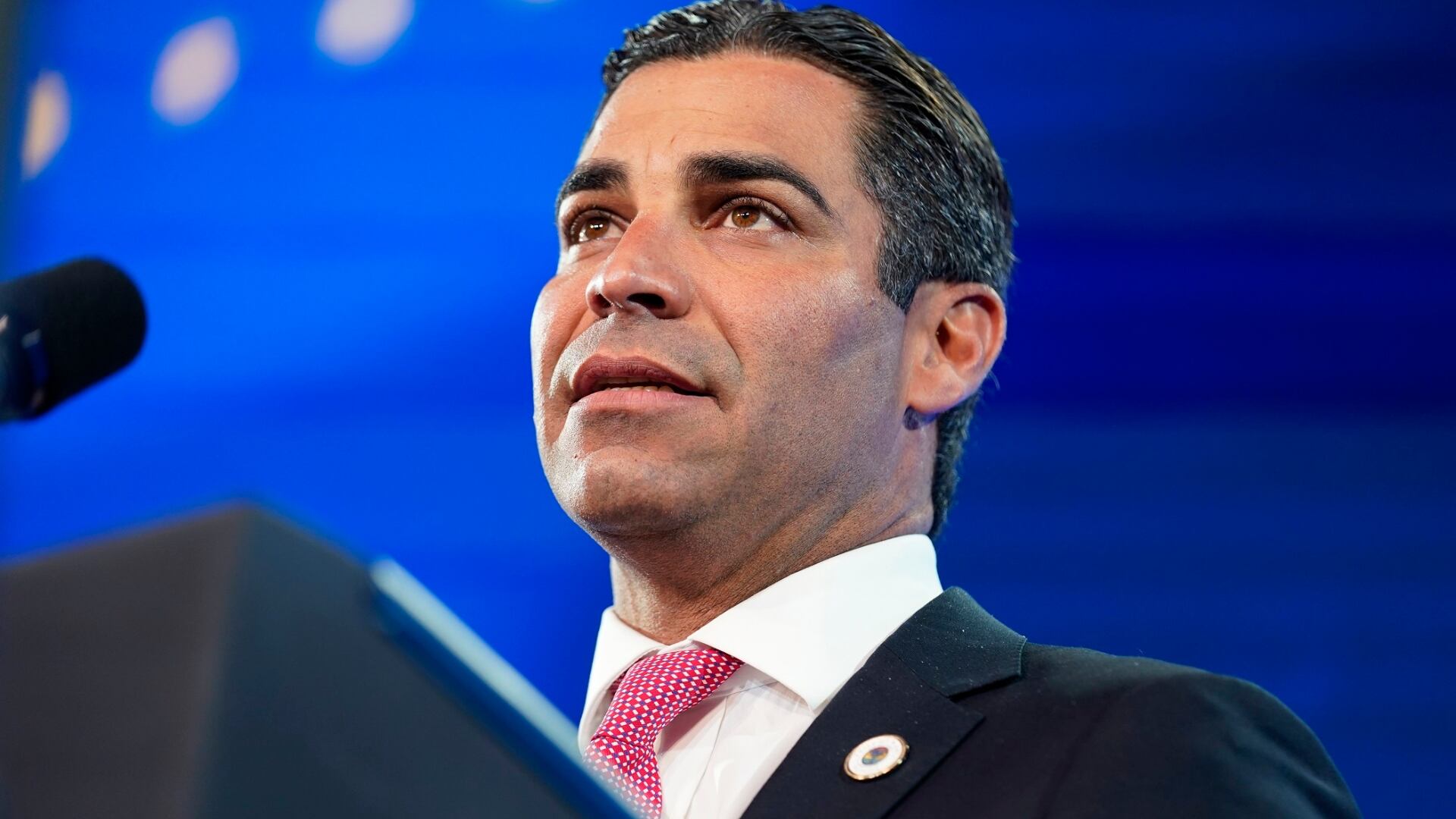
Mayors in cities like Miami and New York City are considering introducing cryptocurrencies as a way to reduce economic inequality. Miami Mayor Francis X. Suarez has even pushed for distributing Bitcoin dividends to the city's inhabitants.
The U.S. will be implementing a vaccine mandate for all people entering through its land borders, removing exemptions for "essential" travelers such as truckers, students, and business people. While the Canadian Trucking Alliance argues that the new, stricter rule might exacerbate ongoing auto supply chain issues, some health experts see the potential for helping curb the ongoing pandemic. Anthony Santella, a professor of health administration at the University of New Haven, joined Cheddar to give his take on the updated border crossing restriction. "We can't just focus on one type of travel. We need to ensure that it's clear and consistent across all types of travel," Santella said.
Will Rhind, CEO of GraniteShares, joins Cheddar News' Closing Bell, where he says he believes the Fed's plans of increasing rates is taking its toll on some of the more speculative stocks and the technology market.
Mona Zhang, states cannabis policy reporter at POLITICO Pro joins Cheddar News to discuss major factors that caused Canada's retail marijuana sales to drop last year.