A.I. Doesn't Have to Be the Death Knell for U.S. Jobs
*By Britt Terrell*
The rise of artificial intelligence and new automation will inevitably lead to the loss of some jobs across different industries, but it may also create entirely new careers for American workers.
What jobs disappear, and how fast they'll be replaced, may depend on how traditional industries and new technology companies cooperate, and how the government can help foster those partnerships, said Politico's technology reporter, Steven Overly.
“When the internet was created, I think a lot of folks also speculated it would replace a number of jobs and it has in some ways, but it has also created new jobs," Overly said Thursday in an interview with Cheddar. "It’s opened up new industries and so there are a lot of folks who are optimistic that with A.I., it will follow a similar path."
Many of the most optimistic folks from Google, Amazon, Facebook, and other tech firms discussed how A.I. technology may affect American workers at a White House summit Thursday.
Some blue-collar workers, such as truck drivers, are expected to be replaced by autonomous vehicles. The administration and representatives from the tech industry are considering new programs to train American workers on how to [use A.I. technology](https://www.washingtonpost.com/news/the-switch/wp/2018/05/08/white-house-will-host-amazon-facebook-ford-and-other-major-companies-for-summit-on-ai/) in new ways for new jobs.
"Certainly the administration has conveyed that they now view artificial intelligence as a national priority," said Overly. "And certainly there are many in the industry who say if the U.S. doesn’t take a stronger stance on this, we’re going to fall behind China, India and the E.U.”
For the full interview, [click here](https://cheddar.com/videos/white-house-hosts-a-i-summit).
Carlo and Baker cover the heartening news on the Covid front ahead of the holiday, plus President Biden punting student loan repayments again, a new space telescope and Love, Hate, Ate: Christmas Eve Eve Edition!
This year's worldwide semiconductor shortage limited the supply of everything from new cars to smartphones; and now, many in the chip industry expect the shortage to continue deep into 2022, and maybe even 2023. Semiconductor senior research analyst for Robert W. Baird & Co., Tristan Gerra, joins Cheddar News' Closing Bell to discuss.
Pavel Bains, the Executive Producer of MixMob and CEO of Bluzelle, joins Cheddar News' Closing Bell to elaborate on an opinion piece he wrote for CoinDesk in which he compares the cultural significance of crypto to hip hop in the 1990s.
Direct health care company Nomi Health recently raised $110 million in a Series A round. Nomi Health lets public and private organizations directly purchase healthcare at reduced costs, and pay providers in real-time. It also delivers healthcare directly to under-served communities via its fleet of mobile care units, which the company says is the largest in the country. Nomi Health says its mission is to improve the health care experience for all Americans. Nomi Health CEO Mark Newman joined Cheddar News' Closing Bell to discuss.
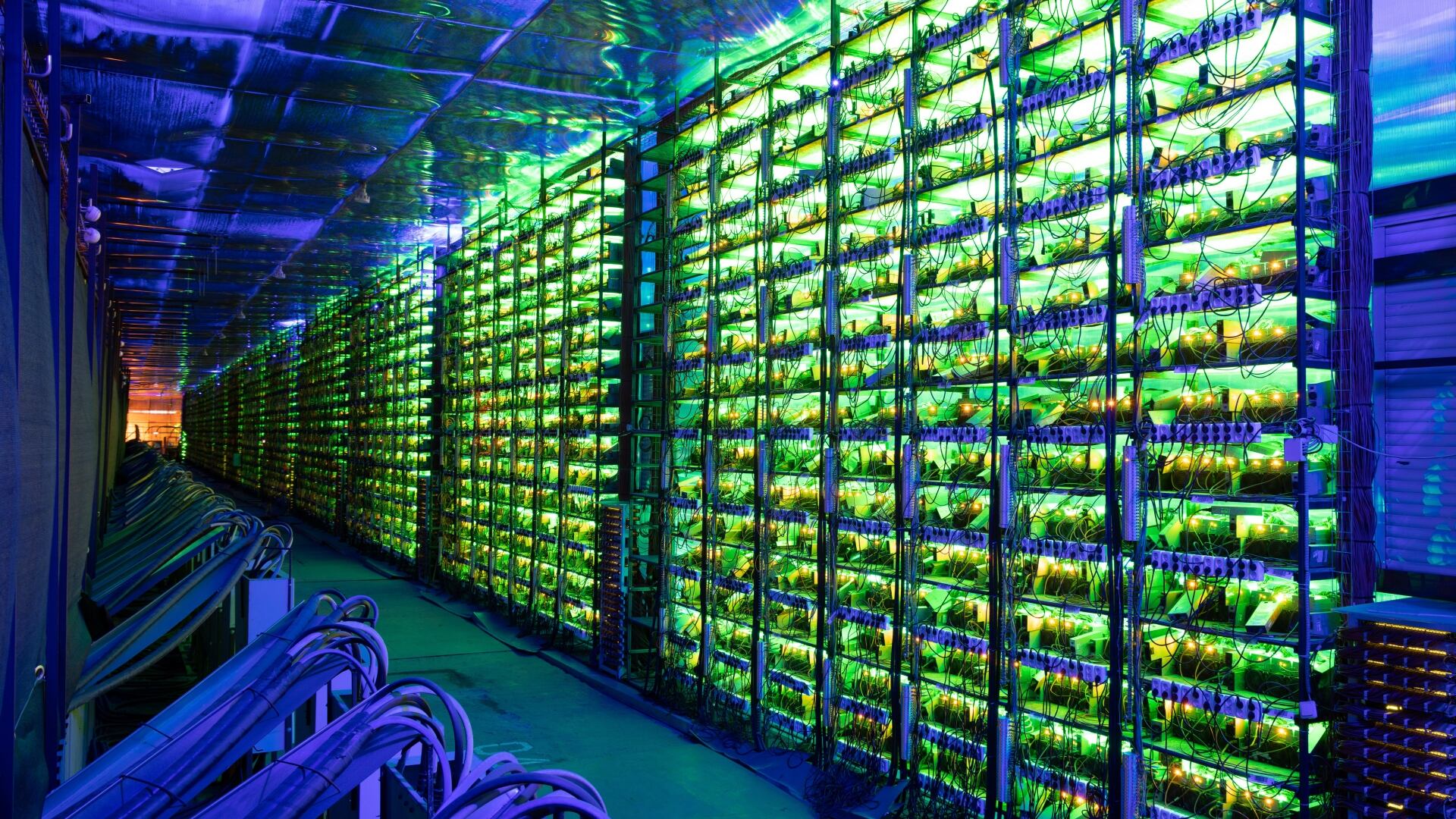
Bitcoin's rise to the mainstream has been a wild ride this year. The cryptocurrency is trading a little under $49,000 Wednesday morning and is set to finish the year sharply higher than where it began earlier this year. Ether prices also soared this year, rising from $730 per coin to nearly $4,000. Ben Armstrong, founder of Bitboy Crypto, joins us to discuss what's in store for crypto in 2022.
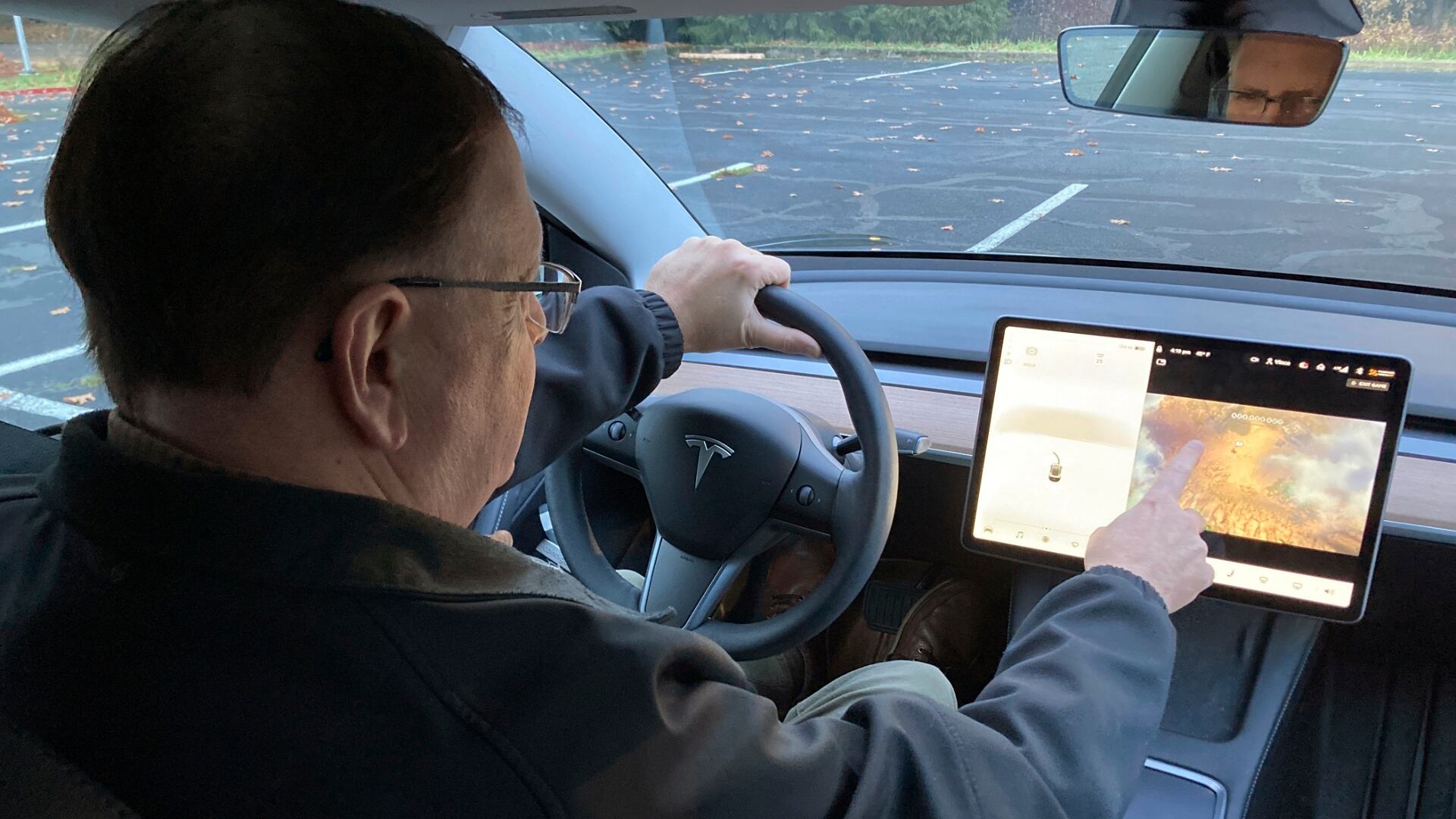
The NHTSA is investigating Tesla over the potential for crashes and distracted driving due to its front touch screen "Passenger Play" game option. The probe covers 580,000 vehicles for all four models from 2017 to 2022.