The Olympics draws millions of people around the globe but it also attracts a higher risk of a cybersecurity attack. Travis Farral, Director of Security Strategy at Anomali, joins Cheddar to discuss certain risks to athletes and tourists traveling to PyeongChang, South Korea.
He says the overall risk of a major cybersecurity attack is unlikely, but he's concerned about small attacks in the form of hacking email or personal information. The Russians have been banned from the Olympics following a doping scandal, so he suspects some hackers from Russia may try to interfere at one point or another.
Plus, Farral talks about how geopolitical tension could impact the Olympics. South Korea and North Korea are still at odds, so the idea of a nuclear missile being launched during the games wasn't out of the question.
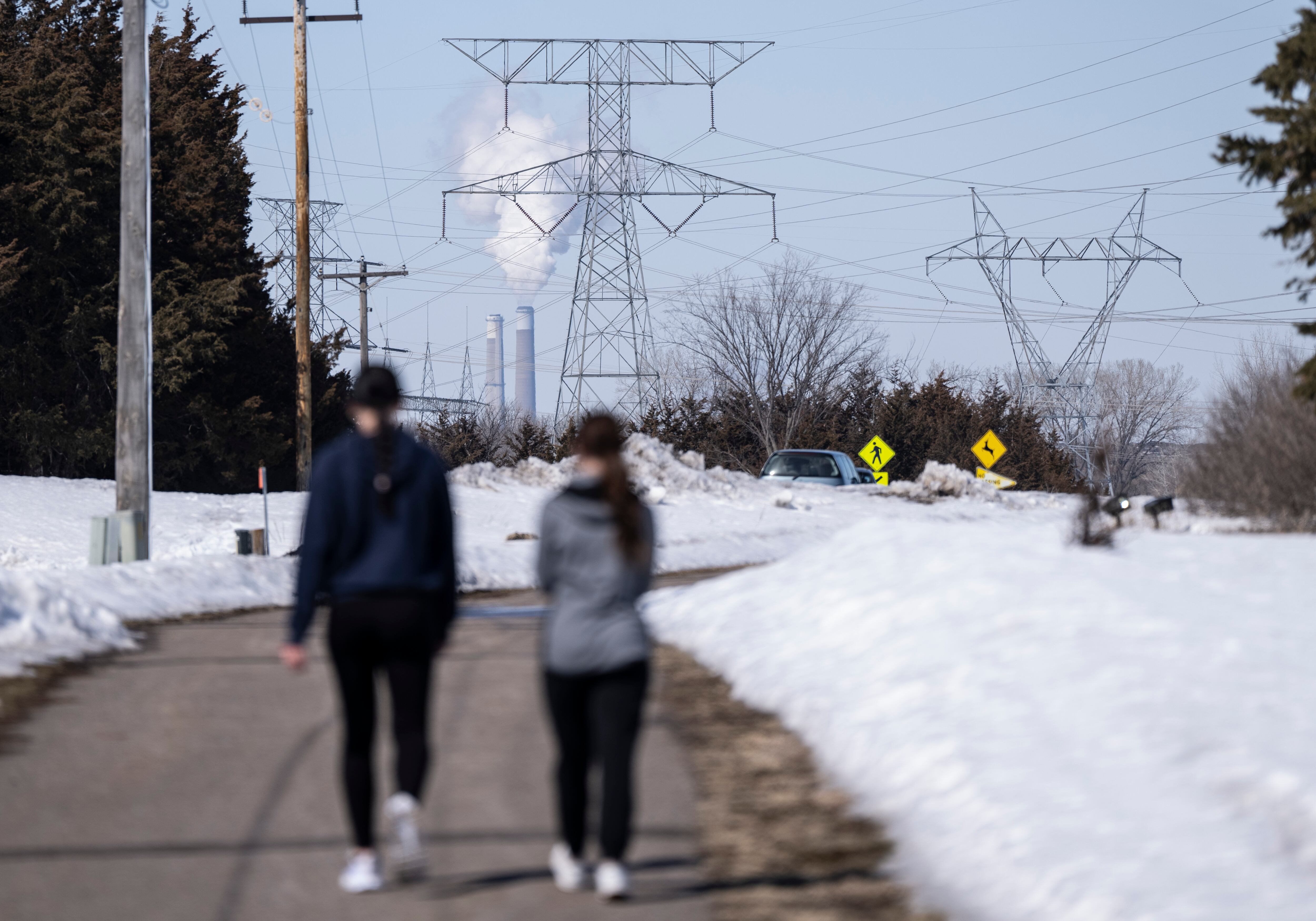
A Minnesota utility began shutting down a nuclear power plant near Minneapolis on Friday after discovering water containing a low level of radioactive material was leaking from a pipe for the second time. While the utility and health officials say it is not dangerous, the issue has prompted concerns among nearby residents and raised questions about aging pipelines.
Some parts of Twitter's source code — the fundamental computer code on which the social network runs — were leaked online, the social media company said in a legal filing that was first reported by The New York Times.
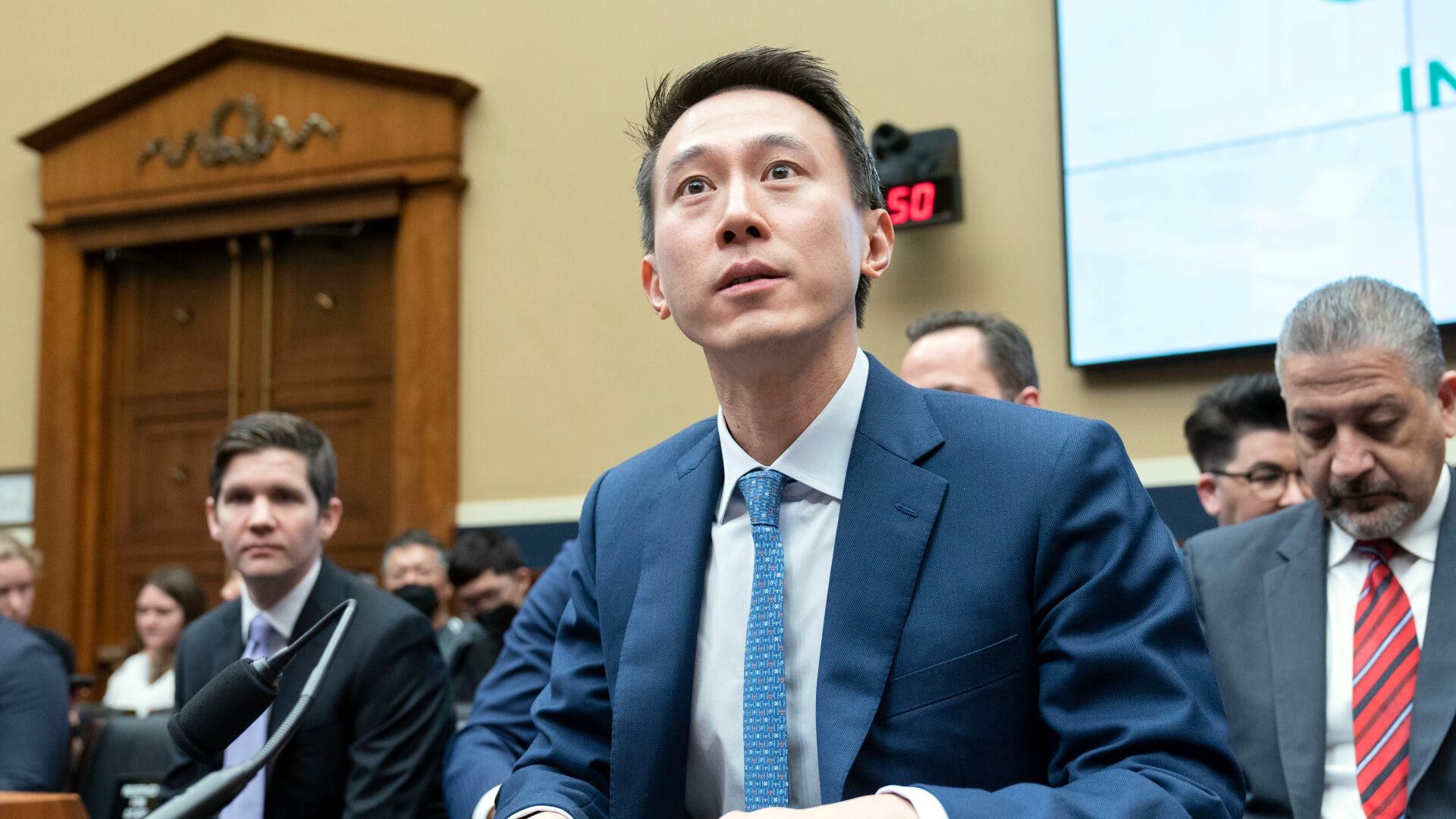
While data privacy still remains one of TikTok's biggest challenges, it may face a larger problem in order to stay in the United States: content moderation.
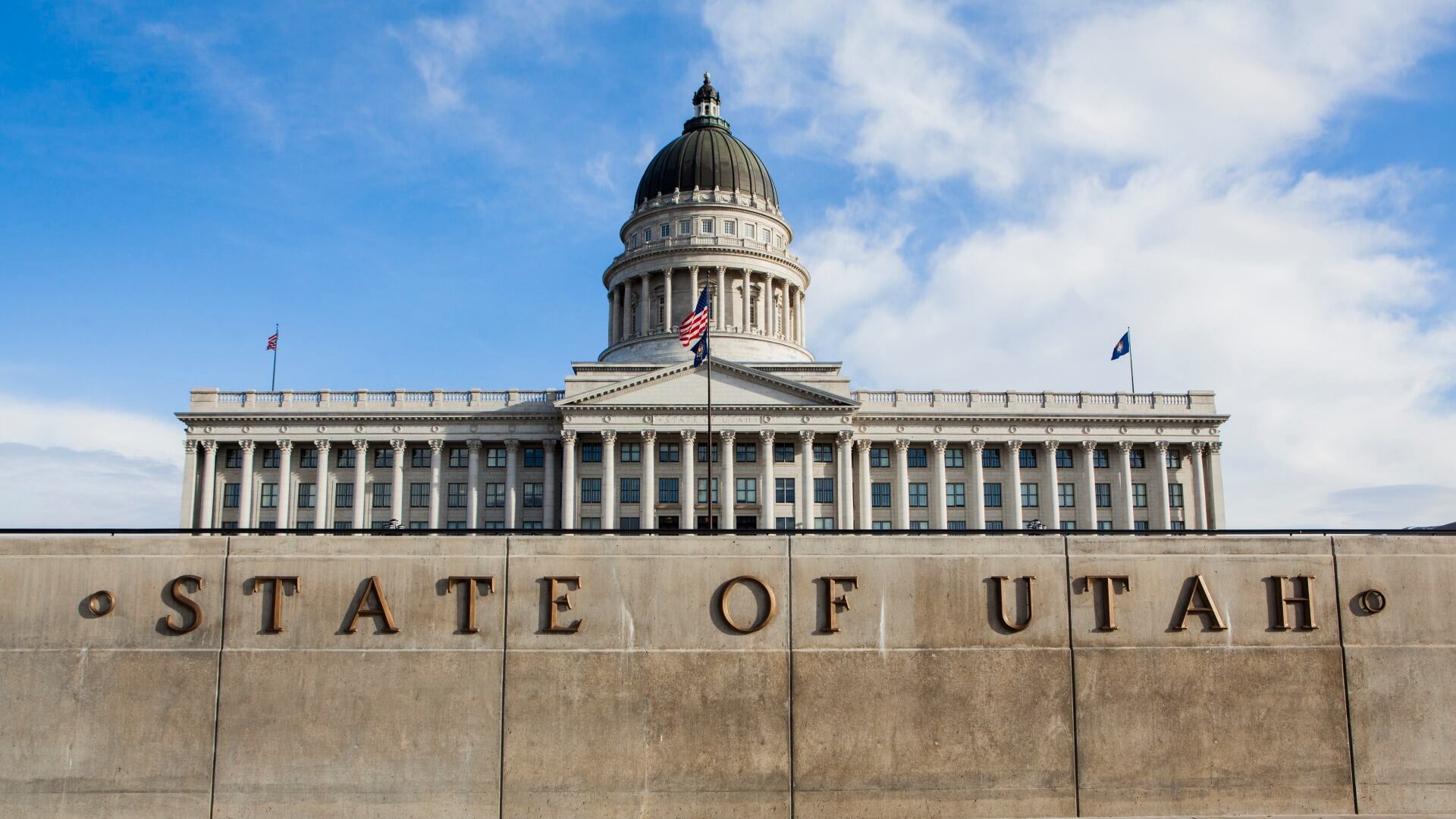
Governor Spencer Cox signed two measures restricting how easily children in the state can access platforms like TikTok and Twitter, setting the precedent in the U.S.