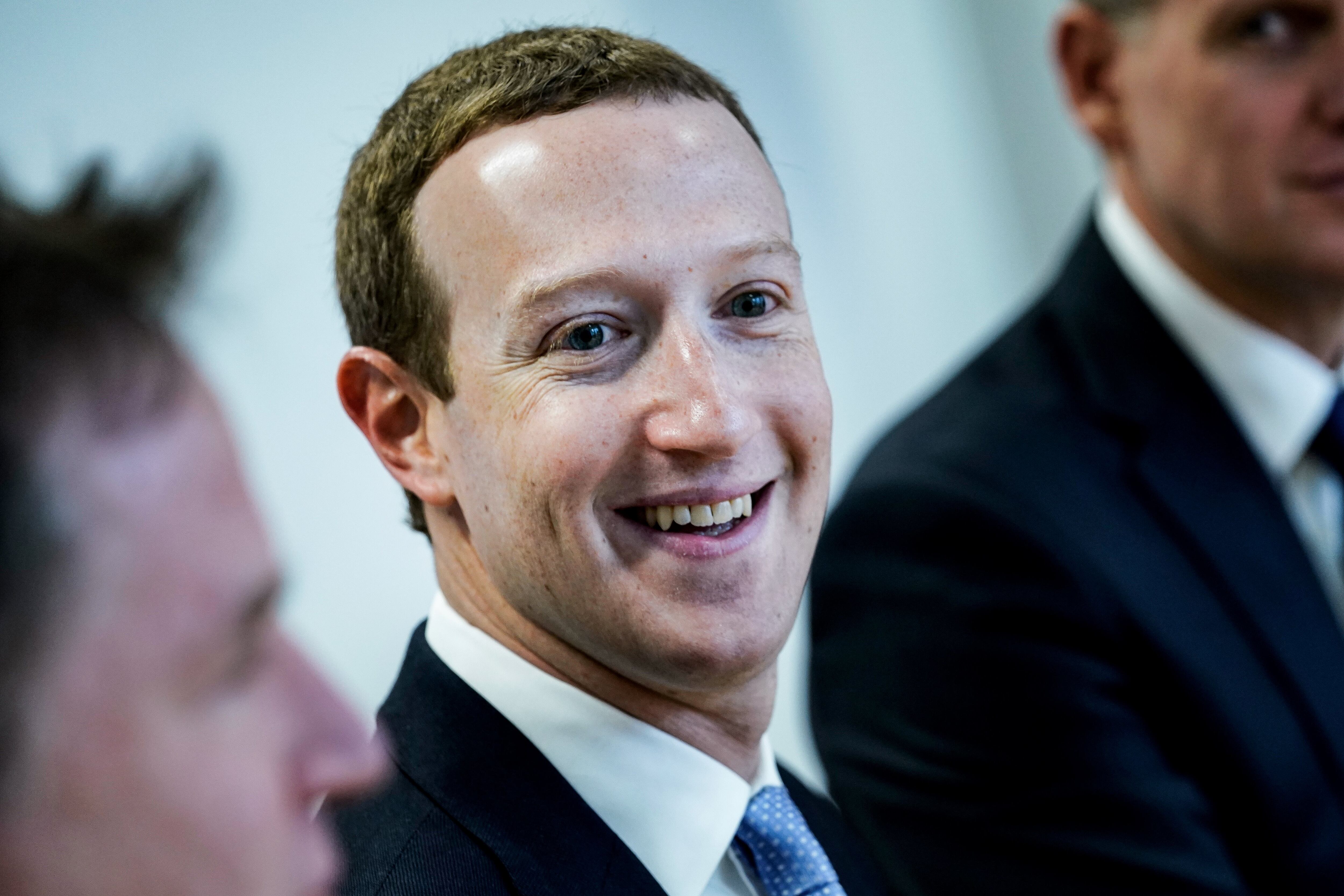
Founder and CEO of US online social media and social networking service Facebook Mark Zuckerberg. Photo by KENZO TRIBOUILLARD/AFP via Getty Images/FILE)
Mark Zuckerberg and his wife Priscilla Chan have donated $25 million through their foundation to a philanthropic effort organized by Bill Gates to explore new coronavirus treatments.
The Gates Foundation donated $50 million last week to what it’s calling the “COVID-19 Therapeutics Accelerator.” The initiative brings together life sciences companies to collaborate on the development of new vaccines, diagnostics, and treatments for COVID-19.
“The Therapeutics Accelerator will enable researchers to quickly determine whether or not existing drugs have a potential benefit against COVID-19,” Chan and Zuckerberg said in a press release. “We hope these coordinated efforts will help stop the spread of COVID-19 as well as provide shared, reusable strategies to respond to future pandemics.”
The two donations are the largest from tech billionaires since the coronavirus outbreak. Wellcome and Mastercard are supporting the effort as well.
The goal of the initiative is to either develop a new drug or adapt an existing treatment that it could help distribute alongside partnering pharmaceutical companies.
The 15 companies participating in the project kicked off the effort by sharing their proprietary libraries of molecular compounds that have some history of being tested with COVID-19.
The lineup includes big names in biotech such as Johnson & Johnson, Merck, Pfizer, Sanofi, and Bristol-Myers Squibb.
API platform RapidAPI recently became a unicorn with a $1 billion valuation after raising $150 million in a Series D funding round led by Softbank Vision Two Fund. Microsoft's Venture Fund, M12, and Andreessen Horowitz also participated. RapidAPI says it provides the world's largest API hub which enables millions of developers and companies to build software faster. Iddo Gino, founder and CEO of RapidAPI, joins Cheddar News' Closing Bell to discuss.
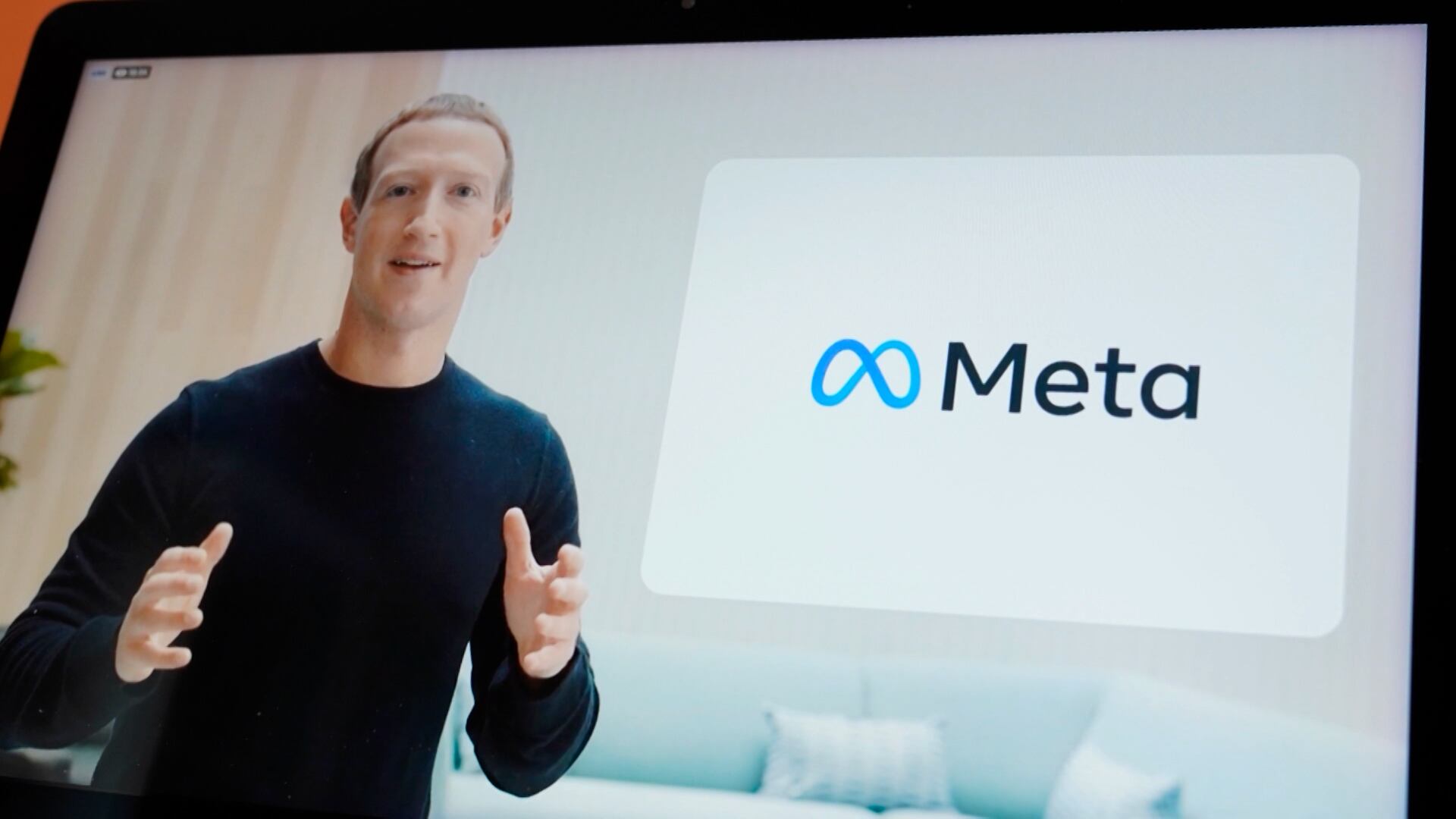
Facebook parent Meta officially has changed it’s ticker symbol from ‘FB’ to ‘META’. Paul Meeks, a portfolio manager, Independent Solutions Wealth Management, and a professor of practice in the Baker School of Business at The Citadel, joined Cheddar News to discuss why the tech giant has had to make big changes to its name, its ticker, and its business plans. "When you see what's happening in digital advertising — and there was a slowdown there even before the threat of a recession, which could cause a even more drastic slowdown next year — they had to pivot," he said. Meeks noted he sees Facebook dominating in the metaverse space going forward — whatever that may end up being.
In a recent Bumble survey, more than a third of respondents revealed that they would be willing to date people in other cities. Shan Boodram, a sex and relationships expert for the app, joined Cheddar News to talk about the long-distance dating trend and tips on how to go about taking part. "I think this is the magic of what we experienced over the past couple of years, is that we have already learned the tools necessary to stay connected with people despite not being able to be close to them," she noted. Boodram also pointed to Bumble's travel mode and using video conferencing in order to ease into such relationships.
On this episode of Cheddar Innovates: CEO of Achieve Life Sciences discusses a new plant-based compound that's being used to fight nicotine addiction; President & CEO OF DiaMedica Therapeutics explains a new ischemic stroke treatment option that expands the window for effective therapy for stroke patients; Cheddar gets a look at Curiosity Stream's 'Asteroid Rush.'
We are already starting to feel the effects of summer. Heat waves in Texas and California are already sending temperatures soaring. That could spell trouble for the nation's power supply. there are new concerns about outages in many areas of the country. Cheddar's Shannon Lanier explains the two main causes of blackouts, and what states are doing to keep the lights on and the air conditioning running.
U.S. stocks close Tuesday at session highs after a subpar start to the trading day. Tim Chubb, Chief Investment Officer at the wealth advisory firm, Girard, joins Cheddar News' Closing Bell to discuss. 'We're starting to see the moderation of three core things -- we've seen the moderation of prices, we've seen the moderation of wage growth we've seen in the labor market, and we've also seen a moderation of job openings,' he says.
CreditCards.com senior industry analyst Ted Rossman compares the Apple Pay Later offering to similar four-step processes at Affirm and Klarna, and says this is a way for the tech giant to dive deeper into the financial industry.