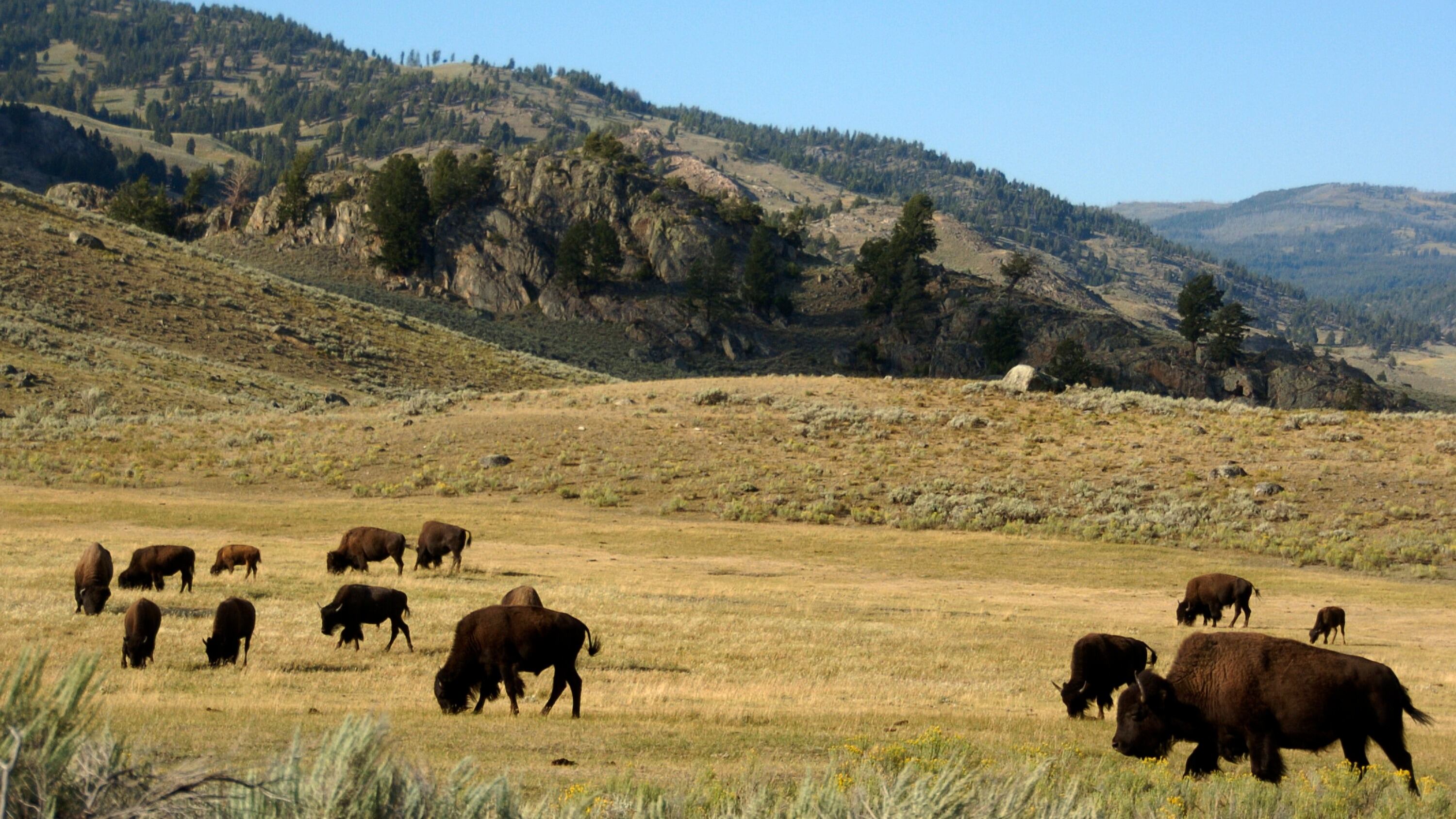
A herd of bison grazes in the Lamar Valley of Yellowstone National Park on Aug. 3, 2016. (AP Photo/Matthew Brown, File)
Yellowstone National Park officials killed a newborn bison because its herd wouldn’t take the animal back after a man picked it up.
The calf became separated from its mother when the herd crossed the Lamar River in northeastern Yellowstone on Saturday. The unidentified man pushed the struggling calf up from the river and onto a roadway, park officials said in a statement Tuesday.
Park rangers tried repeatedly to reunite the calf with the herd but were unsuccessful. Visitors saw the calf walking up to and following cars and people, creating a hazard, so park staff killed the animal, according to the statement.
It's the latest example of Yellowstone visitors getting in trouble or hurt after approaching bison. Park officials euthanized a newborn bison after a similar incident in 2016, when a Canadian man and his son put the calf in their SUV, thinking they could rescue it.
The man pleaded guilty. He was fined $235 and ordered to pay $500 to the Yellowstone Park Foundation Wildlife Protection Fund.
Bison have gored several people in Yellowstone in recent years, often after they got too close to the animals.
Many of Yellowstone’s larger animals — including bison, which can run up to 35 mph (55 kilometers per hour) and weigh up to 2,000 pounds (900 kilograms) — are deceptively dangerous, even when they’re just grazing or resting.
Park rules require visitors to keep at least 25 yards (23 meters) away from wildlife including bison, elk and deer, and at least 100 yards (91 meters) away from bears and wolves.
Park officials are investigating the bison calf incident. The suspect was a white male in his 40s or 50s who was wearing a blue shirt and black pants, the statement said.
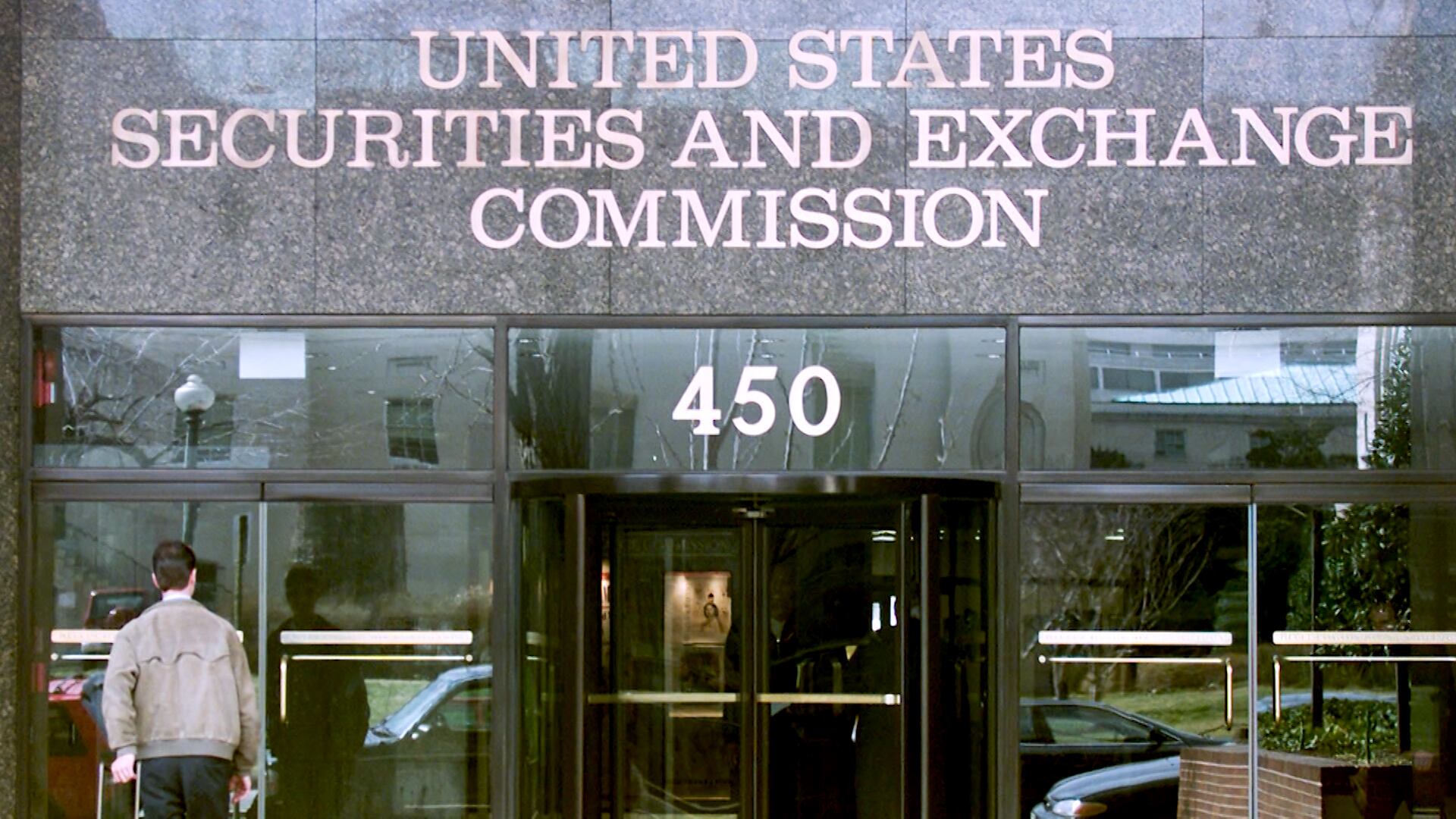
The U.S. Securities and Exchange Commission Monday laid out a proposal that would require businesses to disclose the emissions they produce. Kathleen Rogers, CEO & President at EARTHDAY.ORG, joined Cheddar News to break down the implications of this historic step.
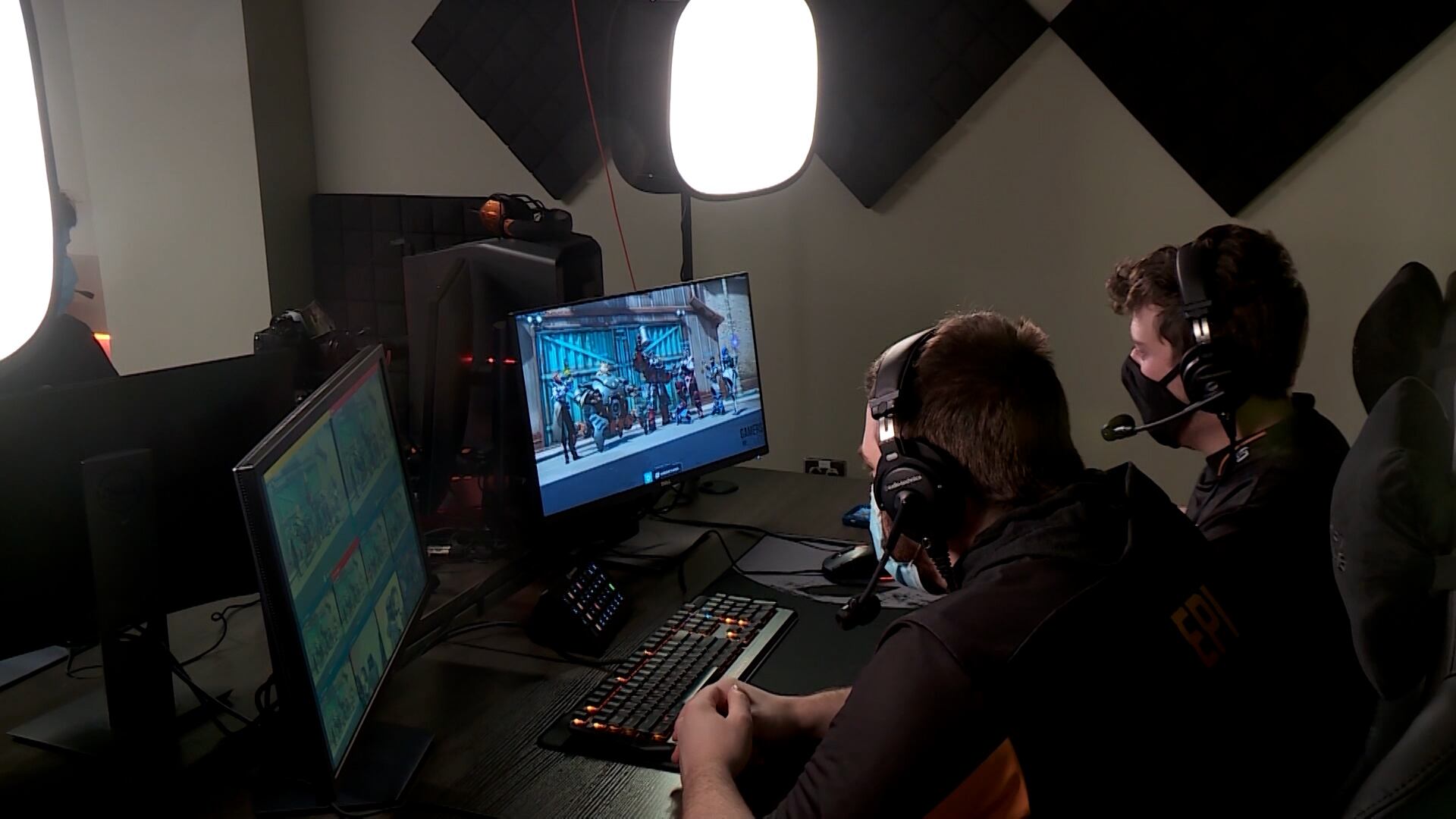
Deepwell Digital Therapeutics is a game development company looking to transform the way we look at video games — this time to improve health outcomes. Its goal is to create software to aid those who deal with conditions such as depression and ADHD. Company co-founder and co-CEO Ryan Douglas and co-founder Kate Edwards joined Cheddar News to talk about the technology is being used to help patients. "From a research perspective, the game industry itself has been well aware for many, many years of the kind of inherent, kind of anecdotal therapeutic value of playing games," said Edwards.
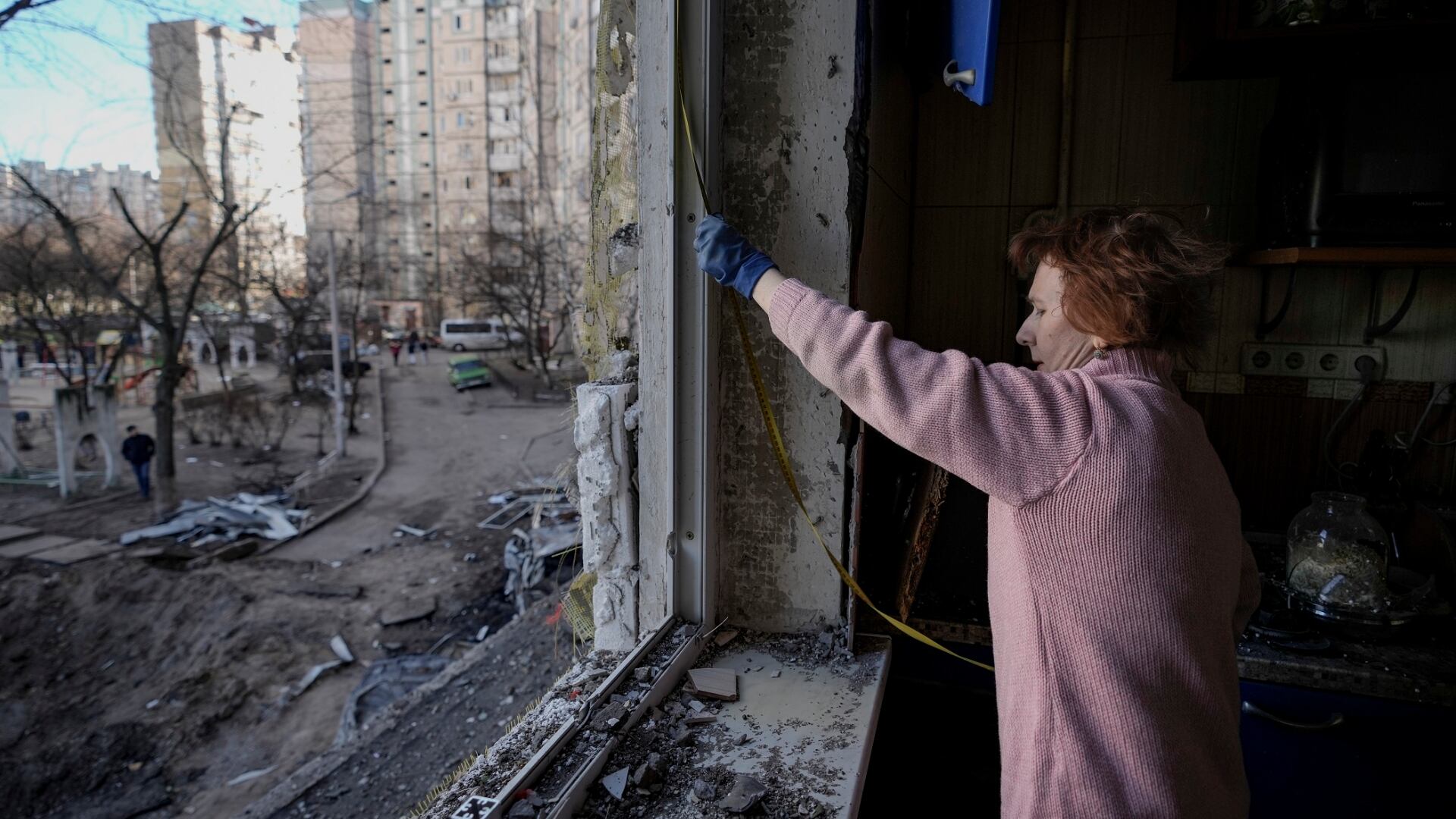
Catching you up on what you Need to Know on Mar 21, 2022, with updates on the Russian invasion in Ukraine, a Boeing 737-800 plane carrying 132 people crashed in China, Canadian Pacific rail workers on strike, another possible COVID surge, and the SEC's new climate rules for businesses.
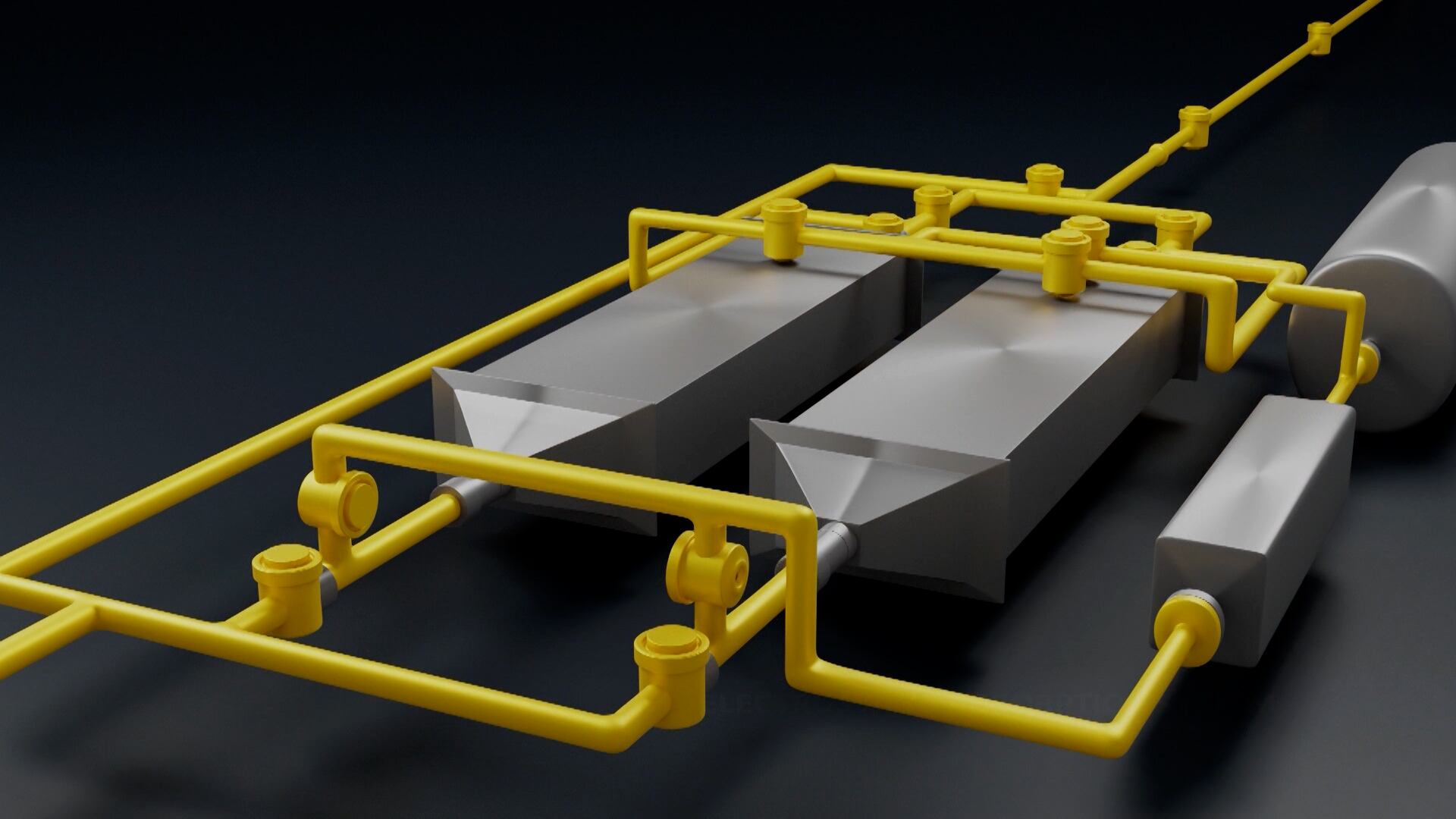
The Bill Gates-founded Breakthrough Energy company invested $80 million in Verdox Inc. to facilitate efficient, lower-cost technolog to remove carbon from the air and emission sources. CEO of Verdox, Brian Baynes, joined Cheddar News to discuss the investment, how the company's tech works, and where he sees it going. "We anticipate that with technologies like ours, we potentially can get to the scale of about a million tons per year within 5-10 years," he said. "And then ultimately we need to be doing this at the scales of billions of tons per year and ultimately about 10 billion tons per year in the year 2050."
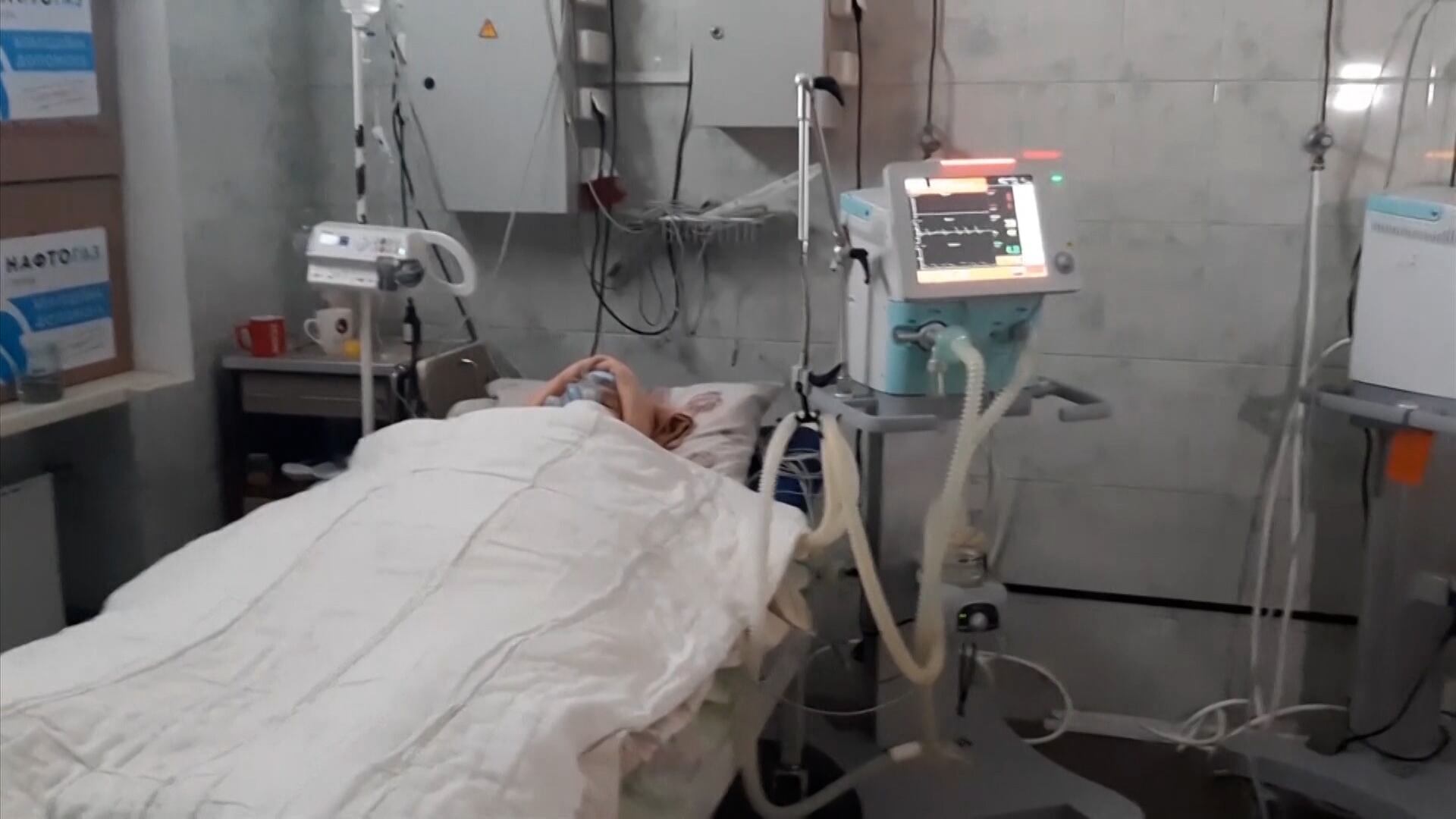
As the Russia's invasion of Ukraine continues, medical experts are worried conditions in active warzones will exacerbate the current pandemic — or even give rise to other contagions. Dr. Daniel Fagbuyi, a war veteran and former Obama administration biodefense appointee, joined Cheddar News to discuss the ongoing danger of COVID-19 on top of the war, as well as the potential for new variants to emerge. "I mean just large volumes of people definitely is a breeding ground. That's the worst case," he said. "Two things don't mix: war-conflict and a virus, a potential pandemic virus."
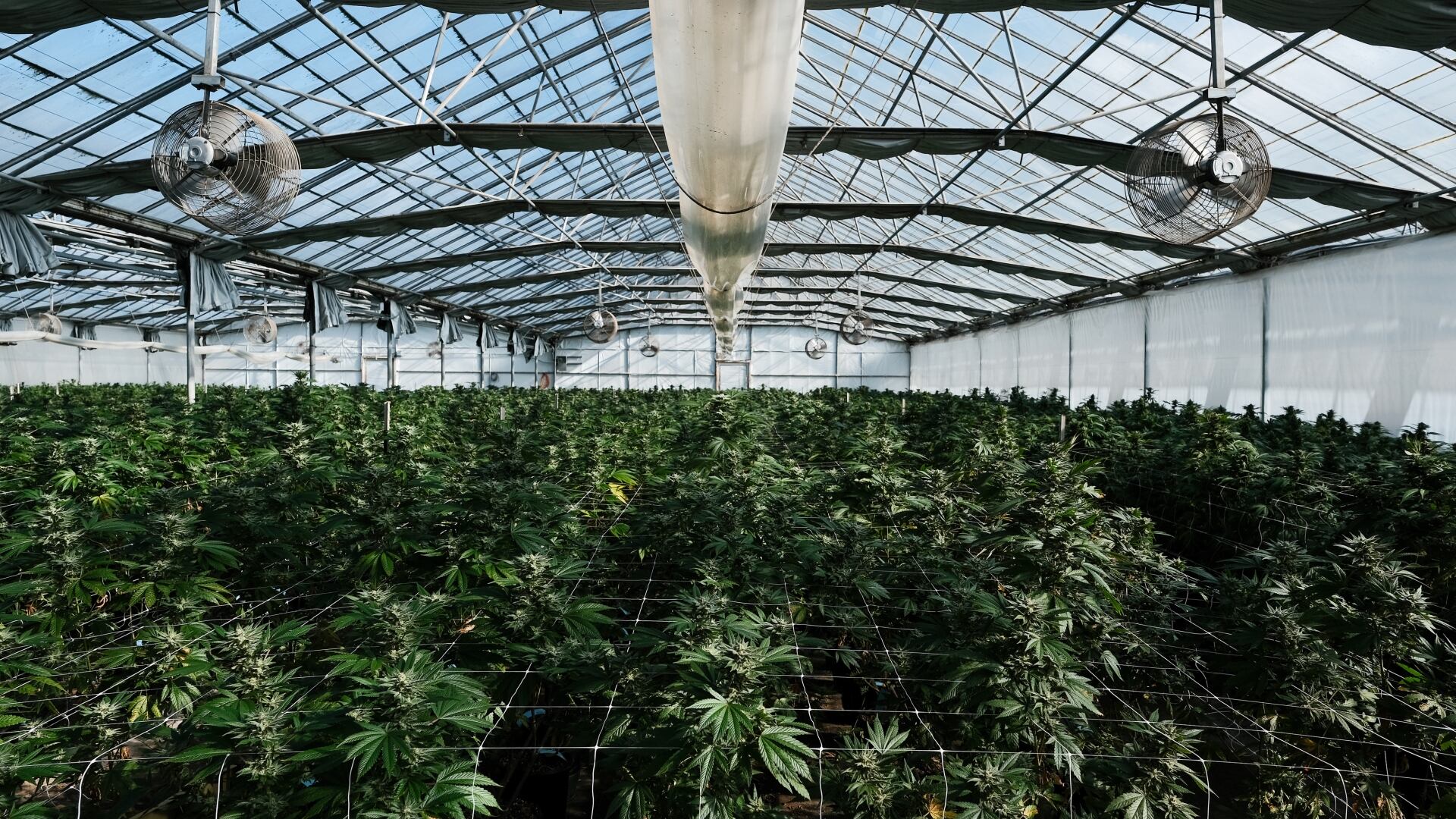
Medical cannabis company Akanda went public this week in what was the first traditional IPO of the month. Shares jumped about 163% in the stock's first day of trading. The London-based company says it hopes to supply medical cannabis products to wholesalers in international markets. Tej Virk, CEO of Akanda, joins Cheddar News' Closing Bell to discuss.