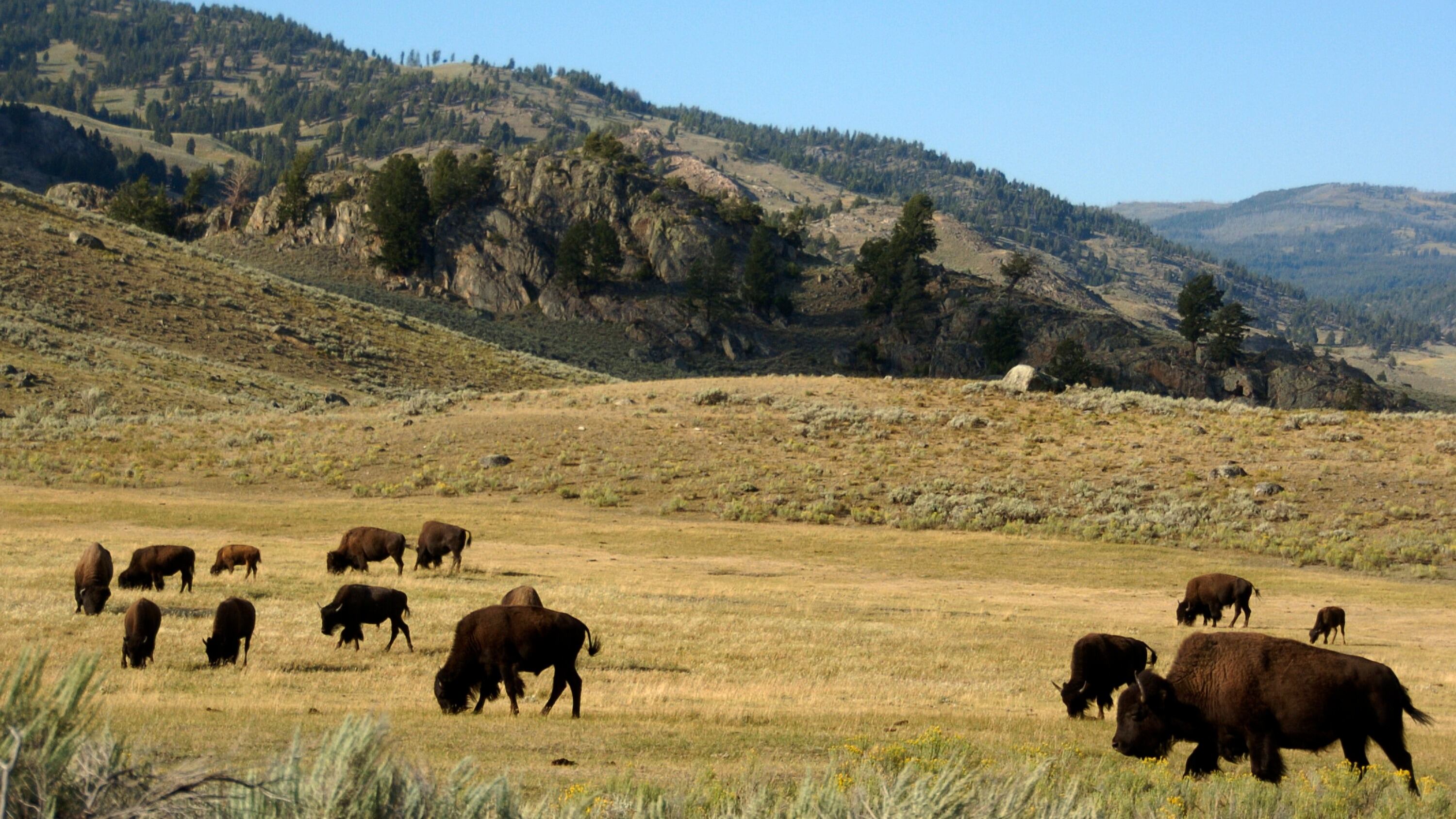
A herd of bison grazes in the Lamar Valley of Yellowstone National Park on Aug. 3, 2016. (AP Photo/Matthew Brown, File)
Yellowstone National Park officials killed a newborn bison because its herd wouldn’t take the animal back after a man picked it up.
The calf became separated from its mother when the herd crossed the Lamar River in northeastern Yellowstone on Saturday. The unidentified man pushed the struggling calf up from the river and onto a roadway, park officials said in a statement Tuesday.
Park rangers tried repeatedly to reunite the calf with the herd but were unsuccessful. Visitors saw the calf walking up to and following cars and people, creating a hazard, so park staff killed the animal, according to the statement.
It's the latest example of Yellowstone visitors getting in trouble or hurt after approaching bison. Park officials euthanized a newborn bison after a similar incident in 2016, when a Canadian man and his son put the calf in their SUV, thinking they could rescue it.
The man pleaded guilty. He was fined $235 and ordered to pay $500 to the Yellowstone Park Foundation Wildlife Protection Fund.
Bison have gored several people in Yellowstone in recent years, often after they got too close to the animals.
Many of Yellowstone’s larger animals — including bison, which can run up to 35 mph (55 kilometers per hour) and weigh up to 2,000 pounds (900 kilograms) — are deceptively dangerous, even when they’re just grazing or resting.
Park rules require visitors to keep at least 25 yards (23 meters) away from wildlife including bison, elk and deer, and at least 100 yards (91 meters) away from bears and wolves.
Park officials are investigating the bison calf incident. The suspect was a white male in his 40s or 50s who was wearing a blue shirt and black pants, the statement said.
After a nationwide mask mandate for travel was struck down by a federal judge, Dr. Sampson Davis, an ER physician and bestselling author, joined Cheddar News to talk about the ramifications. "We are at a place where we are going to have to wait and see, unfortunately," he said. "The good news is that we're coming off a celebration of spring break, Easter, Passover, and we'll see what happens. But right now I'm not seeing a spike and people come into the hospital are truly sick. However, I'm still seeing people test positive for COVID."
Apple has revealed that the tech giant is working more on going green, reporting the use of more recycled materials than ever before. It's setting sustainability goals, aiming to cut emissions by 75 percent in the next 10 years and eventually ending the use of plastic in packaging.
Will Marshall, CEO, Planet, joins Cheddar Reveals to discuss Planet's influence and innovation from agriculture to sustainability using geospatial insights from their constellation of over 200 satellites.
Thomas Zurbuchen, Associate Administrator, NASA Science, joins Cheddar Reveals to break down the future of space exploration and how NASA is innovating this year and into the next decade.
Catching you up on what you need to know on April 19, 2022, with a federal judge voiding mask mandates on public transportation, updates from the Russia and Ukraine war, Mac Miller’s drug dealer sentenced for involvement in the rapper's death, and more.
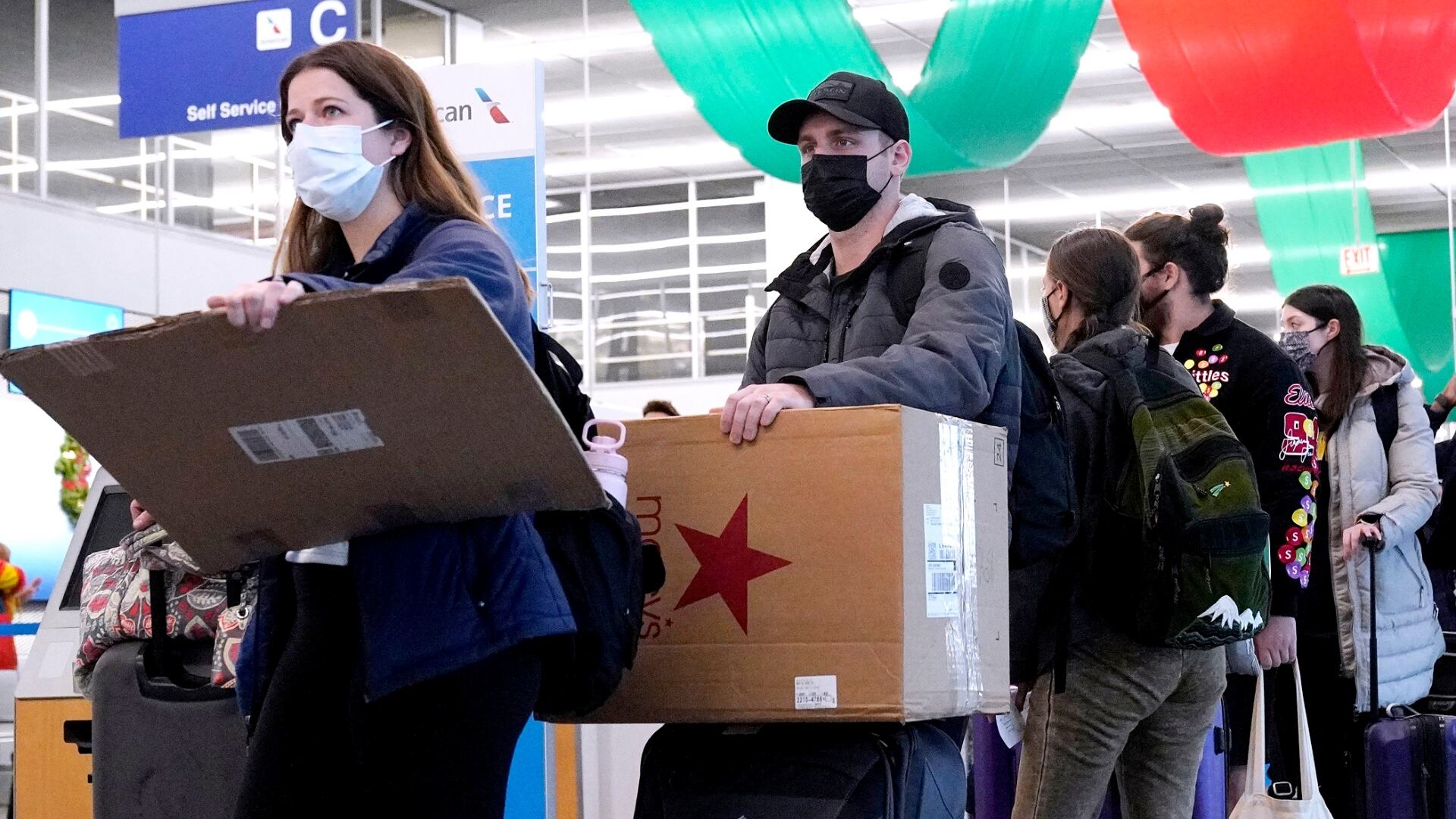
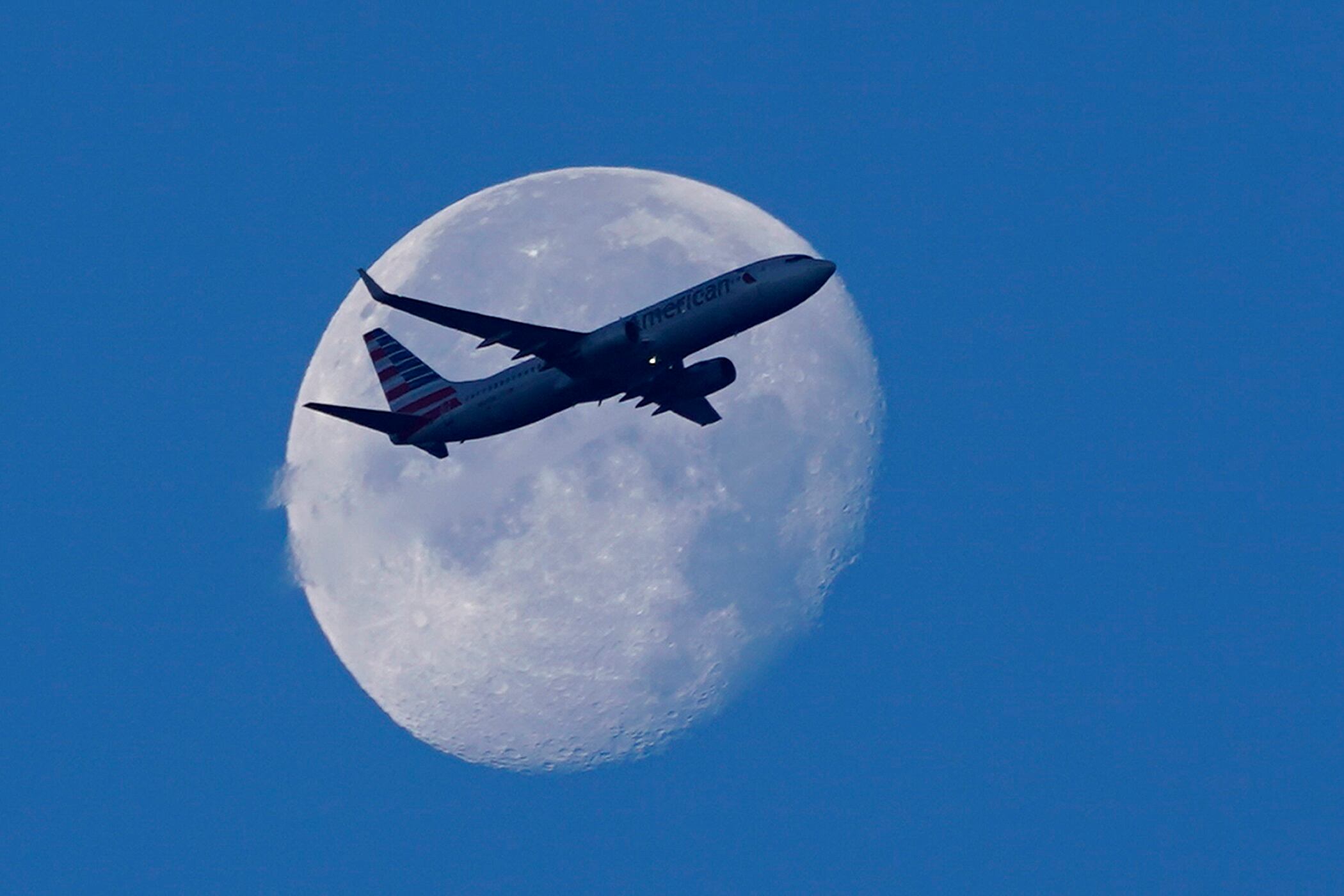
A federal judge’s decision to strike down a national mask mandate was met with cheers on some airplanes but also concern about whether it’s really time to end the order sparked by the COVID-19 pandemic.
A new Axios-Ipsos poll found that just one in ten people would currently characterize the coronavirus as a serious crisis. The vast majority do believe it's a problem, but a manageable one. It's clear that the public is itching to ditch their masks and various other restrictions. Chris Jackson, senior vice president of Ipsos public affairs, joins Cheddar News.
Between Bells executive producer Conor White recaps some of the biggest stories of the week, and teaches Azia Celestino and Hena Doba a thing or two at the same time. It's This Week In Trivia!
The Food and Drug Administration has issued an emergency use authorization for what it says is the first device that can detect COVID-19 in breath samples.
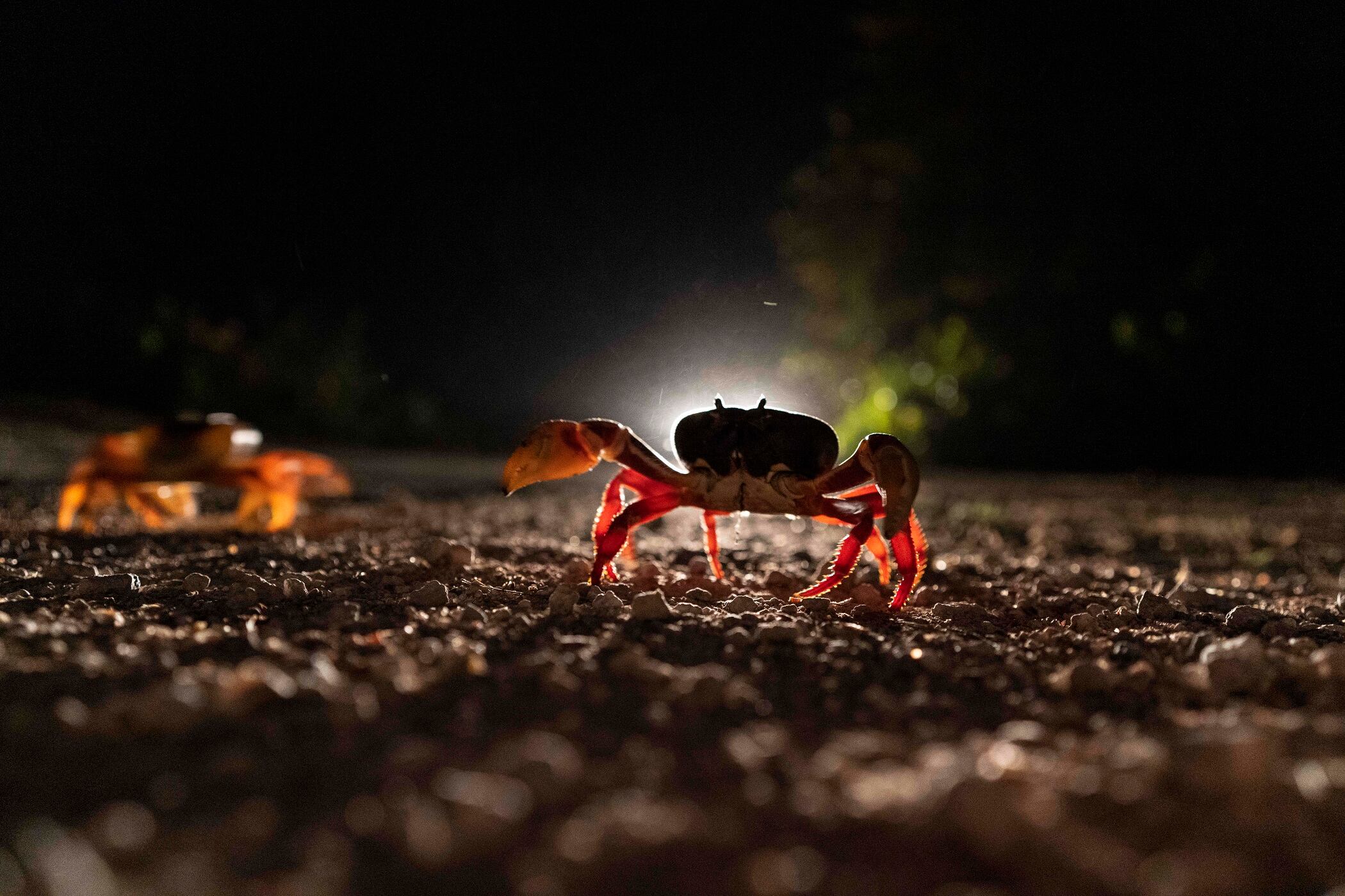
Every year in Cuba, millions of crabs emerge from the forest at the beginning of the spring rains and head for the waters of the Bay of Pigs, crossing streets and highways on a perilous journey to mate and reproduce there.