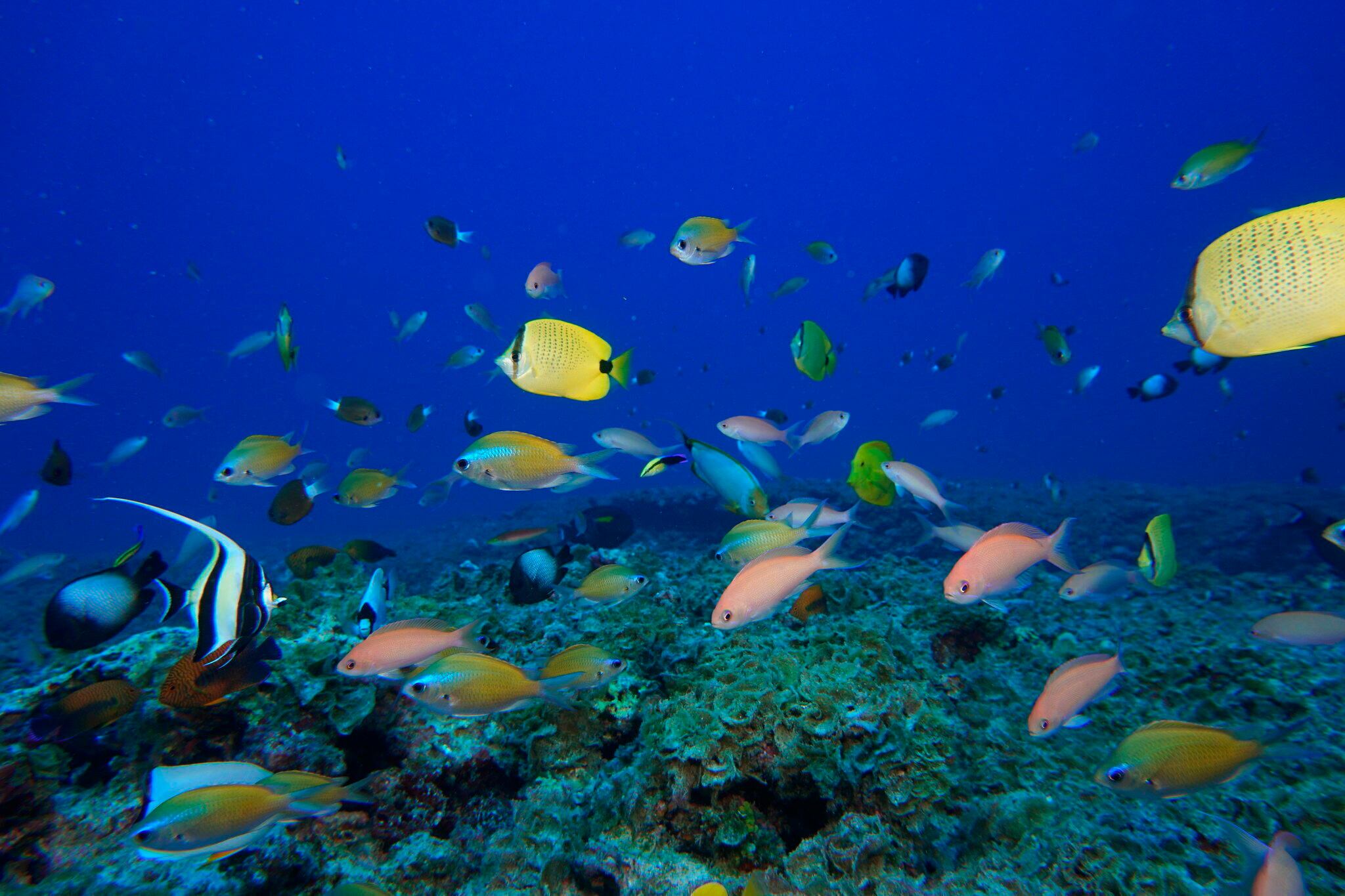
In this Sept. 6, 2017 photo provided by the National Oceanic and Atmospheric Administration (NOAA), fish swim in a reef at Pearl and Hermes Atoll in the Northwestern Hawaiian Islands. A decade-long effort by the world to save the world’s disappearing species and declining ecosystems has mostly failed so far, with fragile ecosystems like coral reefs and tropical forests in even more trouble than ever, according to a United Nations biodiversity report released on Tuesday, Sept. 15, 2020. (Jacob Asher/NOAA via AP)
By Christina Larson and Seth Borenstein
A decade-long global effort to save Earth's disappearing species and declining ecosystems have mostly stumbled, with fragile habitats like coral reefs and tropical forests in more trouble than ever, researchers said in a report Tuesday.
In 2010, more than 150 countries agreed to goals to protect nature, but the new United Nations scorecard found that the world has largely failed to meet 20 different targets to safeguard species and ecosystems.
Six of those 20 goals were "partially achieved," and the rest were not.
If this were a school and these were tests, the world has flunked, said Elizabeth Maruma Mrema, executive secretary of the U.N. Convention on Biological Diversity, which released the report.
Inger Andersen, who leads the U.N. environment program, called it a global failure.
"From COVID-19 to massive wildfires, floods, melting glaciers and unprecedented heat, our failure to meet the Aichi (biodiversity) targets — protect our home — has very real consequences," Andersen said. "We can no longer afford to cast nature to the side."
In a Tuesday interview with The Associated Press, former U.N. Secretary-General Ban Ki-Moon connected the problems to "a lack of global partnership and political leadership." He said multilateralism has been under attack, citing the United States' withdrawal from the Paris climate change agreement as an example.
The U.N. team and report authors said the study is not meant to stoke despair, but to galvanize governments to take stronger actions over the next decade to protect the diversity of life.
"Some progress has been made, but inadequate progress. A lot still needs to be done," Mrema said. "The key is to get the political will and the commitment."
Duke University ecologist Stuart Pimm, who was not involved in the new report, said it's good that countries are getting together to examine their biodiversity goals but some of the targets are nebulous. Reducing "everything on the planet to single scores" obscures the fact that the picture may look different in different places, he said.
For years, conservation activists have used the polar bear as a poster child for species in trouble — especially those threatened by climate change, which the report connects to biodiversity loss. But Mrema and lead author David Cooper said the world should think about a different poster animal: humans.
"A lot of things civilizations depend on are certainly threatened," he said.
The report was originally slated to be released at a U.N. conference to set biodiversity targets for the next decade, but the event in Kunming, China, was postponed until next year due to the pandemic.
Last week, the World Wide Fund for Nature released new research detailing how monitored populations of mammals, birds, amphibians, reptiles and fish have declined, on average, 68 percent, between 1970 and 2016.
"With pandemic deaths surging and wildfires raging across the entire West Coast, never have the consequences of our misuse and abuse of the natural world been more clear," said Julia Baum, a biologist at Canada's University of Victoria who wasn't part of the report.
As countries prepare to restart their economies after combating the coronavirus, there's an opportunity to do better — or much worse — for the planet, Cooper said.
"Some countries are relaxing environmental regulations, but others are investing in a green recovery," he said.
One of the challenges in meeting global biodiversity targets is a mismatch between countries with abundant natural assets — such as large tracts of intact tropical forests — and those with money to enforce protections.
"The biodiversity hotspots tend to be in poorer countries," and wealthy countries need to be willing to provide financial or practical support to help other nations, Cooper said.
Dalhousie University marine biologist Boris Worm, who also wasn't part of the report, said the world is at a crossroads.
"We still have the chance to save most of the world's endangered species and vulnerable ecosystems," Worm said. "Now we face a historic choice to either seize this opportunity, and rebuild what has been lost, or to let the world's species slide further into oblivion."
He said it's striking that Earth's biodiversity took millions of years to evolve, "yet we could destroy much of it in a matter of decades — or safeguard it for generations to come."
"It's our choice," he added.
___
AP writer Elias Meseret contributed from Addis Ababa, Ethiopia.
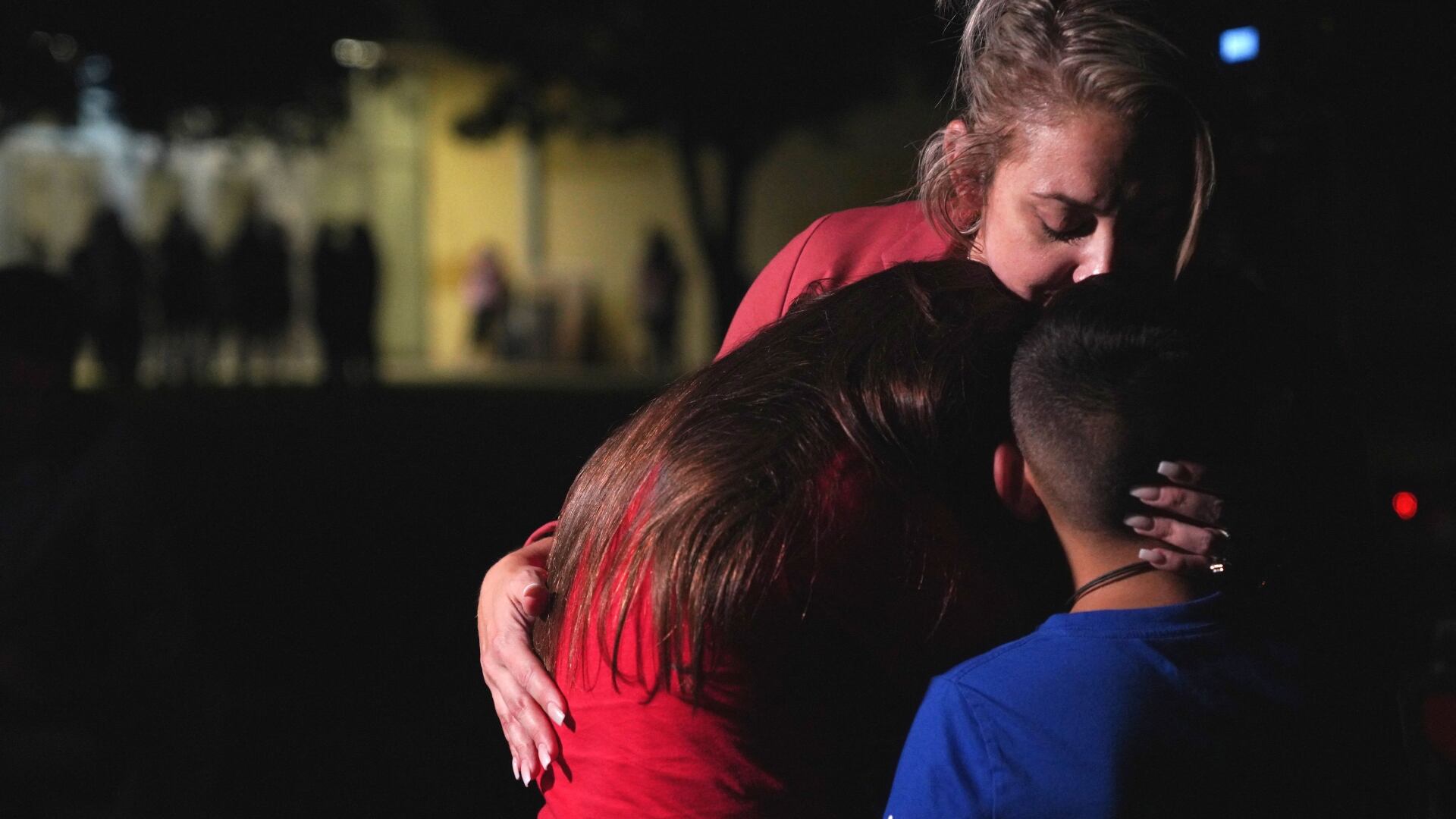
After the latest school shooting in Uvalde, Texas, it wouldn't be a surprise if the traumatic event takes a toll on your mental health — or that of your children. Amy Morin, the editor-in-chief of Verywell Mind and licensed psychotherapist, joined Cheddar News to share coping skills and offer advice about how to talk to your children about these increasingly common tragic events. “I think its important for parents to know what the school’s plan is, what the teacher's plan is, and then we can have our own plans with kids too," she noted. "It's so important for us to talk to kids about how they're feeling — guaranteed they've heard something about it, so ask them what they know already, use age-appropriate language, and rather than just dismissing their fears by saying don't worry about it or I'm sure you'll be safe, talk to them about their feelings."
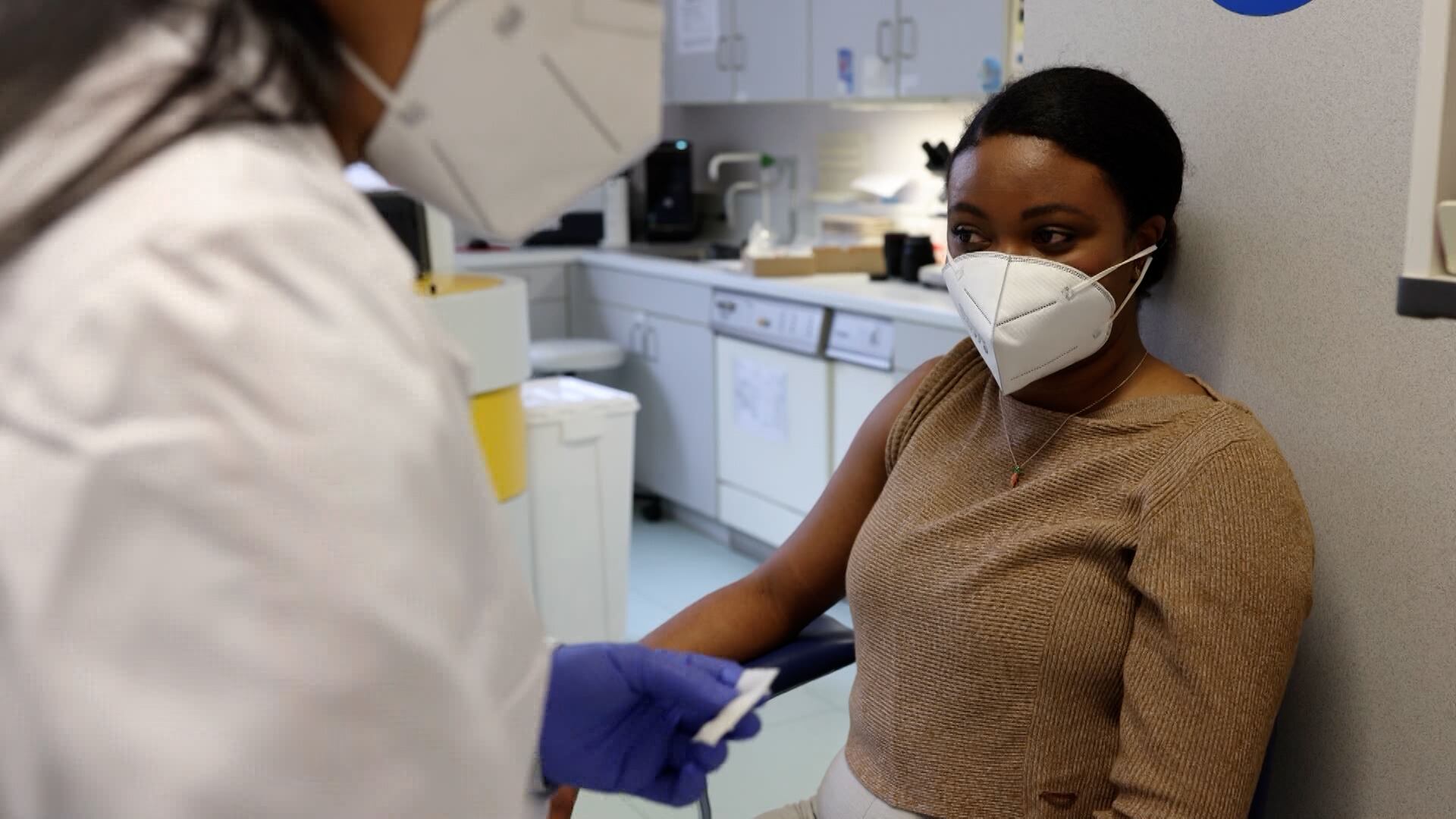
An recently conducted AP-NORC poll found that majorities of the Black and Hispanic populations in the U.S. still find themselves either somewhat worried or extremely worried over the pandemic, while more than half of white Americans responded with either being not too worried or not worried at all. Dr. Chris Pernell, the chief strategic integration and health equity officer at University Hospital, joined Cheddar News to talk about how perceptions of COVID-19 differ between groups of Americans. "We’re still seeing people get infected, and because of the toll of the disproportionate impact, we have concerns among the Black and brown community about whether or not they have an increased risk of exposure because of where they work, because of the use of public transportation, because they live in homes that they may not be able to safely quarantine and or isolate in, and because they have at baseline chronic health conditions that may make coronavirus more severe in those persons," she said.
Judith Enck, a former regional administrator for the EPA and the president of Beyond Plastics, joined Cheddar News to talk about the role of plastics in the climate crisis and California's investigation of ExxonMobil and other oil companies for misleading the public on the ability to recycle plastics. "The reason why petrochemical companies like Exxon have gotten away with selling more and more plastic is that they've lied to the public and told us don't worry about all those negative upstream impacts and downstream impacts of plastics. Just be sure to recycle it. Well, guess what? Plastics largely are not recycled," Enck said.
Catching you up on what you need to know on April 29, 2022, with President Biden asking Congress for a $33 billion aid package for Ukraine, a shrinking GDP potentially leading to a recession, Beijing banning weddings and funerals while closings schools amid COVID, and more.
Virtual care and digital medicine provider Biofourmis recently raised $300 million in a Series D round led by General Atlantic and with participation from CVS Health. Biofourmis offers at-home care and digital therapies backed by artificial intelligence, which can remotely monitor patients while they are at home. The company says it hopes its technology can improve patient outcomes while reducing the cost and burden of care. Kuldeep Signh Rajput, Founder and CEO of Biofourmis, joins Cheddar News' Closing Bell to discuss.
Moderna is asking the FDA to consider emergency use authorization for its COVID vaccine to be used with children under 6 years old. Dr. Christina Johns, a senior medical advisor at PM Pediatrics, joined Cheddar News to talk about the pharmaceutical company's research into the safety and efficacy of the vaccine for the very youngest of children. "This is very exciting news because children met that goal in their neutralizing antibody response in this age group — means that we really can extrapolate a lot from what we know about data in adults," she said. "I will say that there's a caveat that we have not seen yet the full dataset released, so I'm waiting for that and my fingers are crossed for next week."
Mental health platform Real recently raised $37 million in a Series B round led by Owl Ventures. Through its mobile app, Real says it provides mental health care at a lower cost than traditional therapy and aims to make mental wellness a part of everyone's daily routine. The company also announced that U.S. soccer star Megan Rapinoe will serve as an adviser to the company. Ariela Safira, Founder & CEO of Real, joins Cheddar News' Closing Bell to discuss.
Catching you up on what you need to know on April 28, 2022, with Elon Musk mocking Twitter's top legal exec Vijaya Gadde on the platform itself, a probe in George Floyd's death finding discrimination within the Minneapolis police force, the latest California drought leading to new water restrictions, and more.