This Saturday marks the fourth annual Women’s March, the annual gathering to support women which began as President Donald Trump entered the White House. Now, this year’s march marks the last of its kind before the 2020 election.
Three years ago, hundreds of thousands gathered in Washington D.C. for the event’s first iteration, which took place the day after Trump’s inauguration. It followed a contentious campaign in which Trump was repeatedly criticized for his behavior toward women. He made a lewd remark about Fox News’ Megyn Kelly while she was moderating a presidential debate and a now-infamous 2005 Access Hollywood tape surfaced in which he claimed he could “grab” women inappropriately because he was famous.
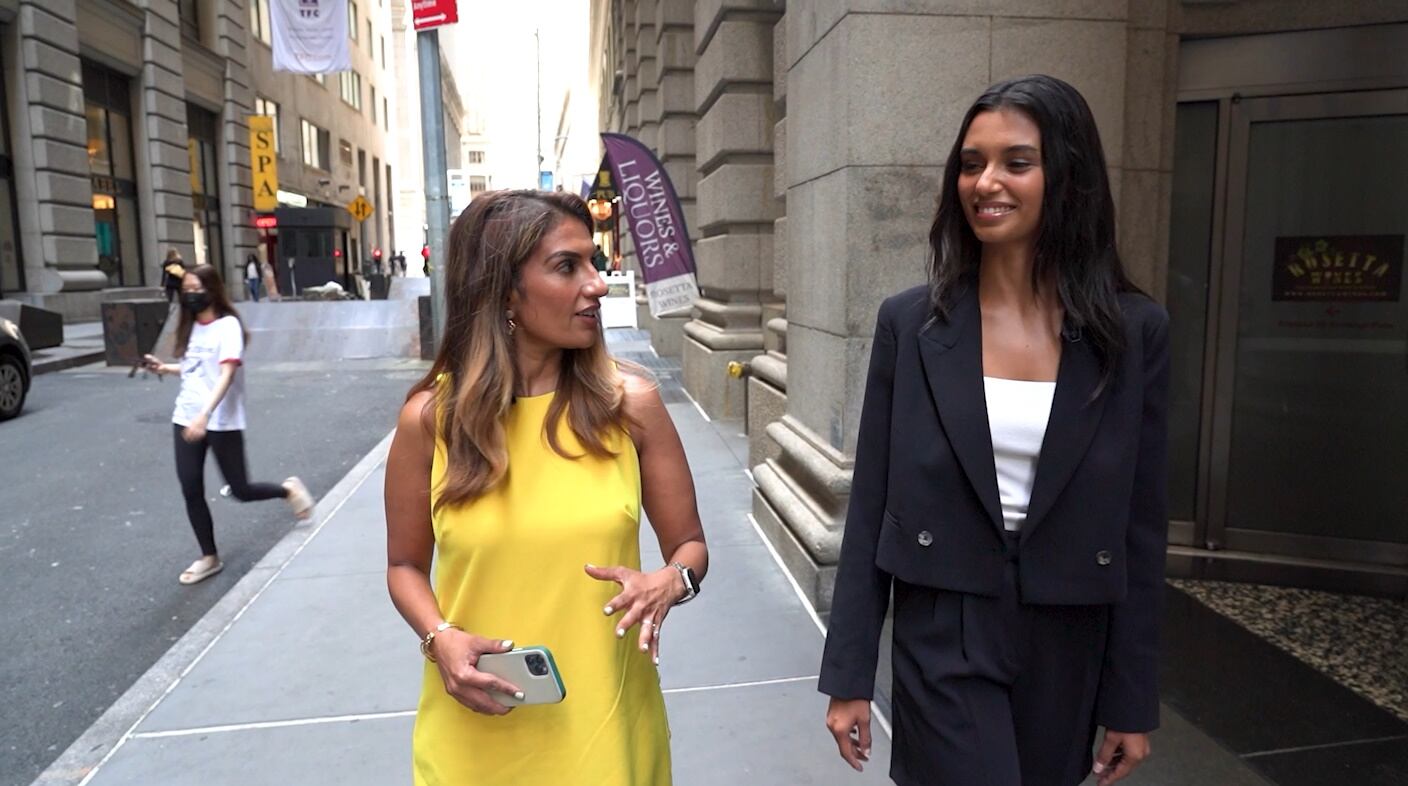
“This movement started with an election and we’re hoping to end it with an election,” Women’s March board member Lucy Flores told Cheddar.
In the past year, the organization has had a shakeup in leadership after three founding members stepped down following allegations of antisemitism.
Flores called the new board members “incredible.”
As the organization tries to maintain the momentum from the original march, which galvanized more than three million to take to the streets worldwide, Flores said the focus remains on the women and supporters who come out to march.
The original march became the largest single-day protest in U.S. history, but attendance has steadily declined in subsequent years.
So, with input from the new leadership, this year’s event will look different. Instead of featuring celebrity speakers, the march will focus on the core marchers, according to Flores and the Women’s March Director of Community Engagement Tabitha St. Bernard-Jacobs.
“From the beginning, it’s always been about the marchers,” St. Bernard-Jacobs told Cheddar. “It’s a movement because of the people that have been inspired to come out into the streets and that have been mobilizing from the beginning.”
Women’s March surveyed its supporters and, along with a 600 percent year-over-year growth in fundraising according to Flores, the organization decided on three key areas of focus: climate change, reproductive health and immigration.
St. Bernard-Jacobs said those three issues they found were “directly impacting” the lives of those surveyed.
“This is the last march before the 2020 election and we just know that it’s going to come down to women and we will show up in the streets,” she said. “Women will make their voices heard in the streets tomorrow.”