Women-owned businesses grew 21 percent in five years and firms owned by women of color grew by double that rate in the same period, but National Women's Business Council member Shelonda Stokes said those numbers are just the beginning of the story.
Though the number of women-owned businesses and the share of those businesses operated by women of color is on a "positive trajectory," numbers alone don't solve problems, said Stokes. These leaders need to have the means to succeed once they get their businesses going.
"We need to make sure once we get there we have access to capital, we have mentors, we have resources and all of those things available to help us take it to that next level," she told Cheddar.
In order to make progress toward equality in the workplace, Stokes said there needs to be a combination of changes. "Some things absolutely require regulation, some things we can control. Some things, as you've seen in the past, take business and culture change to happen within," she said.
Stokes and NWBC are focused on helping move regulation forward. NWBC gives advice and counsel to the president, Congress, and the U.S. Small Business Administration, a government agency focusing on supporting entrepreneurs and small businesses.
Stokes, herself president and CEO of content company greiBO, as well as a member of the council, said before publishing this year's annual report last week that members traveled the nation "looking at issues that affect women," and she has been focusing specifically on African American women in STEM industries.
"While you see the playing field is getting a lot more level, we've got a long way to go," she added.
Stokes said the president's administration takes the council's advice and uses its annual report as a guide because members have done their homework by going to see how businesses are doing around the country. "They're listening," she said.
Walmart, which became the nation’s largest retailer by making low prices a priority, has found itself in a place it’s rarely been: Warning customers that prices will rise for goods ranging from bananas to car seats.
Chris Beauchamp, Chief Market Analyst at IG International, joins J.D. Durkin to give analysis on the recent trade truce between the U.S. and China. Watch!
Shan Aggarwal, VP of Corporate and Business Development at Coinbase, discusses the company's acquisitio of Deribit as it heads into the S&P 500. Watch!
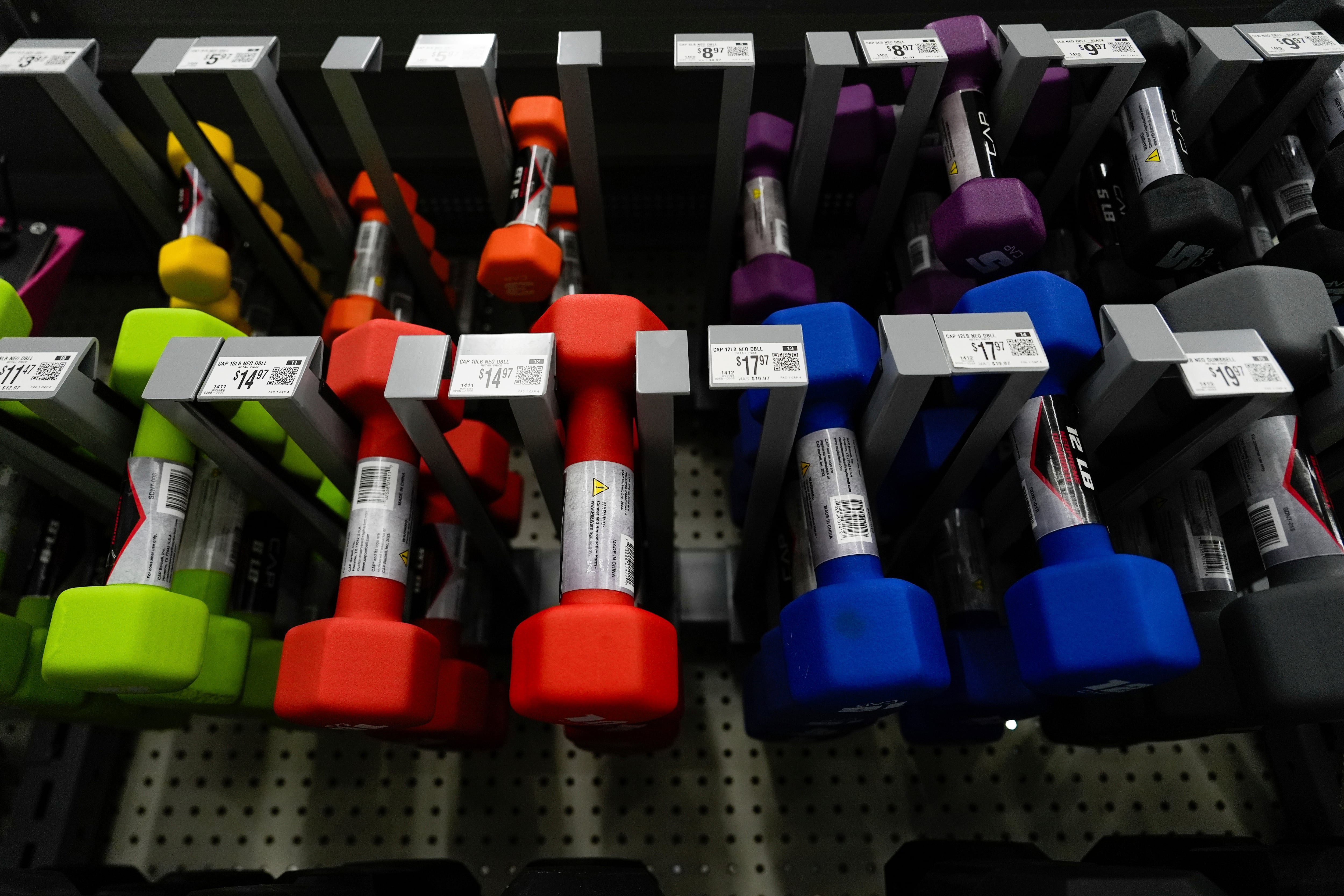
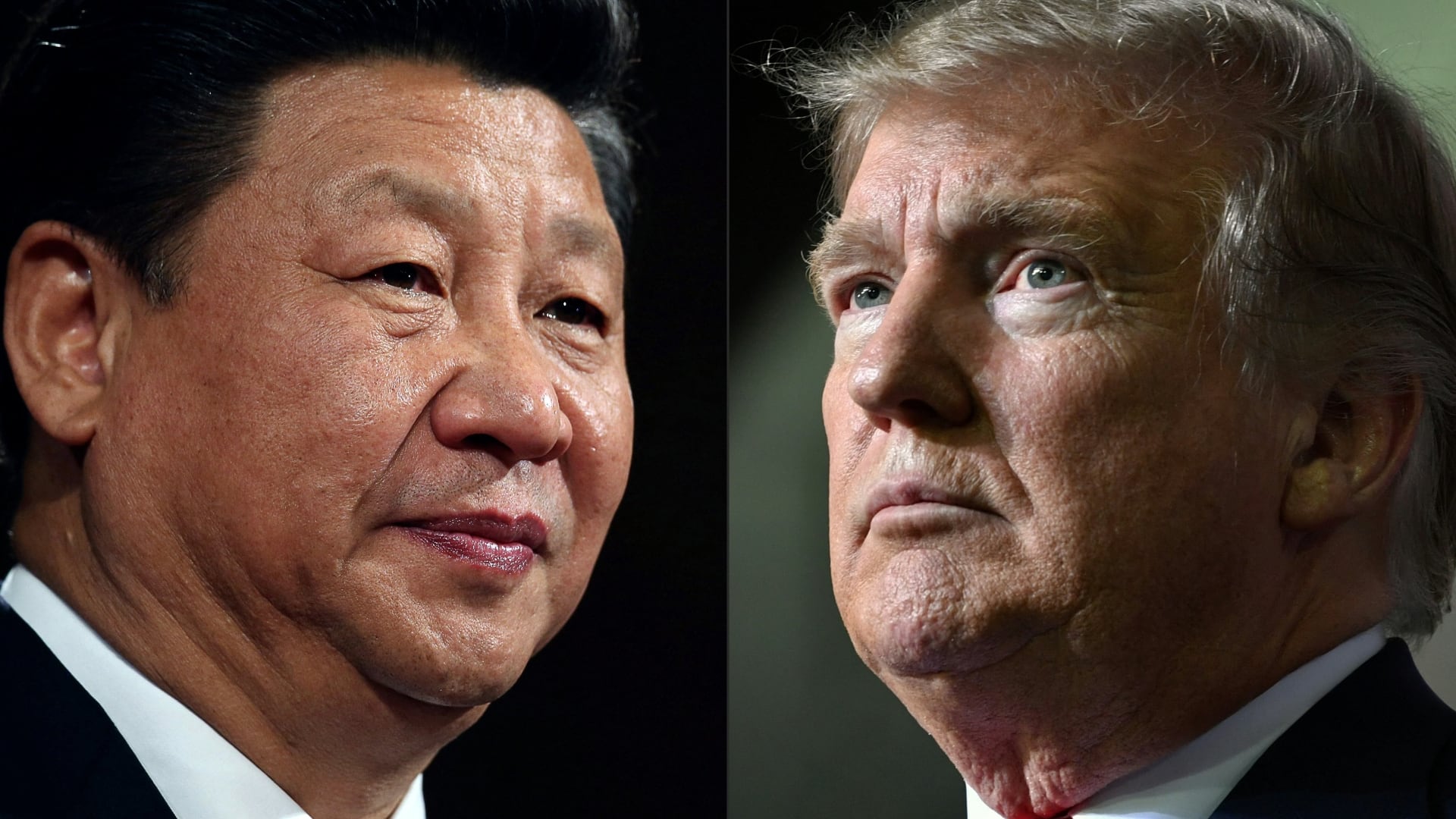
American businesses that rely on Chinese goods are reacting with muted relief after the U.S. and China agreed to pause their exorbitant tariffs on each other’s products for 90 days. Many companies delayed or canceled orders after President Donald Trump last month put a 145% tariff on items made in China. Importers still face relatively high tariffs, however, as well as uncertainty over what will happen in the coming weeks and months. The temporary truce was announced as retailers and their suppliers are looking to finalize their plans and orders for the holiday shopping season. They’re concerned a mad scramble to get goods onto ships will lead to bottlenecks and increased shipping costs.
Shopping expert Trae Bodge discusses how talks between the U.S. and China is good news for now, but uncertainty remains for back-to-school and the holidays.
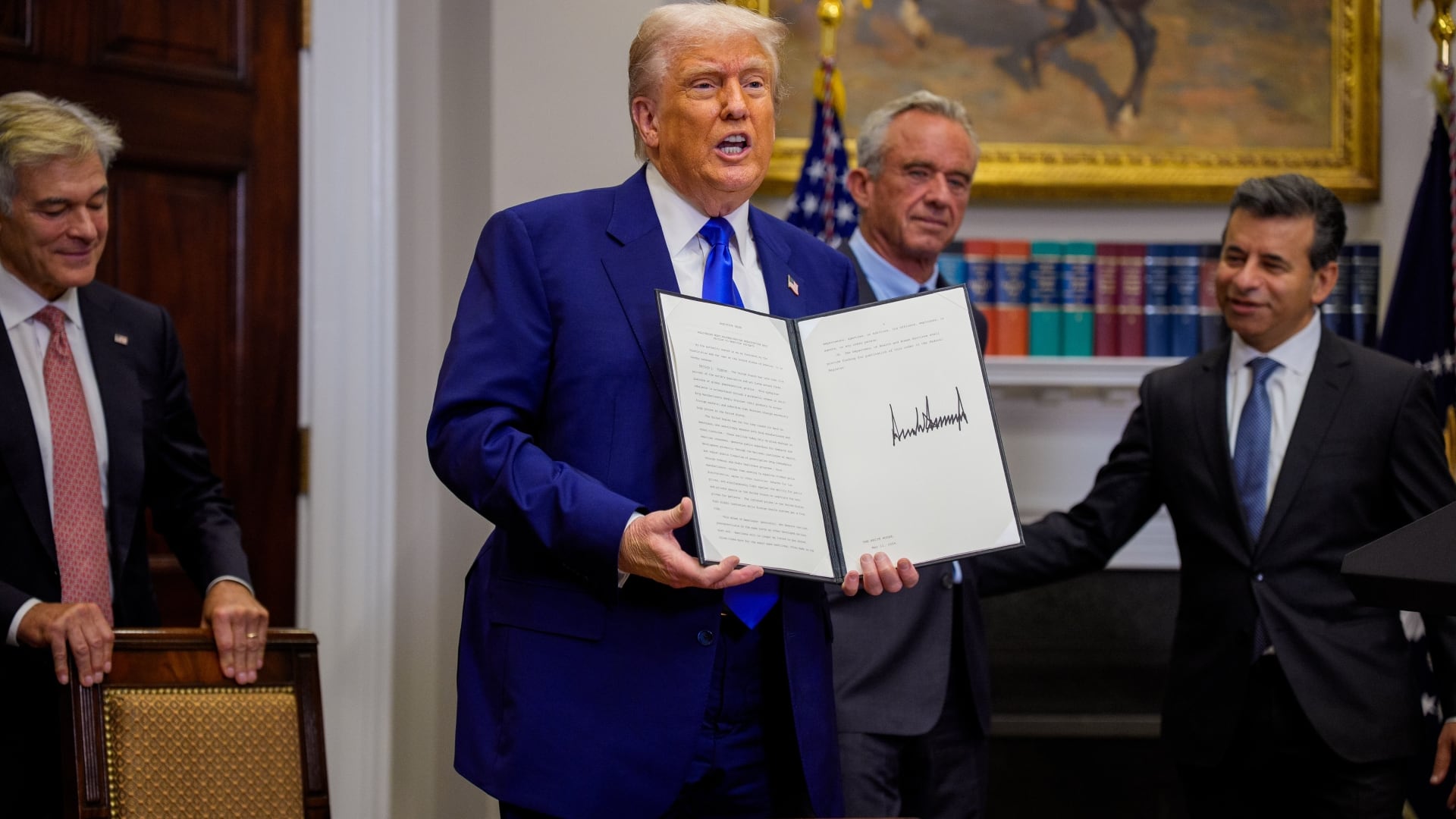
Jake Traylor, White House reporter at Politico, joins Cheddar to discuss how Trump is aiming to lower drug prices and how it differs from Biden's approach.