Why Women's Health Magazine is Replacing Fitness Models with Readers in a Popular Feature
Women's Health Magazine is making a move to showcase more diverse body types in its pages. Starting this month, the magazine will permanently replace fitness models with physically fit readers of all types and sizes in its popular "15-Minute Workout" column. Site Director Robin Hilmantel joins us with more on the change.
Hilmantel says the magazine noticed most mainstream workout videos and print layouts are populated by the stereotypical "fit" woman: slender, toned but not too cut, and without a pinch of fat.
Women's Health tapped experts to explain, in technical terms, what makes someone physiologically fit. Included on the list of metabolic metrics are resting heart rate, VO2 max, and body composition. Weight was not on the list.
Hilmantel points to the rise of fitness icons, such as ballerina Misty Copeland and yogi Jessamyn Stanley as examples of healthy diversity.
New research shows that exposure to polyfluoroalkyl substances (PFAS), also known as "forever chemicals" can hamper growth and development in children by "altering hormonal and metabolic pathways."
The Centers for Disease Control and Prevention (CDC) on Monday warned that a deadly fungus called Candida auris (C. auris) is spreading at an "alarming rate" in the U.S. healthcare facilities.
Karuna Therapeutics' top-experimental schizophrenia drug significantly reduced symptoms in a late-stage trial but there were concerns that it could cause hypertension in patients.
One of television's most successful writers made a big donation to the Cedars Sinai Medical Center in Los Angeles to help underserved community members gain the skills to become health care professionals.
The UN Intergovernmental Panel on Climate Change (IPCC) has released a new report providing multiple options for how the world can survive and adapt to climate change.
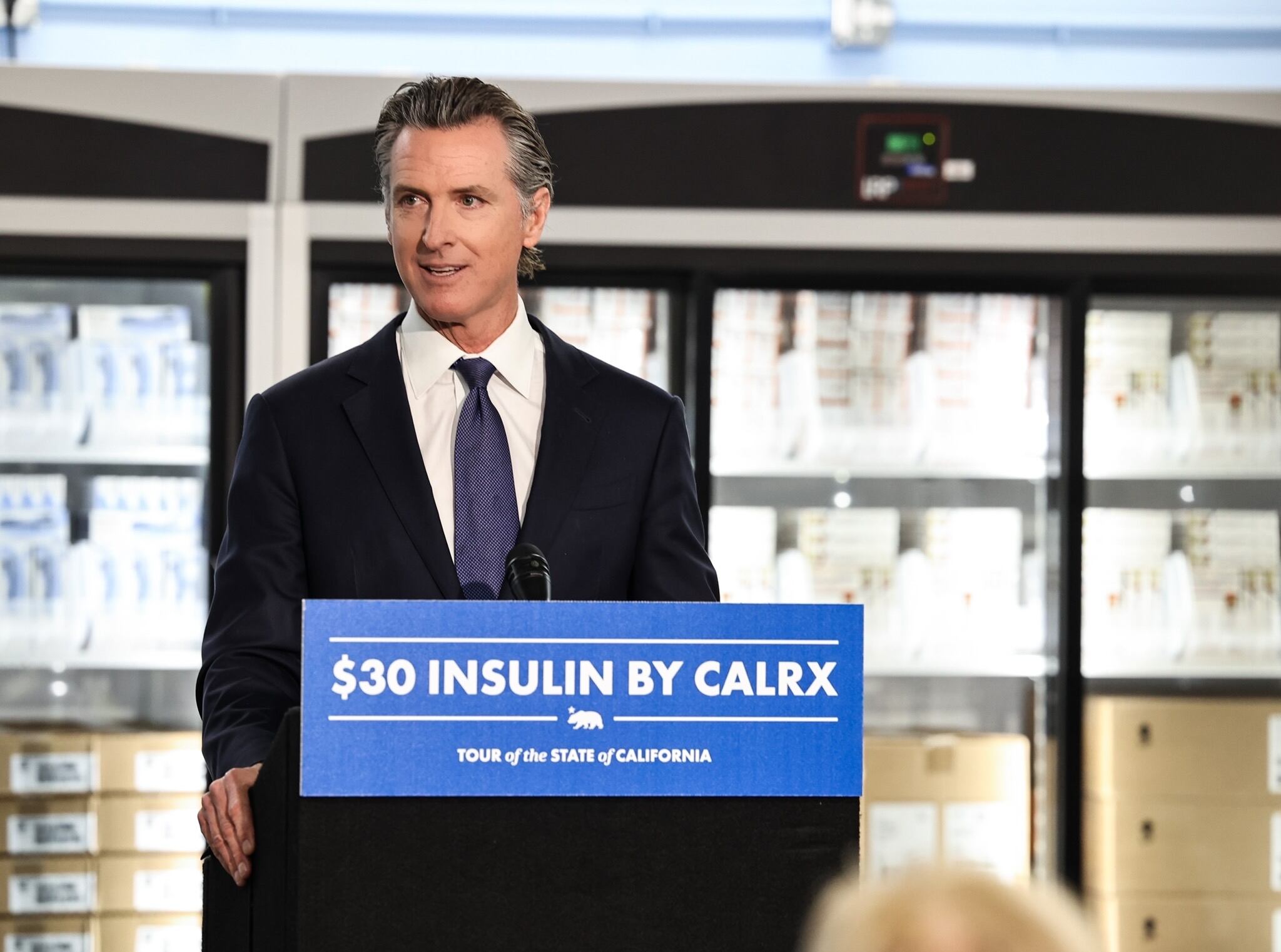
California Gov. Gavin Newsom over the weekend announced that the state has secured a contract with CIVCA to make $30 insulin available to all who need it. He also announced that the state will start manufacturing Naloxone, an emergency medication used to rapidly reverse the effects of an opioid overdose.
The global bottled water industry is booming, and it's coming at a steep environmental cost, according to the United Nations University Institute for Water, Environment and Health.