After eight daunting months of battling COVID-19, there may be some light at the end of the tunnel as two potential vaccine candidates recently announced promising test results.
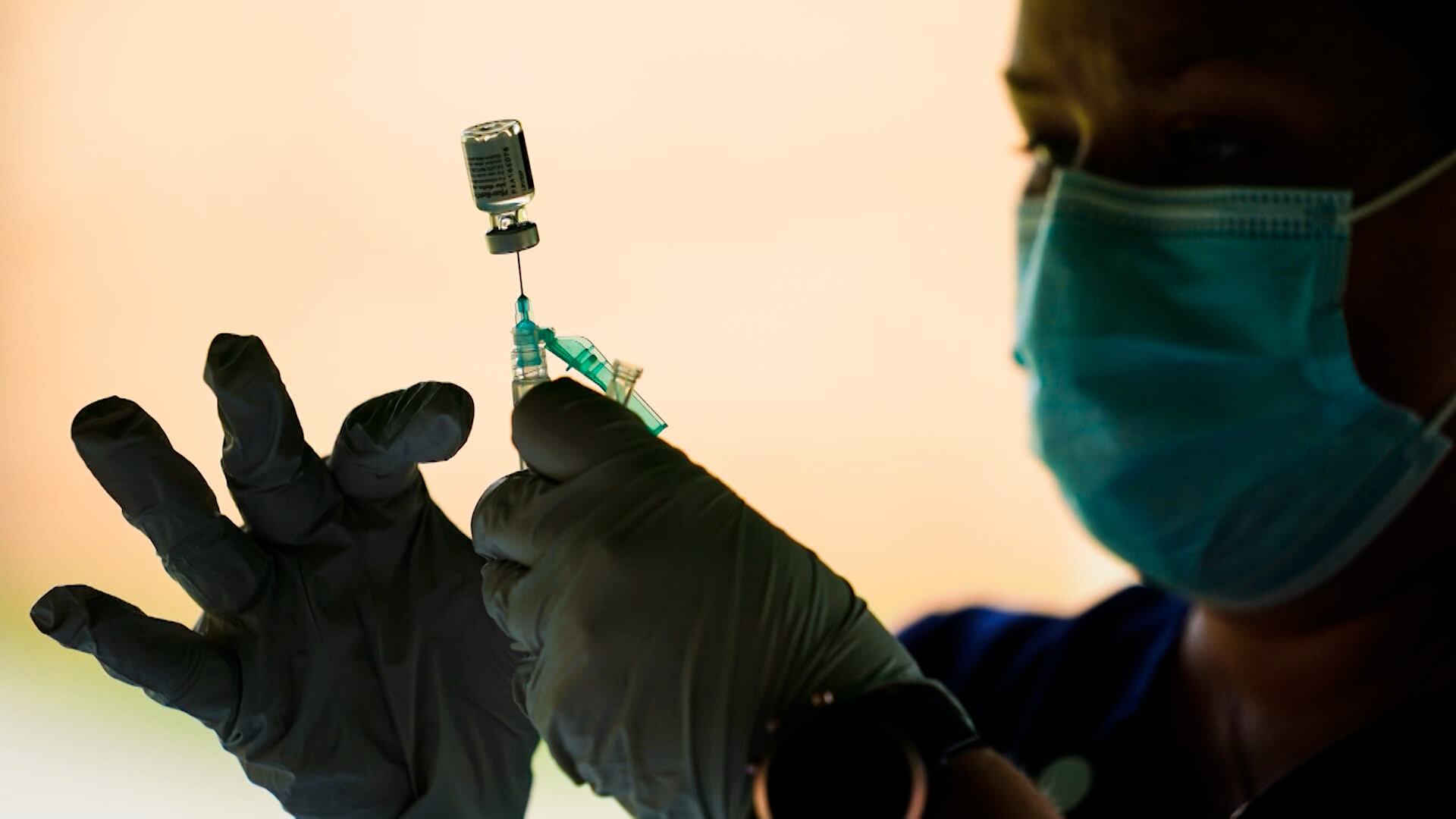
Vaccines from Pfizer and Moderna are similar in that they both use emerging technology called messenger ribonucleic acid (mRNA) to reach nearly 95 percent efficacy. Typically, scientists create vaccines by using live or inactivated virus cells, which puts the actual disease into a person’s body. However, with mRNA technology, Pfizer and Moderna were able to avoid that. MRNA carries coded instructions that tell cells what defenses are necessary by appearing as a threat.
Of Course, There's a Catch
The use of the molecule is groundbreaking for a number of reasons. One is the speed at which the vaccines were developed. The other is that the use of mRNA means the vaccines contain no infectious COVID-19 properties that could get patients sick.
However, there is a drawback to the vaccines: they have to be stored in brutally cold temperatures.
Under normal circumstances, vaccines can survive when stored at around 40 degrees Fahrenheit, but for Moderna, the vials must be stored at -4 degrees.
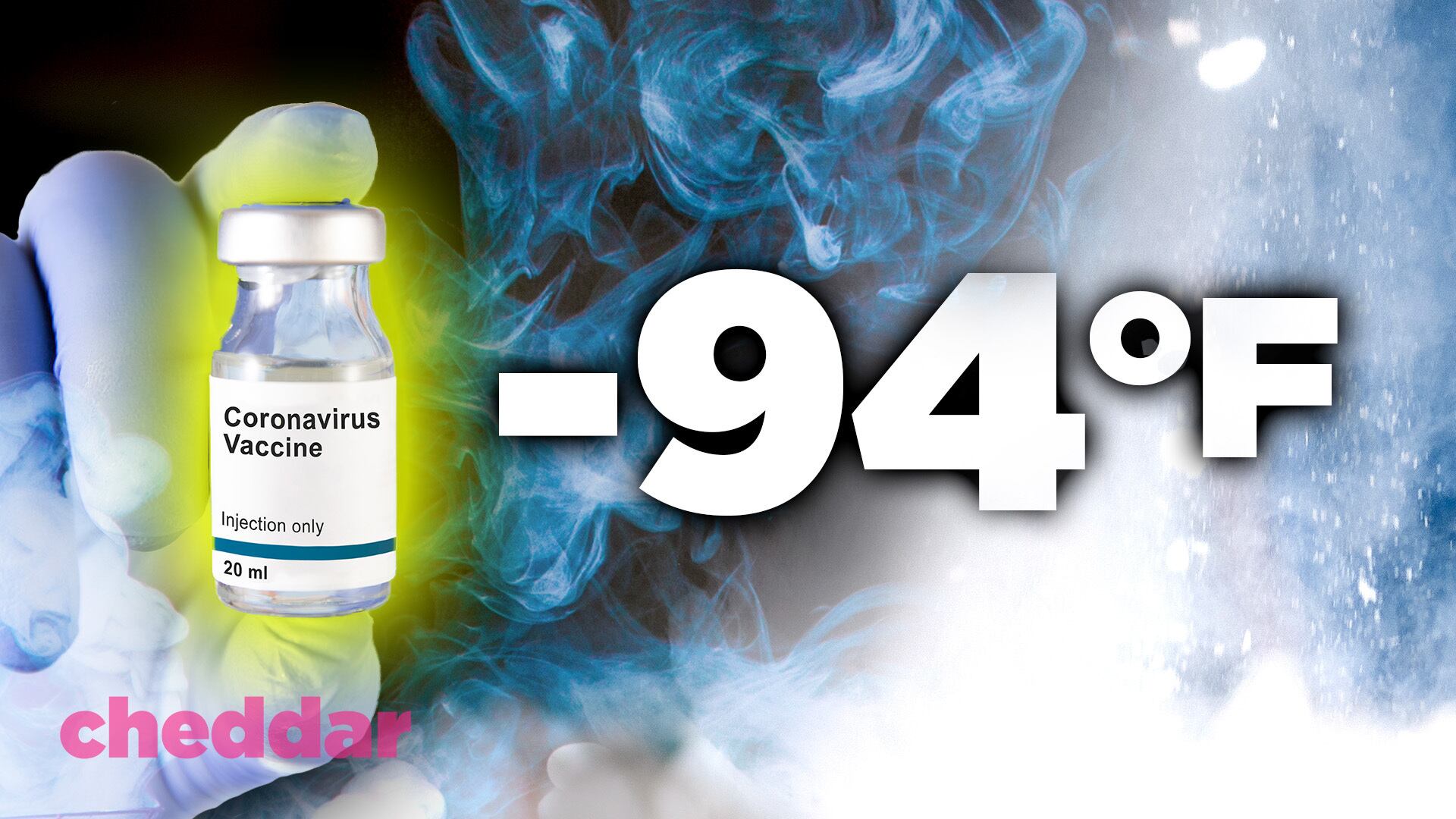
For Pfizer's vaccine, the threshold for keeping an effective dose is even steeper at a staggering -94 degrees. The icy temperatures are necessary to keep the mRNA molecule intact, otherwise it “begins to fall apart and twist around in ways so that it doesn’t become effective,” a representative for the pharmaceutical giant told Cheddar.
Vaccine Storage & Distribution Roadblock
With the need for cold storage comes the obstacle of how to pull off widespread distribution. Most hospitals in the U.S. do not house facilities that meet the requirements to store either the Moderna or Pfizer vaccines for extended periods. Both vaccines are able to survive in typical storing temperatures of 35 to 46 degrees, but their shelf lives are limited that way.
For Pfizer, the vaccine would no longer be effective after five days in normal storage temperatures. Moderna, meanwhile, shows more promise when it comes to effective distribution as it’s vaccines appear to remain effective for a month while stored 35 degrees.
Pfizer has come up with a plan to ship its vaccine in boxes filled with dry ice. The vials will remain protected for up to 15 days -- but the container can only be opened up to two times per day.
This could be a logistical nightmare for parts of the world that don't have sufficient equipment - or enough dry ice - to keep the vaccines. Even in rural America, many hospitals don't have freezers that can keep doses cold enough, particularly for the Pfizer vaccine.
Getting Vaccinated
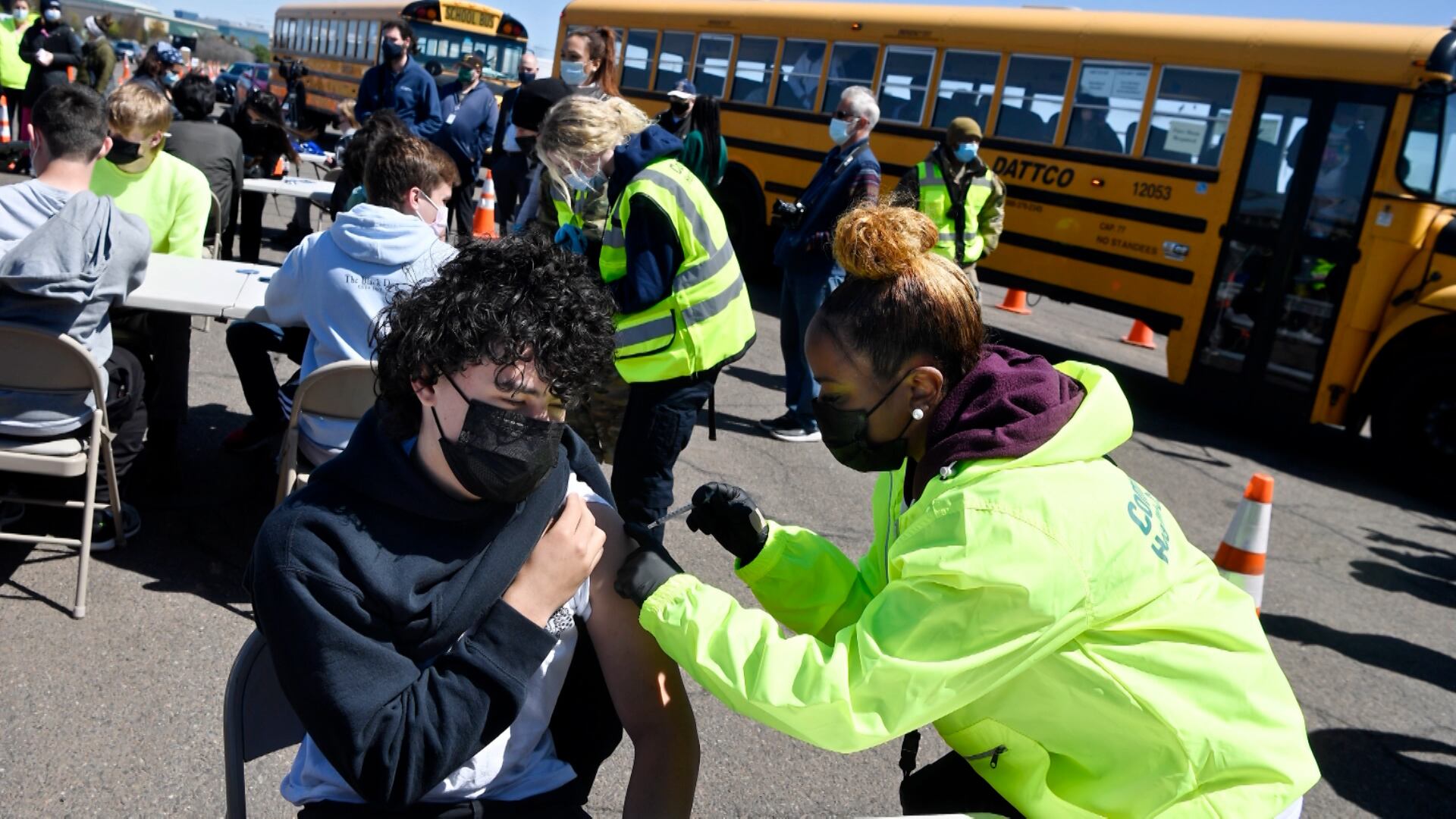
So what does this mean for you? Once the FDA approves emergency use authorization of either one or both of the vaccines, it looks like they will likely be distributed first among populations that need it the most: frontline healthcare workers, the elderly, and those suffering from underlying health conditions.
Like several existing vaccinations for other conditions, both Pfizer and Moderna require two rounds of treatment in order for the body to build up complete immunity. For those receiving the Pfizer vaccine, patients will need to return for a second dose after three weeks and for those getting the Moderna vaccine, they'll have to go back for round two after four weeks.
Video produced by Ali Larkin. Article written by Lawrence Banton.
A subvariant of the omicron COVID-19 variant called BA.2 is causing an outbreak overseas. Now, some health experts worry it could also lead to an increase in COVID-19 cases in the U.S. Dr. Amesh Adalja, infectious disease specialist and senior scholar at Johns Hopkins Center for Health Security, joins Cheddar News to discuss.
Dr. Alan Kaplin, Chief Scientific Officer of MyMD, joins Cheddar Innovates to discuss how the MYMD-1 is on track to be the first FDA-approved drug to treat aging and age-related diseases.
Tyler Hayes, CEO of Atom Limbs, joins Cheddar Innovates to discuss how the Atom Touch prosthetic is different from other prosthetics on the market, and how the Atom Limbs team of former Apple and Tesla leaders are bringing innovation into this industry.
Nouveau Monde Graphite says it wants to power the sustainable energy revolution. The Canadian company is developing carbon-neutral battery materials to serve the growing EV and cleantech markets and is doing so via a mining and manufacturing operation in Quebec. Eric Desaulniers, founder, president & CEO of Nouveau Monde Graphite, joins Cheddar News' Closing Bell to discuss.
Health experts are warning an even more contagious subvariant of Omicron, known as BA.2, could soon lead to another surge in Covid cases here in the U.S. The variant has already driven cases to skyrocket in China and Europe, which has historically served as a preview to the pattern the U.S. has seen throughout the pandemic. This comes at a time when protection from booster shots is waning for most people who got them. Dr. Jen Caudle, Family Physician & Associate Professor at Rowan University, explains what we can do to protect ourselves against the new variant and how we should act as warnings of another surge rise.
Catching you up on what you need to know Mar 24, 2022, with NATO meeting updates, Ukraine retaking suburbs around Kyiv, the spread of omicron subvariant BA.2 in China, Google Pay launching a third-party billing option, and a 16-year-old is suspected of being the Lapsus$ mastermind behind hacks of Microsoft and others.
Cannabis producer Cresco Labs is acquiring rival Columbia Care in a $2 billion all-stock deal, creating the largest U.S. cannabis company by sales. The deal, which is expected to close in the fourth quarter of 2022, is one of the biggest in the industry's history and would make Cresco the dominant player in a market projected to reach $46 billion in revenue by 2026. Charlie Bachtell, CEO of Cresco Labs, joins Cheddar News' Closing Bell to discuss.
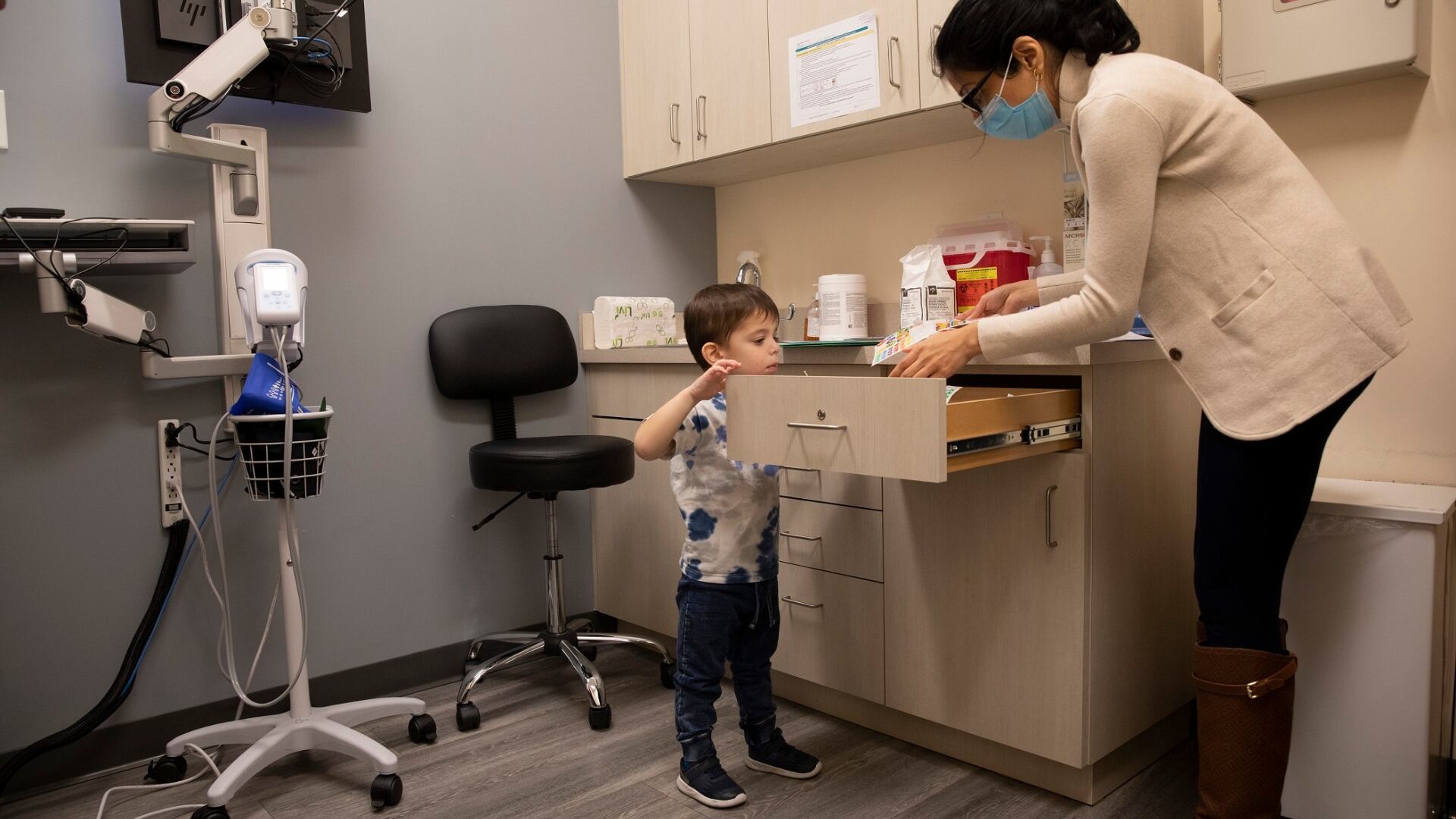
Moderna announced it's seeking emergency use approval for its COVID-19 vaccine from the FDA for children under 6 years old. A former FDA associate commissioner and the president and co-founder of the Center for Medicine in the Public Interest (CMPI) Peter Pitts joined Cheddar News to talk about the timeline, benefits, and risks that come with the approval of the vaccine. "We want to protect their parents and their grandparents and their caregivers and their daycare providers, so it's all about protecting not just the kids but all around the people that are surrounding those kids," he said.
Moderna says its COVID-19 vaccine works in babies, toddlers and preschoolers. The company announced early findings Wednesday from a study of children younger than 6.
Catching you up on what you Need to Know on Mar 23, 2022, as NATO meets in Brussels to discuss Ukraine, mortgage rates rise, Justin Trudeau is set to lead Canada until 2025, tornadoes sweep through Louisiana, California may do away with SATs, and a Starbucks in Seattle unionizes.