After eight daunting months of battling COVID-19, there may be some light at the end of the tunnel as two potential vaccine candidates recently announced promising test results.
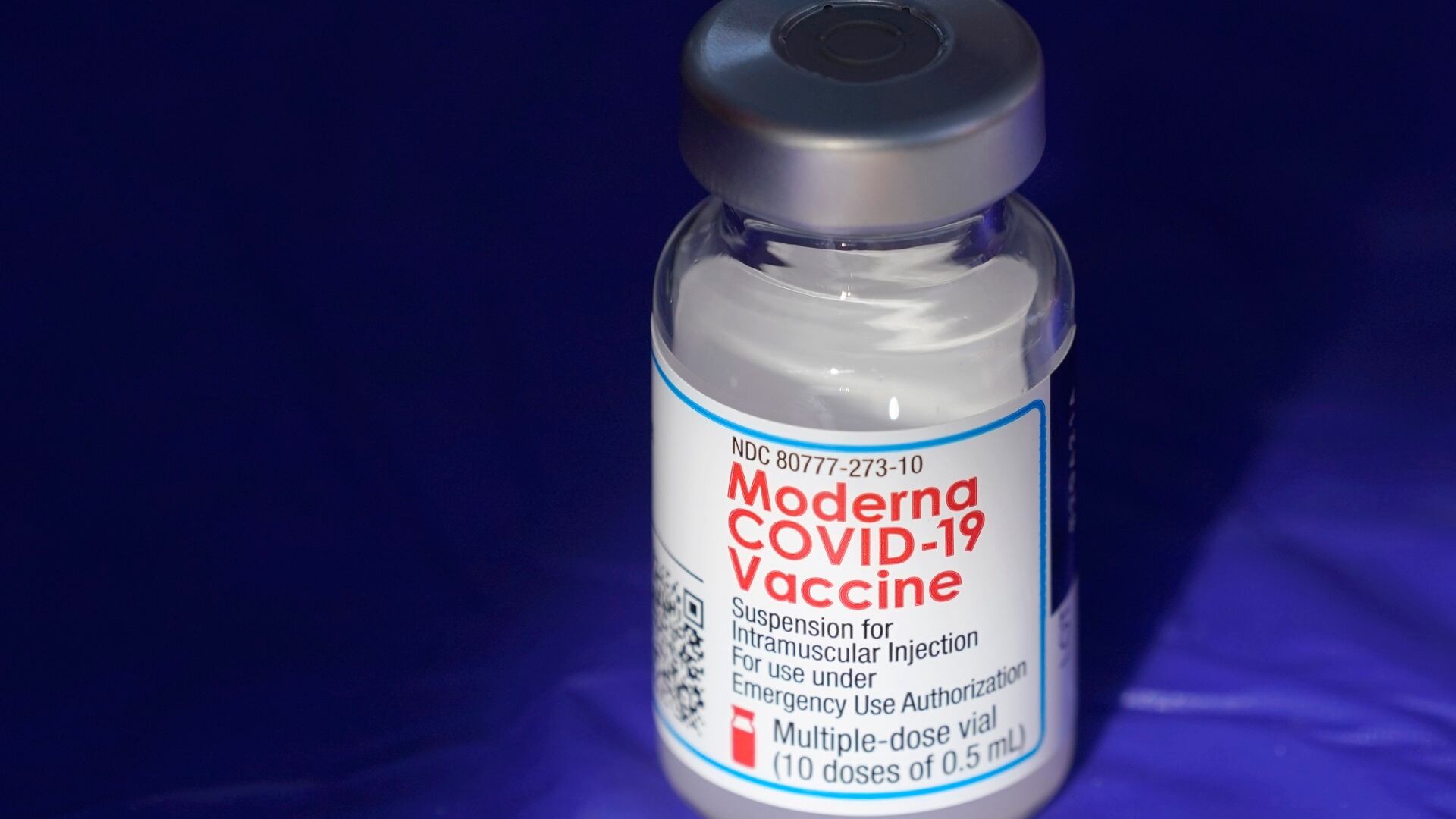
Vaccines from Pfizer and Moderna are similar in that they both use emerging technology called messenger ribonucleic acid (mRNA) to reach nearly 95 percent efficacy. Typically, scientists create vaccines by using live or inactivated virus cells, which puts the actual disease into a person’s body. However, with mRNA technology, Pfizer and Moderna were able to avoid that. MRNA carries coded instructions that tell cells what defenses are necessary by appearing as a threat.
Of Course, There's a Catch
The use of the molecule is groundbreaking for a number of reasons. One is the speed at which the vaccines were developed. The other is that the use of mRNA means the vaccines contain no infectious COVID-19 properties that could get patients sick.
However, there is a drawback to the vaccines: they have to be stored in brutally cold temperatures.
Under normal circumstances, vaccines can survive when stored at around 40 degrees Fahrenheit, but for Moderna, the vials must be stored at -4 degrees.
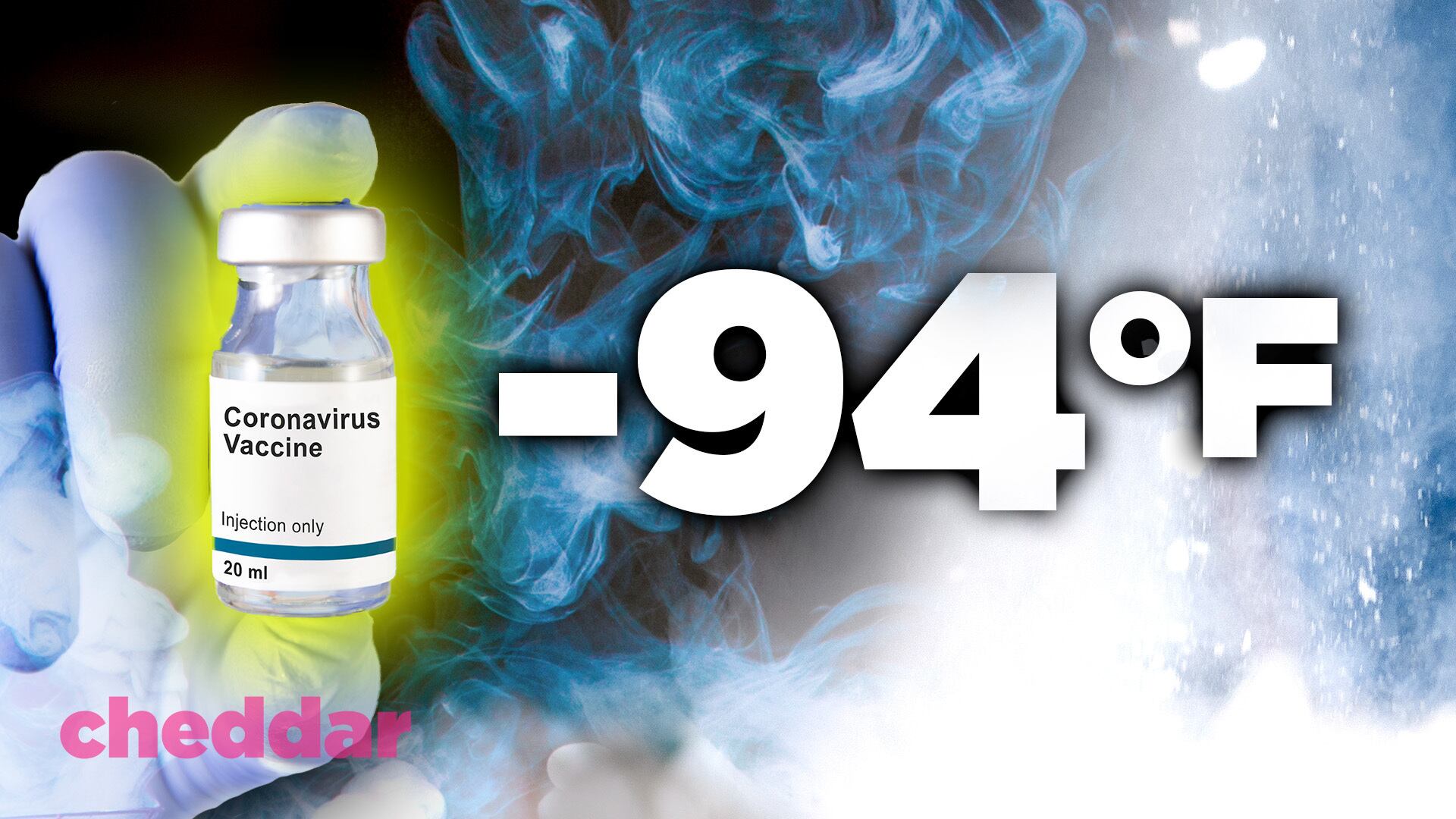
For Pfizer's vaccine, the threshold for keeping an effective dose is even steeper at a staggering -94 degrees. The icy temperatures are necessary to keep the mRNA molecule intact, otherwise it “begins to fall apart and twist around in ways so that it doesn’t become effective,” a representative for the pharmaceutical giant told Cheddar.
Vaccine Storage & Distribution Roadblock
With the need for cold storage comes the obstacle of how to pull off widespread distribution. Most hospitals in the U.S. do not house facilities that meet the requirements to store either the Moderna or Pfizer vaccines for extended periods. Both vaccines are able to survive in typical storing temperatures of 35 to 46 degrees, but their shelf lives are limited that way.
For Pfizer, the vaccine would no longer be effective after five days in normal storage temperatures. Moderna, meanwhile, shows more promise when it comes to effective distribution as it’s vaccines appear to remain effective for a month while stored 35 degrees.
Pfizer has come up with a plan to ship its vaccine in boxes filled with dry ice. The vials will remain protected for up to 15 days -- but the container can only be opened up to two times per day.
This could be a logistical nightmare for parts of the world that don't have sufficient equipment - or enough dry ice - to keep the vaccines. Even in rural America, many hospitals don't have freezers that can keep doses cold enough, particularly for the Pfizer vaccine.
Getting Vaccinated
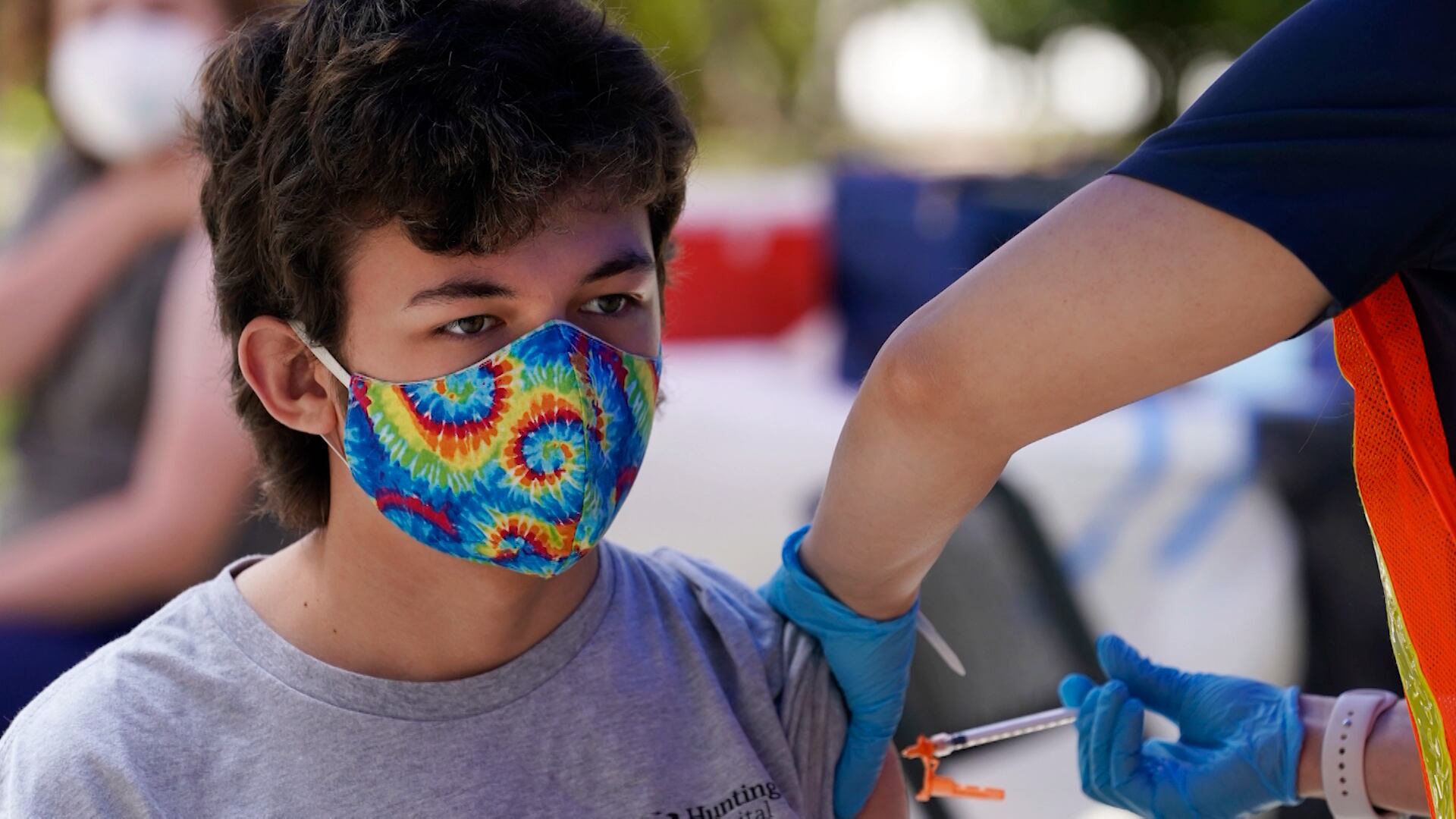
So what does this mean for you? Once the FDA approves emergency use authorization of either one or both of the vaccines, it looks like they will likely be distributed first among populations that need it the most: frontline healthcare workers, the elderly, and those suffering from underlying health conditions.
Like several existing vaccinations for other conditions, both Pfizer and Moderna require two rounds of treatment in order for the body to build up complete immunity. For those receiving the Pfizer vaccine, patients will need to return for a second dose after three weeks and for those getting the Moderna vaccine, they'll have to go back for round two after four weeks.
Video produced by Ali Larkin. Article written by Lawrence Banton.
Alysa McCall, director of conservation outreach and staff scientist at Polar Bears International, joined Cheddar to discuss the ongoing fight to protect polar bears from extinction while world leaders gathered to discuss the climate crisis. McCall explained her organization's mission "to ensure the long term survival of polar bears by helping ensure their arctic sea ice habitat remains intact." McCall said she hopes actionable steps are taken after the UN climate summit to mitigate the crisis and not just more promises.
Moderna reported a massive miss on revenue in its Q3 earnings, taking in $5 billion versus the expected $6.21 billion despite sales of the COVID-19 vaccine. The pharmaceutical giant's stock dropped sharply on the news.
Carlo and Baker discuss the fallout from Tuesday's election and the flashing warning sign for Dems ahead of the midterms. Also, a big 2A case at the Supreme Court, Aaron Rodgers has Covid and is in big trouble, and a first for the MCU.
Carlo and Baker discuss the election results across the country, including a Republican comeback in Virginia -- and possibly NJ -- plus the CDC gives the go-ahead for child vaccinations, Atlanta wins the World Series and more.
Dr. Julie Morita, executive vice president of Robert Wood Johnson Foundation, joined Cheddar to discuss the CDC advisory panel recommending the Pfizer vaccine for children ages 5-11. "We've seen many millions of children getting sick, many hospitalized, many dying because of COVID," Morita said. "And so now we have a new tool that we can use to keep our children safe." She also noted that hesitancy among parents about vaccinating their children will likely fade in time as the childhood vaccine program gets underway.
Matthew Oxenford, Analyst at the Economist Intelligence Unit, joins a special edition of Cheddar Climate, where he discusses the responsibilities big businesses across multiple sectors have when it comes to combating the effects of climate change around the world.
President Joe Biden introduced the Global Methane Pledge on the second day of the United Nations climate summit. The U.S. and the European Union will lead the way when it comes to methane emissions reductions, and close to 100 nations have also signed on. It's seen as the fastest way to slow down global warming and keep nations on track toward meeting the goal of keeping warming just 1.5 degrees Celsius above late 1800s atmospheric levels. Dr. Sweta Chakraborty, U.S. President of climate-focused startup 'We Don't Have Time' joins Cheddar Climate to discuss the importance of the Biden administration's methane regulations -- and the importance of U.S. leadership when it comes to climate issues.
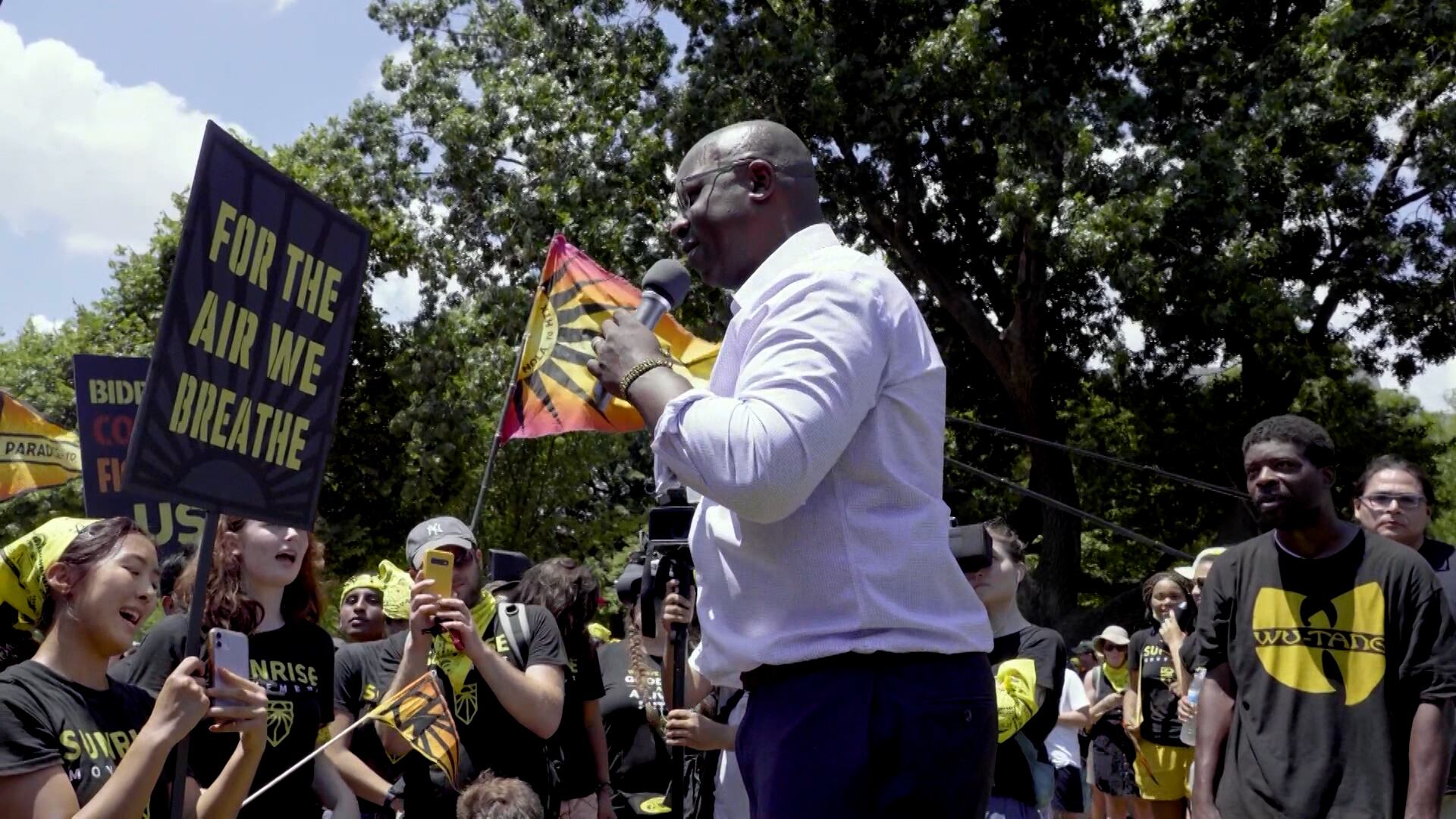
John Paul Mejia, the national spokesperson for the Sunrise Movement, joined Cheddar to talk about what the youth activist group wants to see from President Joe Biden as he attends the COP26 climate summit. Mejia admonished the president for having little to deliver on his own climate agenda domestically while at the conference. "We need the president to follow through with his promises because, frankly, it's a matter of life or death not only for communities here in the United States but also those looking to us around the world," he said.
With COP26 kicking off, roughly 120 world leaders and delegates are in Glasgow, Scotland to hold climate talks this week. As experts continue to warn about the dangers of climate change, ESG investing is more important than ever.
Georges Archibald, Head of Apex Americas at Apex Group joined Cheddar's Opening Bell to discuss.
Roughly 20,000 heads of state, diplomats, and activists will gather in person starting Oct. 31 to address the threat of climate change. The summit, known as COP26, is seen as a crucial step in getting the crisis under control as scientists warn global warming is only getting worse. Carroll Muffett, President and CEO of the Center for International Environmental Law, joined Cheddar to explain the goals of COP26 and why it's so crucial for the world leaders to step up and make new, aggressive climate commitments.