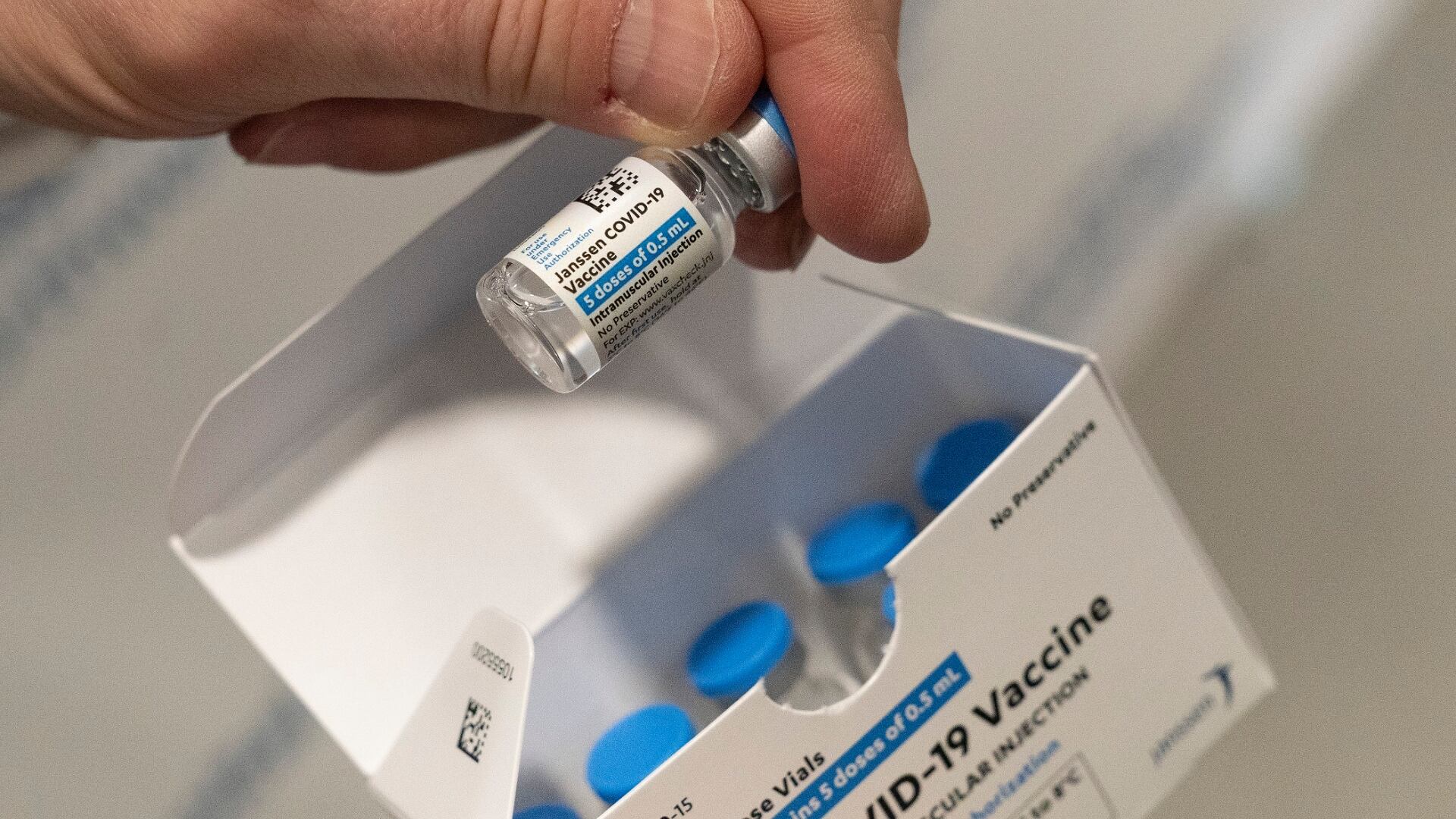
After eight daunting months of battling COVID-19, there may be some light at the end of the tunnel as two potential vaccine candidates recently announced promising test results.
Vaccines from Pfizer and Moderna are similar in that they both use emerging technology called messenger ribonucleic acid (mRNA) to reach nearly 95 percent efficacy. Typically, scientists create vaccines by using live or inactivated virus cells, which puts the actual disease into a person’s body. However, with mRNA technology, Pfizer and Moderna were able to avoid that. MRNA carries coded instructions that tell cells what defenses are necessary by appearing as a threat.
Of Course, There's a Catch
The use of the molecule is groundbreaking for a number of reasons. One is the speed at which the vaccines were developed. The other is that the use of mRNA means the vaccines contain no infectious COVID-19 properties that could get patients sick.
However, there is a drawback to the vaccines: they have to be stored in brutally cold temperatures.
Under normal circumstances, vaccines can survive when stored at around 40 degrees Fahrenheit, but for Moderna, the vials must be stored at -4 degrees.
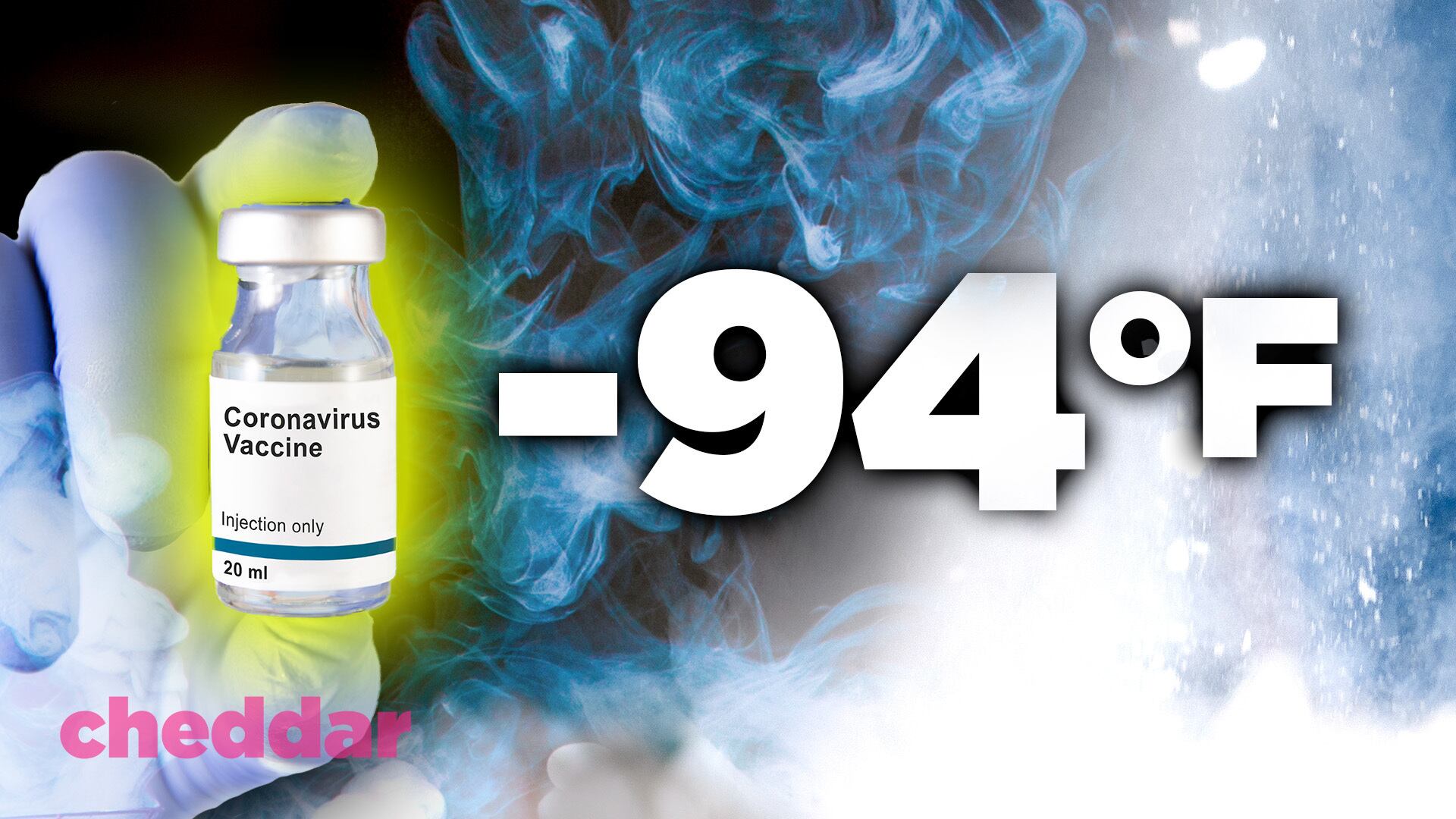
For Pfizer's vaccine, the threshold for keeping an effective dose is even steeper at a staggering -94 degrees. The icy temperatures are necessary to keep the mRNA molecule intact, otherwise it “begins to fall apart and twist around in ways so that it doesn’t become effective,” a representative for the pharmaceutical giant told Cheddar.
Vaccine Storage & Distribution Roadblock
With the need for cold storage comes the obstacle of how to pull off widespread distribution. Most hospitals in the U.S. do not house facilities that meet the requirements to store either the Moderna or Pfizer vaccines for extended periods. Both vaccines are able to survive in typical storing temperatures of 35 to 46 degrees, but their shelf lives are limited that way.
For Pfizer, the vaccine would no longer be effective after five days in normal storage temperatures. Moderna, meanwhile, shows more promise when it comes to effective distribution as it’s vaccines appear to remain effective for a month while stored 35 degrees.
Pfizer has come up with a plan to ship its vaccine in boxes filled with dry ice. The vials will remain protected for up to 15 days -- but the container can only be opened up to two times per day.
This could be a logistical nightmare for parts of the world that don't have sufficient equipment - or enough dry ice - to keep the vaccines. Even in rural America, many hospitals don't have freezers that can keep doses cold enough, particularly for the Pfizer vaccine.
Getting Vaccinated
So what does this mean for you? Once the FDA approves emergency use authorization of either one or both of the vaccines, it looks like they will likely be distributed first among populations that need it the most: frontline healthcare workers, the elderly, and those suffering from underlying health conditions.
Like several existing vaccinations for other conditions, both Pfizer and Moderna require two rounds of treatment in order for the body to build up complete immunity. For those receiving the Pfizer vaccine, patients will need to return for a second dose after three weeks and for those getting the Moderna vaccine, they'll have to go back for round two after four weeks.
Video produced by Ali Larkin. Article written by Lawrence Banton.
2021 has been a year filled with extreme weather conditions. Hundreds of thousands of people recently saw the effects of massive tornados that swept across six states. Now, experts say climate change could have played a major role. Jennifer Marlon, research scientist and lecturer at the Yale School of the Environment, joins Cheddar News to discuss.
Anthony Tall, sports agent and president of Miracle Sports Agency, joins Cheddar News to talk about the challenges professional sports leagues are facing amid a surge in coronavirus cases across the U.S.
Extreme weather hit all of us in 2021. Deadly heat hit parts of the U.S. that normally don't even need air conditioning. More than 52,000 wildfires broke out, a terrifying example of what can happen when extreme heat mixes with drought. Hurricane Ida was so powerful it actually briefly reversed the flow of the Mississippi River. Cheddar News did a deep dive into this year's unbelievable weather and how climate change may have impacted it.
With the New Year just around the corner, many people will be making new health and fitness goals. However, after the initial January push, it's easy to drop your resolutions and go back to your old habits. Joan Ifland, CEO of Food Addiction Reset, discusses her best tips for following through with New Year's Resolutions.
Carlo and Baker preview President Biden's address to the nation as Omicron becomes the new dominant Covid strain. Plus, Trump gets booed for getting his booster and the White House gets a new puppy.
Alinda Mashiku, Conjunction Analysis and Risk Assessment Deputy Manager at the NASA Goddard Space Flight Center, joins Future of Space: Humankind's Leap Forward to explain how space debris is threatening operations in space at a time when more satellites are being deployed.
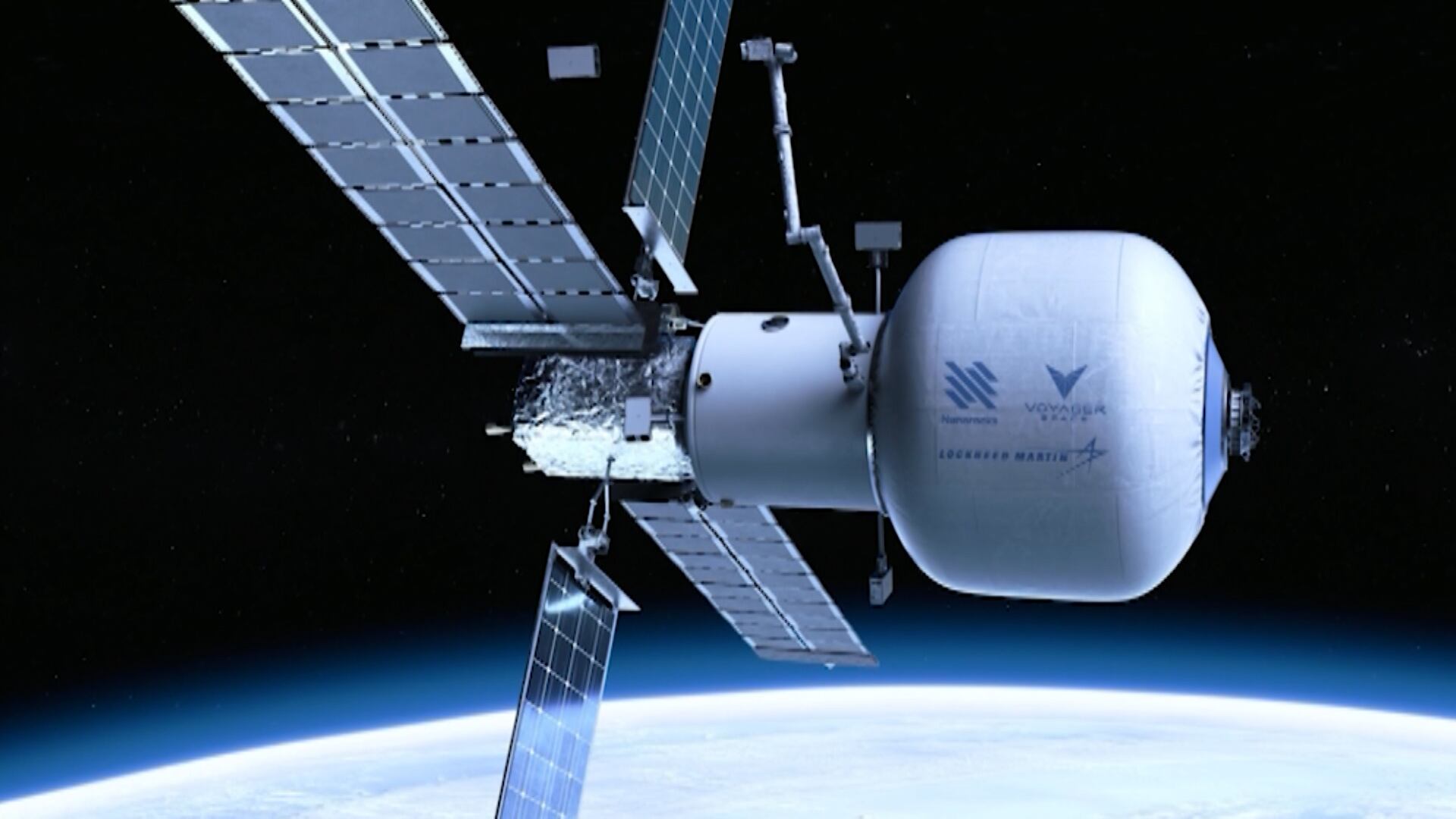
Marshall Smith, Senior Vice President of Space Systems at Nanoracks and Kirk Shireman, Vice President of the Lunar Exploration Campaign at Lockheed Martin join Future of Space: Humankind's Leap Forward to discuss upcoming plans for developing their Starlab commercial space station after being awarded a $160 million contract by NASA.
The CDC recently endorsed the advisory committee's recommendation that people should receive the Pfizer or Moderna COVID vaccines over the Johnson & Johnson shot, leaving some questions and concerns for the public. Epidemiologist Dr. Eric Feigl-Ding, spoke to Cheddar about the shift in the agency's stance, and what it might mean. "If you already have it, any side effects are already long past," he said. "Going forward is what they're saying. That getting a booster you should get the Moderna or the Pfizer booster, and I don't think they're encouraging anyone to get de novo Johnson & Johnson as their first shot anymore."
The billionaire space race took off in 2021, making major strides in space tourism. That growth is only expected to skyrocket in the next year, as the government and private institutions and companies look to shape the final frontier's exploration. Cheddar News dives into the biggest moments of the year in space, and what comes next for space travel and tourism.
Chloe and Halle Bailey are no strangers to hard work. The sisters got their start performing covers on YouTube and have become a force in the music industry. Since then, the two have spread their wings beyond their duo group to individual projects. Now they're coming together to face off in the LG OLED Ultimate Gaming Showdown. Chloe and Halle join Cheddar News to discuss.