Why Are Markets Falling Again? Let Me Count The Ways
The market is seeing red again.
On the first trading day of the second quarter, the Dow slipped by more than 400 points, and the tech-heavy Nasdaq ended the day nearly three percent lower.
“We saw overnight China announced a tariff of up to 25 percent on about...130 U.S. products,” explained Matthew Battipaglia, Portfolio Manager at Washington Crossing Advisors.
China’s new tariffs hit a myriad of American goods, including fruits and pork, imports of which amount to around $3 billion.
The announcement comes merely weeks after President Trump slapped taxes on aluminum and steel imports from China and announced plans to tax $50 billion more worth of Chinese goods.
These trade war warning shots from two of the world’s largest economies worried investors Monday. They also added pressure to a market that was already heading downwards on negative news from the tech world.
Reports of Apple potentially ditching Intel and using its own chips for Mac computers drove Intel’s shares down by as much as nine percent. [Tesla, Facebook, and Amazon](https://cheddar.com/videos/facebooks-data-policies-are-like-cigarette-labels) also resumed their downward spirals to start the quarter.
Retailers face tariffs and cost challenges this holiday season. Wells Fargo's Lauren Murphy shares insights on pricing, promotions, and shopping trends.
Dateability, founded by sisters Jacqueline and Alexa Child, is the only dating app for disabled and chronically ill communities, fostering love without limits.
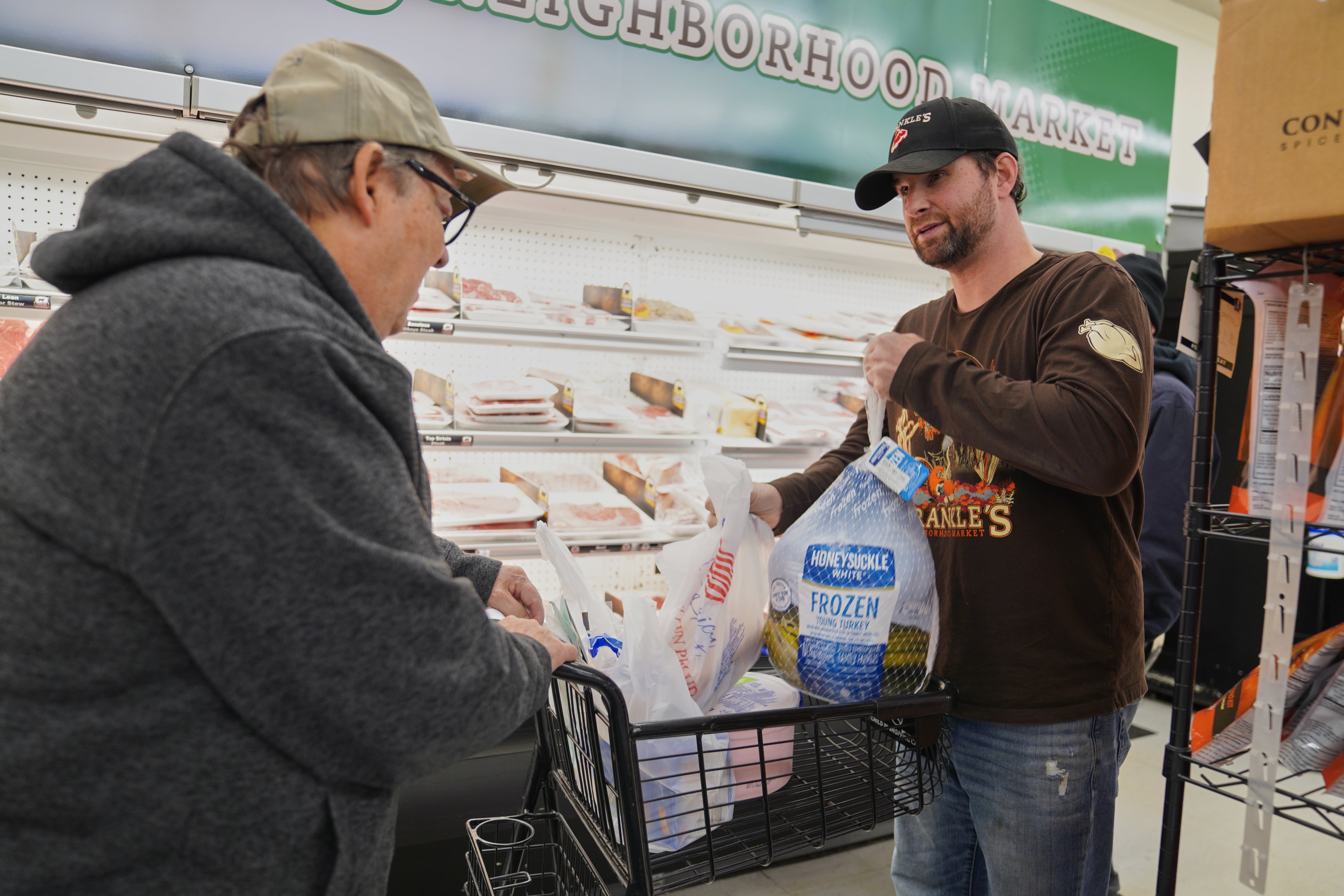
Some small grocery stores and neighborhood convenience stores are eager for the U.S. government shutdown to end and for their customers to start receiving federal food aid again. Late last month, the Trump administration froze funding for the SNAP benefits that about 42 million Americans use to buy groceries. The U.S. Department of Agriculture says about 74% of the assistance was spent last year at superstores like Walmart and supermarkets like Kroger. Around 14% went to smaller stores that are more accessible to SNAP beneficiaries. A former director of the United Nations World Food Program says SNAP is not only a social safety net for families but a local economic engine that supports neighborhood businesses.
Andy Baehr, Head of Product at CoinDesk Indices, breaks down crypto’s Black Friday crash, Bitcoin dipping under $100K, and what’s driving the market rout.
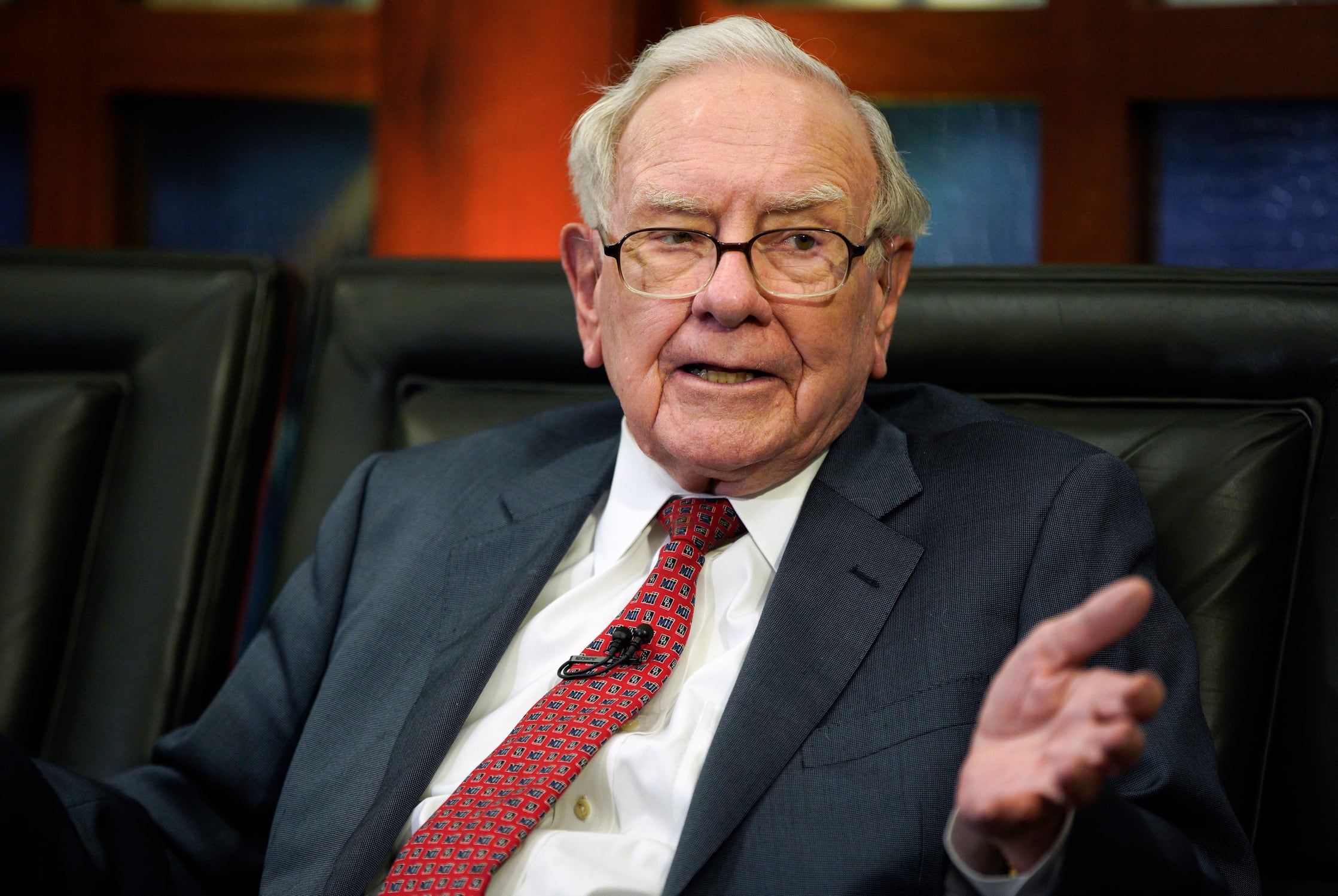
Billionaire Warren Buffett warned shareholders Monday that many companies will fare better than his Berkshire Hathaway in the decades ahead as Father Time catches up
Chris Marquette of POLITICO breaks down how the FAA is cutting flights and facing a critical shortage of air‑traffic controllers amid the government shutdown.