By Michael Phillis
There are 9.2 million lead pipes in the U.S. They contaminate drinking water with lead, which damages brain development in children.
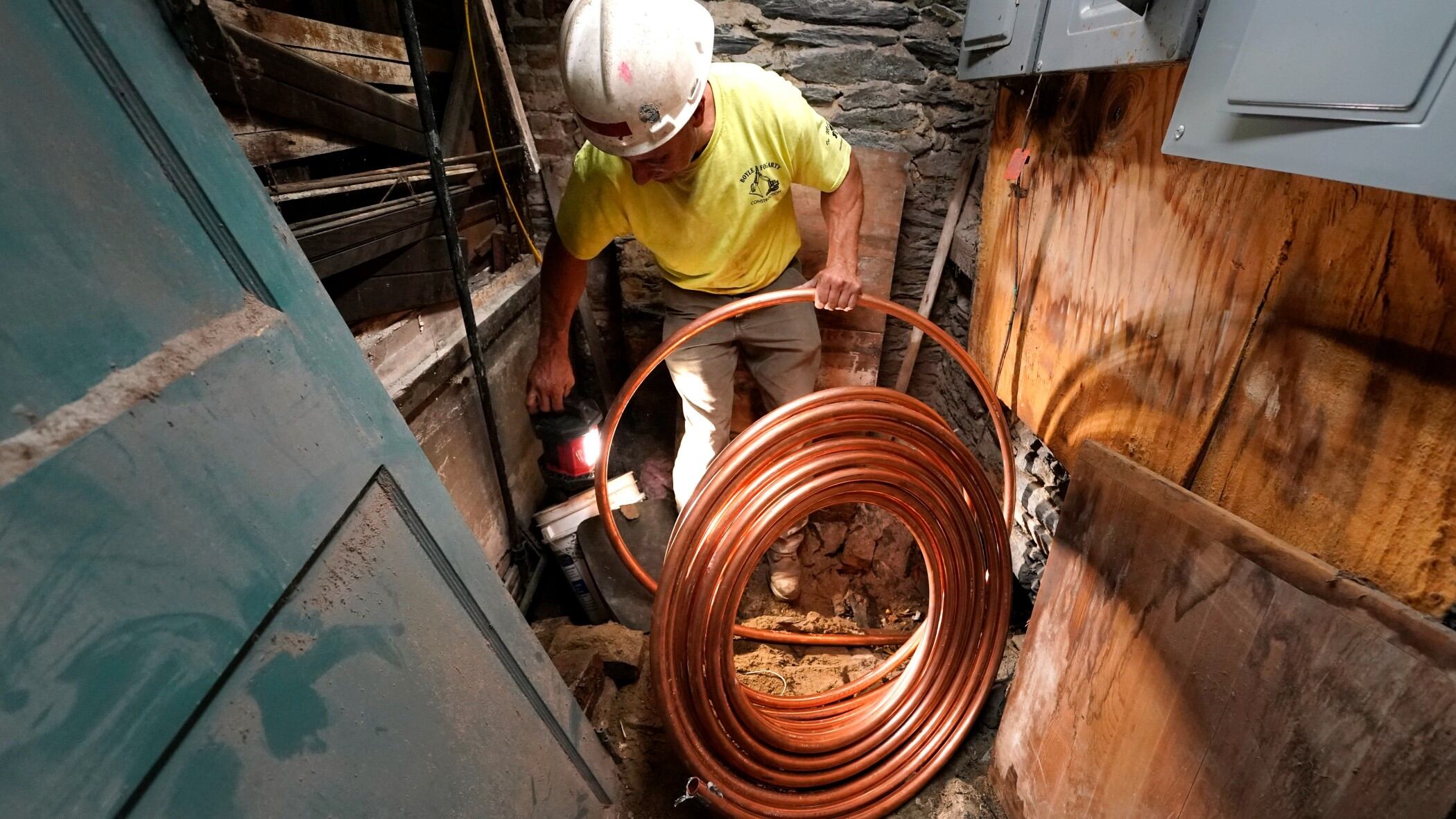
But around the country, utilities have been ignoring the opportunity to remove lead pipe when they uncover it during work on water mains. They've often removed a short pipe section, reburied the connection and left the rest. Research shows this method can actually spike, rather than reduce, lead levels.
The sections of pipe that remain can contaminate tap water until they’re removed. The practice is also more expensive in the long run, since crews presumably will have to return someday.
Here are some takeaways from The Associated Press investigation:
LEAD IS HARMFUL
Lead is a health threat and the practice of leaving sections of the old pipe behind should have stopped a long time ago, according to Yanna Lambrinidou, a medical anthropologist at Virginia Tech and co-founder of the Campaign for Lead Free Water. Lead is especially dangerous to young children. It can lower IQ and deprive kids of cognitive skills. The Environmental Protection Agency says no amount is safe for kids. She said utilities have tried to dodge responsibility to reduce costs.
“I can’t but think of partial replacements as immoral because they involve a witting decision by government agencies to leave residents at continued risk of exposure,” said Lambrinidou.
Yet the practice has played out hundreds of thousands of times, in cities including Providence and Chicago. It continues today in Oklahoma City, Allentown, Pennsylvania, Nashville and Memphis, Tennessee, and St. Louis.
PROVIDENCE HAS STRUGGLED
In 2005, Providence Water changed the chemicals it adds to drinking water to lower levels of lead. Instead it caused them to jump — above EPA limits.
That triggered an EPA requirement for Providence to remove some of its pipe, but the language of the regulation does not require entire lengths to be dug up.
There, as in many cities, homeowners and the utility each own part of the water line. Providence generally removed only the part it said it was responsible for.
By 2011, however, EPA scientists were weighing in, saying this method doesn’t actually lower levels of lead in water.
Providence was still in the middle of a lead crisis with its water. Yet despite the fact that its practice didn't work and could even make things worse, the city continued the approach when it worked on mains, only taking out entire lengths of lead pipe if the homeowner paid for it.
Activists said Providence Water thus created a two-tiered system: one for people who could afford safe water and one for those who couldn’t.
UTILITIES SAY IT’S COMPLICATED
Removing lead pipes isn’t just the responsibility of the utility, but also individuals and government, said Steve Via, director of government relations at the American Water Works Association, a group that represents utilities. He said divided ownership of lead pipes, is “still a barrier to full lead service line replacement today.” In many communities, local rules forbid spending money to upgrade private property, blocking the work, Via said.
Providence Water General Manager Ricky Caruolo said lead pipe replacement couldn’t be done without raising rates and he didn’t think it was his decision to force ratepayers to bear the cost of replacing lead pipes that are, in the end, privately owned. Most people don’t have a lead pipe, he said, so they wouldn’t benefit. That decision “needs to be made at the state or even federal level.” Caruolo also said some homes have lead fittings that will remain a risk even once the lead pipe is gone.
He said officials have addressed lead head-on, improving water treatment, educating the public about lead and providing no-interest loans for removal.
2021 held some good news for Providence. The city’s results improved and are now within federal limits, much safer for young children today.
CHICAGO SHOWS WHY SO MUCH REMAINS
As weak as the order was in Providence, the EPA rarely goes even that far.
Take the case of Chicago. About 7% of homes sampled last year exceeded federal limits. But that’s not enough to force officials there to remove the problem.
State and local officials say they had limited funds and used them elsewhere. They also say local rules made removal work more difficult and expensive.
So, three decades after the federal government imposed lead limits for drinking water, the vast majority of lead pipes are still in the ground not only in Chicago, but across the country. The Biden administration has said it wants them all removed.
Camille Fassett contributed reporting from Seattle. Charles Krupa contributed reporting from Providence.