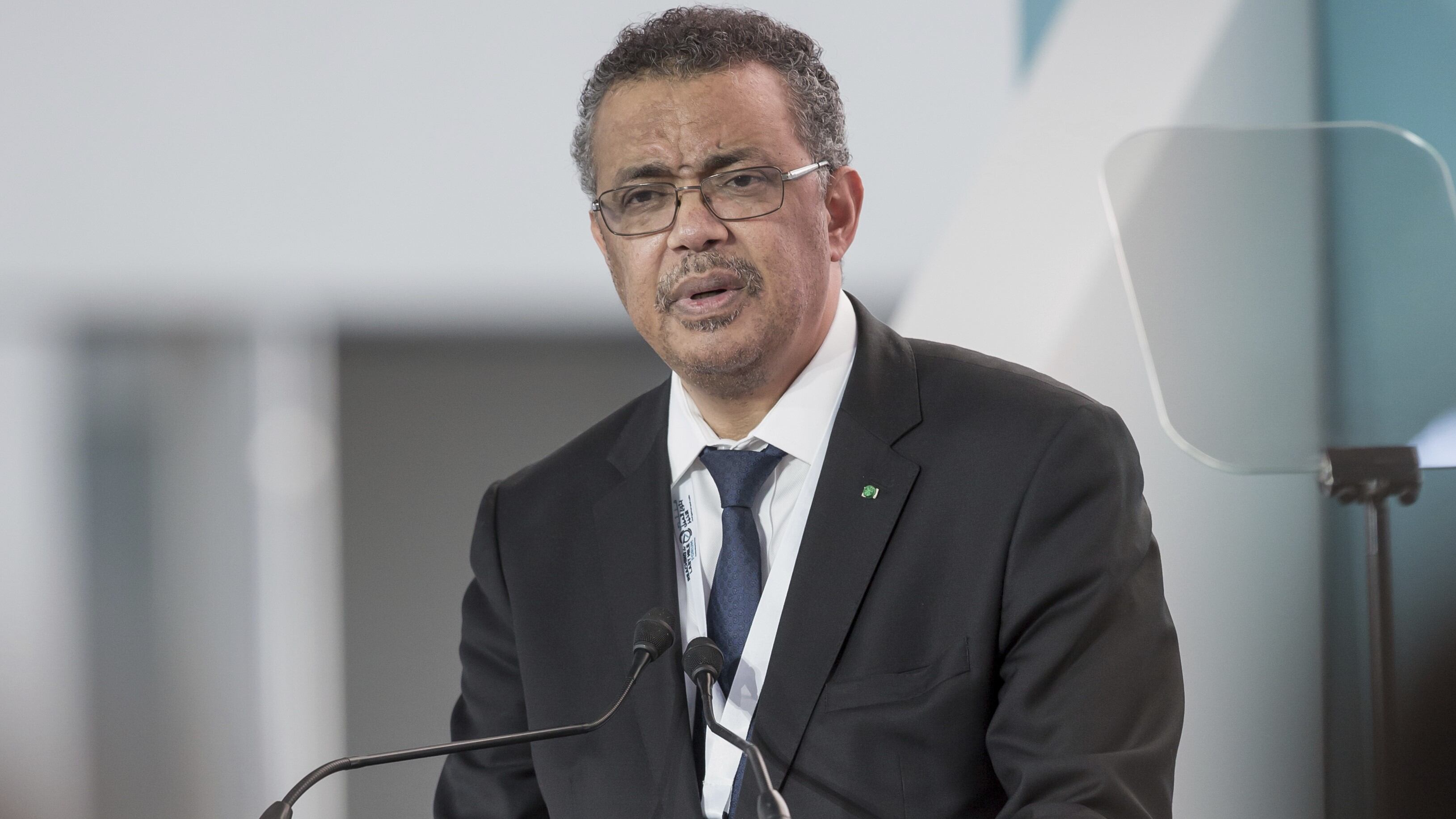
FILE - Dr. Tedros Ghebreyesus, Director General of the WHO, speaks at the Reaching The Last Mile Forum on Nov. 19, 2019, at the Louvre in Abu Dhabi.(Jonathan Gibbons/Reaching the Last Mile Forum via AP Images)
The head of the World Health Organization says he will begin an independent evaluation of the U.N. health agency’s response to the coronavirus pandemic “at the earliest appropriate moment.”
WHO Director-General Tedros Adhanom Ghebreyesus made the pledge Monday after an independent oversight advisory body published its first interim report about the U.N. health agency’s response to COVID-19 from January to April.
The 11-page report raised questions such as whether WHO’s warning system for alerting the world to outbreaks is adequate, and suggested member states might need to “reassess” WHO’s role in providing travel advice to countries.
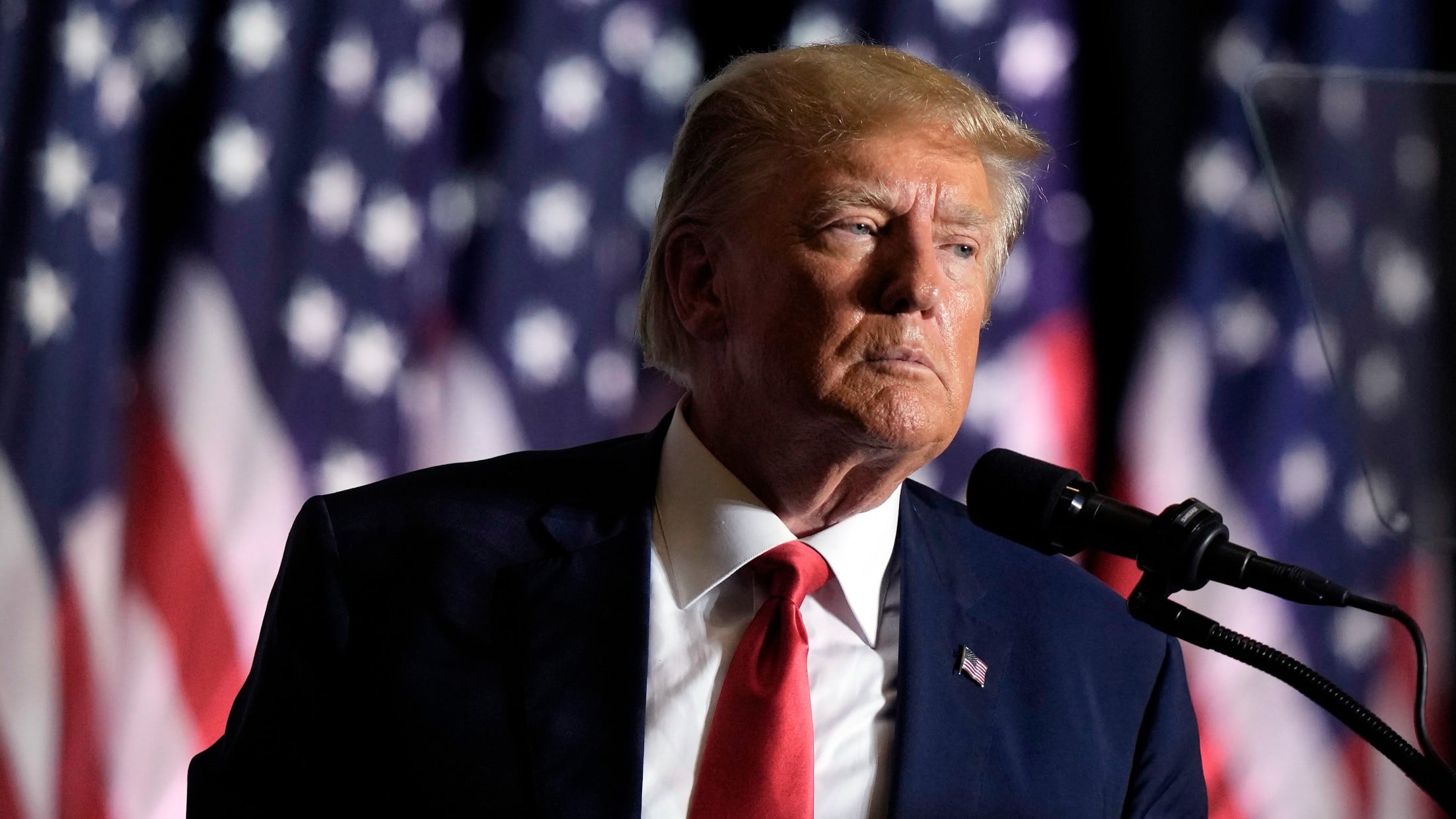
The advisory body’s review and recommendations appeared unlikely to appease the United States administration, which has been scathing in its criticism of WHO — in part over President Donald Trump’s allegation that it had criticized a U.S. travel ban that he ordered on people arriving from China, where the outbreak first appeared late last year.
Trump ordered a temporary suspension of funding for WHO from the United States — the health agency’s biggest single donor — pending a review of its early response. But the review panel, echoing comments from many countries, said such a review during the “heat of the response” could hurt WHO’s ability to respond to it.
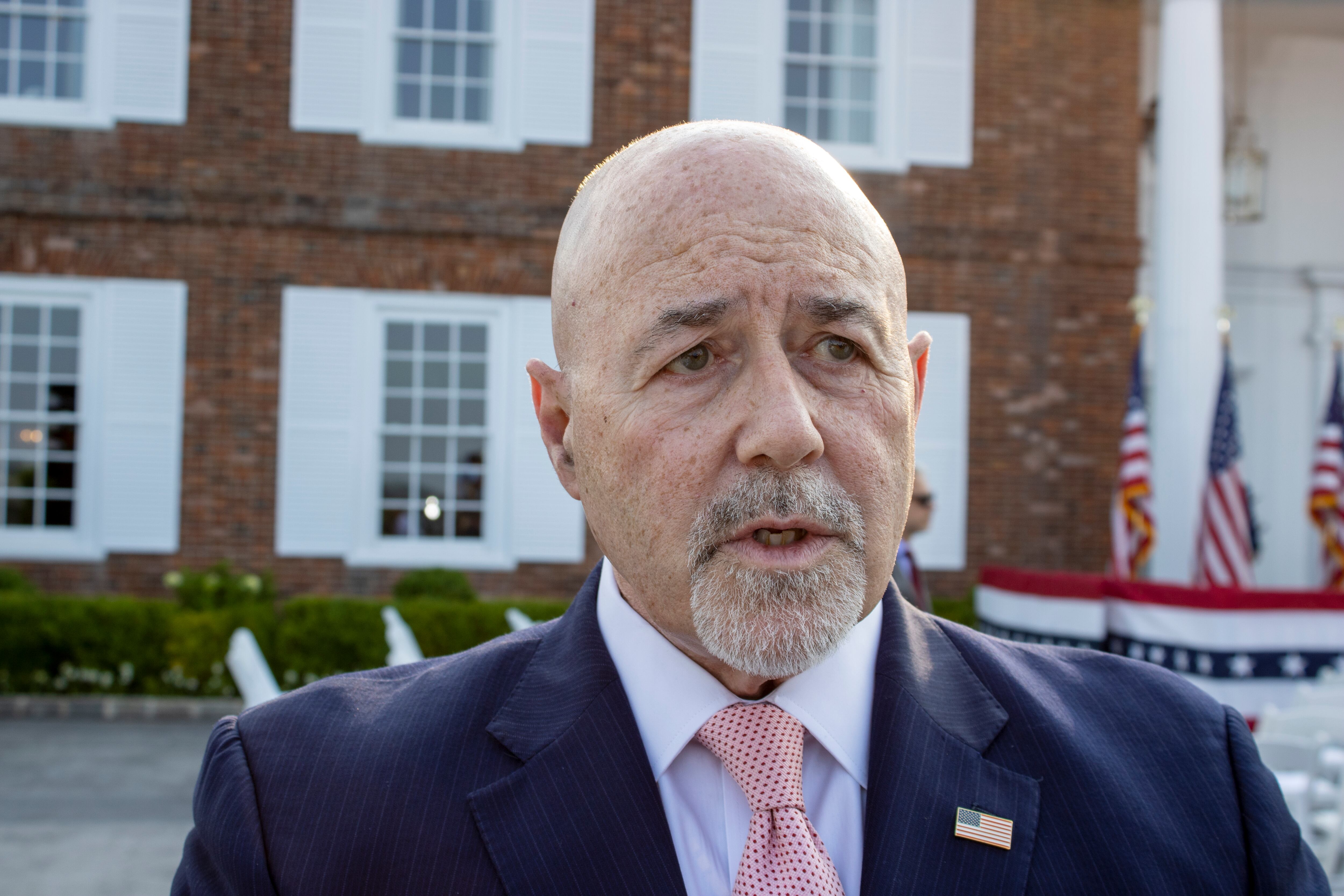
The lawyer for former NYPD commissioner Bernard Kerik turned over thousands of pages and documents to a special counsel as part of an investigation into Kerik's alleged involvement to overturn the results of the 2020 election.
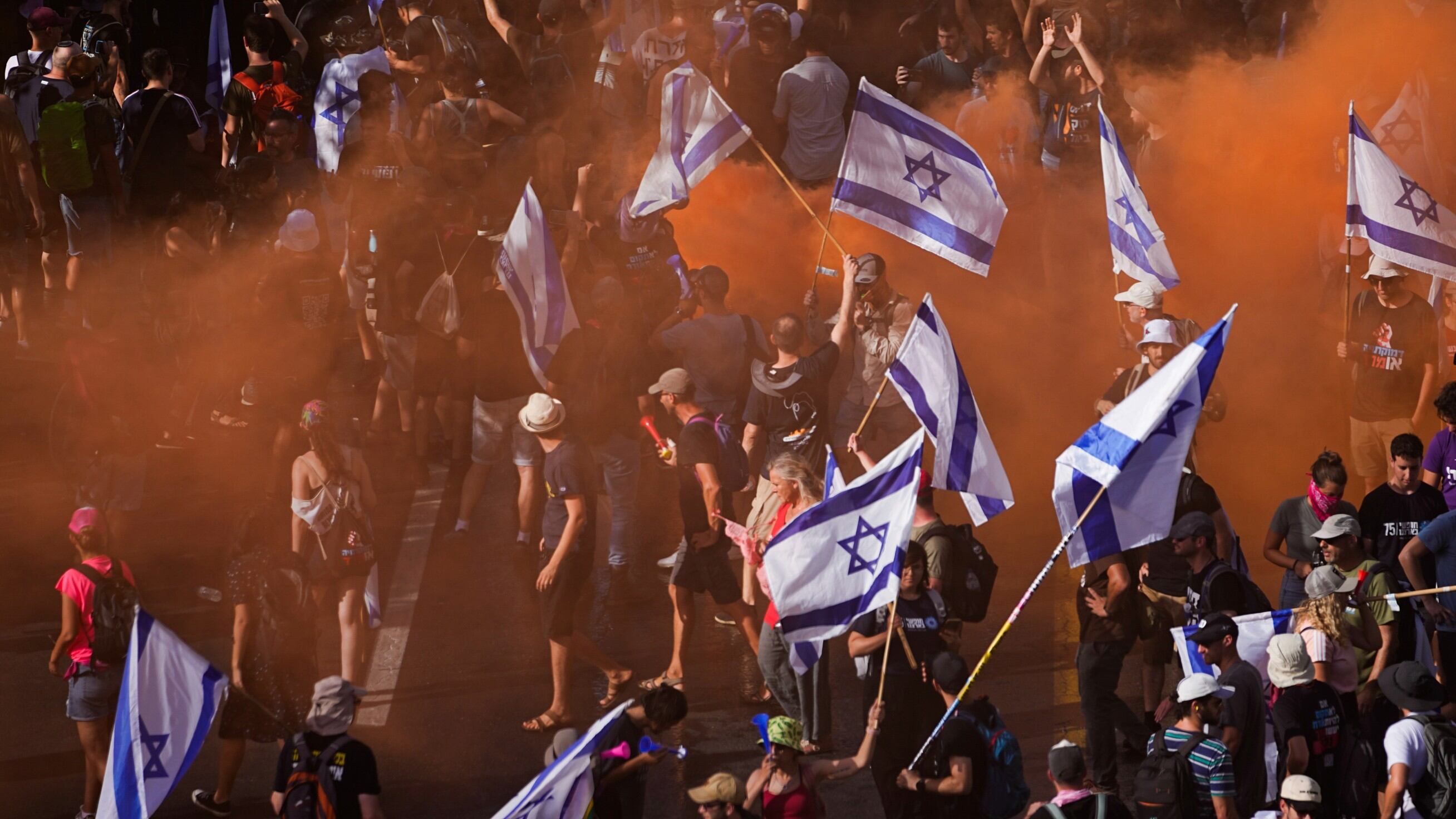
Israel’s parliament on Monday approved the first major law in Prime Minister Benjamin Netanyahu’s contentious plan to overhaul the country’s justice system, triggering a new burst of mass protests and drawing accusations that he was pushing the country toward authoritarian rule.
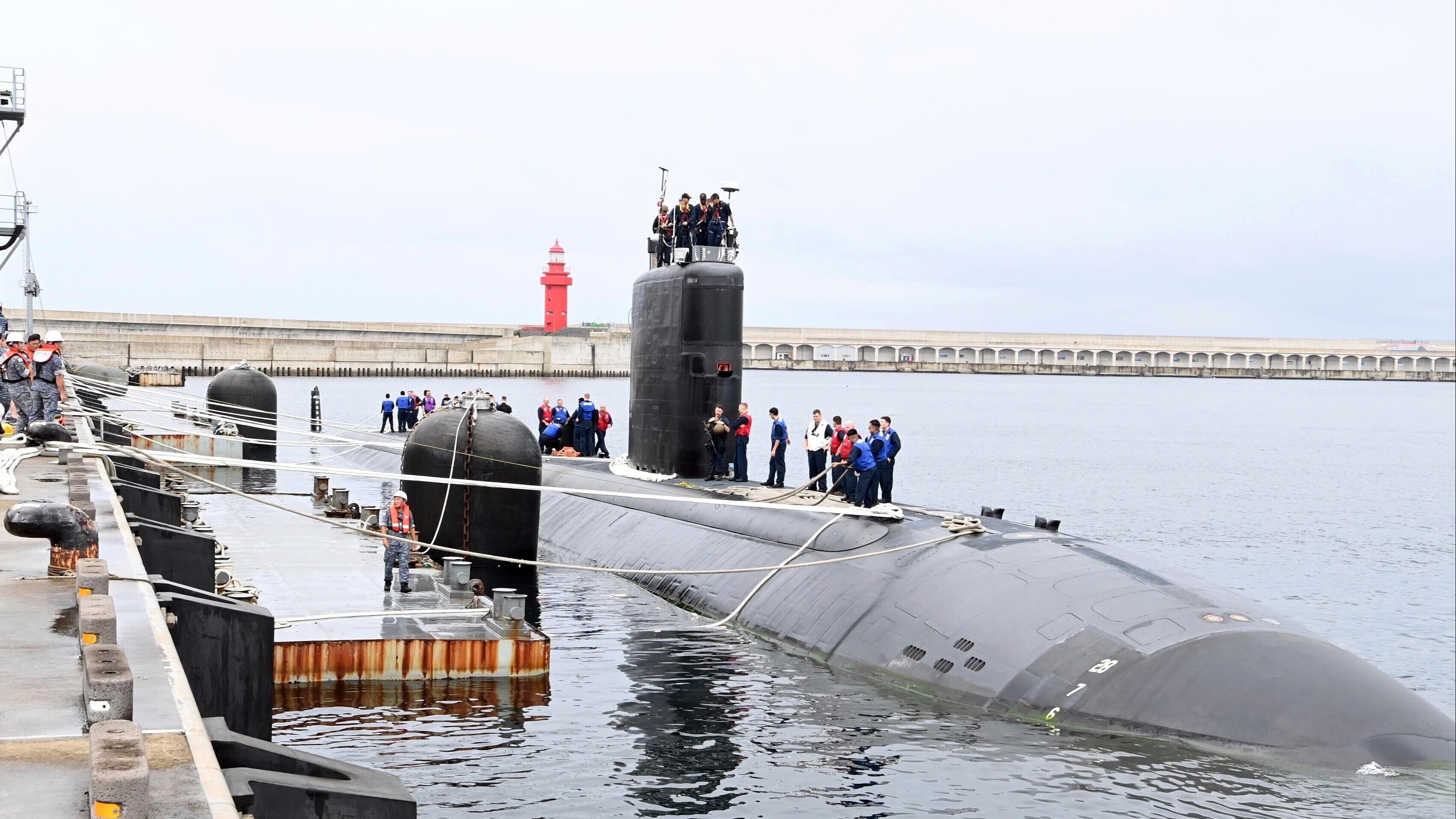
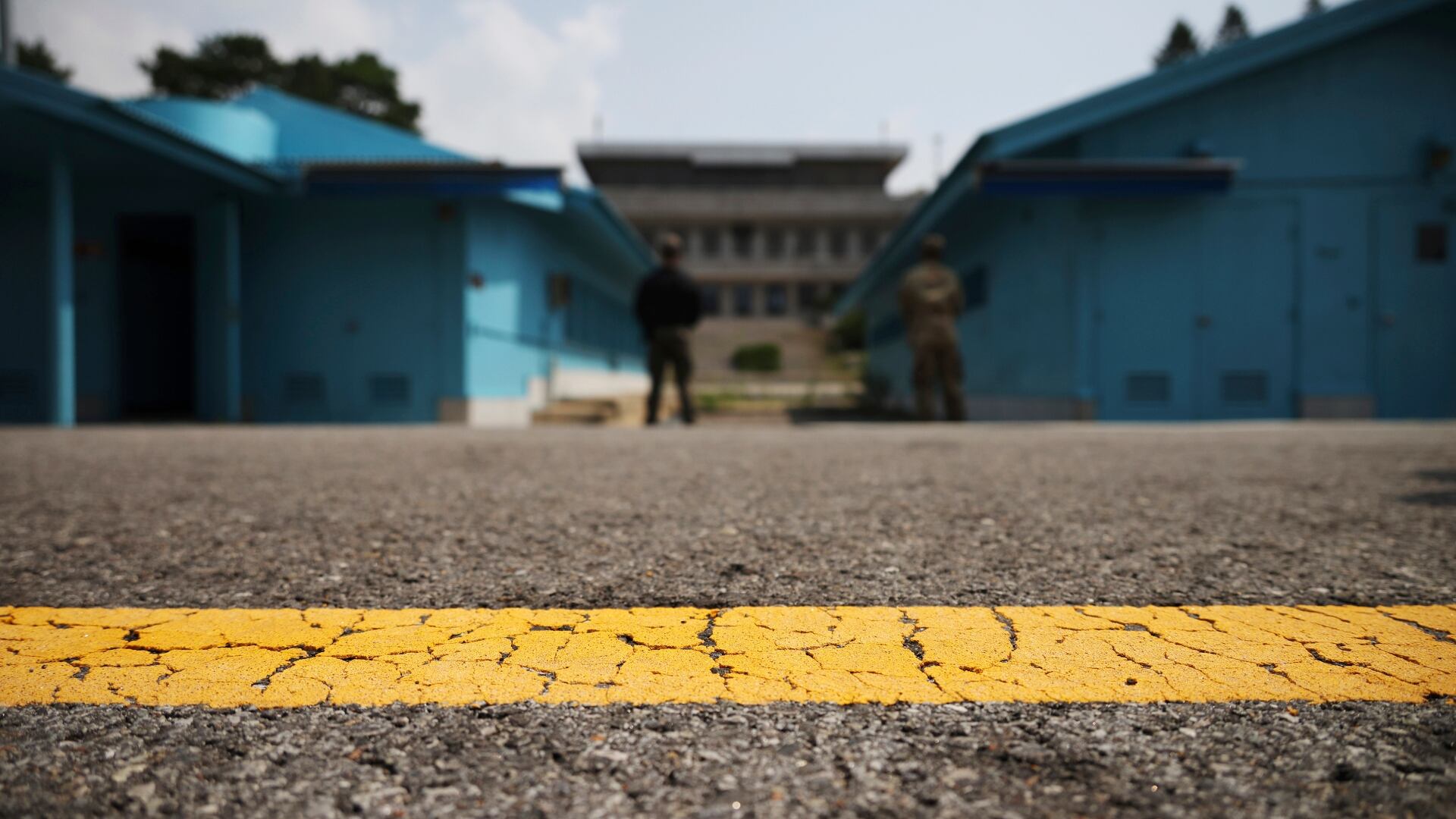
North Korea fired two short-range ballistic missiles into its eastern sea, South Korea’s military said Tuesday, adding to a recent streak in weapons testing that is apparently in protest of the U.S. sending major naval assets to South Korea in a show of force.
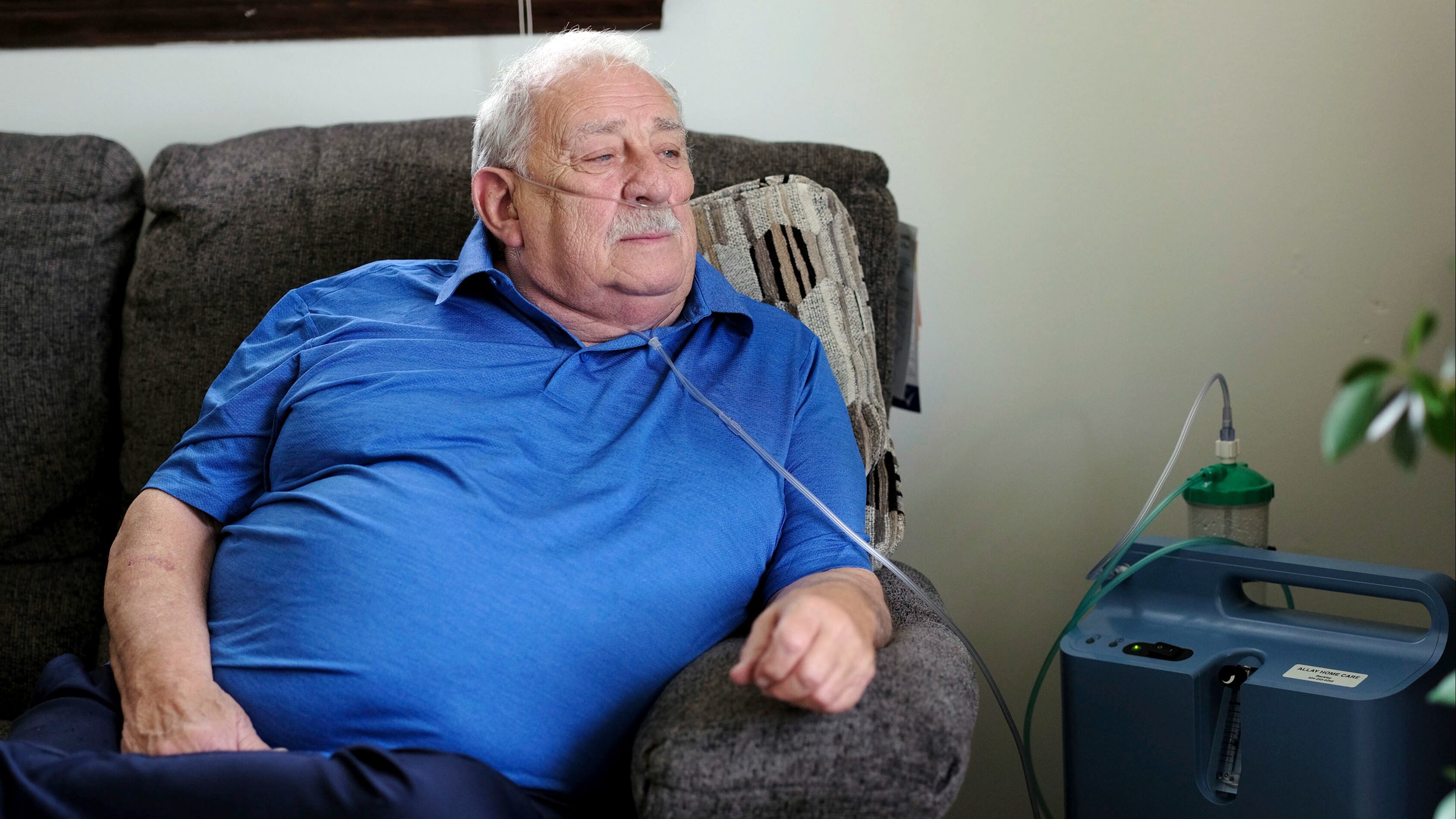
Now the federal Mine Safety and Health Administration has proposed a rule that would cut the current limit for silica exposure by half — a major victory for safety advocates. But there is skepticism and concern about the government following through after years of broken promises and delays.
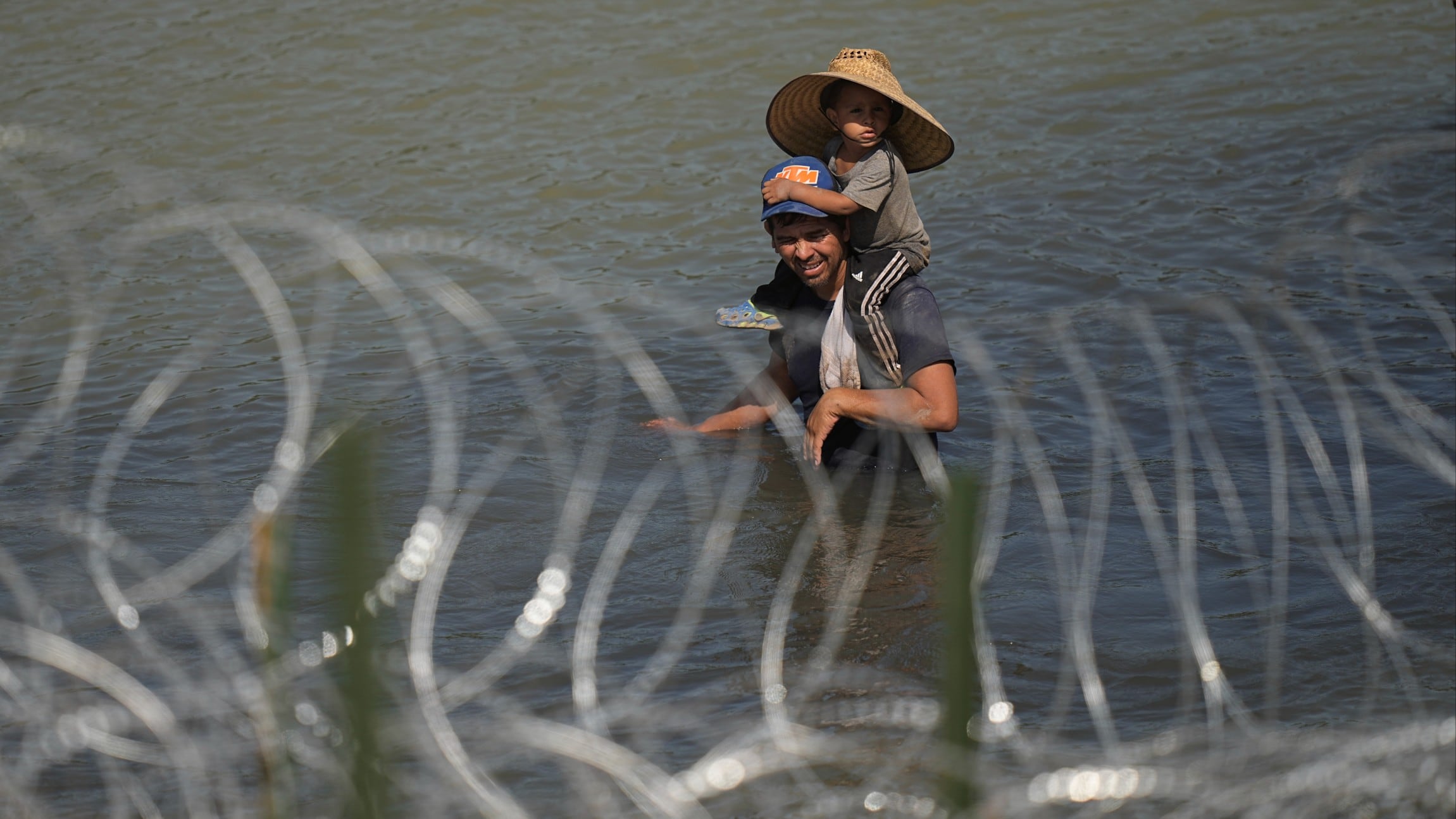
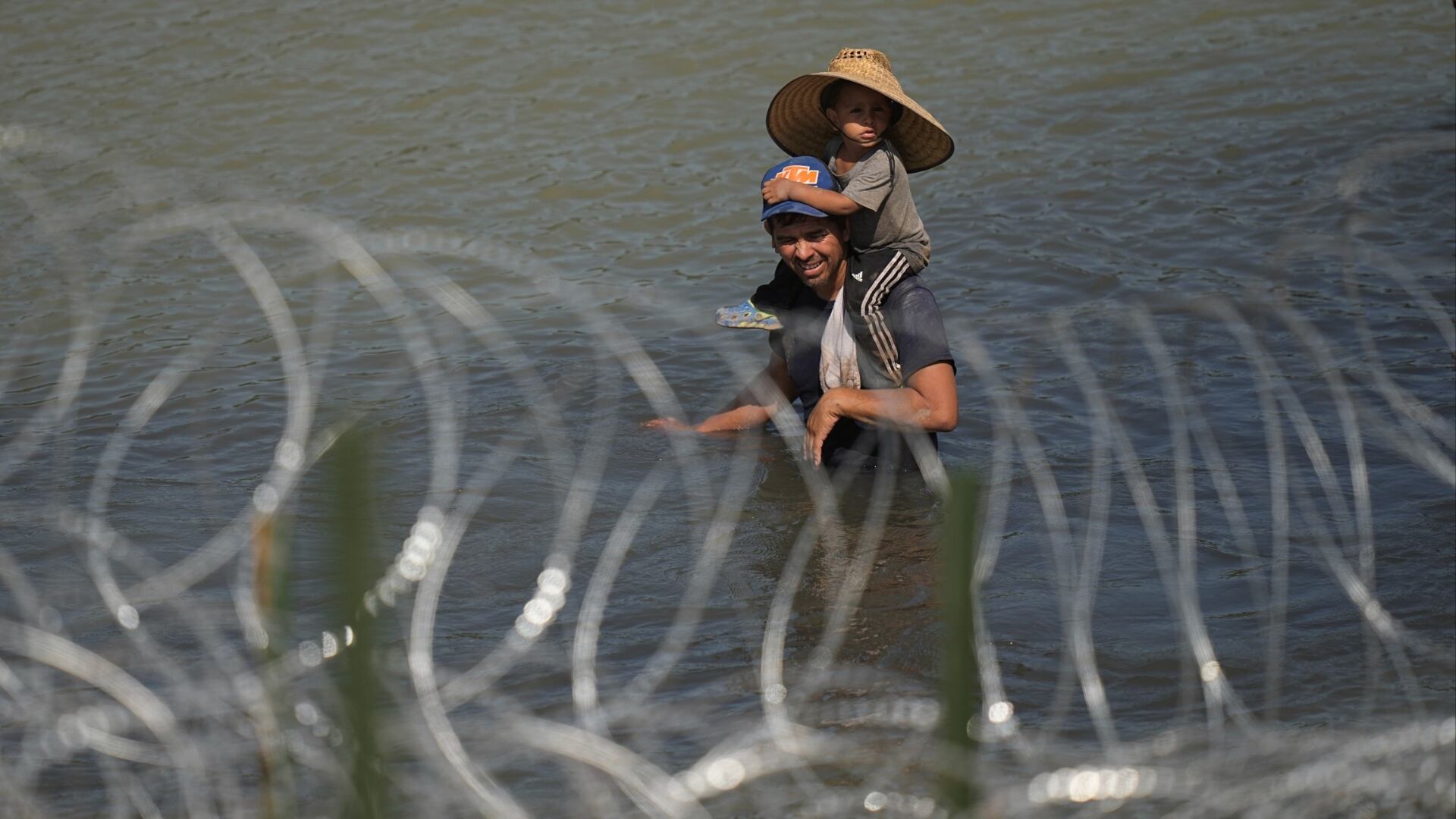
A state trooper's account of officers denying migrants water in 100-degree Fahrenheit (37.7 Celsius) temperatures and razor wire leaving asylum-seekers bloodied has prompted renewed criticism.