West Virginia's Latest Experiment: Blockchain Elections
The 2016 presidential election brought to light just how archaic and vulnerable America’s voting system is, raising questions of how to protect democracy from foreign influences and digital hacks in the future.
Venture capitalist Bradley Tusk thinks blockchain could be the answer.
“Long term, I believe that every American should be able to vote in any election on their phone,” the founder and CEO of Tusk Montgomery Philanthropies told Cheddar Thursday.
Through his foundation, Tusk currently funds America’s first blockchain-powered voting experiment in West Virginia.
In March, the state launched a secure app to enable deployed military voters from a few counties to vote from wherever they are.
“We already have a handful of votes from various locations,” said Mac Warner, West Virginia’s Secretary of State.
“I was in the military and I’ve had those experiences where it’s difficult to vote. Think of the soldier on the hillside in Afghanistan...When they have those few minutes to think about an election back home, they want to vote the same way they order something from Amazon.”
Following this pilot program, the state wants to expand the program ahead of the midterm elections in November.
Tusk says the technology, which is already upending a range of industries from banking to art, provides a safer alternative to the current system.
“Blockchain...really is a much, much, much safer way to conduct elections not only compared to just regular online mobile voting, if someone were to try that, but even compared to the systems we have right now,” said Tusk.
For a military member to vote, the app not only requires details from their government-issued ID cards, but also uses [facial recognition and fingerprint scans](https://cheddar.com/videos/how-does-blockchain-powered-voting-work) to verify a voter’s identity.
“I’m very secure in the integrity of this election process,” sayd Warner.
Tusk, who managed former New York City Mayor Michael Bloomberg’s campaign, believes that low voter turnout leads to increased polarization among candidates and that this technology, though nascent, could in the long-term drastically change that.
“If, all of a sudden, voting was as easy as pulling out your phone and turnout went from 12 percent to 60 percent, then those same politicians would be forced to represent the views of the mainstream.
“To me, that’s the value in doing this. Right now, we don’t have a true represent of democracy,” said Tusk.
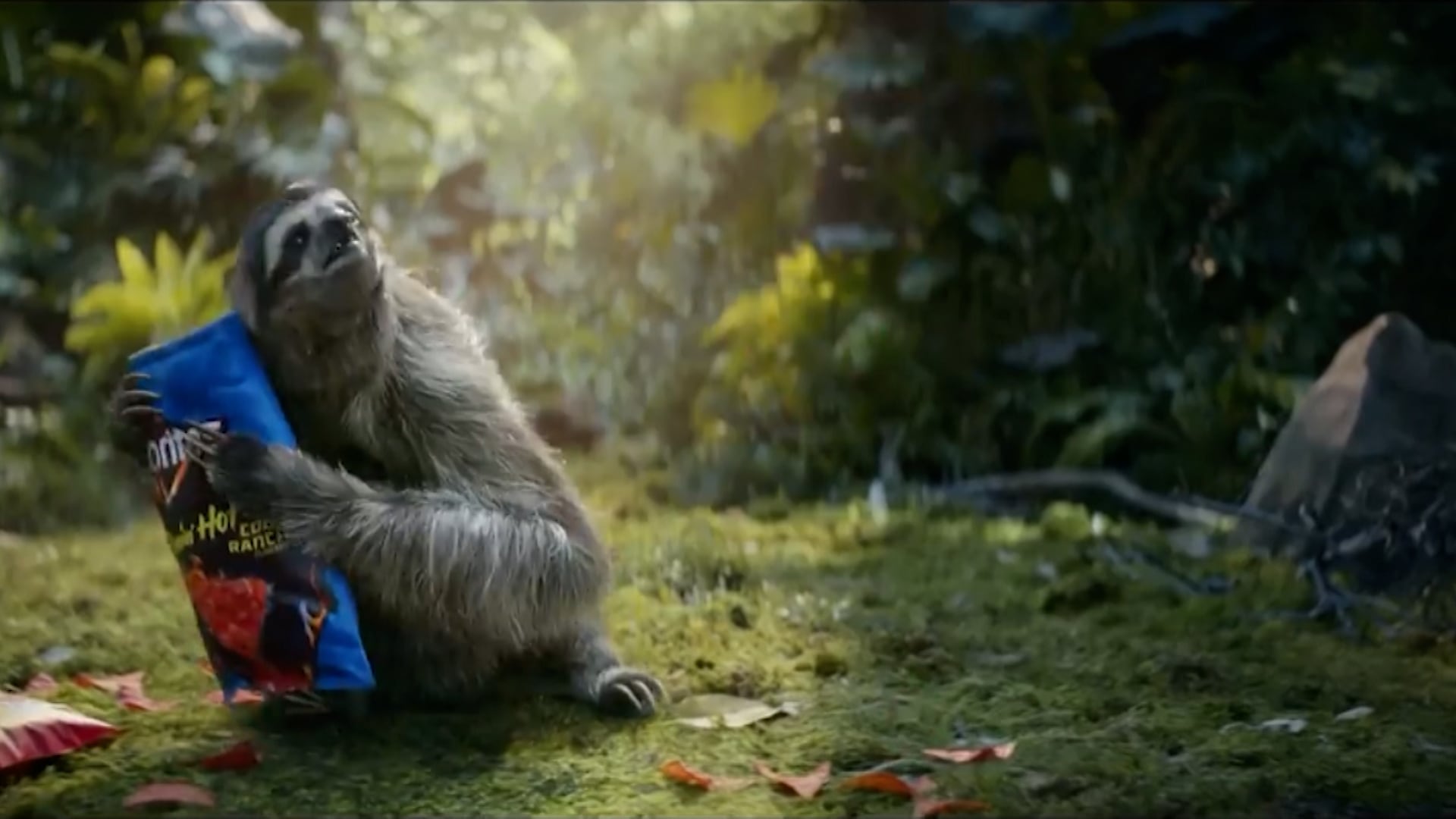
While many are excited to watch the final two NFL teams square-off and see which one ultimately takes home the trophy, some, on the other hand, are there for another mian attraction -- the commercials. Companies during this year's game are looking towards the future From electric vehicles, to robots, and crypto-currency, several first-time advertisers are expected to join long-time advertisers like Pepsi, Budweiser and Doritos during the NFL's biggest game. Tom Morton, Global Chief Strategy Officer at R/GA, joined Cheddar News' Big Game Special to discuss.
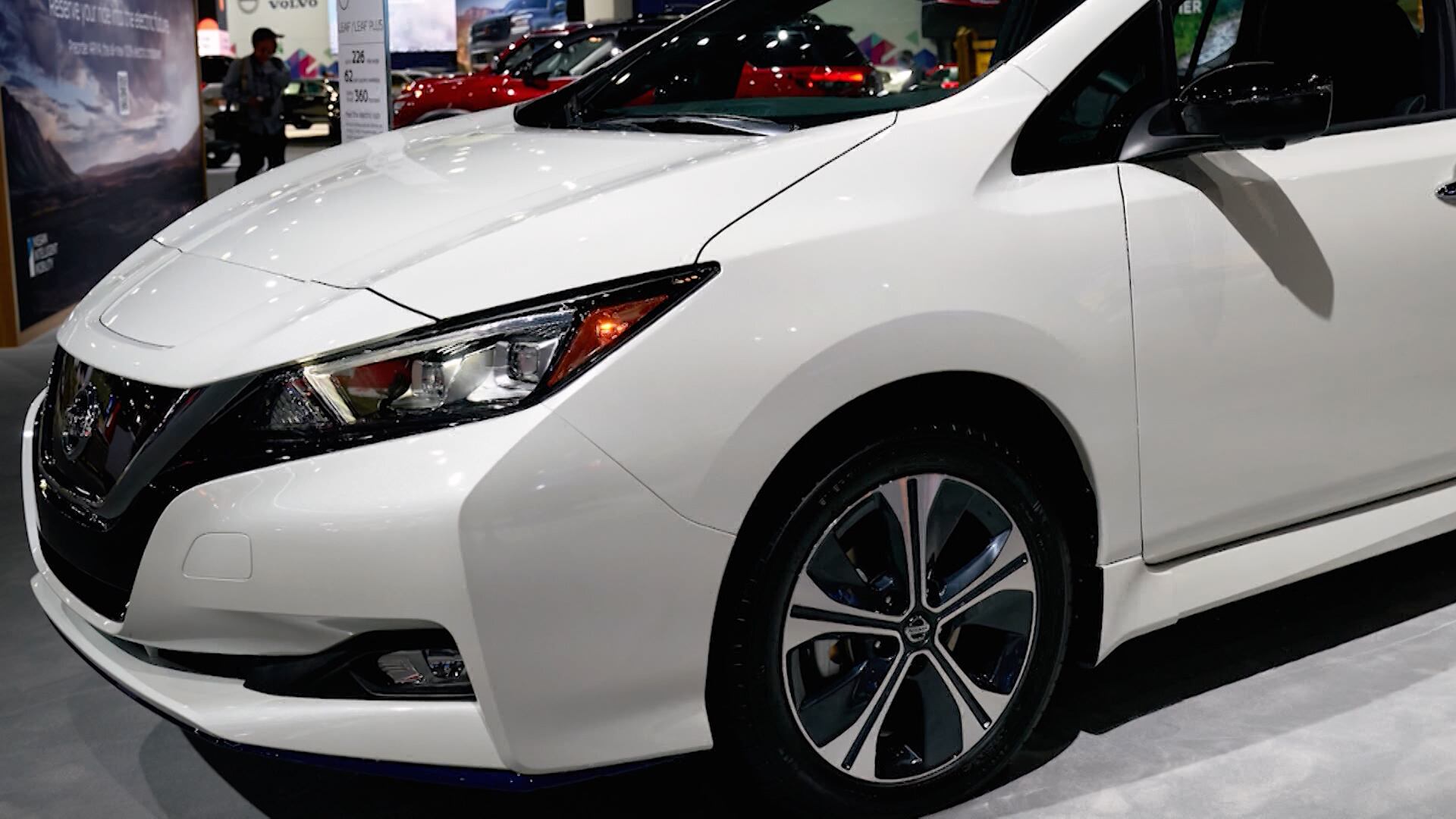
Nissan is revving up its commitment to electric vehicles. the Japanese automaker announcing plans to invest $500 million to transform its assembly plant in Mississippi to build two all-new EV models starting in 2025. It's all part of Nissan's goal to have 23 electrified models for the Nissan and Infiniti brands globally by 2030. Ashwani Gupta, Nissan's COO, joined Cheddar's Opening Bell to discuss this announcement and the company's EV goals moving forward.
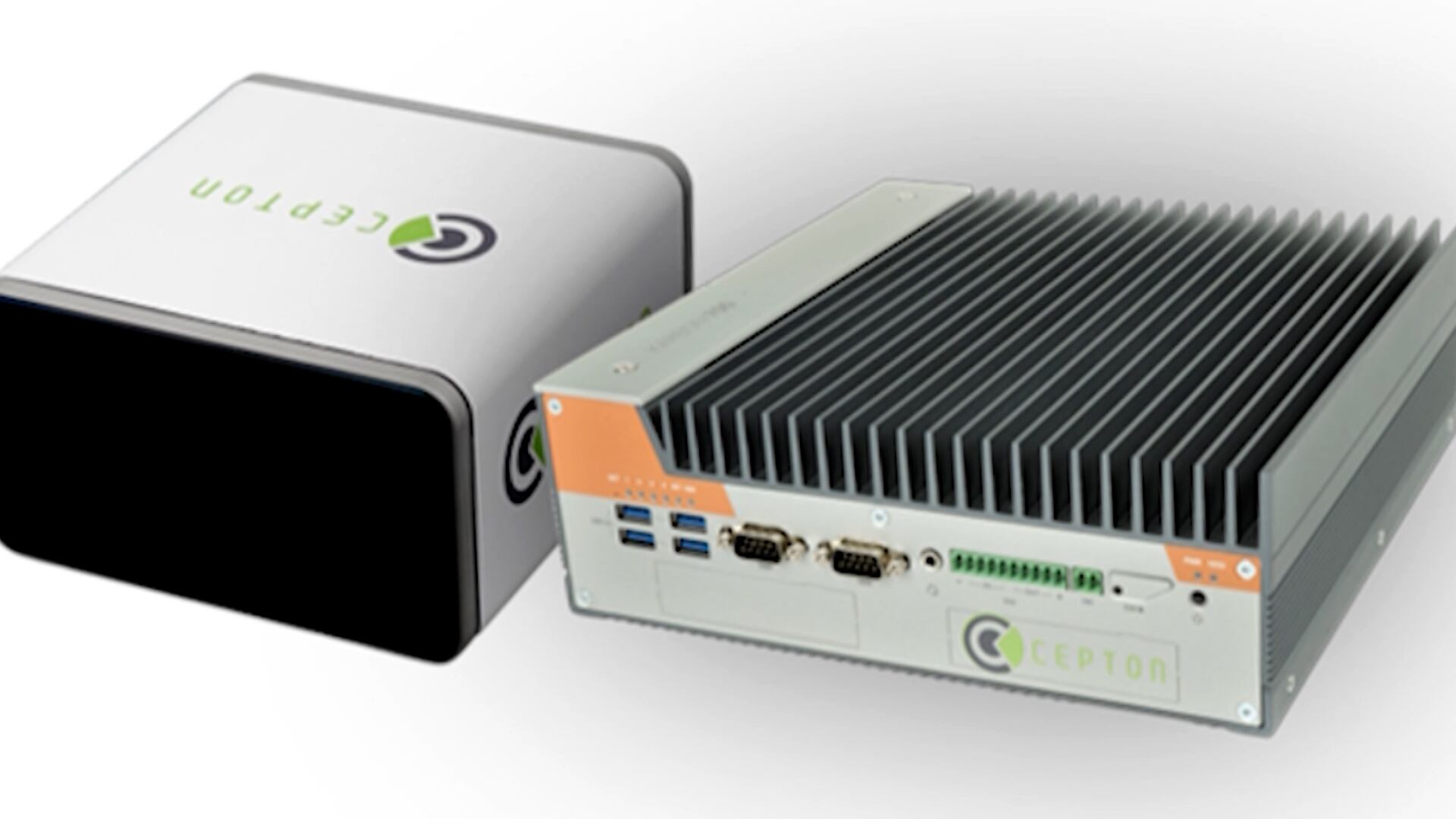
Cepton made its debut on the Nasdaq under the ticker symbol ‘CPTN’ on Thursday. Jun Pei, the co-founder and CEO, joined Cheddar News to discuss going public and its lidar-based solutions for improving safety in autonomous features in cars. "It's really just a huge benefit in addition to radar and camera, and becomes an entire sensor suite that will bring cars to a higher level, both for safety and autonomy."
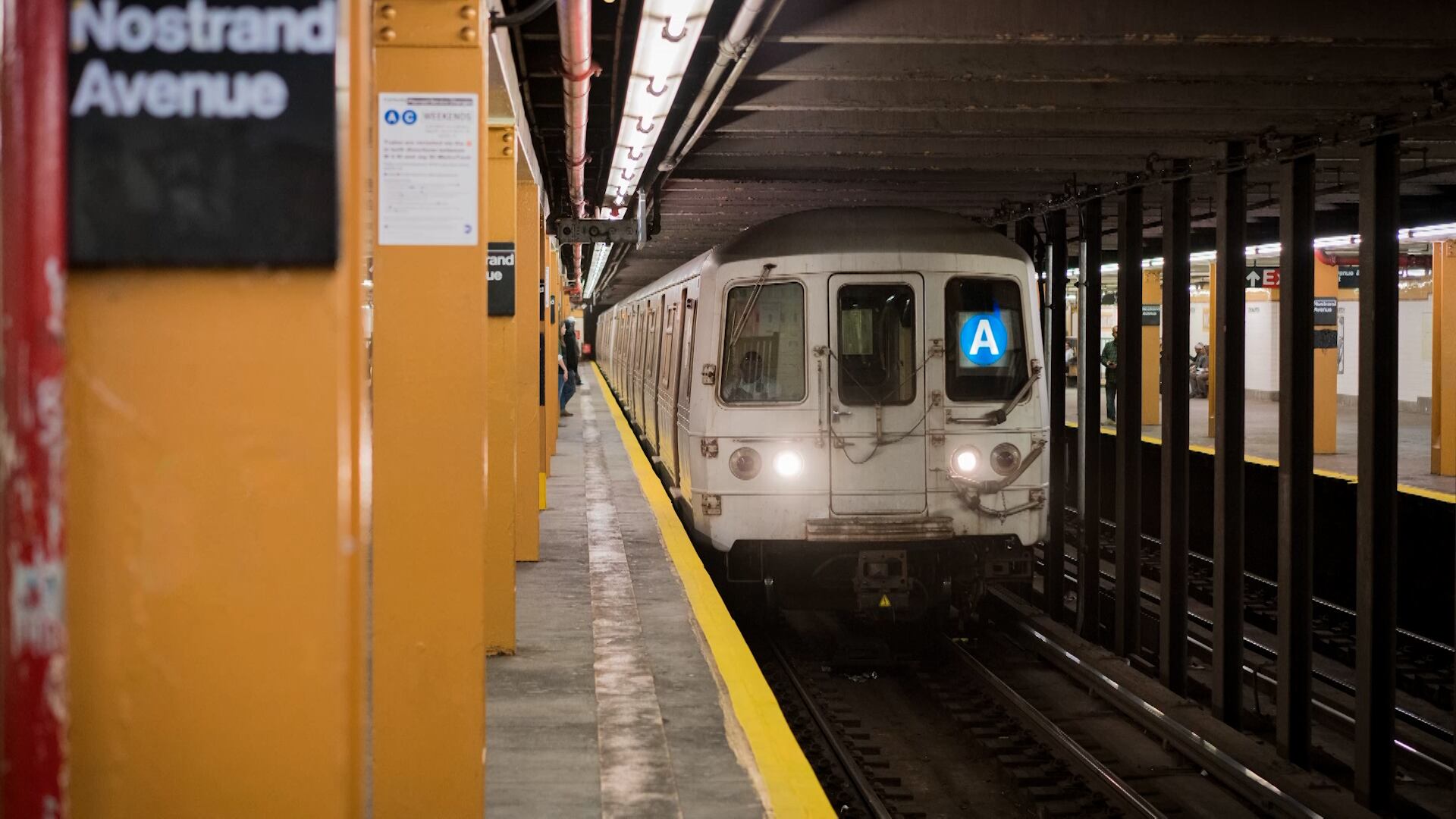
New York City's famous subway system is currently facing scrutiny after several recent attacks on platforms. Now, local leaders in the Big Apple are calling on the MTA. To step in and take action.
On this episode of Cheddar Innovates: Evolution Devices CEO breaks down how the Evowalk wearable device can help those with walking impairments; Cresilon CEO explains how he's created a plant-based gel to easily treat wounds in both humans and animals; A look at Curiosity Stream's 'The Colorado Problem.'
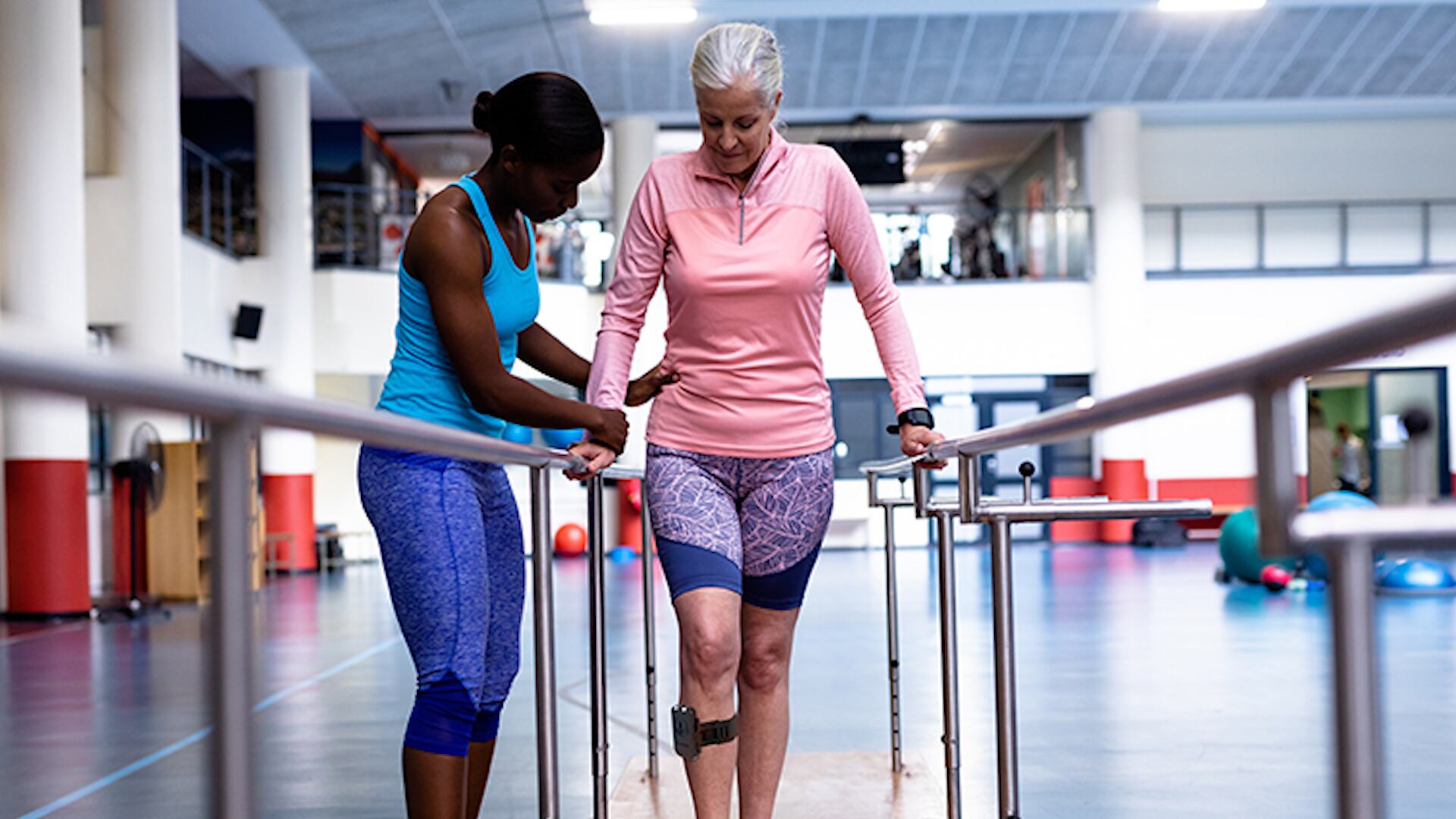
Pier Mantovani, Founder and CEO of Evolution Devices, joins Cheddar Innovates to discuss how the Evowalk wearable device can help those with walking impairments, and how remote physical therapy is becoming a reality.
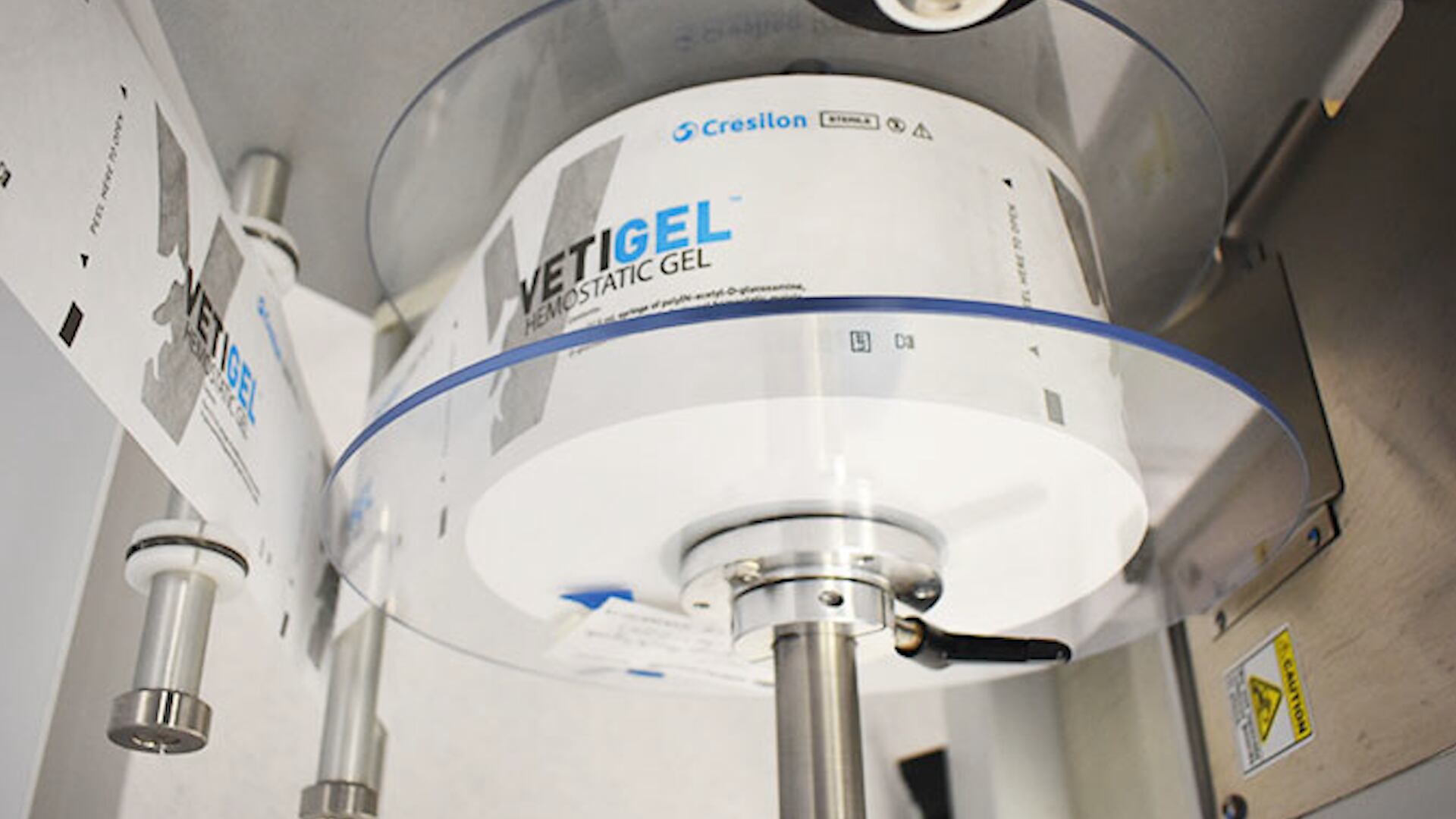
Joe Landolina, CEO and Co-Founder of Cresilon, joins Cheddar Innovates to discuss how he's created a plant-based gel to easily treat wounds in both humans and animals.
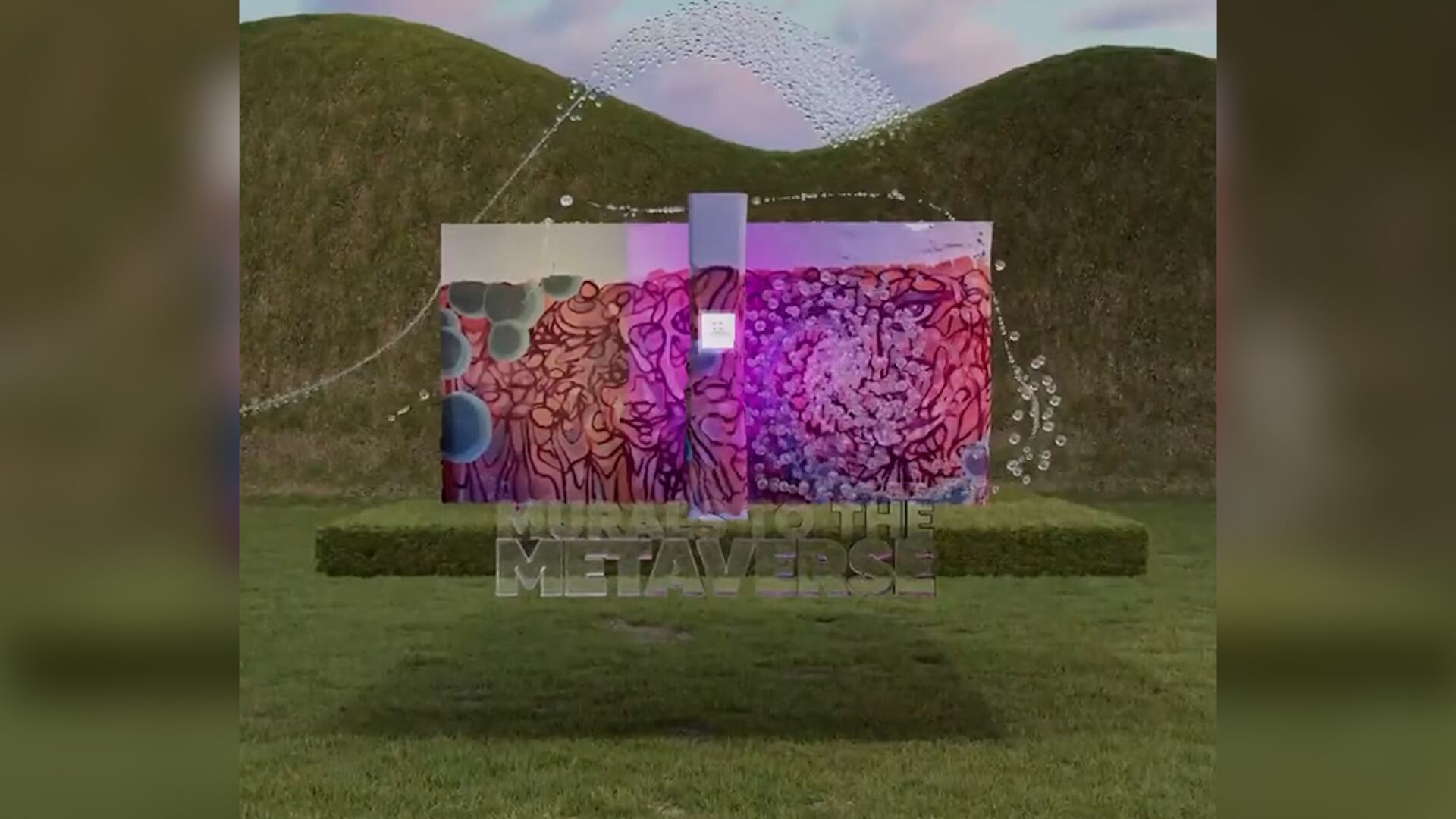
The virtual world of the metaverse continues to present a bright future for many artistic creators. A group of six mural artists from the Bay Area have decided to turn their painted and installed murals into a one-of-a-kind collectible. Thanks to NFTS these murals can be enhanced and extend far beyond just their physical walls. Muralist and Creative Director of the Bay Area mural program Rachel Wolfe Goldsmith, joined Cheddar to discuss more.
New York City ride-hailing app drivers are about to get a pay raise. According to the city's Mayor Eric Adams, New York will increase its minimum driver pay rate for both Uber and Lyft drivers. This means both platforms would now be required to pay their drivers a minimum of $1.61 cents per mile and about 0.50 cents per minute. Ultimately, the move would give riders at least a 5.3% race. New York City Comptroller Brad Lander, joined Cheddar to discuss more.