West Virginia's Latest Experiment: Blockchain Elections
The 2016 presidential election brought to light just how archaic and vulnerable America’s voting system is, raising questions of how to protect democracy from foreign influences and digital hacks in the future.
Venture capitalist Bradley Tusk thinks blockchain could be the answer.
“Long term, I believe that every American should be able to vote in any election on their phone,” the founder and CEO of Tusk Montgomery Philanthropies told Cheddar Thursday.
Through his foundation, Tusk currently funds America’s first blockchain-powered voting experiment in West Virginia.
In March, the state launched a secure app to enable deployed military voters from a few counties to vote from wherever they are.
“We already have a handful of votes from various locations,” said Mac Warner, West Virginia’s Secretary of State.
“I was in the military and I’ve had those experiences where it’s difficult to vote. Think of the soldier on the hillside in Afghanistan...When they have those few minutes to think about an election back home, they want to vote the same way they order something from Amazon.”
Following this pilot program, the state wants to expand the program ahead of the midterm elections in November.
Tusk says the technology, which is already upending a range of industries from banking to art, provides a safer alternative to the current system.
“Blockchain...really is a much, much, much safer way to conduct elections not only compared to just regular online mobile voting, if someone were to try that, but even compared to the systems we have right now,” said Tusk.
For a military member to vote, the app not only requires details from their government-issued ID cards, but also uses [facial recognition and fingerprint scans](https://cheddar.com/videos/how-does-blockchain-powered-voting-work) to verify a voter’s identity.
“I’m very secure in the integrity of this election process,” sayd Warner.
Tusk, who managed former New York City Mayor Michael Bloomberg’s campaign, believes that low voter turnout leads to increased polarization among candidates and that this technology, though nascent, could in the long-term drastically change that.
“If, all of a sudden, voting was as easy as pulling out your phone and turnout went from 12 percent to 60 percent, then those same politicians would be forced to represent the views of the mainstream.
“To me, that’s the value in doing this. Right now, we don’t have a true represent of democracy,” said Tusk.
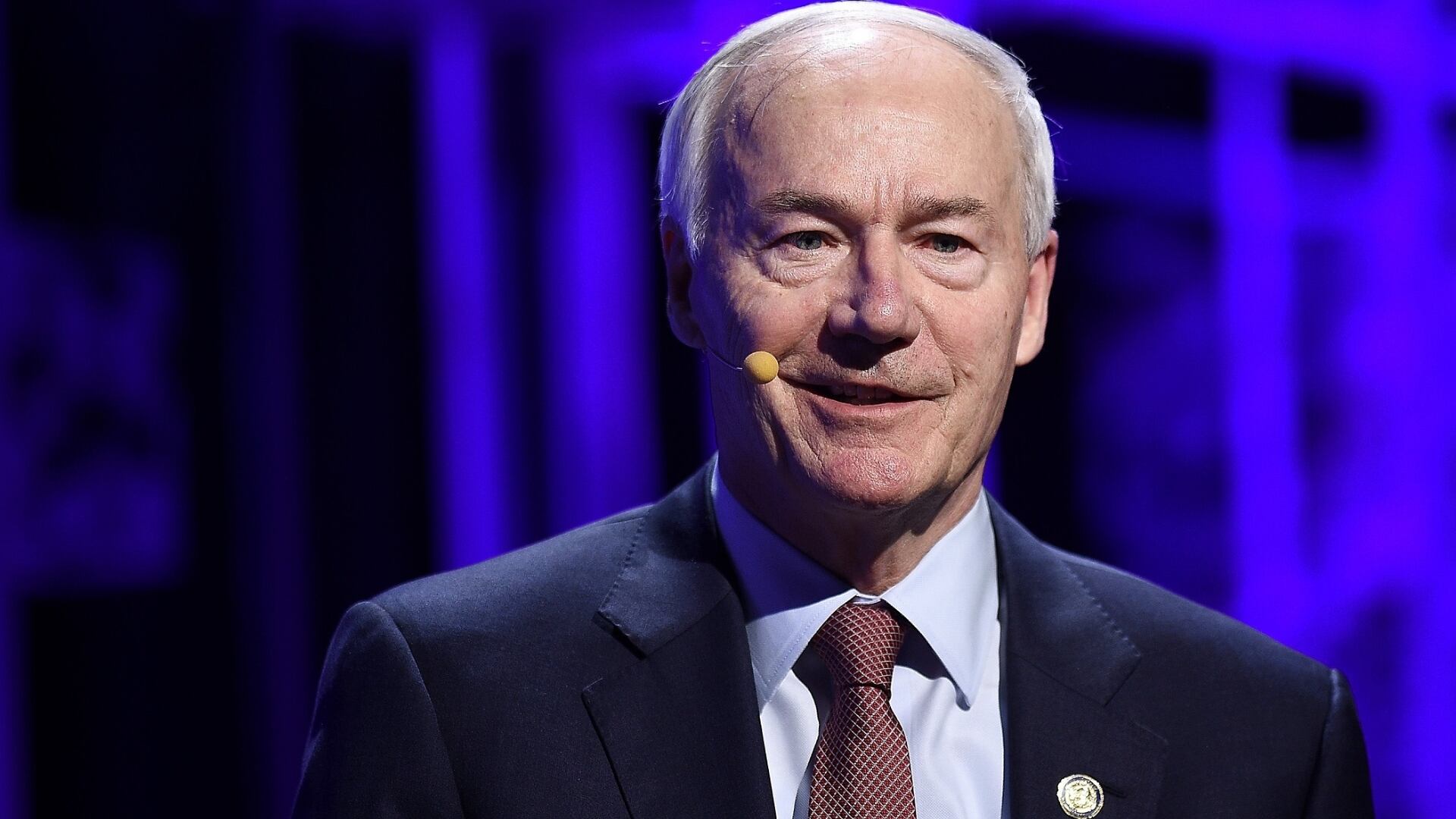
Arkansas is planning to reshape itself by putting a strong emphasis on technology through computer science in the classroom. Governor Asa Hutchinson joined Cheddar News Buffa to discuss the state's efforts to promote itself as a future tech hub. “It gives young people such a huge opportunity for success," he noted. The term-limited governor also touched on the issue of gun ownership, offering up the idea of possibly raising the age limit to obtain rifles like the AR-15 to 21 instead of 18 as it currently stands.
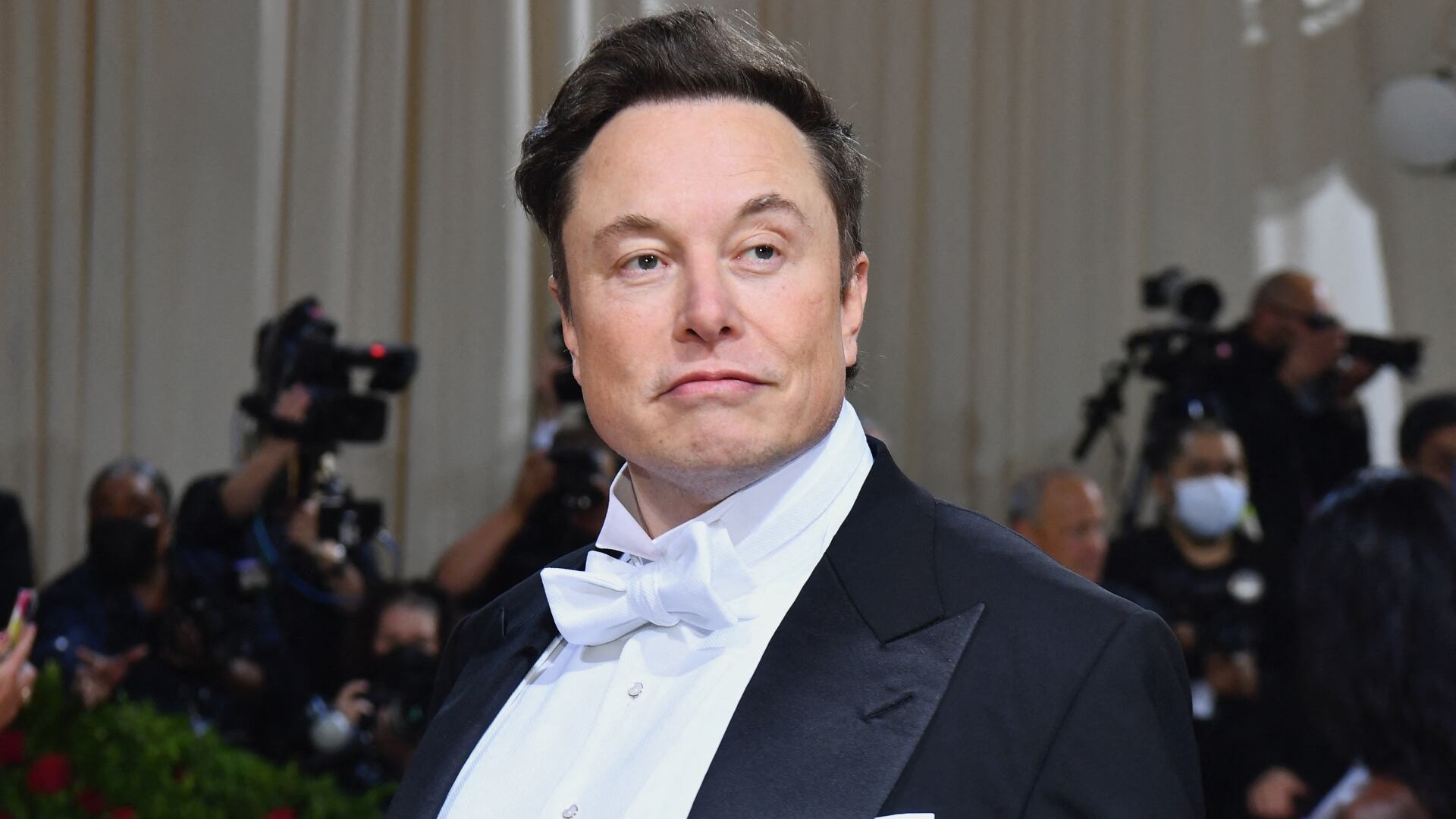
Elon Musk is demanding his Tesla employees to return to the office full time, a minimum of at least 40 hours a week. The CEO also took a shot at other companies who have some form of work-from-home status. The ultimatum comes at a tumultuous time for Musk with the reveal of a sexual misconduct scandal and his attempted Twitter purchase.
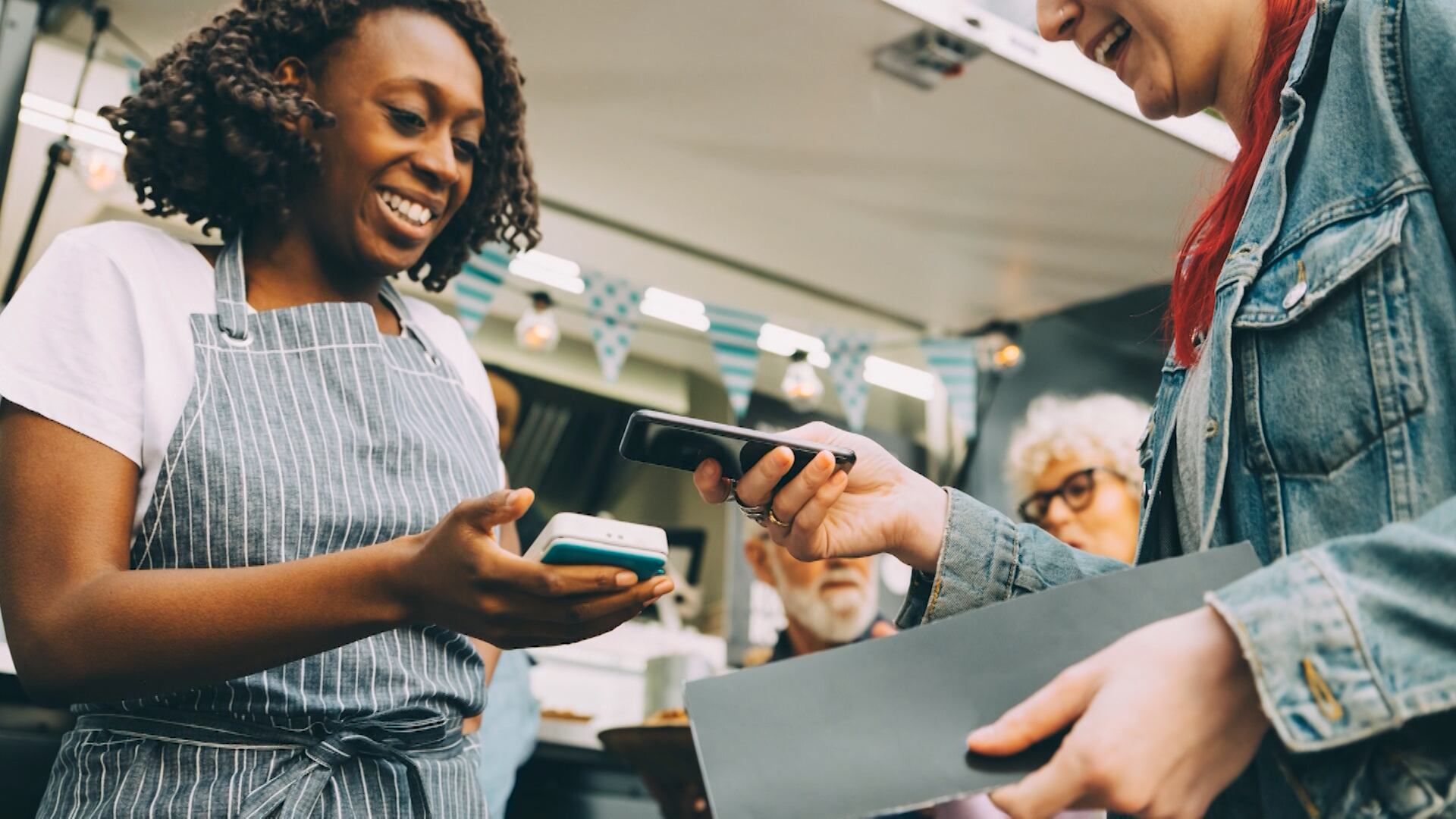
Bindu Sundaresan, Director, AT&T Cybersecurity, joins Cheddar to discuss best practices and important cybersecurity milestones to hit for any organization, and how small business owners can think about cyber beyond technology and compliance.
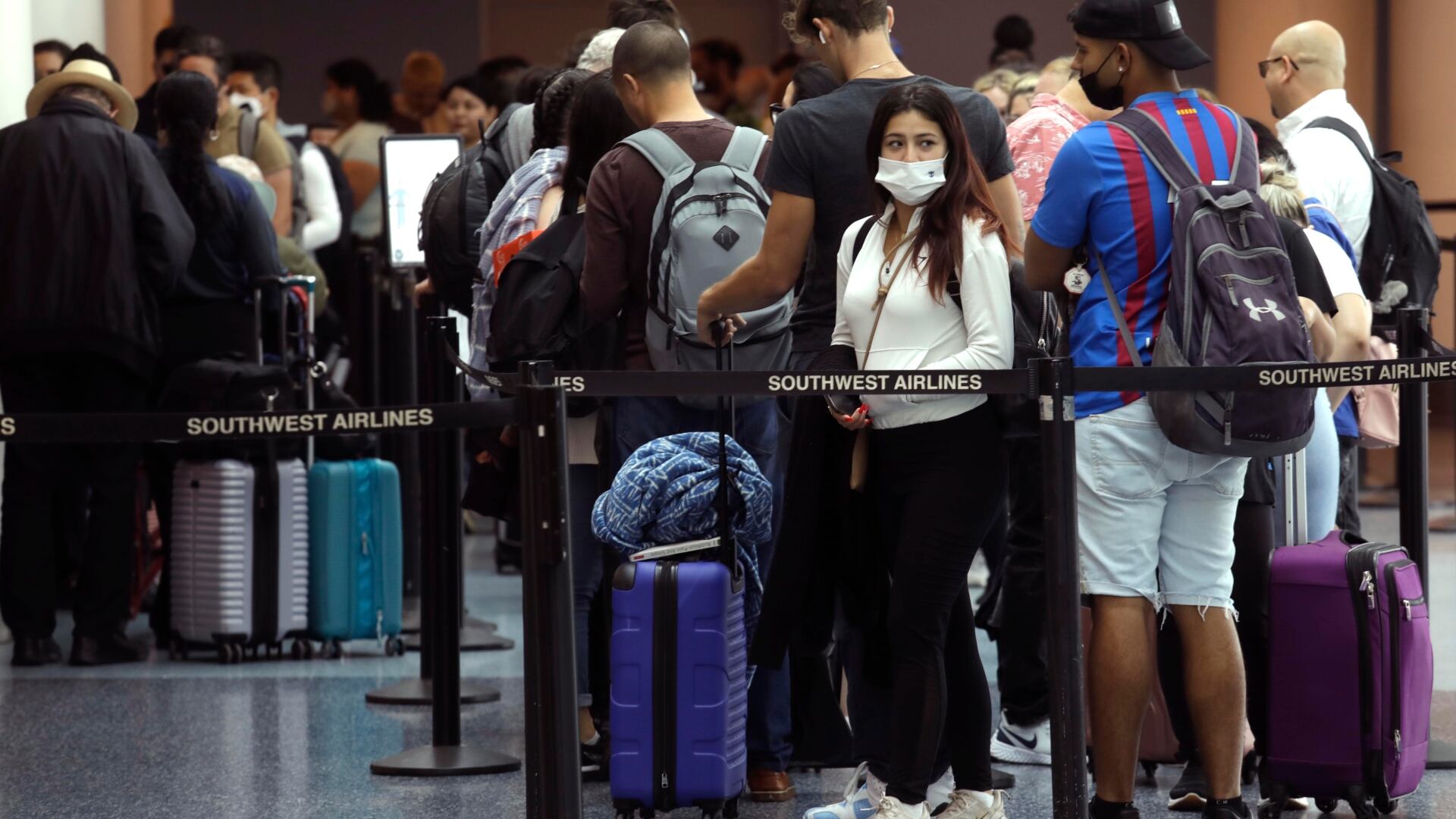
Memorial Day rang in the unofficial start of summer here in the United States -- and with it, the unofficial start of summer travel. Whether consumers traveled by air or by land, they probably experienced some form of frustration over the weekend. Flyers faced delays and cancellations, and drivers faced the most expensive gas prices ever recorded on Memorial Day. Zach Griff, Senior Aviation Reporter for the Points Guy, joins Cheddar News' Closing Bell to discuss.
Next-generation gaming ecosystem Joystick recently raised $8 million in a seed round and is in the process of raising a $110 million Series A funding round. Gaming ecosystems are a relatively new type of platform in the Web3 space, allowing users to maximize their play-to-earn gaming opportunities, exchange crypto-currencies, and sell their digital assets. Joystick says its platform is flipping the current model on its head by giving players the opportunity to keep 100% of the revenue they earn. Robin Defay, co-founder and CEO of Joystick, and Michael Le, co-founder of Joystick and TikTok content creator, join Cheddar News' Closing Bell to discuss.
The dating app Bumble has sponsored bills and pushed lawmakers to criminalize the online practice of sending unsolicited nudes or “cyberflashing." Payton Iheme, Bumble's head of public policy for the Americas, joined Cheddar News to discuss why the app was going after the harassing behavior beyond its own platform. "Now, while we went to work internally in the company, and we created something called private detector to automatically blur those images so the user can decide if they want to see them, there's nothing for the rest of the internet," she said. "And so that's why we went to work with these laws."