Americans applied for fewer unemployment benefits at the end of 2019, the Labor Department announced Thursday. The number dropped by 2,000 to 222,000 in the seven days up until December 28, although the four-week average ticked up by 4,750 to 233,250.
The report beat expectations that had predicted 225,000 new claims, according to Reuters. The result marks the third consecutive weekly decline.
“I think we’re definitely going to see slightly smaller growth month by month than what we saw in 2019 and that’s consistent with economists expectations’ of the macroeconomy weakening slightly,” in the labor market, Beth Akers, Manhattan Institute senior fellow, told Cheddar.
She will be keeping an eye on manufacturing trends and changes in policy regarding trade for indications about how job numbers will grow (or shrink) in 2020.
“If you’re looking to something to be concerned about, you can look at the four-week moving average, which is up from what it’s been over the course of the year,” Akers said. “But, by and large, these are really strong, positive numbers for the labor market.”
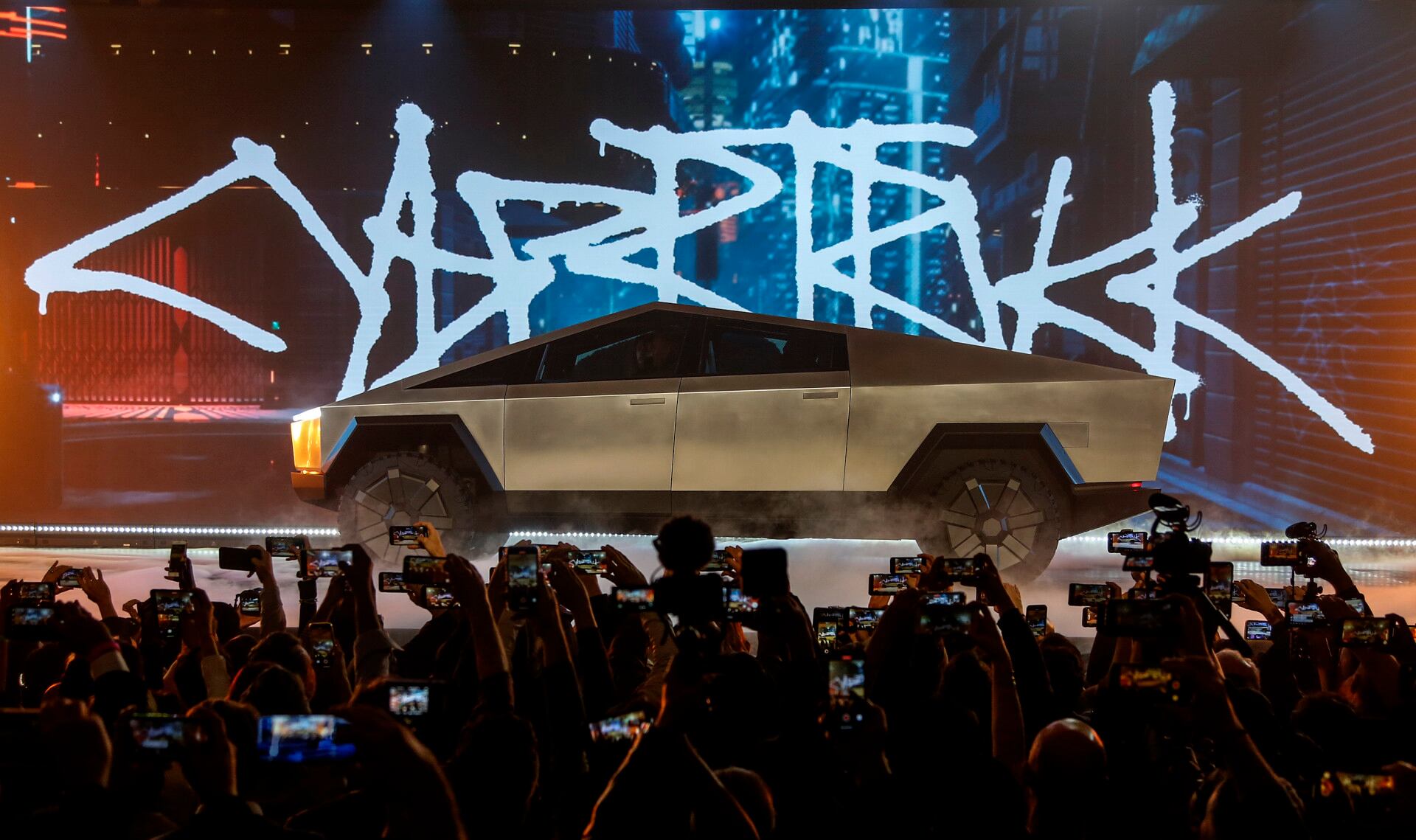
Fed Chair Jerome Powell weighed in on interest rates, some of Tesla's cybertrucks have been delivered, Apple and Paramount have reportedly discussed bundling their streaming services together and Panera Bread has reportedly filed to go public.
Build-A-Bear Workshop has been one of the most recognizable and beloved toy brands in the world since opening in 1997. Sharon Price John, CEO of Build-A-Bear Workshop, spoke with Cheddar News about its plans for the holiday season this year as well as the company's first animated feature film.
Stocks were generally flat after the opening bell on Friday ahead of Federal Reserve Chair Jerome Powell's comments in a speech at Spelman College later. Investors are growing optimistic that the central bank is done raising rates and may start cutting next year.
The network of nearly 4,800 fake accounts was attempting to build an audience when it was identified and eliminated by the tech company, which owns Facebook and Instagram.
Someone in China created thousands of fake social media accounts designed to appear to be from Americans and used them to spread polarizing political content in an apparent effort to divide the U.S. ahead of next year's elections, Meta said Thursday.