With Apple's Homepod finally on the market, the trifecta of voice assistants from Amazon, Google, and Apple is complete. However, with more devices on the market, there are higher chances hackers will find vulnerabilities and steal your information. Jason Glassberg, co-founder of Casaba Security and self-proclaimed "ethical hacker," joins Cheddar to discuss how to protect your device from hackers.
Glassberg says if a hacker can gain access to your smart speaker, he or she could order the doors to unlock, intimidate loved ones (especially children) with verbal threats via the speaker, or simply record everything you say. He suggests making sure you buy a brand new device (not a used one on the internet) so you can avoid past owners having access to your information.
Plus, which companies are more vulnerable to a hack? Glassberg says Sonos and Bose are the weakest links. Researchers have found simple internet searches turn up results on ways to hack smart devices.
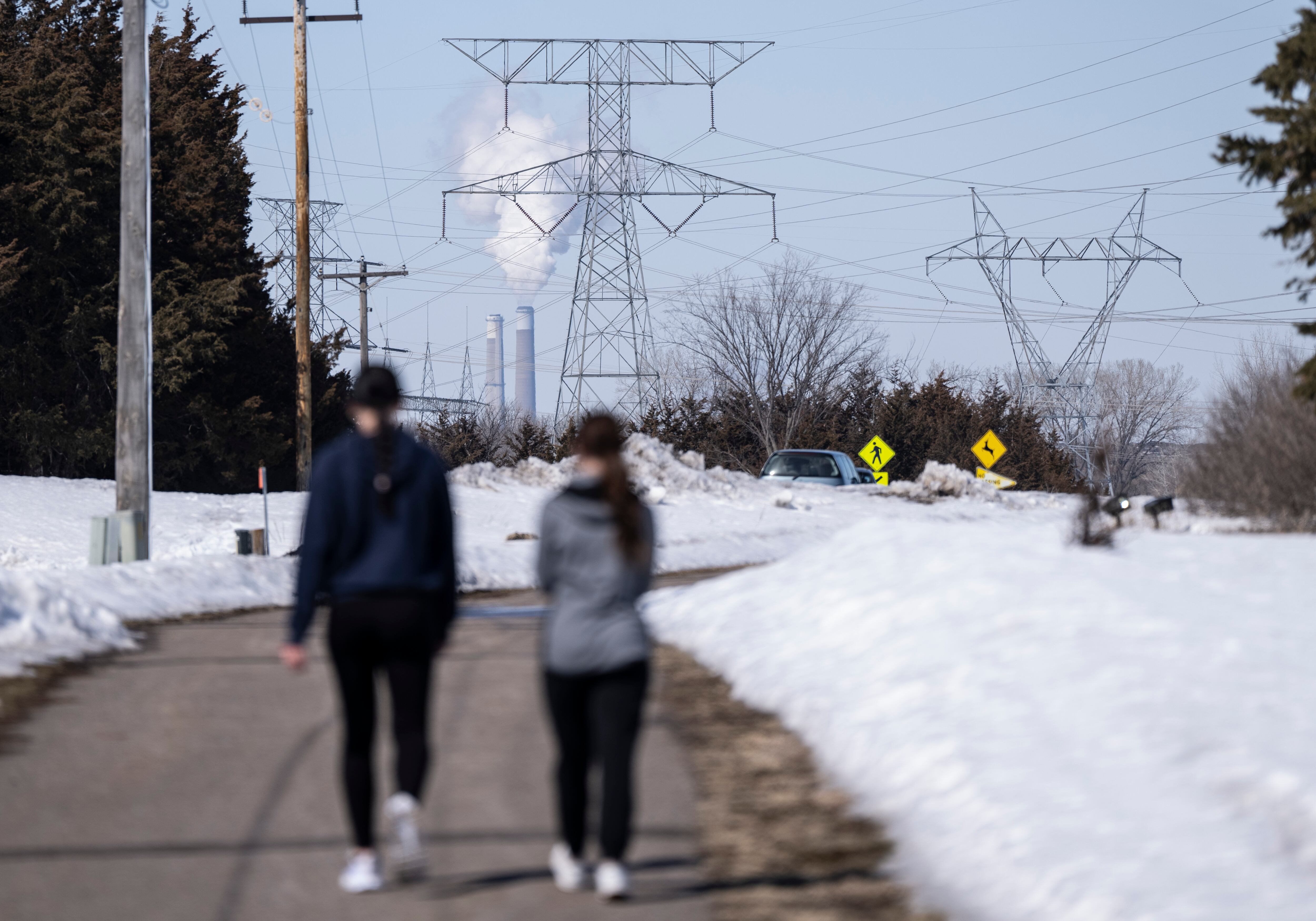
A Minnesota utility began shutting down a nuclear power plant near Minneapolis on Friday after discovering water containing a low level of radioactive material was leaking from a pipe for the second time. While the utility and health officials say it is not dangerous, the issue has prompted concerns among nearby residents and raised questions about aging pipelines.
Some parts of Twitter's source code — the fundamental computer code on which the social network runs — were leaked online, the social media company said in a legal filing that was first reported by The New York Times.
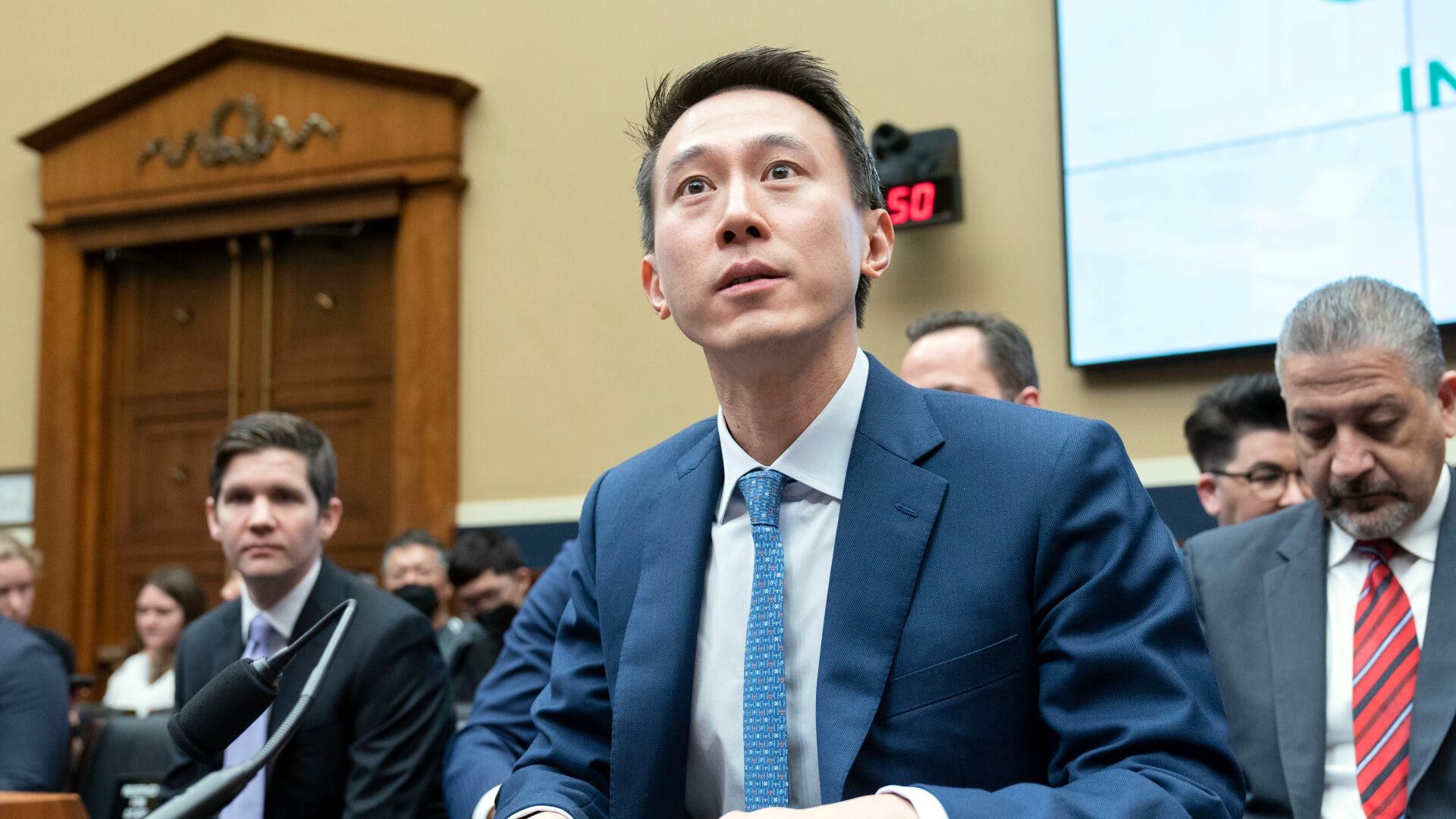
While data privacy still remains one of TikTok's biggest challenges, it may face a larger problem in order to stay in the United States: content moderation.
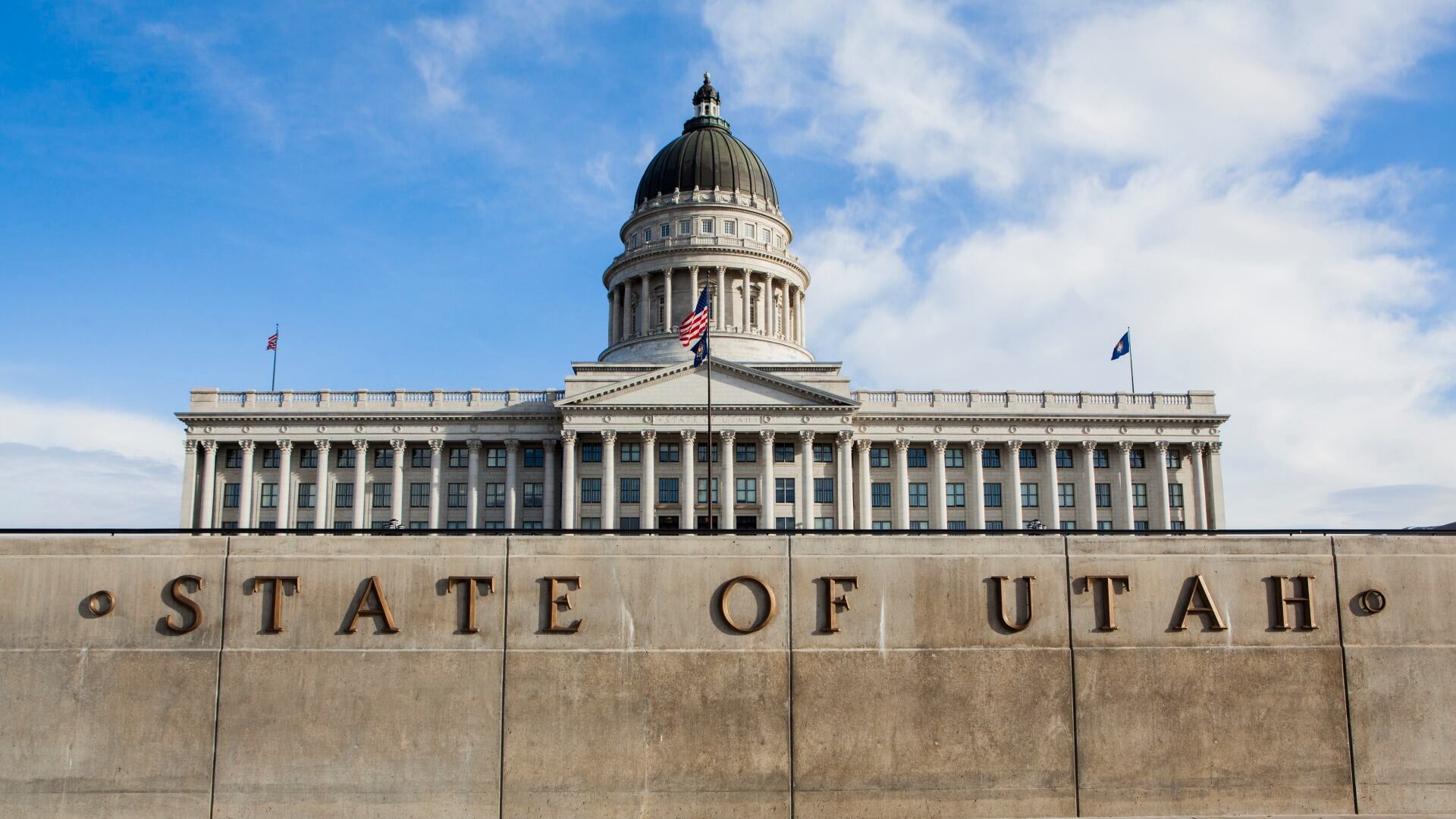
Governor Spencer Cox signed two measures restricting how easily children in the state can access platforms like TikTok and Twitter, setting the precedent in the U.S.