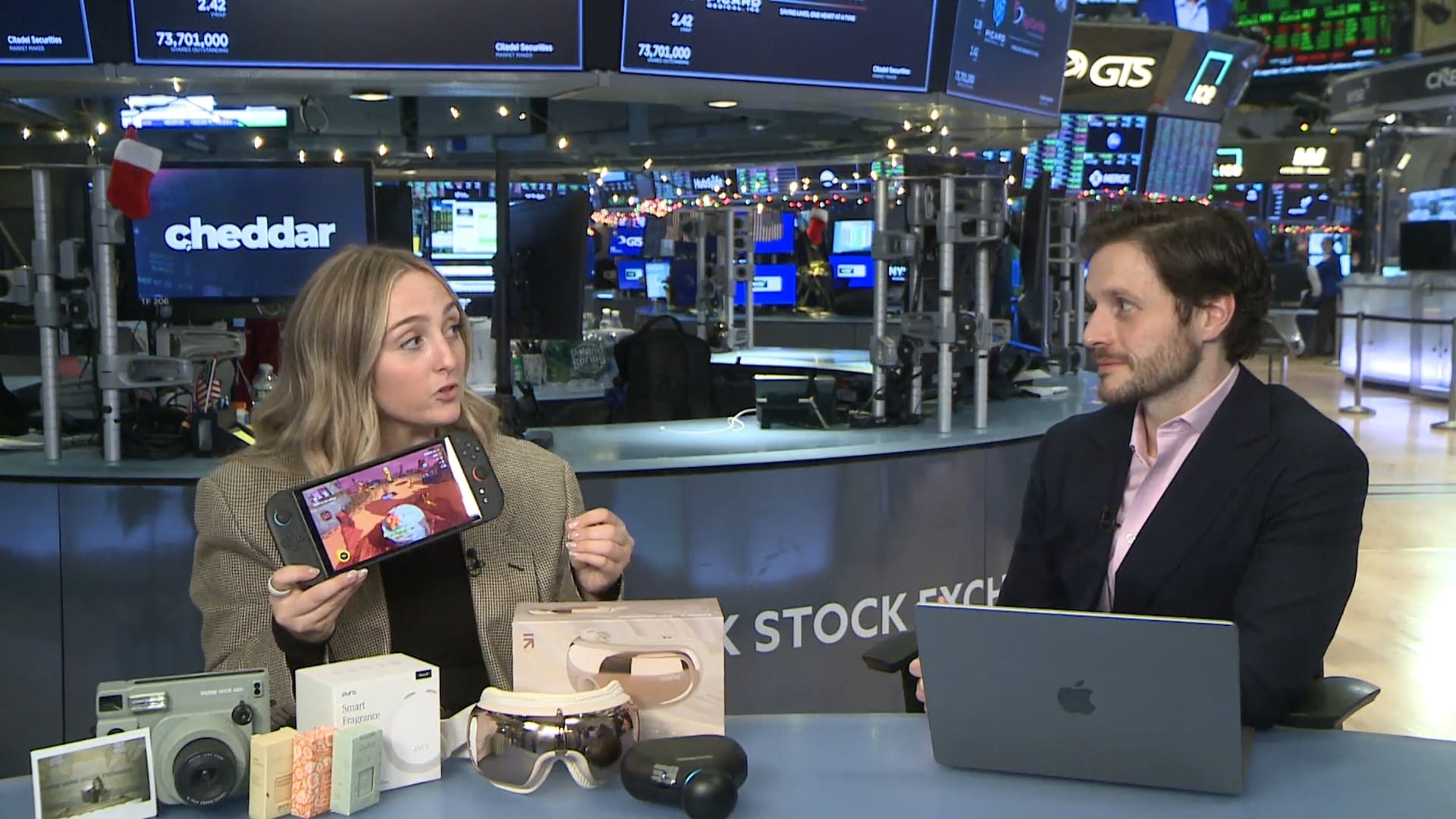
With Apple's Homepod finally on the market, the trifecta of voice assistants from Amazon, Google, and Apple is complete. However, with more devices on the market, there are higher chances hackers will find vulnerabilities and steal your information. Jason Glassberg, co-founder of Casaba Security and self-proclaimed "ethical hacker," joins Cheddar to discuss how to protect your device from hackers.
Glassberg says if a hacker can gain access to your smart speaker, he or she could order the doors to unlock, intimidate loved ones (especially children) with verbal threats via the speaker, or simply record everything you say. He suggests making sure you buy a brand new device (not a used one on the internet) so you can avoid past owners having access to your information.
Plus, which companies are more vulnerable to a hack? Glassberg says Sonos and Bose are the weakest links. Researchers have found simple internet searches turn up results on ways to hack smart devices.
The U.S. government is taking aim at what has been an indomitable empire: Google’s ubiquitous search engine that has become the internet’s main gateway.
Snapchat has announced new measures and policies like features including restrictions on friend suggestions and a new system to remove age-inappropriate content.
Google will soon require that political ads using artificial intelligence be accompanied by a prominent disclosure if imagery or sounds have been synthetically altered.
Most major car brands admit they may be selling your personal data — though they are vague on the buyers, and half say they would share it with the government or law enforcement without a court order.