Wal-Mart is raising minimum wage to $11 and dishing out a one-time bonus for employees, citing the Trump Tax Reform plan. Karen Short, Managing Director at Barclays, was with us to discuss the ramifications of the decision.
Short estimates that Wal-Mart could generate $4 billion in incremental free cash flow due to the tax reform, and adds that the wage hike is just of portion of the allocation. The analyst says that the "strong will get stronger" and other retailers will have to follow Wal-Mart's lead.
Tax reform narrows the advantage Amazon has over traditional retailers such as Wal-Mart, says Short. She says Wal-Mart has an advantage over Amazon because it is the largest grocer with low prices. Short also adds that the stigma surrounding Wal-Mart products has dissipated and is no longer a "turnoff" to millennials because the products have gotten better.
Big Business This Week is a guided tour through the biggest market stories of the week, from winning stocks to brutal dips to the facts and forecasts generating buzz on Wall Street.
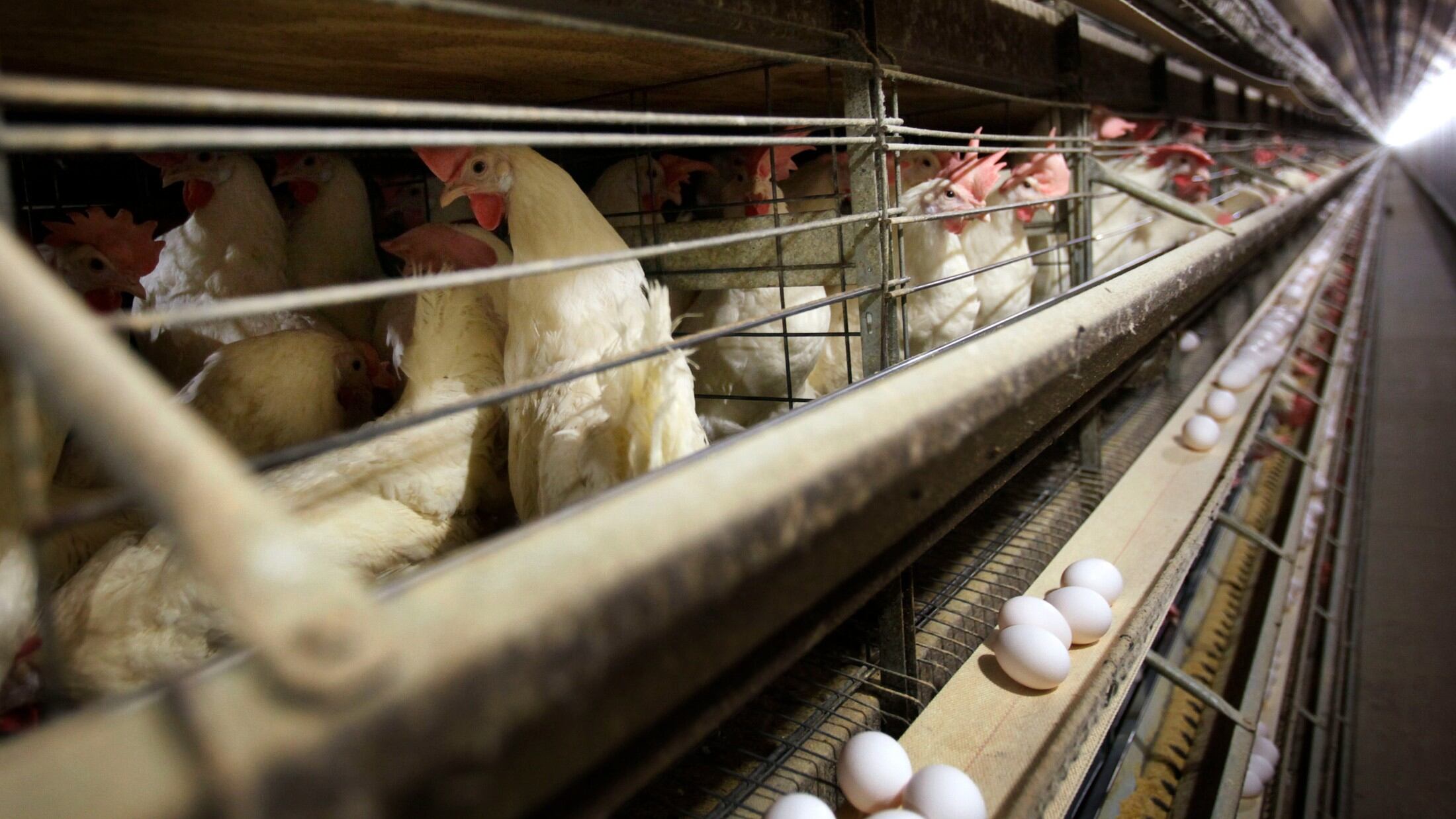
An Illinois jury ruled this week that several major egg producers conspired to limit the U.S.'s supply of eggs in order to raise prices in a case stemming from a federal lawsuit originally filed 12 years ago.
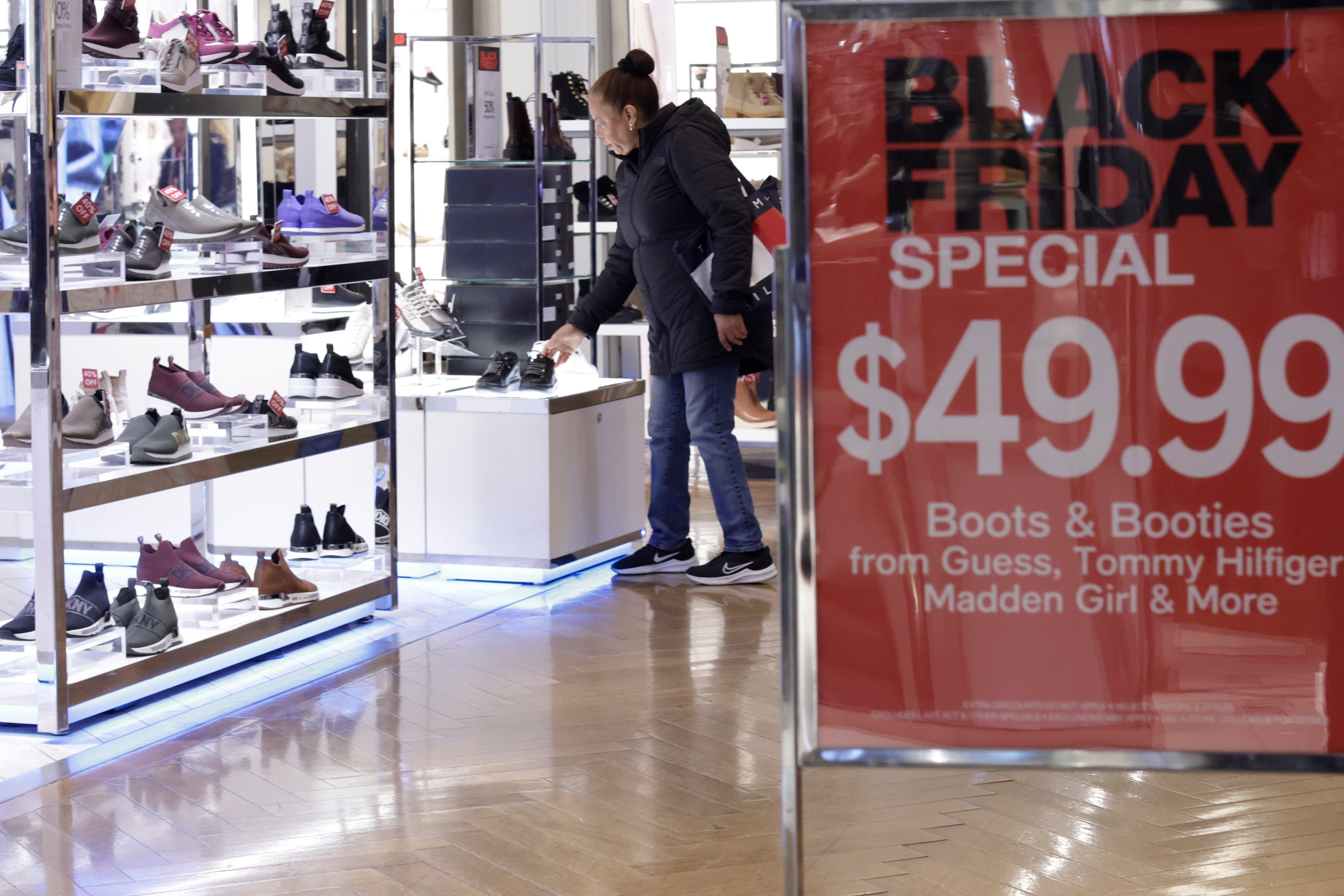
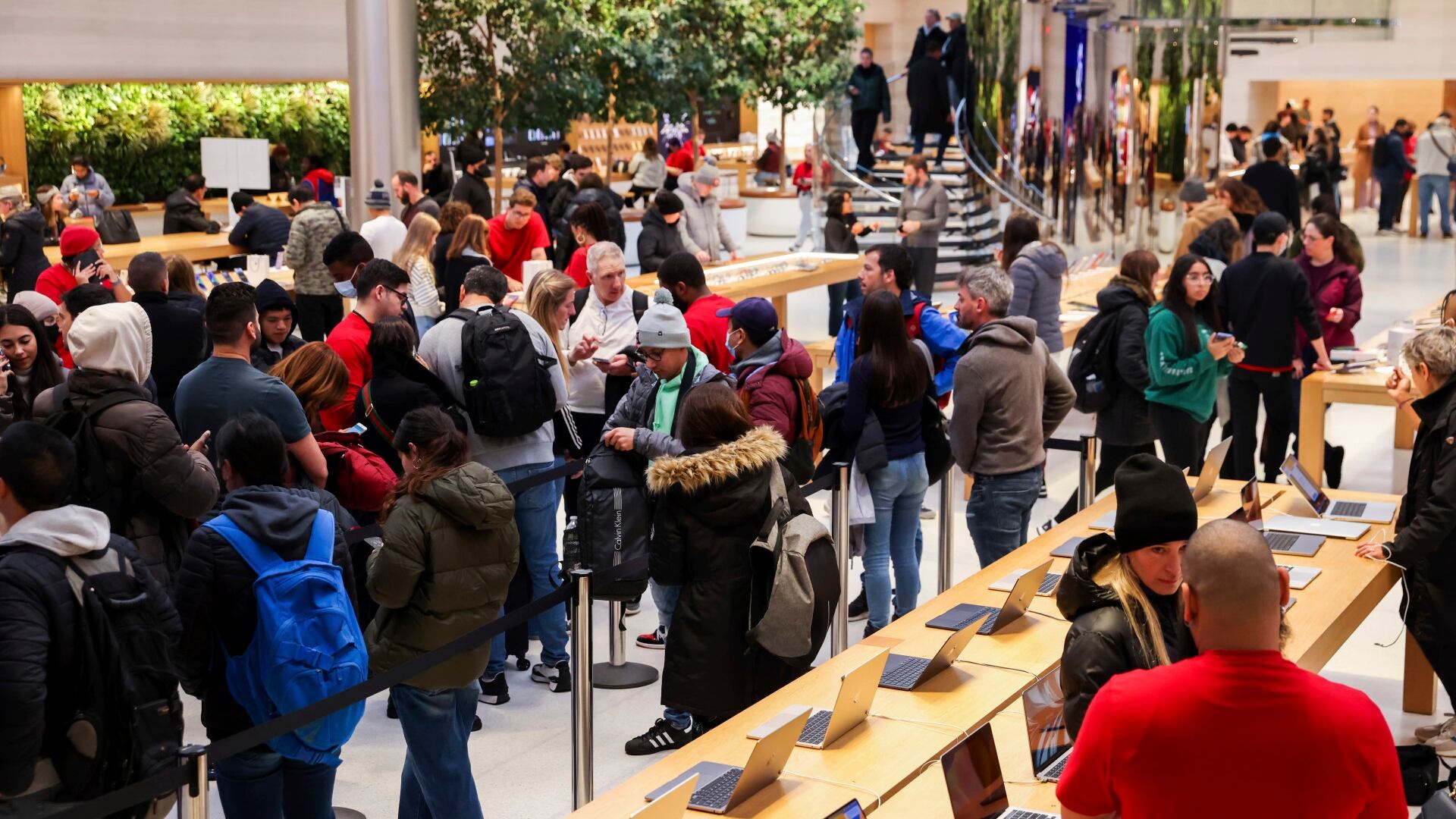
Consumers are expected to use “buy now, pay later” payment plans heavily this holiday season, a forecast that bodes well for retailers but that has credit experts again sounding alarm bells.