Wal-Mart is raising minimum wage to $11 and dishing out a one-time bonus for employees, citing the Trump Tax Reform plan. Karen Short, Managing Director at Barclays, was with us to discuss the ramifications of the decision.
Short estimates that Wal-Mart could generate $4 billion in incremental free cash flow due to the tax reform, and adds that the wage hike is just of portion of the allocation. The analyst says that the "strong will get stronger" and other retailers will have to follow Wal-Mart's lead.
Tax reform narrows the advantage Amazon has over traditional retailers such as Wal-Mart, says Short. She says Wal-Mart has an advantage over Amazon because it is the largest grocer with low prices. Short also adds that the stigma surrounding Wal-Mart products has dissipated and is no longer a "turnoff" to millennials because the products have gotten better.
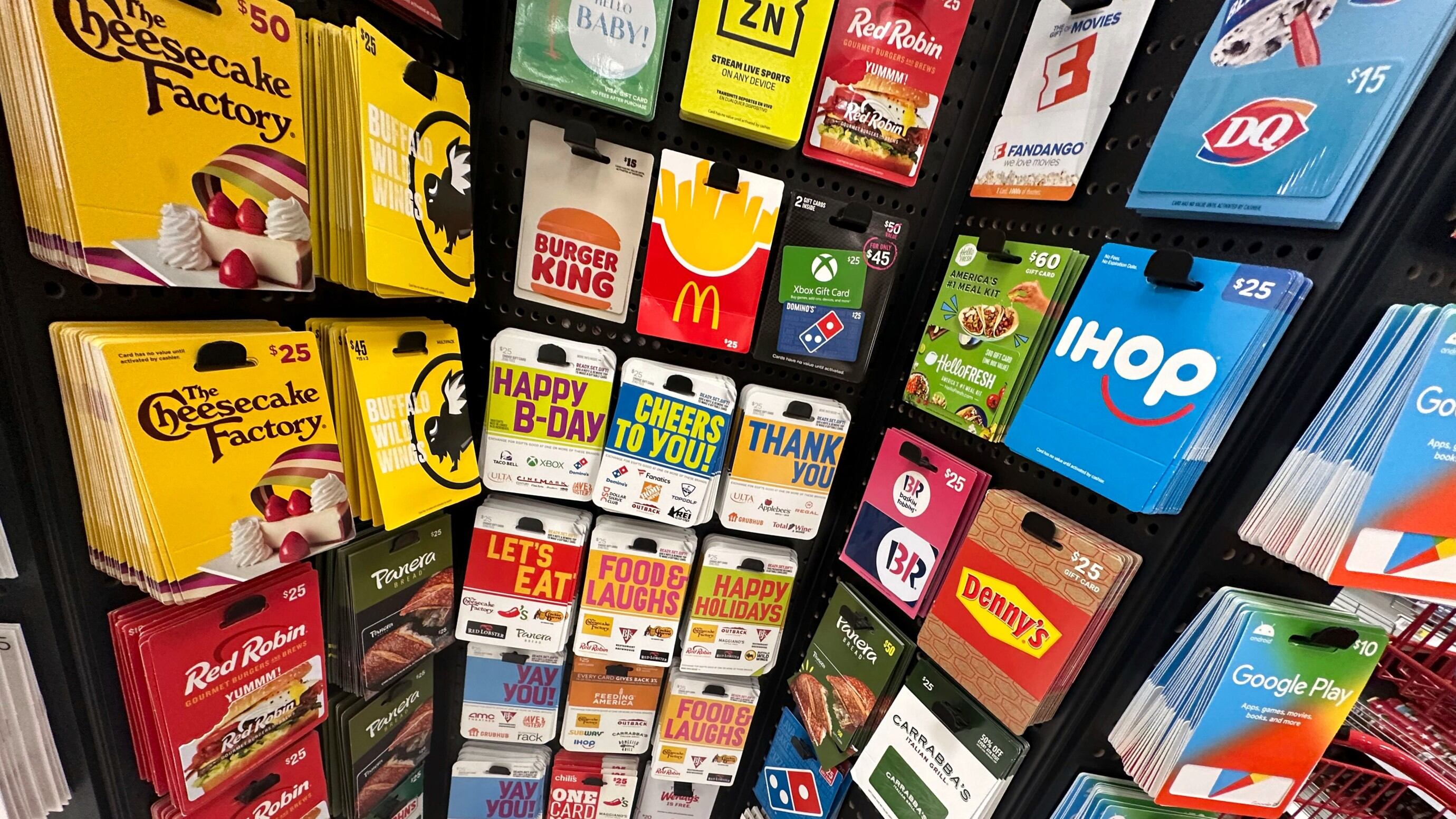
Gift cards make great stocking stuffers — just as long as you don't stuff them in a drawer and forget about them after the holidays.
Big Business This Week is a guided tour through the biggest market stories of the week, from winning stocks to brutal dips to the facts and forecasts generating buzz on Wall Street.
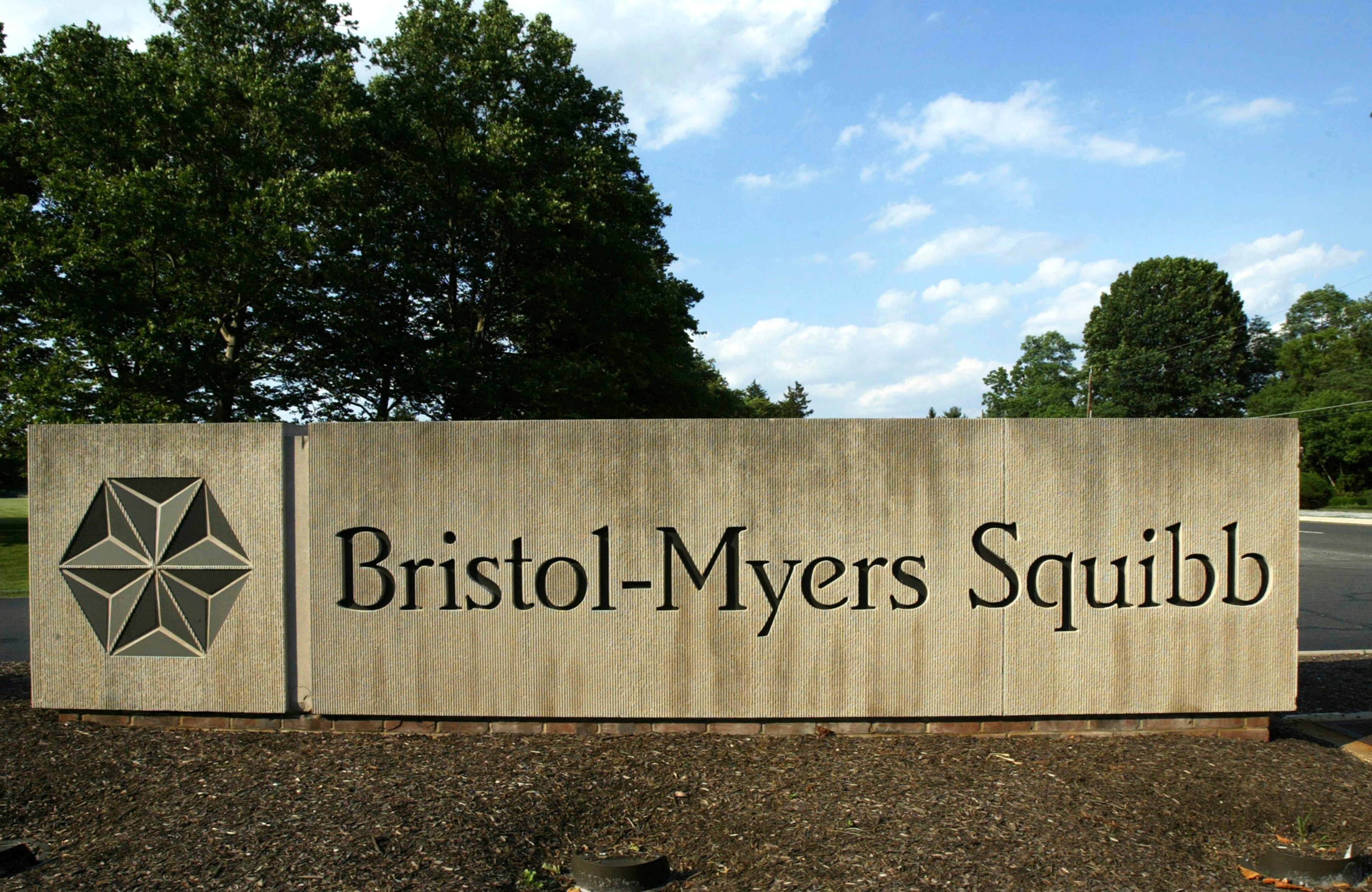
Bristol Myers Squibb agreed to buy schizophrenia drug maker Karuna Therapeutics in a $14 billion deal.
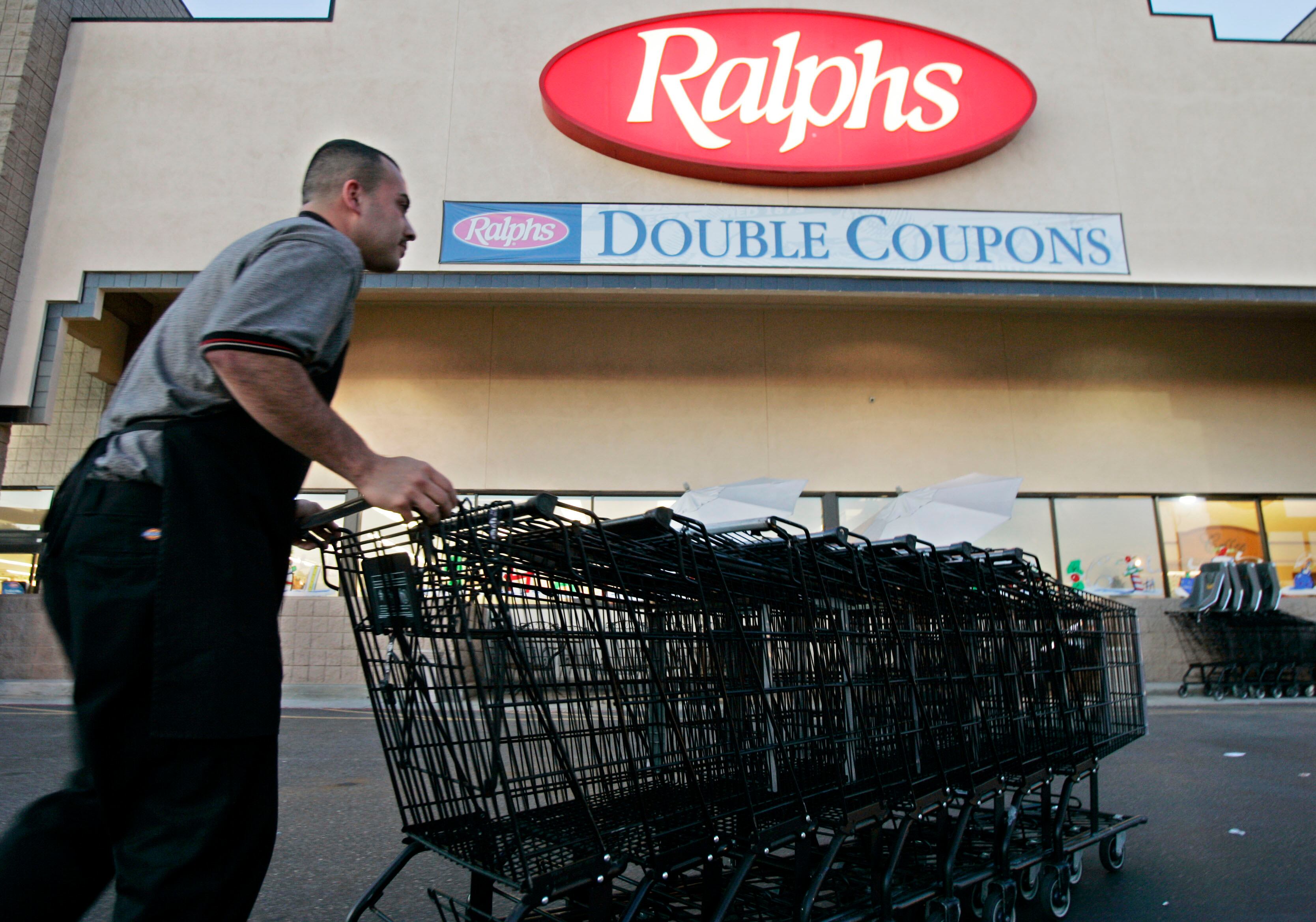
Supermarket chain Ralphs is facing a new lawsuit from the state of California.
Shake Shack is giving out free fried chicken sandwiches, bacon cheese fries and milkshakes nationwide.
The IRS is announcing a voluntary disclosure program.
Lionsgate announced its studio division is going to spin off in a merger with Screaming Eagle Acquisition Corp., which is a special purpose acquisition company.
A new report suggests that it's getting more difficult for an average American to afford a home.
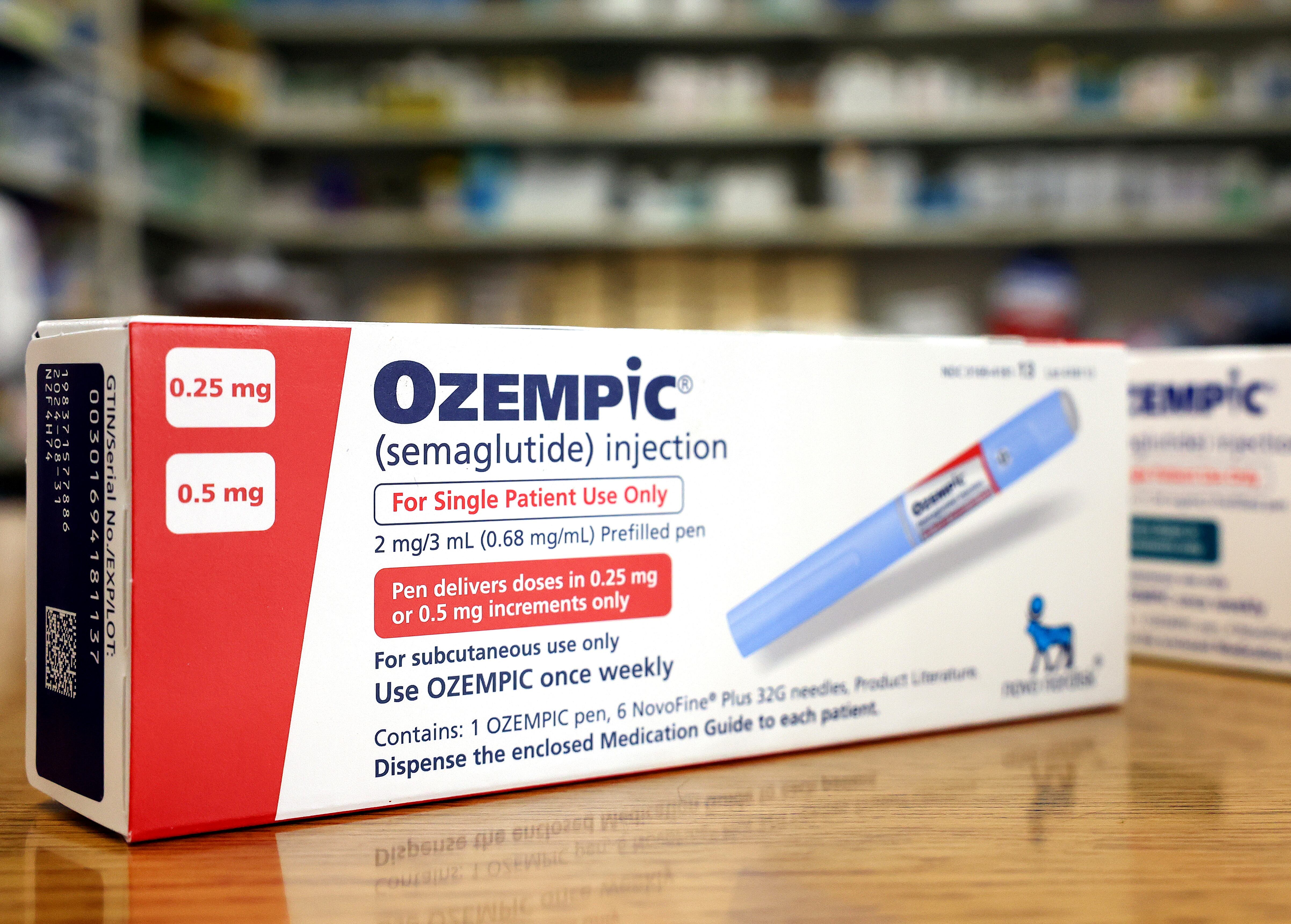
The Food and Drug Administration warned consumers about a copycat version of the diabetes drug Ozempic.
Tesla is reportedly moving forward with its plan to make energy shortage storage batteries in China.