Wal-Mart is raising minimum wage to $11 and dishing out a one-time bonus for employees, citing the Trump Tax Reform plan. Karen Short, Managing Director at Barclays, was with us to discuss the ramifications of the decision.
Short estimates that Wal-Mart could generate $4 billion in incremental free cash flow due to the tax reform, and adds that the wage hike is just of portion of the allocation. The analyst says that the "strong will get stronger" and other retailers will have to follow Wal-Mart's lead.
Tax reform narrows the advantage Amazon has over traditional retailers such as Wal-Mart, says Short. She says Wal-Mart has an advantage over Amazon because it is the largest grocer with low prices. Short also adds that the stigma surrounding Wal-Mart products has dissipated and is no longer a "turnoff" to millennials because the products have gotten better.
If you wince at the grocery store checkout, you’re not alone. Wall Street Journal reporter Jesse Newman breaks down why prices are so high – and not going down anytime soon.
An inflation gauge favored by the Federal Reserve increased in January, the latest sign that the slowdown in U.S. consumer price increases is occurring unevenly from month to month. (Getty Images)
Glen Smith, CIO at GDS Wealth Management, shares how investors can allocate their assets as the market broadens and why he’s eyeing June for the first potential rate cut.
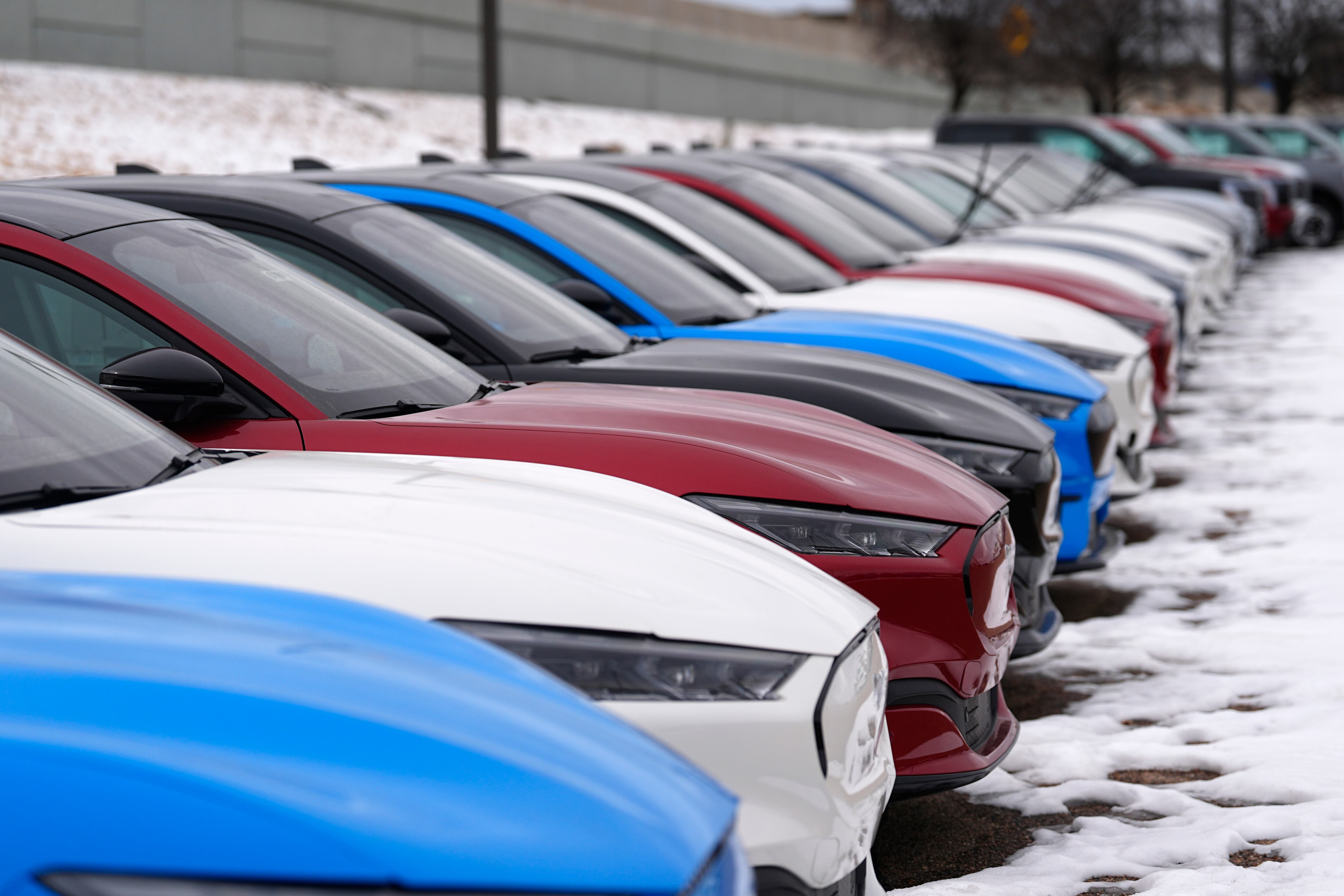
After years of price increases for cars and trucks in the United States, costs are slowing and in some cases falling, helping cool overall inflation and giving frustrated Americans more hope of finding an affordable vehicle.
Missed out on the Nvidia wave? Oh course you did — you’re reading this article aren’t you, instead of luxuriating on a white-sand beaches of Bali. But here are at least four other promising semiconductor stocks to add to your portfolio.
Fresh off a successful funding round, co-founder of Lapse Dan Silvertown shares thoughts on regulation, privacy, and why the money for great startups is still out there.