Wal-Mart is raising minimum wage to $11 and dishing out a one-time bonus for employees, citing the Trump Tax Reform plan. Karen Short, Managing Director at Barclays, was with us to discuss the ramifications of the decision.
Short estimates that Wal-Mart could generate $4 billion in incremental free cash flow due to the tax reform, and adds that the wage hike is just of portion of the allocation. The analyst says that the "strong will get stronger" and other retailers will have to follow Wal-Mart's lead.
Tax reform narrows the advantage Amazon has over traditional retailers such as Wal-Mart, says Short. She says Wal-Mart has an advantage over Amazon because it is the largest grocer with low prices. Short also adds that the stigma surrounding Wal-Mart products has dissipated and is no longer a "turnoff" to millennials because the products have gotten better.
Georgie Dickins, founder of Women in Leadership Global and author of ‘Leading with Impact,’ shares thoughts on women in business and how to cultivate a supportive community.
Gregory Daco, chief economist at EY and Jordan Shapiro, senior managing director at Bachrach Group, break down February’s jobs report and what it means for workers.
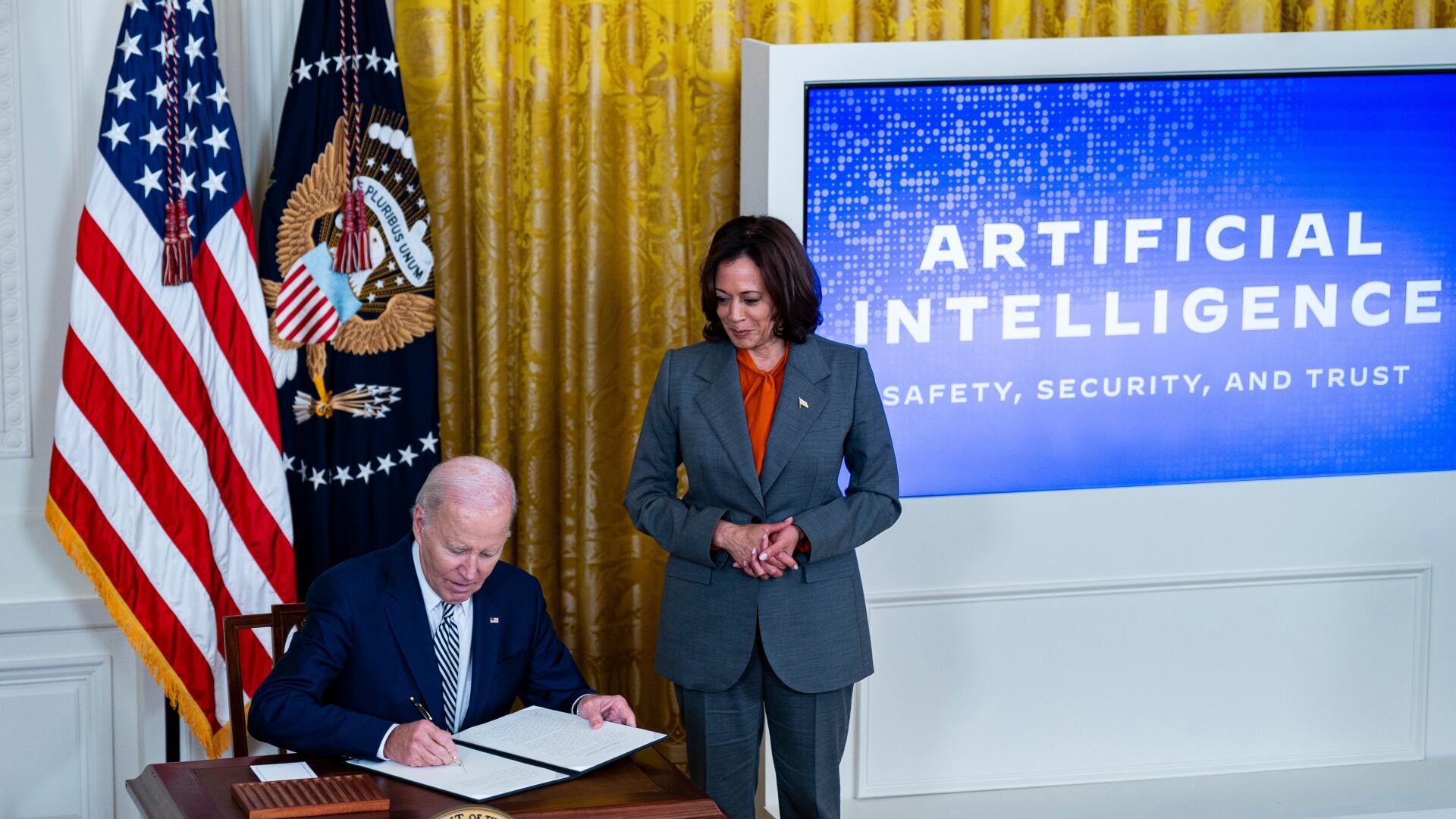
Linda Moore, president and CEO of Technet, explains why the U.S. should be a leader in A.I., plus why deepfakes and misinformation could be a concern during the election season.
Steve Preston, president and CEO of Goodwill Industries International, shares how the organization’s programs have helped over 2 million people develop their tech skills.
Box office analyst Shawn Robbins breaks down how the theater business is faring as two of 2023’s biggest movies are on their way to the Academy Awards.
Burns McKinney, portfolio manager at NFJ Investment Group, discusses how the Fed is balancing recession risks and interest rate cuts, plus whether the tech rally will broaden.
Nick Wolny, CNet editor, tells consumers about BNPL being added to credit reports – and why they may want to be more cautious about using it as an option.