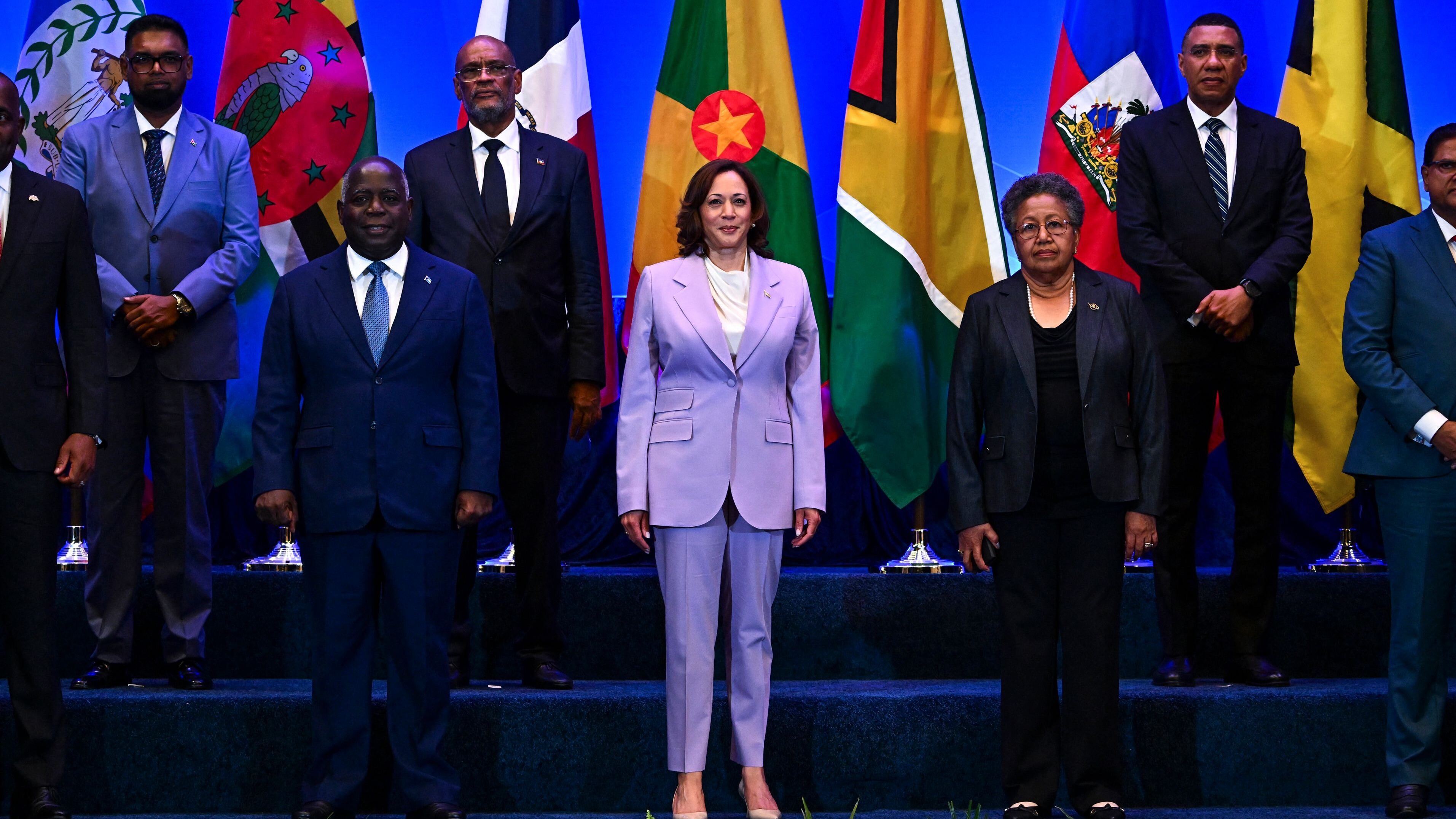
Prime Minister of The Bahamas Philip Davis (2nd L), US Vice President Kamala Harris (C), Secretary-General of the Caribbean Community (CARICOM) Carla N. Barnett (2nd R) pose for a family photo during the US-Caribbean Leaders Meeting in Nassau on June 8, 2023. (Photo by CHANDAN KHANNA/AFP via Getty Images)
By Dánica Coto
U.S. Vice President Kamala Harris announced Thursday that the U.S. is investing more than $100 million in the Caribbean region to crack down on weapons trafficking, help alleviate Haiti’s humanitarian crisis and support climate change initiatives.
The announcement was made ahead of an official trip to the Bahamas for a meeting of Caribbean and U.S. leaders hosted by Harris and Bahamian Prime Minister Philip Davis. Harris, who is the highest-ranking U.S. official to visit the Bahamas since it became independent 50 years ago, landed shortly after noon.
Dozens of greeters including school children and members of her sorority greeted Harris as the Royal Bahamas Police Force band dressed in black, red and white uniform played.
As part of the initiatives, the U.S. Justice Department expects to appoint a coordinator to oversee cases involving illegal weapons smuggling in the Caribbean as island nations report a rise in violent crimes. In addition, the State Department vowed to help improve forensic work in the region, help strengthen local police departments and support a unit based in Trinidad and Tobago aimed at helping islands solve gun-related cases and provide training for the collection and analysis of related intelligence.
The U.S., with help from the U.K., also will establish a program in the eastern Caribbean to mentor local judges and prosecutors in a bid to improve prosecutions of gun-related crimes as island nations struggle with a backlog of cases.
The State Department also expects to work with Haiti’s National Police, a severely underfunded and understaffed agency struggling to quell a surge in gang violence, to help investigate and prosecute crimes with U.S. ties that involve gangs, weapons smuggling and human trafficking.
That initiative is considered key given that gangs are estimated to control up to 80% of the Haitian capital of Port-au-Prince as killings and kidnappings soar across the metropolitan area and beyond.
U.S. senior administration officials said the worsening security situation requires an international response, and that the U.S. strongly supports the deployment of a multinational force to Haiti.
In October, Haitian Prime Minister Ariel Henry requested the immediate deployment of a foreign armed force, but the U.N. Security Council, along with the U.S. and Canada, have yet to respond. Henry, along with other leaders of Caribbean nations, is expected to attend Thursday's meeting with Harris.
U.S senior administration officials said discussion are ongoing, and that any decision about military force would be done in consultation with the U.N. and Haiti's government.
Harris announced that the U.S. Agency for International Development will invest nearly $54 million in Haiti to help fight a sharp rise in starvation and provide access to potable water and healthcare. Almost half of Haiti’s more than 11 million people are facing acute food insecurity, and 19,000 are in catastrophic famine conditions.
Another $10.5 million will go toward supporting Haiti’s agricultural sector as poverty deepens, with some 60% of the population earning less than $2 a day.
USAID also expects to invest $20 million to help Caribbean businesses that use technologies related to renewable energy and energy efficiency. Another nearly $15 million will be used to boost emergency response and preparedness across the region.
Additional funds will help low-lying island nations whose economies largely depend on tourism prepare and adapt to climate change.
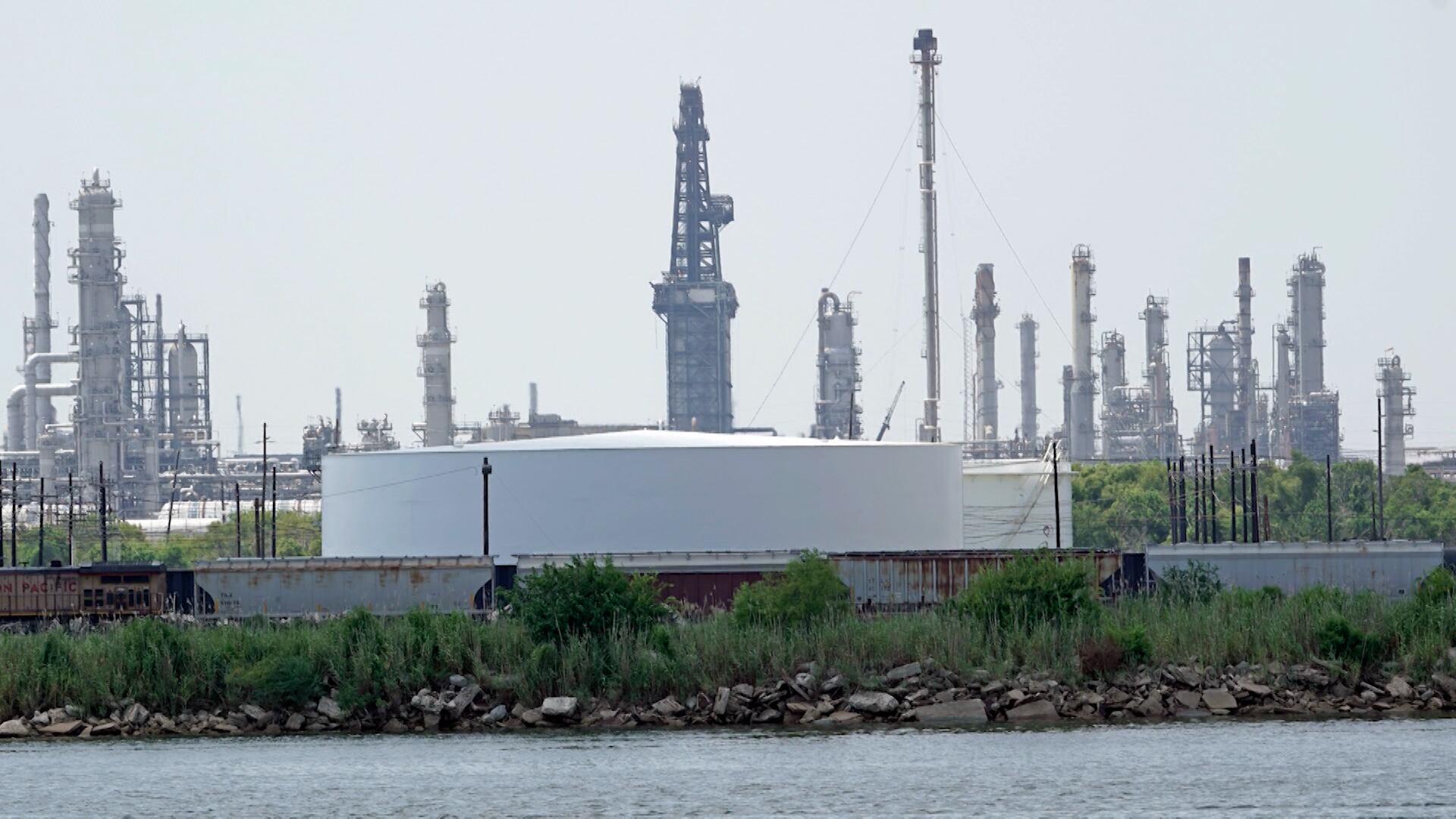
President Biden announced a ban on Russian oil and natural gas imports to the U.S. in response to its invasion of Ukraine, a move he warned could lead to an even greater surge in gas prices. The ban is prompting a conversation about the current oil production levels in the U.S. and whether or not the industry can ramp up production to soften the blow to American families at the gas pump. Clark Williams-Derry, Energy Finance Analyst with the Institute for Energy Economics and Financial Analysis, breaks down the state of the U.S. oil industry and how the ban might impact production levels here at home.
PepsiCo, Coca-Cola, McDonald’s, and Starbucks are the latest American food brands to have halted business operations in Russia after having faced scrutiny and criticism for originally failing to do so amid the country's invasion of Ukraine.
As Russia intensifies its war on Ukraine, President Biden announced a ban on oil imported from the aggressor nation. Critics of Russia have said this would be the best way to force Putin to pull back, but curbs on Russian oil exports are expected to send already skyrocketing oil and gas prices even higher, further impacting consumers, businesses, financial markets, and the global economy. Leslie Beyer, CEO of the Energy Workforce and Technology Council, joined Cheddar News' Closing Bell to discuss. "It's certainly going to increase pricing, but it is the right thing to do," she said. "The industry itself has already pulled out of the significant portion of its operations in Russia."
Sports Betting in the U.S. is booming. According to industry experts, we could see another boom this year as more states move towards statewide legalization of sports wagering. While this comes as huge news for fans, there are some very real concerns as to whether or not sports betting potentially poses a threat to public health. Senior Clinician at the Caron Treatment Centers, Eric Webber, joined Cheddar to discuss more.
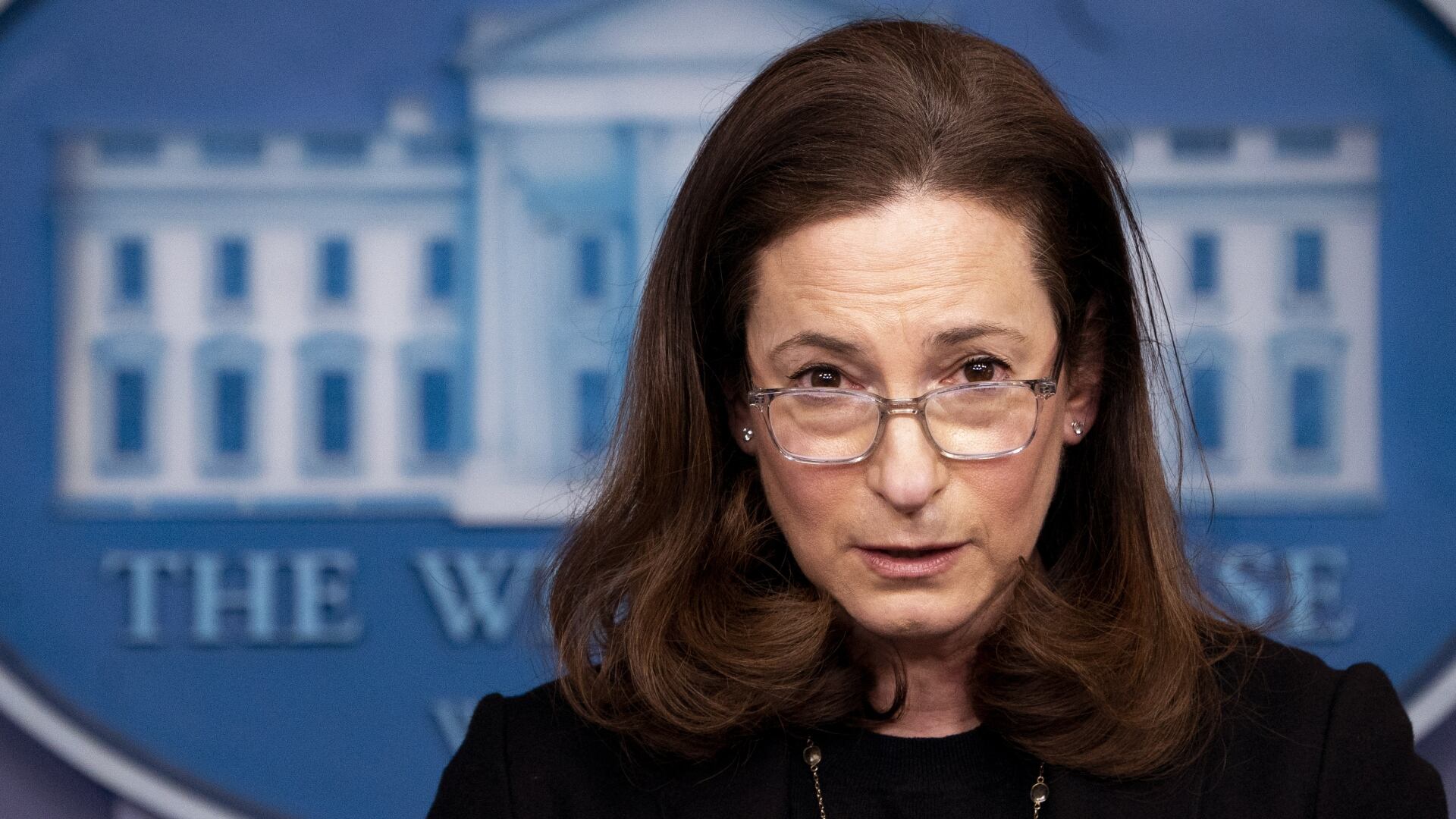
The Biden administration has made gender policy a core part of how it governs. The president established the first Gender Policy Council. It's on the same level as the National Security Council, Domestic Policy Council and National Economic Council, putting the interests of women and other underserved groups at the table for the most important policy discussions.
Cheddar News sat down with Jennifer Klein, executive director and co-chair of the White House Gender Policy Council, to discuss the council's work and its significance during Women's History Month.
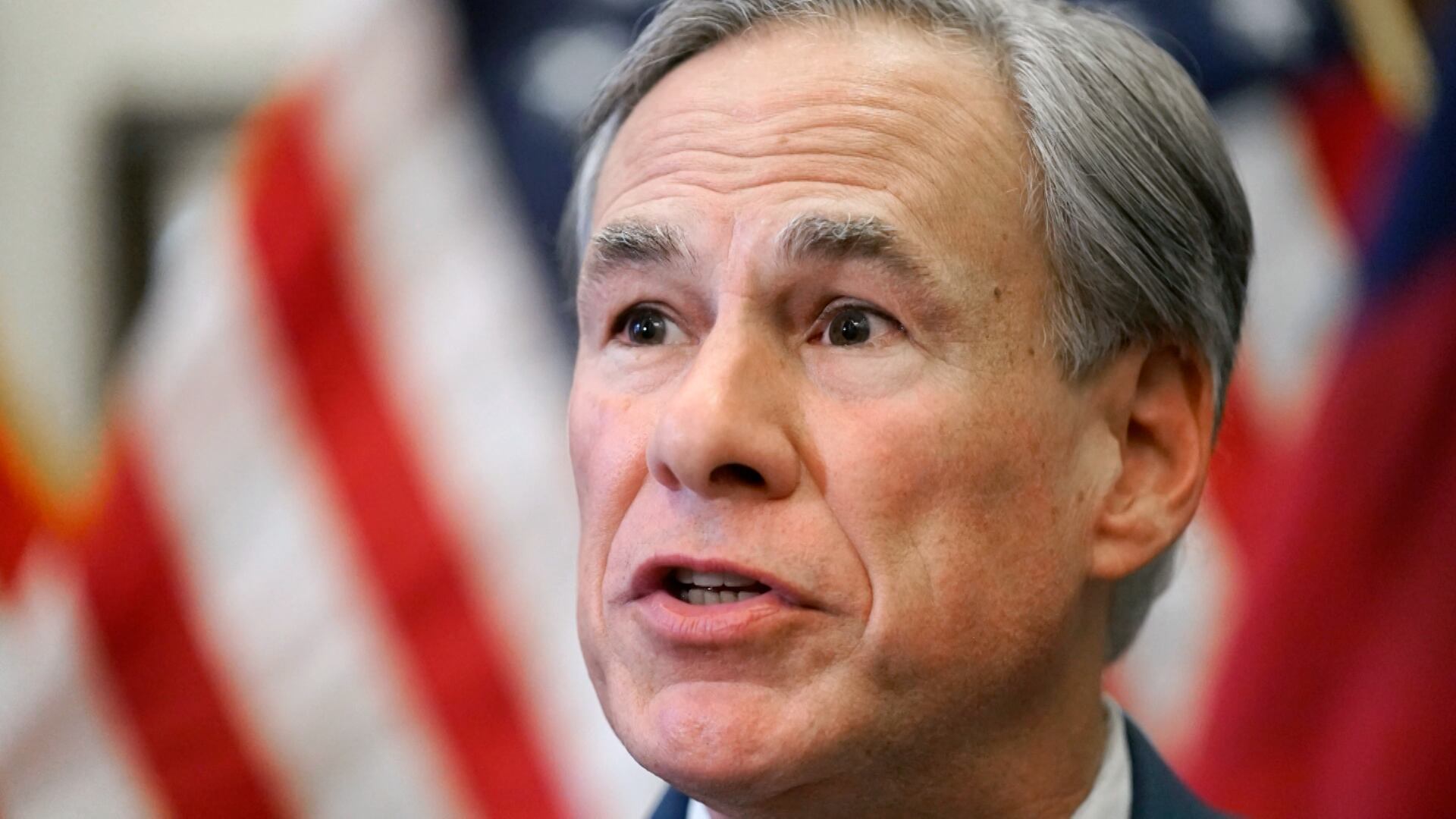
State Representative Jessica González, Vice Chair of the Texas House LGBTQ Caucus, joins Cheddar News to discuss the latest Texas anti-transgender directive.
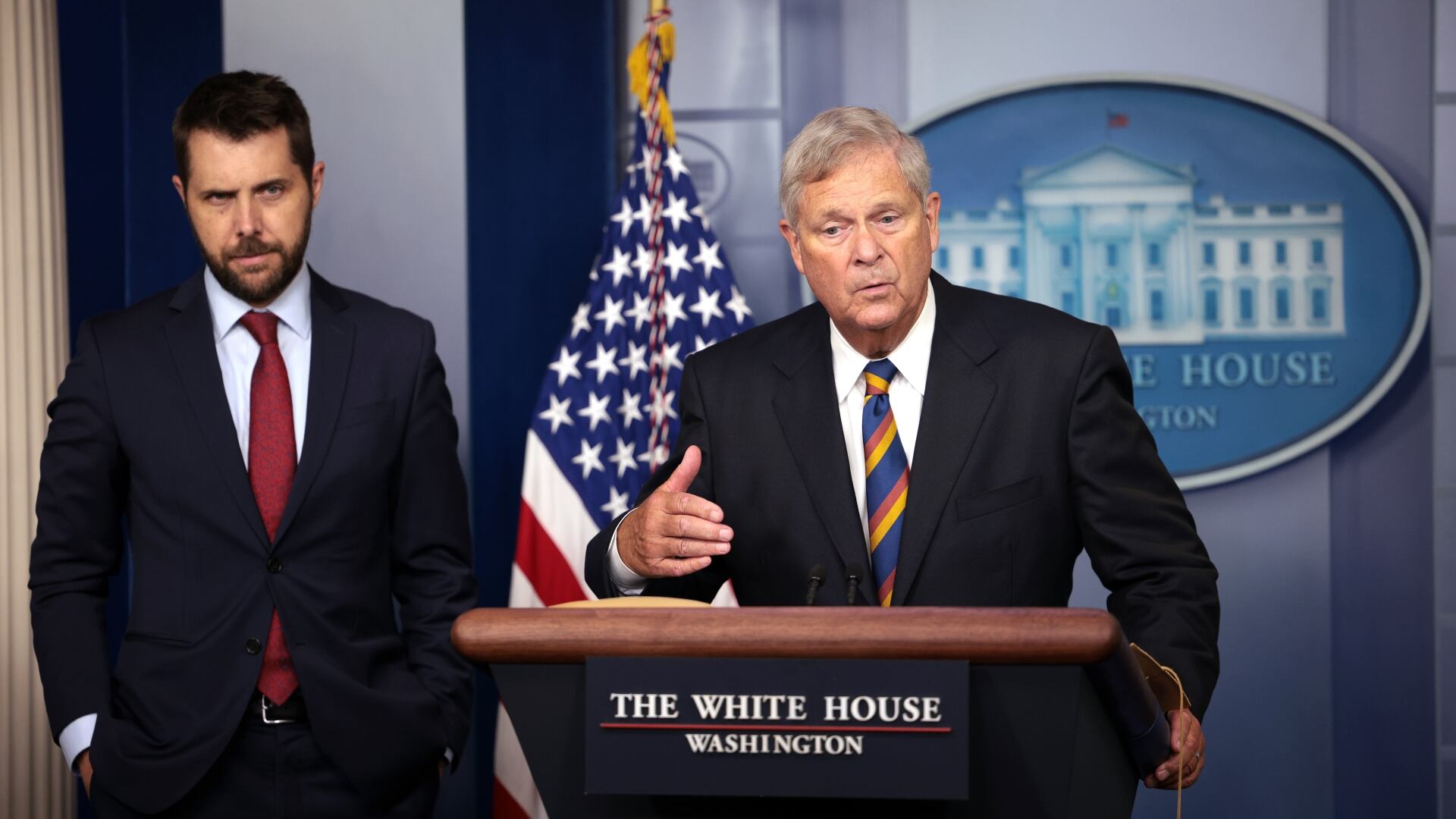
The United States Secretary of Agriculture, Tom Vilsack joins None of the Above to discuss the newly emerging conflict in Europe, what it means for agriculture in the states, dairy and meat consumption, and how the department is planning to promote climate-smart agriculture.
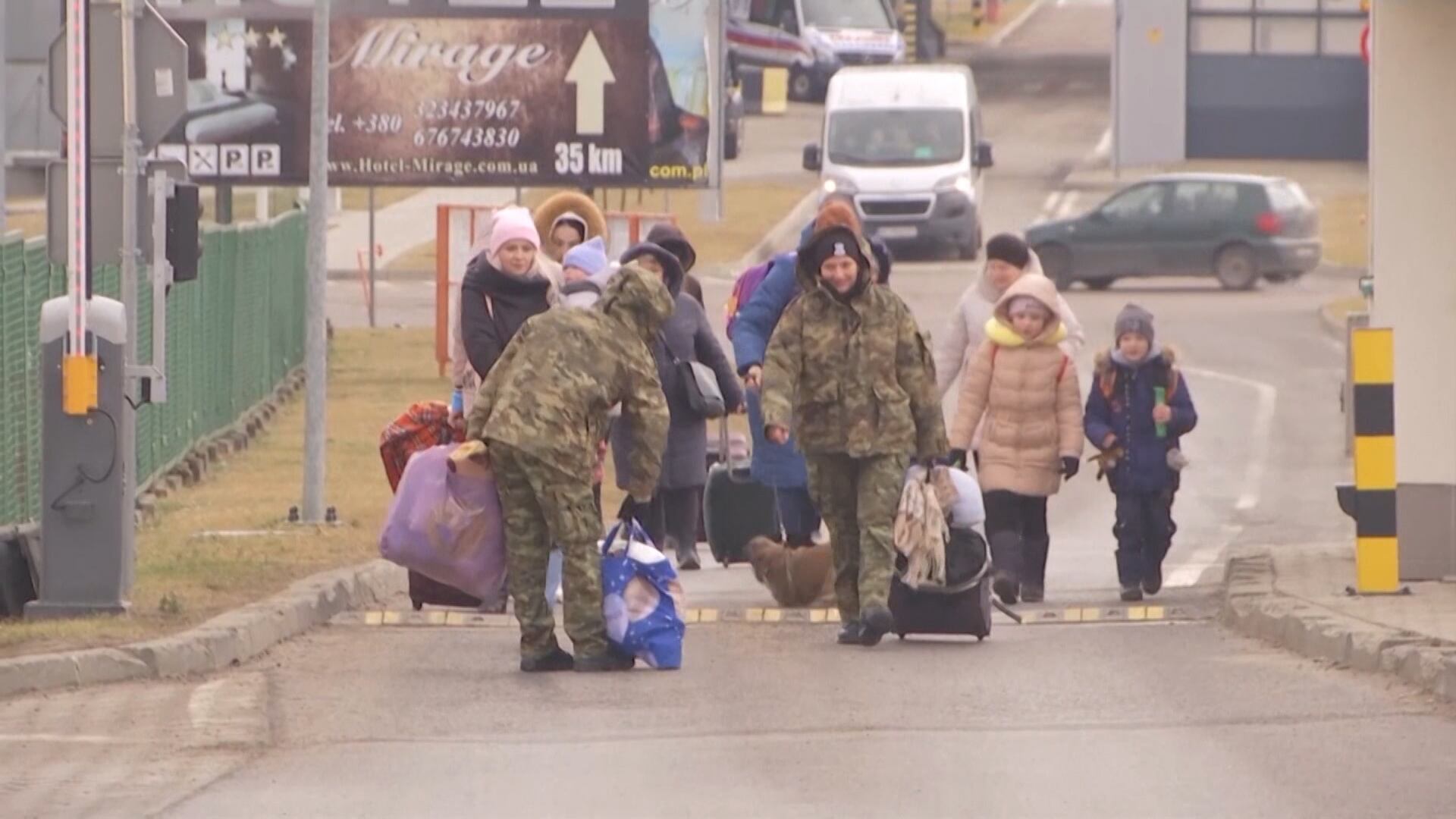
Tens of thousands of people have fled Ukraine in attempts to escape the Russian Invasion. According to the U.N. neighboring countries like Poland, Hungary, and even Romania have seen half a million refugees. While the hospitality is being welcomed by many, it also highlights the mistreatment of migrants and refugees from the Middle East and Africa. Professor of Philosophy and Director of Politics at Northeastern University Serena Parekh, joined Cheddar, to discuss more.
As Russia unleashed war in the country of Ukraine, global leaders have started inflicting punishment on Vladimir Putin's regime via commercial and financial penalties. According to President Joe Biden Putin's aggression is "a flagrant violation of international law and it demands a firm response from the international community".However, the main question is will these sanctions actually work. Partner at Jenner & Block LLP, Rachel Alpert, joined Cheddar to discuss more.