Visa Inc. said its adjusted third-quarter profits rose by nearly double digits, as the global payments company continues to benefit from the broad shift by consumers to using credit and debit cards instead of cash.
The company said Tuesday that it earned a profit of $4.2 billion, or $2 a share, in its fiscal third quarter compared with a profit of $3.4 billion, or $1.60 a share, in the same period a year earlier. Last year's results included a $456 million legal expense. Excluding that one-time cost, Visa's adjusted profits rose 7% from a year earlier.
Visa said its payments volume rose 9% from a year earlier, while the number of processed transactions on Visa's network increased 10% from a year earlier. Visa gets a fee from merchants and businesses who use its payment network to process transactions, so Visa's profits rise and fall with the global economy as well as customers choosing to use a Visa debit or credit card over its competition or cash.
Roughly $3.799 trillion was processed on Visa's network last quarter, with the biggest growth coming from Central and Eastern Europe, the Middle East and Latin America. In the U.S., which accounts for roughly half of Visa's global payments volume, the number of payments rose 4.9%.
Alexander Reed, CFA and CIO for Envisage Wealth, breaks down why he thinks rates could stay higher for longer and why real estate, utilities, and regional banks are sectors to avoid.
Big brands that have relied on TikTok videos to reach younger consumers do not appear to be panicking as they wait to see what happens. But they have started planning.
It's been 15 years since the last fatal crash of a U.S. airliner, but you wouldn't know that from a torrent of flight problems that made news in the last three months.
Abortion opponents want the high court to ratify a ruling from a conservative federal appeals court that would limit access to a medication called mifepristone, which was used in nearly two-thirds of abortions last year.
Annie Chechitelli, chief product officer at Turnitin, breaks down how students and teachers alike can learn from artificial intelligence – while still maintaining academic integrity.
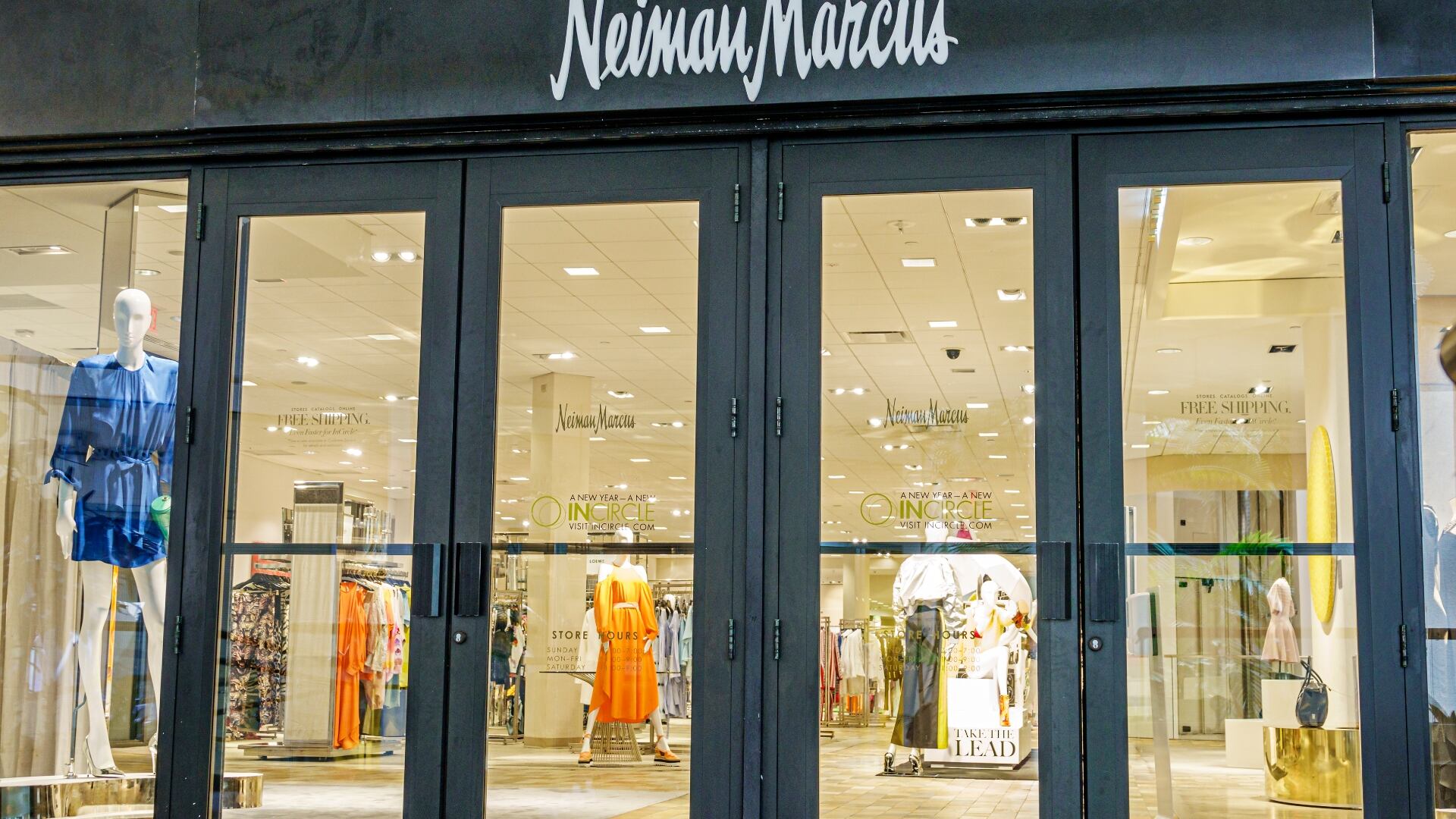
Neiman Marcus Group CEO Geoffroy van Raemdonck talks luxury shopping and TikTok, why the company prefers to be private for now, and the benefits of flexible work arrangements.
Rebecca Walser, founder and CEO of Walser Wealth Management, discusses how geopolitical conditions, the bifurcated economy, and other volatility could weigh on markets.