Virgin Galactic Launches First Commercial Flight to Space
A team of Italian researchers reached the edge of space Thursday morning, flying aboard Virgin Galactic’s rocket-powered plane as the company prepares for monthly commercial flights.
The flight launched from Spaceport America in the New Mexico desert, with two Italian Air Force officers and an engineer with the National Research Council of Italy focusing on a series of microgravity experiments during their few minutes of weightless.
One wore a special suit that measured biometric data and physiological responses while another conducted tests using sensors to track heart rate, brain function and other metrics while in microgravity. The third studied how certain liquids and solids mix in that very weak gravity.
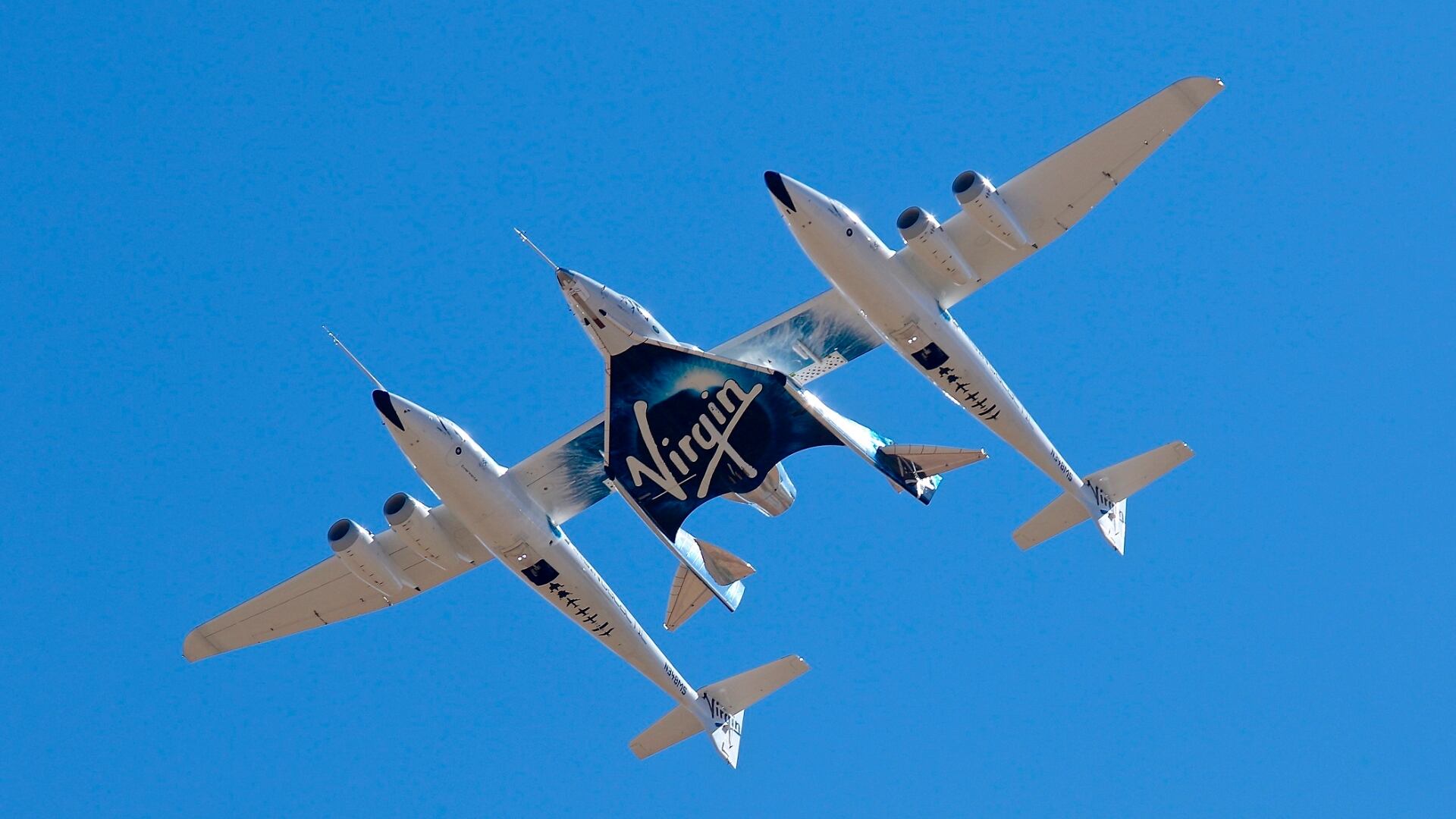
Virgin Galactic livestreamed the flight on its website, showing the moment when the ship released from its carrier plane and the rocket was ignited. The entire trip took about 90 minutes, with the plane's touchdown on the runway prompting cheers and claps by Virgin Galactic staff.
With the ship’s copilots, it marked the most Italians in space at the same time. Col. Walter Villadei, a space engineer with the Italian Air Force, celebrated by unfolding an Italian flag while weightless.
Next up for Virgin Galactic will be the first of hundreds of ticket holders, many who have been waiting years for their chance at weightlessness and to see the curvature of the Earth. Those commercial flights are expected to begin in August and will be scheduled monthly, the space tourism company said.
Virgin Galactic has been working for years to send paying passengers on short space trips and in 2021 finally won the federal government’s approval. The company completed its final test fight in May.
The Italian research flight was initially scheduled for the fall of 2021 but Virgin Galactic at the time said it was forced to push back its timeline due to a potential defect in a component used in its flight control system. Then the company spent months upgrading its rocket ship before resuming testing in early 2023.
After reaching an altitude of nearly 50,000 feet (15,000 meters), Virgin Galactic’s space plane is released from a carrier aircraft and drops for a moment before igniting its rocket motor. The rocket shuts off once it reaches space, leaving passengers weight before the ship then glides back to the runway at Spaceport America.
Virgin Galactic has sold about 800 tickets over the past decade, with the initial batch going for $200,000 each. Tickets now cost $450,000 per person.
The company said early fliers have already received their seat assignments.
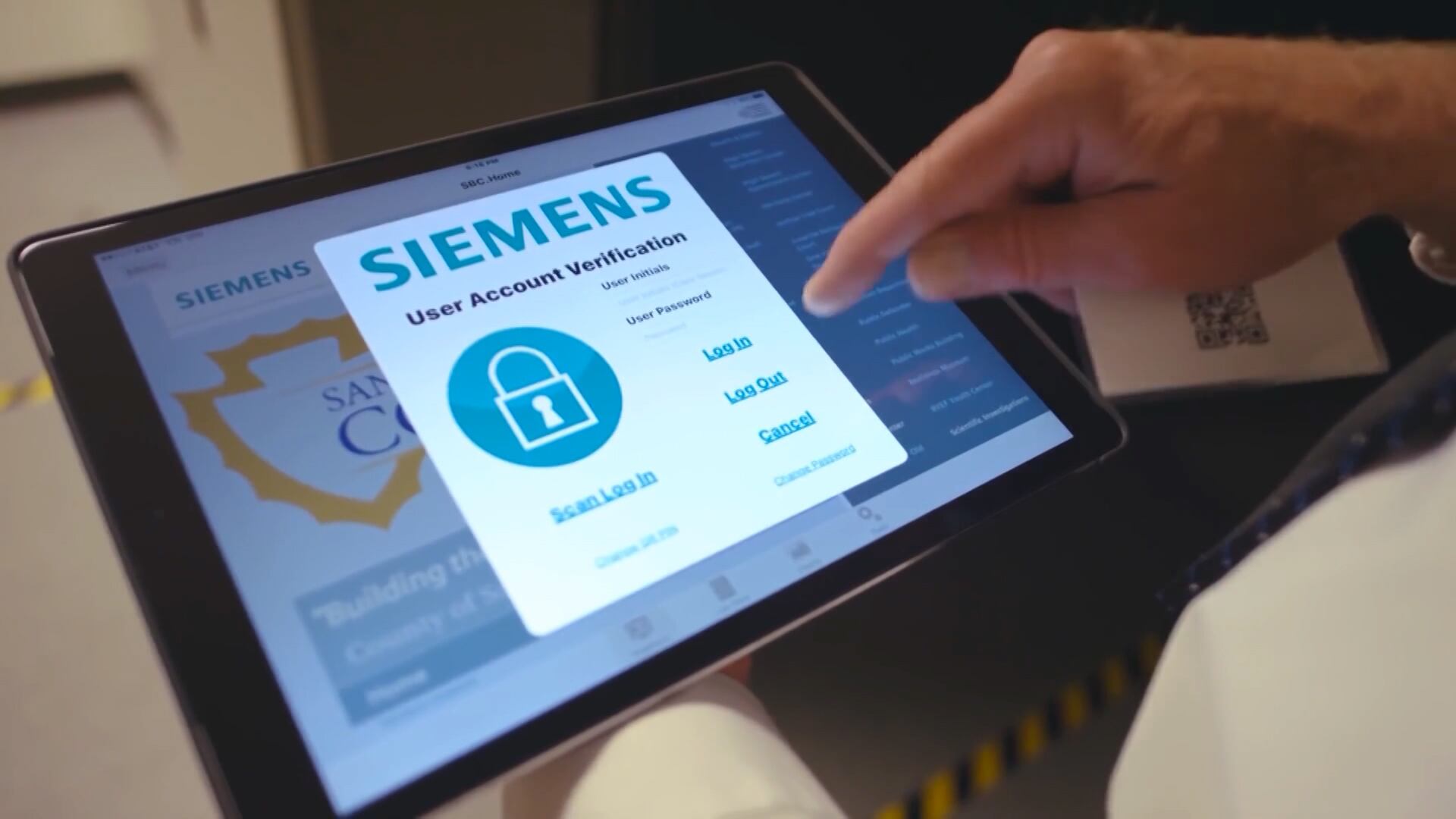
The United Nations COP26 climate talks are scheduled for October 31 to November 12 in Glasgow, Scotland. Heads of state will be joined by private sector leaders to once again discuss the shrinking window of time left to take action against global temperature rise. Barbara Humpton, CEO of focused technology company Siemens U.S., is also attending and spoke to Cheddar about what she hopes to see during the conference for both the public and private spheres. "What we are really urging is that there are large commitments made in Glasgow and that we really commit to this next decade of action," she said.
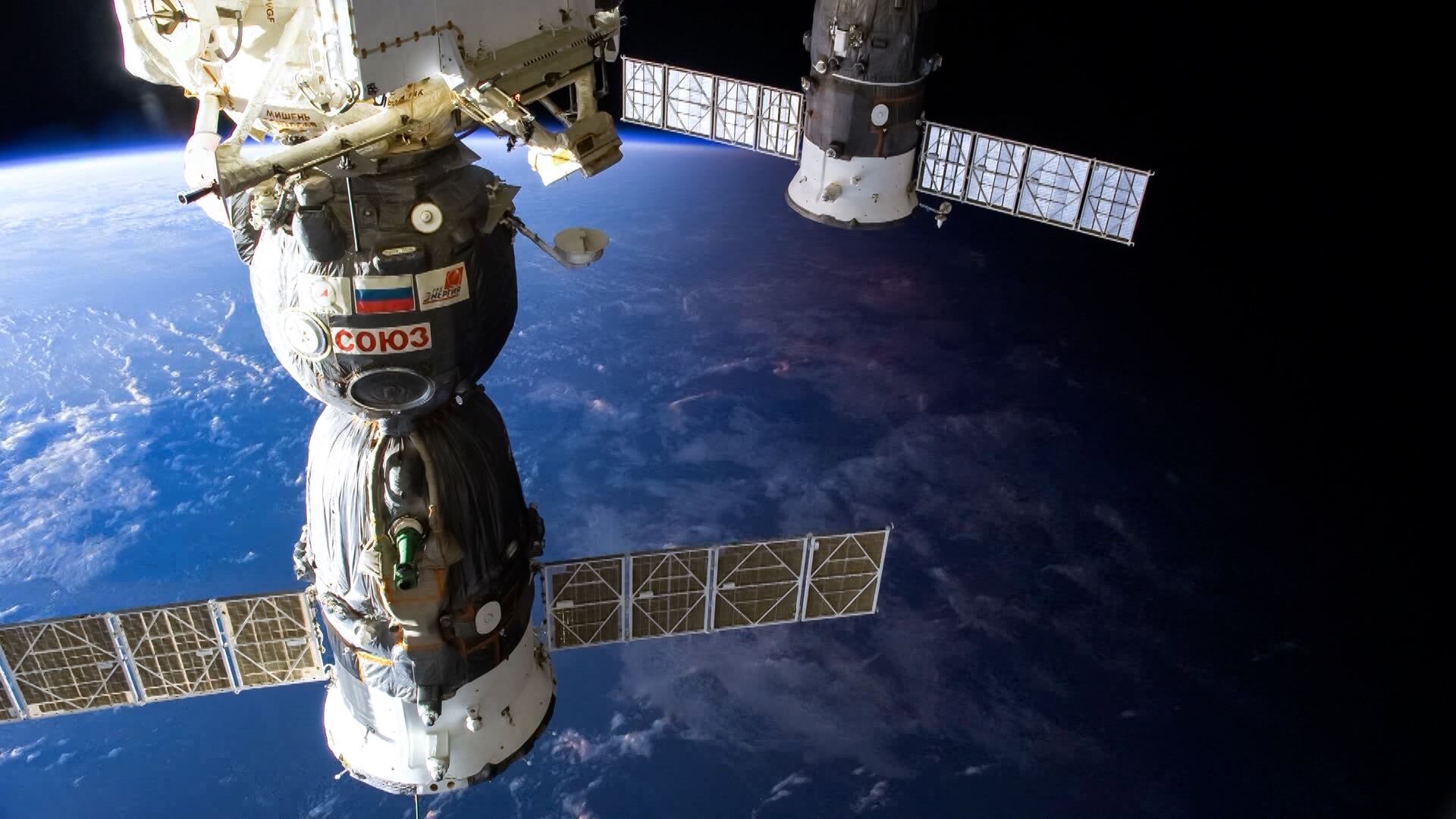
Voyager, Nanoracks, and Lockheed Martin are all teaming up to develop the first-ever free-flying commercial space station with room for a crew of four astronauts. The private companies are joining forces as part of NASA’s greater mission to retire the International Space Station by the year 2030. The low-earth orbit space station will be called "Starlab," and is planned to achieve operational capability by 2027. Lisa Callahan, Vice President and General Manager of Commercial Civil Space at Lockheed Martin, and Matthew J. Kuta, President and Chief Operating Officer of Voyager Space, joined Cheddar’s Opening Bell.
Jill and Carlo cover the latest developments in the Alec Baldwin prop gun shooting, when vaccines for kids as young as 5 should be approved, new reporting on Facebook and more.
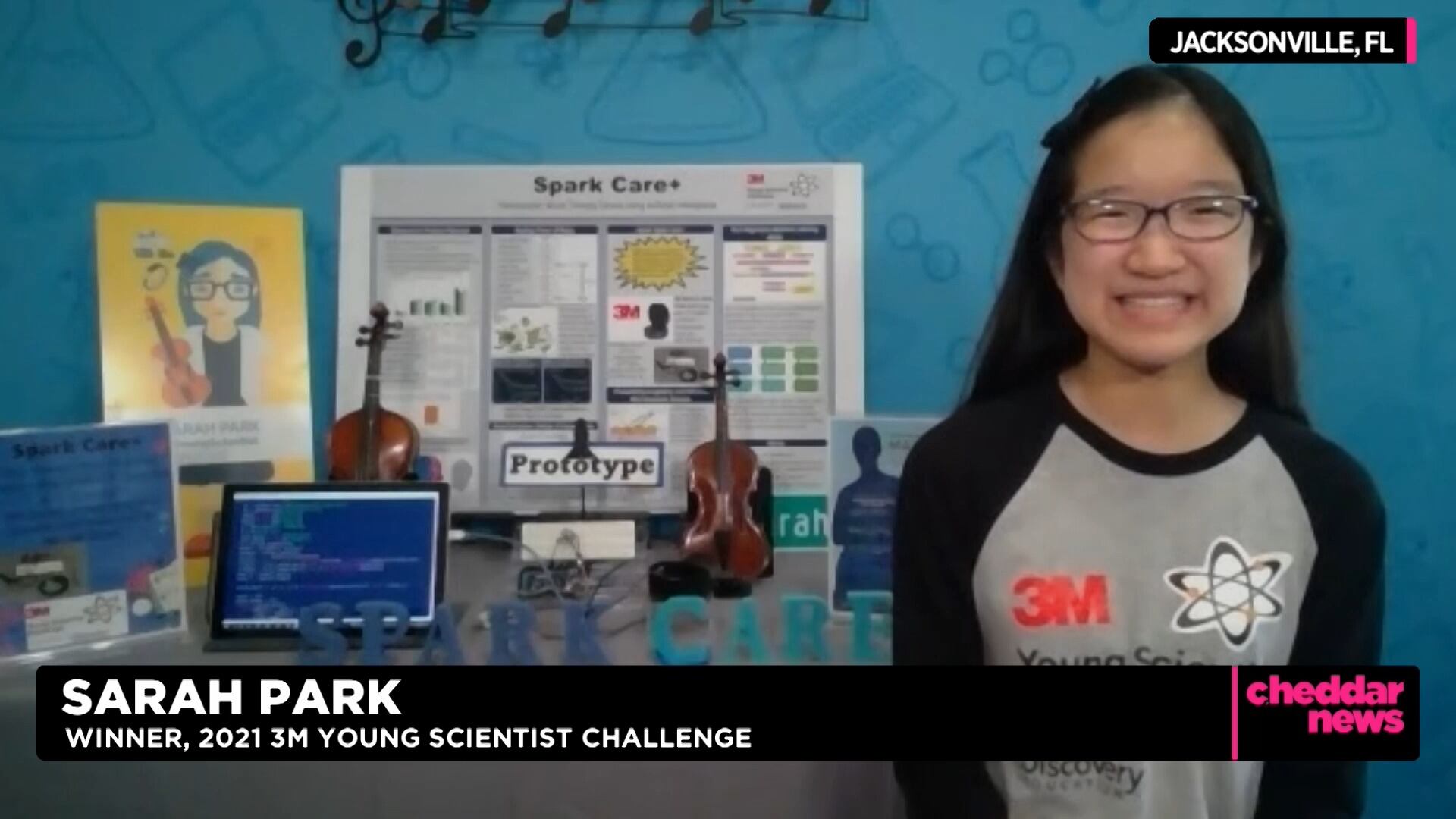
Middle school students from across the country battled it out for a chance at being crowned 'America's Top Scientist.' Each applicant had to submit a video to compete in the '3M Young Scientist Challenge' and describe a unique solution to an everyday problem for the chance to win $25,000. 10 finalists were chosen and after a two-day virtual competition, one walked away with the title. 14-year-old Sarah Park won the award, she joins Cheddar News to talk about her invention Spark Care+.
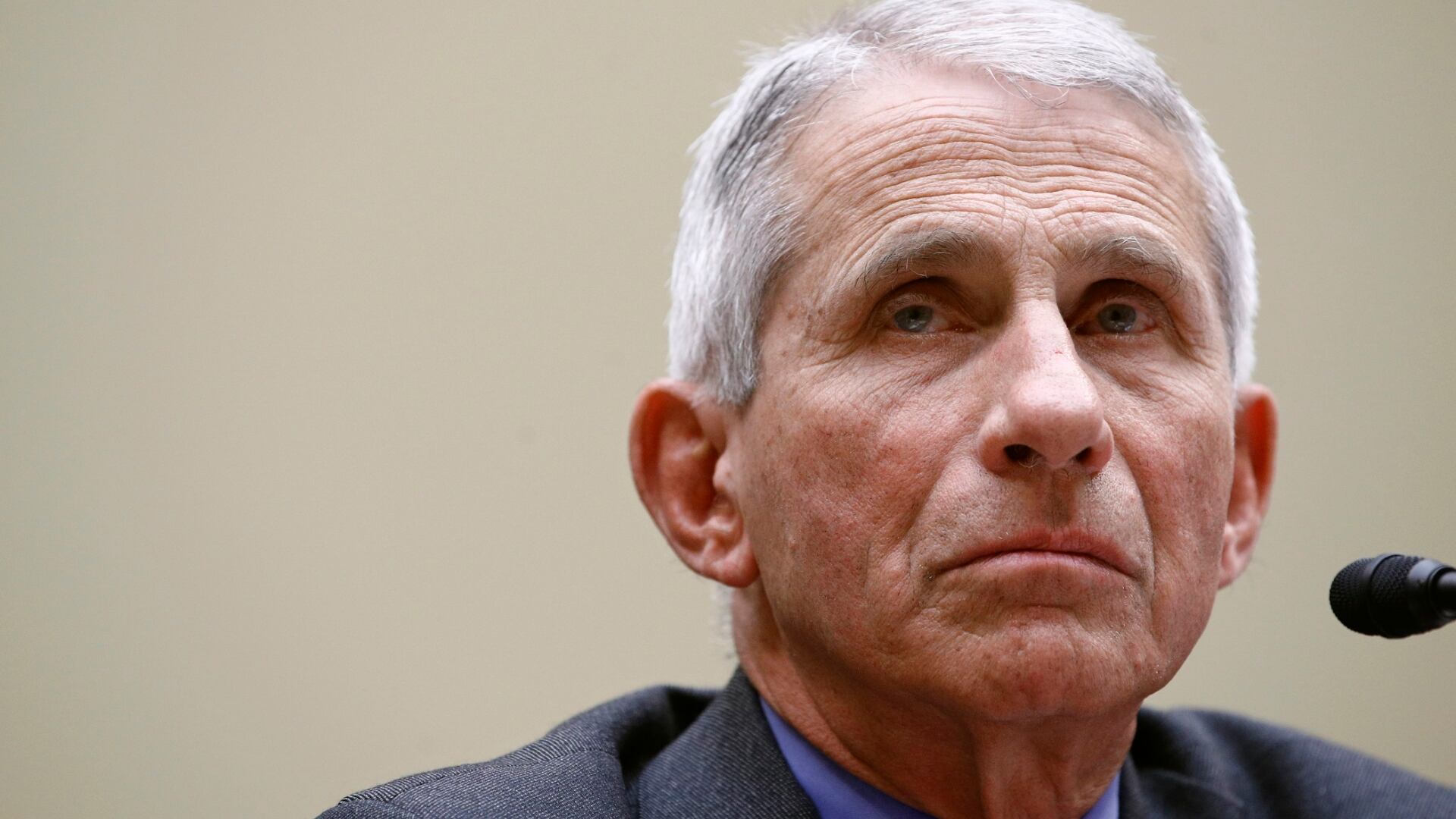
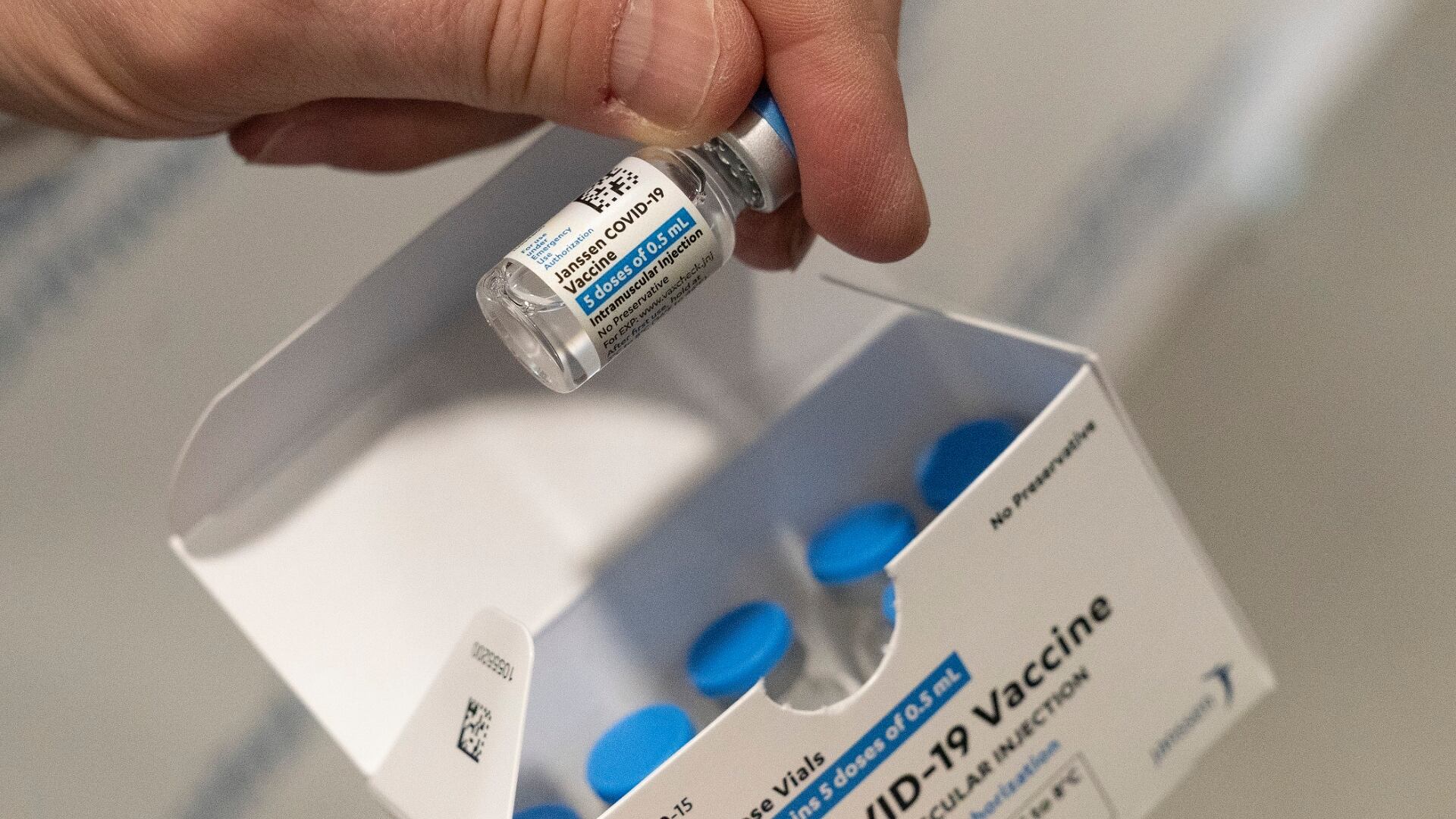
NIAID Director Dr. Anthony Fauci has stated that recipients of the single-dose Johnson & Johnson COVID-19 vaccine should have gotten two doses, to begin with. An FDA panel had recently recommended that J&J boosters be made available for everyone who received the single dose.
Richard Branson’s Virgin Galactic is delaying its launch date for commercial space flights to Q4 of 2022 following a rescheduled test flight. Shares for the aerospace company fell on the news.
The NIH released findings of a study that say recipients of the Johnson & Johnson COVID-19 vaccine may benefit from getting Pfizer or Moderna boosters as the antibody levels from those shots were seen as more robust than from a Johnson & Johnson booster.
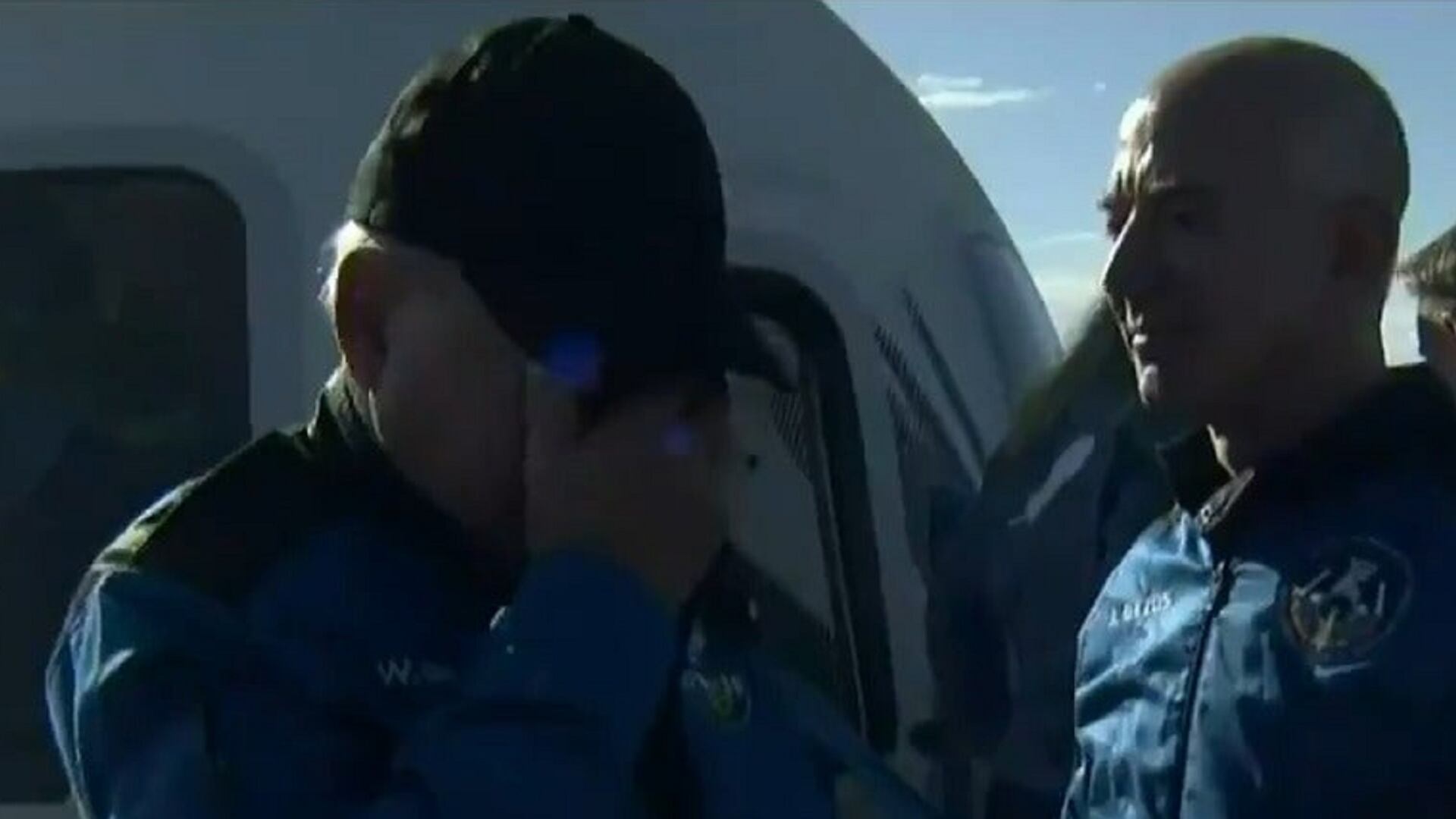
"Star Trek" actor William Shatner's voice broke with emotion as he recounted his trip into space on the Blue Origin New Shepard rocket to Jeff Bezos on October 13, 2021.